The Nshongi Gorilla Family of Bwindi: A Trekker’s Profile
The Nshongi gorilla family holds a genuinely remarkable place in gorilla trekking history, having once been recorded as the largest single gorilla group ever documented, with numbers substantially exceeding what researchers typically consider a standard family size. Based in Bwindi Impenetrable National Park’s Rushaga sector, Nshongi’s exceptional size eventually led to internal splits that produced additional independent families, making its story a genuinely important case study in gorilla social dynamics that researchers continue to reference today. This guide covers Nshongi’s remarkable history, its subsequent splits, where its territory sits, and what a trek to see this family genuinely involves today.
Once the Largest Gorilla Family Ever Recorded
At its peak, Nshongi’s numbers made it stand out dramatically from the typical gorilla family size researchers usually observe, a scale that drew considerable attention from conservationists and researchers studying how such an unusually large group managed internal social cohesion, feeding logistics, and leadership across so many individual members. This record-setting size made Nshongi something of a celebrity family within gorilla research circles during the years it held this distinction.
Why Such a Large Family Eventually Split
Maintaining cohesion within an exceptionally large gorilla family creates genuine internal pressure, particularly around breeding access and resource competition, and eventually this pressure led to the kind of split that has since produced additional independent families tracing their lineage back to the original Nshongi group. This pattern of splitting from an oversized family reflects the same natural social dynamics seen in smaller-scale splits elsewhere in both Bwindi and Rwanda’s Volcanoes National Park, simply playing out on a considerably larger scale.
The Family Born From Nshongi’s Split
One of the splinter groups that emerged from Nshongi’s original size became known as the Mishaya family, named after the assertive silverback who led the breakaway group to establish independent territory. This split is among the more well-documented examples of gorilla family fission in Uganda’s research record, offering genuine insight into how a group’s size can eventually outpace what a single social structure can sustainably hold together.
Where Nshongi’s Territory Sits Today
Nshongi’s territory lies within the Rushaga sector’s broader trekking zone, and as with every family, its exact position on a given day depends on recent foraging patterns and food availability across the group’s range. Trackers head out at first light to confirm the family’s overnight location, allowing your assigned ranger to plan the most efficient route once the group’s position is confirmed by radio.
What a Trek to See Nshongi Involves
Like every Rushaga trek, visiting Nshongi begins with the standard early morning briefing at the sector’s ranger station, where trekkers are assigned to specific families based on fitness level and current tracking reports. Given the family’s historic reputation, a Nshongi trek is frequently requested by visitors with a specific interest in gorilla research history and record-setting family dynamics.
Trekking Difficulty and What to Pack
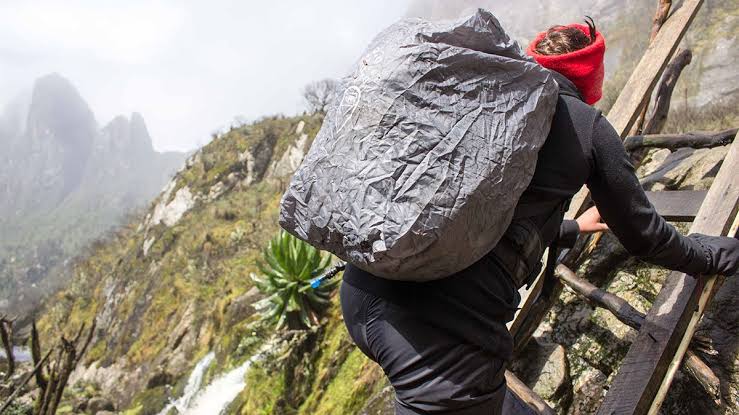
Trekking difficulty for Nshongi varies depending on the family’s current position, consistent with Rushaga’s broader varied terrain, and proper waterproof hiking boots, trekking poles, and rain-ready layered clothing remain essential regardless of specific family assignment. Porters are available to hire at the trailhead and are worth the modest cost both for practical trail support and as direct income for the local community.
Best Time to Trek to the Nshongi Family
Uganda’s two dry seasons, roughly June through September and December through February, offer the firmest trail conditions across Bwindi, including Nshongi’s territory, though trekking during the wetter months remains genuinely viable for travelers with flexible dates and appropriate rain gear.
Nshongi’s Place Among Bwindi’s Gorilla Families
Rushaga is home to numerous habituated families beyond Nshongi, a reflection of the sector’s status as the park’s highest-capacity trekking zone, detailed fully in the Rushaga sector gorilla trekking guide. Nshongi’s record-setting history and its role as the origin point for subsequent splits give it a genuinely unique place among the sector’s roster of families.
Conservation and What Your Permit Supports
Every gorilla trekking permit fee, regardless of which family you’re assigned to, funds a substantial share of Uganda’s ongoing conservation work, from anti-poaching patrols to veterinary care and community development programs in villages surrounding Bwindi. Nshongi’s exceptional historic size and subsequent healthy splits stand as one of the clearest tangible demonstrations of what sustained conservation investment can achieve for a single gorilla population over time.
Common Questions About Trekking the Nshongi Family
Trekkers frequently ask whether Nshongi is still exceptionally large today, and the honest answer is no, the splits that followed its record-setting peak have naturally reduced its numbers to a size more typical of Bwindi’s other habituated families. Visitors also ask whether a large historic family like Nshongi behaves differently from smaller groups, and while family size does shape some social dynamics, the standard hour-long viewing experience remains fundamentally similar regardless of a group’s specific size or history.
What This Record Meant for Bwindi’s Broader Reputation
Nshongi’s status as a record-setting family brought meaningful international attention to Bwindi Impenetrable National Park during the years it held this distinction, helping raise the park’s profile among researchers and conservation-minded travelers well beyond Uganda’s borders. This kind of attention, while not the primary goal of conservation work, has real practical value in supporting continued funding and tourism interest that ultimately benefits every family in the park, not just Nshongi and its descendants.
Why Nshongi’s Story Matters to Researchers
Few gorilla families anywhere have offered researchers as clear a real-world case study in the practical limits of group size as Nshongi, whose eventual splits helped clarify just how large a single gorilla social structure can realistically sustain before internal pressures make separation the more viable path forward. This research value extends well beyond simple trivia, informing broader conservation understanding of gorilla social capacity across the wider population.
Combining a Nshongi Trek With the Rest of Uganda
Most visitors trekking to see Nshongi base themselves in Rushaga for at least one night before and after the trek, and many combine the visit with a Rwanda gorilla trekking leg given the sector’s proximity to the border, or extend their Uganda itinerary further with a visit to Queen Elizabeth National Park.
What Managing Such a Large Family Actually Involved
Leading a group as large as Nshongi once was placed genuinely exceptional demands on its dominant silverback, who had to manage feeding logistics, breeding priorities, and internal social order across far more individuals than a typical family structure requires. Researchers studying this period of Nshongi’s history often point to it as a valuable illustration of the practical ceiling on gorilla group cohesion, offering insight that has since informed how conservationists interpret population growth patterns across other exceptionally large or rapidly growing families elsewhere in the region.
What Trekking Nshongi Today Feels Like
Even with its numbers now closer to a typical Bwindi family size following its historic splits, a Nshongi trek still carries a certain sense of occasion for visitors aware of the family’s record-setting past, and many guides make a point of sharing this history during the pre-trek briefing or the walk itself. Trekkers consistently describe this historical context as adding real depth to what would otherwise be, on its own merits, already one of the most significant wildlife encounters available anywhere in Africa.
Photography and Etiquette During a Nshongi Encounter
Flash photography is strictly prohibited throughout every gorilla encounter in Uganda, and this rule applies with equal seriousness to Nshongi as to every other family in Bwindi, regardless of its record-setting history. Staying quiet, moving deliberately, and following your ranger’s instructions immediately if repositioning becomes necessary all remain standard practice, ensuring the encounter stays calm and respectful of a family whose story has genuinely shaped how researchers understand gorilla social limits.
How Nshongi’s Splits Continue to Shape Rushaga Today
The families that trace their origins back to Nshongi’s historic split, including Mishaya, continue to occupy territory within the broader Rushaga sector, meaning the sector’s current roster of families is itself partly a living record of this one group’s remarkable growth and eventual division. Trekkers interested in this lineage sometimes plan visits specifically to compare Nshongi with its splinter families across separate trips, tracing the branching family tree in person rather than simply reading about it beforehand.
Why This Family Deserves a Place on Every Serious Trekker’s List
Given its genuinely unique historical significance, few families anywhere in Uganda or Rwanda offer quite the same combination of research importance and continued relevance to trekkers curious about gorilla social dynamics at scale.
How Nshongi’s Legacy Extends Beyond a Single Trek
Understanding Nshongi’s full story, its record-setting peak, its eventual splits, and its descendants’ continued presence in Rushaga, genuinely rewards trekkers willing to look beyond a single encounter toward the broader, still-unfolding narrative this one family set in motion.
Planning Your Visit to the Nshongi Family
Because final family assignments rest with park authorities on the morning of the trek, working with an experienced operator who understands Uganda’s permit system gives you the best realistic chance of an assignment suited to your interests, whether that’s the historically significant Nshongi family or one of Rushaga’s other groups.
Recommended Tours: 3 Days Bwindi Gorilla Trekking Safari | 7 Days Classic Rwanda Safari