The Mishaya Gorilla Family of Bwindi: A Trekker’s Profile
The Mishaya gorilla family formed when the silverback whose name it now carries led a breakaway group away from the once record-setting Nshongi family, establishing independent territory within Bwindi Impenetrable National Park’s Rushaga sector through a notably assertive, forceful process. Mishaya himself earned a reputation among rangers and researchers as an unusually bold, feisty silverback, and that reputation has followed the family he founded ever since, shaping how the group is described and requested by trekkers to this day. This guide covers Mishaya’s origin story, its distinctive character, where its territory sits, and what a trek to see this family genuinely involves from briefing to encounter.
A Breakaway Born From Confrontation
Unlike some family splits that unfold gradually through slow territorial drift, Mishaya’s departure from the Nshongi group followed a more direct, confrontational path, with the silverback actively asserting his independence and drawing a following of members willing to establish new territory under his leadership. This kind of assertive splitting behavior, while not unheard of elsewhere, made Mishaya’s case a particularly well-documented example of decisive gorilla leadership in action.
The Silverback Behind the Family’s Reputation
Mishaya the silverback became known among rangers for a genuinely bold, sometimes combative temperament, traits that likely contributed directly to his success in breaking away from a family as large as Nshongi and establishing his own independent group. This individual reputation has shaped how the family bearing his name is often described to trekkers, though it’s worth noting that a properly managed tourist encounter with any Bwindi family, Mishaya included, remains calm and safely conducted regardless of a silverback’s documented temperament.
What Mishaya’s Story Reveals About Gorilla Leadership
Not every aspiring silverback successfully leads a breakaway group; doing so requires a combination of physical strength, confidence, and the ability to convince other family members that following a new leader offers better prospects than remaining with the original group. Mishaya’s successful split from Nshongi stands as a genuine demonstration of this dynamic playing out in real time, offering researchers valuable insight into what separates a successful family split from one that fails to gain enough support to succeed.
How Rangers Distinguish Mishaya’s Family From Nshongi Today
Years after the original split, rangers tracking both families rely on established territorial boundaries, distinct group compositions, and consistent individual recognition to keep accurate records on each group separately, even though both trace back to the same original lineage. This ongoing distinction matters not just for tourism logistics but for the broader research record documenting exactly how Bwindi’s gorilla population has grown and diversified since Mishaya’s decisive break from his birth family.
Where Mishaya’s Territory Sits
The Mishaya family’s range lies within the Rushaga sector’s broader trekking zone, in reasonable proximity to its parent group Nshongi’s own territory, and as with every family, its exact position on a given day depends on recent foraging patterns and food availability. Trackers head out at first light to confirm the family’s overnight location, allowing your assigned ranger to plan the most efficient route once the group’s position is confirmed by radio.
What a Trek to See Mishaya Involves
Like every Rushaga trek, visiting Mishaya begins with the standard early morning briefing at the sector’s ranger station, where trekkers are assigned to specific families based on fitness level and current tracking reports. Given the family’s reputation, a Mishaya trek is frequently requested by visitors specifically curious about its founding silverback’s bold personal history.
Trekking Difficulty and What to Pack
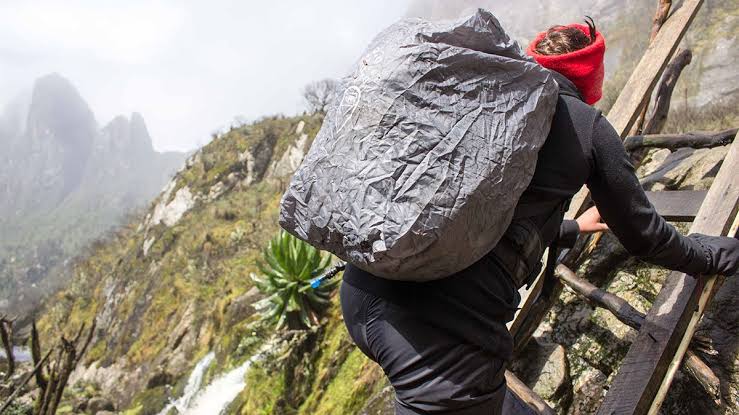
Trekking difficulty for Mishaya varies depending on the family’s current position, consistent with Rushaga’s broader varied terrain, and proper waterproof hiking boots, trekking poles, and rain-ready layered clothing remain essential regardless of specific family assignment. Porters are available to hire at the trailhead and are worth the modest cost both for practical trail support and as direct income for the local community.
Best Time to Trek to the Mishaya Family
Uganda’s two dry seasons, roughly June through September and December through February, offer the firmest trail conditions across Bwindi, including Mishaya’s territory, though trekking during the wetter months remains genuinely viable for travelers with flexible dates and appropriate rain gear.
Mishaya’s Place Among Bwindi’s Gorilla Families
Rushaga is home to numerous habituated families beyond Mishaya, including its parent group Nshongi, detailed fully in the sector’s broader Rushaga sector gorilla trekking guide. Mishaya’s distinctive founding story gives it a genuinely memorable place among the sector’s roster of families, one that repeat visitors often specifically request.
Conservation and What Your Permit Supports
Every gorilla trekking permit fee, regardless of which family you’re assigned to, funds a substantial share of Uganda’s ongoing conservation work, from anti-poaching patrols to veterinary care and community development programs in villages surrounding Bwindi. Understanding individual leadership stories like Mishaya’s adds real depth to appreciating exactly what that funding protects, individual gorillas with genuinely distinct personalities and documented life histories.
Common Questions About Trekking the Mishaya Family
Trekkers frequently ask whether Mishaya’s reputation for boldness makes an encounter feel more intense or risky than visiting a calmer family, and the standard viewing rules and experienced ranger management ensure every encounter remains safe and well-controlled regardless of a family’s individual history or founding silverback’s temperament. Visitors also ask whether the original Mishaya himself is still leading the family, and gorilla lifespans and natural leadership succession mean current leadership should always be confirmed with your guide on trekking day.
What Sets Mishaya Apart From Other Rushaga Families
Where several Rushaga families reflect a more gradual, settled territorial history, Mishaya’s comparatively recent and dramatic founding gives it a fresher, more dynamic feel among the sector’s roster of groups, appealing particularly to trekkers drawn to stories of decisive change rather than long, quiet continuity. This distinction is part of why guides in Rushaga often highlight Mishaya specifically when explaining the sector’s family history to first-time visitors curious about how the area’s current gorilla population came to be organized as it is today.
Why Assertive Leadership Stories Matter to Conservation
Mishaya’s story offers researchers a genuinely valuable counterpoint to more gradual family splits, illustrating the range of ways gorilla social structure can evolve and demonstrating that a single confident, capable silverback can meaningfully reshape a population’s family structure through decisive action. This kind of individual-level insight continues to inform broader conservation understanding of gorilla social dynamics across both Uganda and Rwanda.
Combining a Mishaya Trek With the Rest of Uganda
Most visitors trekking to see Mishaya base themselves in Rushaga for at least one night before and after the trek, and many combine the visit with a Rwanda gorilla trekking leg given the sector’s proximity to the border, or extend their Uganda itinerary further toward Queen Elizabeth National Park.
What Bold Leadership Looks Like Up Close
Trekkers assigned to Mishaya sometimes notice a slightly more assertive presence from the group’s silverback compared to calmer neighboring families, a subtle but genuinely observable difference that adds an extra layer of engagement to the standard hour-long encounter. This doesn’t translate into any additional risk during a properly conducted trek, since rangers manage every family’s viewing protocols with equal rigor, but it does mean visitors curious about individual gorilla personality differences often find Mishaya a particularly rewarding family to observe closely.
How Mishaya’s Family Has Grown Since the Split
Since establishing independent territory, Mishaya’s family has continued the natural cycle of births and gradual growth seen across every habituated gorilla group, building its own distinct multi-generational story separate from its parent family Nshongi. Rangers who’ve tracked both families since the original split often note how each group has developed its own subtly different territorial habits and social rhythm over the years since going their separate ways.
Why This Family Appeals to Trekkers Interested in Individual Personality
Beyond the standard social structure every family displays, Mishaya’s documented history offers trekkers a genuinely accessible entry point into thinking about gorillas as individuals with distinct temperaments, rather than interchangeable members of an undifferentiated species.
How This Story Complements a Broader Rushaga Family Tour
Travelers who trek Mishaya alongside its parent family Nshongi across separate visits gain a genuinely rich, firsthand understanding of how one dramatic leadership transition reshaped an entire corner of Rushaga’s gorilla population.
Photography and Etiquette During a Mishaya Encounter
Flash photography is strictly prohibited throughout every gorilla encounter in Uganda, and this rule applies with equal seriousness to Mishaya as to every other family in Bwindi, regardless of its founding silverback’s bold reputation. Staying quiet, moving deliberately, and following your ranger’s instructions immediately if repositioning becomes necessary all remain standard practice, and most trekkers find that Mishaya’s well-managed, properly habituated behavior during an actual encounter contrasts interestingly with the more dramatic stories told about its founding.
Planning Your Visit to the Mishaya Family
Because final family assignments rest with park authorities on the morning of the trek, working with an experienced operator who understands Uganda’s permit system gives you the best realistic chance of an assignment suited to your interests, whether that’s the bold Mishaya family or one of Rushaga’s other groups.
Recommended Tours: 3 Days Bwindi Gorilla Trekking Safari | 12-Day Uganda Gorilla Tours and Kenya Great Migration Safaris