The Kahungye Gorilla Family of Bwindi: A Trekker’s Profile
The Kahungye gorilla family ranks among the larger and longer-established habituated groups in Bwindi Impenetrable National Park’s Rushaga sector, a family whose growth over the years eventually led to an internal split that produced an entirely new independent group. Kahungye’s size and stability have made it a consistently reliable trekking option within Rushaga’s broader roster of families, appealing to visitors who want a genuinely full social encounter without the added unpredictability that comes with some of the park’s more recently formed or wide-ranging groups elsewhere in the park. This guide covers Kahungye’s background, its subsequent split into Busingye, where its territory sits, and what a trek to see this family genuinely involves from briefing to encounter.
A Well-Established Rushaga Family
Kahungye has held its place within Rushaga’s habituated family roster for years, giving rangers and trackers an unusually deep, well-documented understanding of the group’s territorial habits, feeding preferences, and internal social structure. This kind of established familiarity translates into a genuinely predictable, well-managed trekking experience for visitors, since the ranger teams assigned to Kahungye know the family’s patterns intimately after years of daily monitoring.
A Family That Grew and Eventually Split
As Kahungye’s numbers grew over time, the same internal pressures that drive most gorilla family splits, competition for breeding access and resources, eventually led a subset of the group to break away under new leadership, forming what became the independent Busingye family. This split follows the well-documented pattern seen across numerous families in both Bwindi and Rwanda’s Volcanoes National Park, a natural consequence of a genuinely healthy, growing gorilla population.
Where Kahungye’s Territory Sits
Kahungye’s territory lies within the Rushaga sector’s broader trekking zone, and as with every family, its exact position on a given day depends on recent foraging patterns and food availability across the group’s range. Trackers head out at first light to confirm the family’s overnight location, allowing your assigned ranger to plan the most efficient route once the group’s position is confirmed by radio.
What a Trek to See Kahungye Involves
Like every Rushaga trek, visiting Kahungye begins with the standard early morning briefing at the sector’s ranger station, where trekkers are assigned to specific families based on fitness level and current tracking reports. Given the family’s larger size and well-established territory, Kahungye is a commonly assigned family for visitors indicating moderate to strong fitness levels during the briefing.
Trekking Difficulty and What to Pack
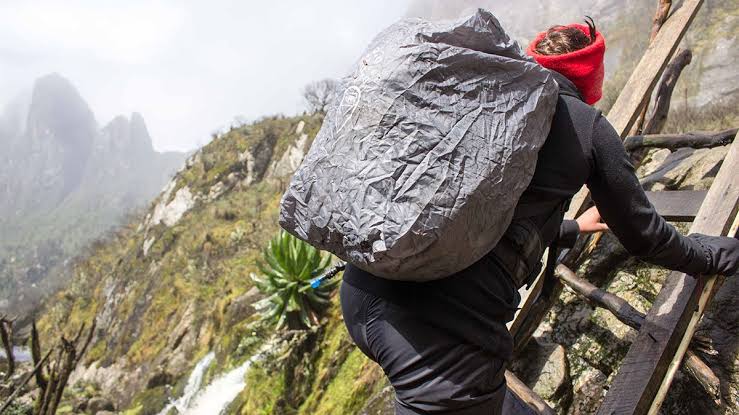
Trekking difficulty for Kahungye varies depending on the family’s current position, consistent with Rushaga’s broader varied terrain, and proper waterproof hiking boots, trekking poles, and rain-ready layered clothing remain essential regardless of specific family assignment. Porters are available to hire at the trailhead and are worth the modest cost both for practical trail support and as direct income for the local community.
Best Time to Trek to the Kahungye Family
Uganda’s two dry seasons, roughly June through September and December through February, offer the firmest trail conditions across Bwindi, including Kahungye’s territory, though trekking during the wetter months remains genuinely viable for travelers with flexible dates and appropriate rain gear.
Kahungye’s Place Among Bwindi’s Gorilla Families
Rushaga is home to numerous habituated families beyond Kahungye, including its own offshoot Busingye and the once record-setting Nshongi family, detailed fully in the sector’s broader Rushaga sector gorilla trekking guide. Kahungye’s size and stability give it a genuinely reliable reputation among the sector’s roster of families.
Conservation and What Your Permit Supports
Every gorilla trekking permit fee, regardless of which family you’re assigned to, funds a substantial share of Uganda’s ongoing conservation work, from anti-poaching patrols to veterinary care and community development programs in villages surrounding Bwindi. Kahungye’s own growth and eventual split into a second family stands as a further tangible indicator of the broader conservation success playing out across Rushaga’s gorilla population.
Common Questions About Trekking the Kahungye Family
Trekkers frequently ask whether Kahungye’s larger size makes for a longer viewing experience, and the answer is no, every gorilla family visit in Uganda follows the same standard one-hour limit once the group is located, regardless of size. Visitors also ask whether Kahungye and its offshoot Busingye can both be trekked on the same trip, and while this requires separate permits and days, some repeat visitors do specifically plan return trips to compare both related families.
How Kahungye’s Data Supports Broader Population Research
Years of consistent monitoring have given researchers unusually rich longitudinal data on Kahungye’s reproductive patterns, health trends, and social structure changes, information that feeds directly into the broader scientific understanding of gorilla demographics used to guide conservation policy across both Bwindi and the wider Virunga Massif. This kind of sustained documentation is exactly what allows conservationists to identify genuine population trends rather than relying on isolated snapshots of gorilla behavior and health.
What a Larger, Established Family Offers Trekkers
Beyond the practical reliability of a well-documented territory, Kahungye’s larger size means a richer social tableau during the standard hour-long encounter, more juveniles at play, more distinct individual personalities to observe, and a fuller picture of gorilla family dynamics across multiple generations within a single visit. Trekkers who’ve experienced both smaller and larger Bwindi families often cite this fuller social complexity as one of the most rewarding aspects of a Kahungye visit specifically.
Combining a Kahungye Trek With the Rest of Uganda
Most visitors trekking to see Kahungye base themselves in Rushaga for at least one night before and after the trek, and many combine the visit with a Rwanda gorilla trekking leg given the sector’s proximity to the border, or extend their Uganda itinerary further toward Queen Elizabeth National Park.
How Rangers Manage a Larger, Established Family
Overseeing a family the size of Kahungye requires rangers to track a genuinely wide range of individual relationships and social dynamics simultaneously, from the dominant silverback’s authority over the whole group down to smaller sub-groupings of mothers and their offspring who tend to stay in close proximity throughout the day. Years of accumulated experience with this specific family means Kahungye’s assigned ranger teams can anticipate the group’s likely movements and behavior with a level of confidence that newer or smaller families sometimes take longer to build.
What the Split Into Busingye Revealed About Kahungye’s Growth
The eventual split that produced Busingye offers a useful marker of just how substantial Kahungye’s growth had become over the years, since splits of this kind generally only occur once a family has expanded well beyond what a single cohesive social structure can comfortably sustain. Understanding this history adds real context for trekkers curious about why Rushaga’s family roster includes both an established parent group and its more recently independent offshoot within the same general territory.
Photography and Etiquette During a Kahungye Encounter
Flash photography is strictly prohibited throughout every gorilla encounter in Uganda, and this rule applies with equal seriousness to Kahungye as to every other family in Bwindi. Staying quiet, moving deliberately, and following your ranger’s instructions immediately if repositioning becomes necessary all remain standard practice, and given the family’s larger size, patience during the encounter often rewards trekkers with a genuinely wider range of individual gorilla behavior to observe within the standard hour.
Why Established Families Like Kahungye Appeal to First-Timers
Travelers on their first gorilla trek sometimes specifically request a well-established, larger family like Kahungye precisely because the group’s long habituation history and predictable patterns tend to reduce the uncertainty that can accompany a visit to a newer or more wide-ranging group. This reliability, paired with the rich social dynamics a larger family naturally offers, makes Kahungye a genuinely solid choice for visitors prioritizing a smooth, well-managed introduction to gorilla trekking.
Why Kahungye and Busingye Make an Interesting Comparative Study
Travelers with genuine interest in gorilla social dynamics find real value in trekking both Kahungye and its offshoot Busingye across separate visits, comparing how each group’s distinct leadership and composition has evolved differently since their original split.
What Long-Term Stability Means for Trekking Confidence
Kahungye’s years of consistent, well-documented behavior give operators genuine confidence when setting realistic expectations for prospective trekkers, a level of predictability that newer or more volatile families simply cannot yet offer regardless of how carefully their habituation was conducted.
Why This Family Suits Travelers Prioritizing Predictability
Given how thoroughly documented Kahungye’s patterns have become after years of consistent monitoring, travelers who value a genuinely well-understood, lower-uncertainty trekking experience find this specific family a reassuring choice compared to less predictable alternatives elsewhere in the sector.
Planning Your Visit to the Kahungye Family
Because final family assignments rest with park authorities on the morning of the trek, working with an experienced operator who understands Uganda’s permit system gives you the best realistic chance of an assignment suited to your interests, whether that’s the well-established Kahungye family or one of Rushaga’s other groups, each offering its own distinct version of the same unforgettable, once-in-a-lifetime encounter that draws travelers back to Uganda again and again.
Recommended Tours: 3 Days Bwindi Gorilla Trekking Safari | 7 Days Classic Rwanda Safari