How Long Does It Take to Fully Habituate a Gorilla Family?
How long it takes to habituate a gorilla family is a question that surprises many first-time trekkers once they learn the real answer: years, not weeks or months, of patient, careful work stand behind every single family eventually opened to tourism across Uganda and Rwanda. Understanding this genuinely lengthy timeline adds real appreciation for what’s actually happening during a standard trek, an encounter made possible by an enormous, sustained investment of time, patience, and specialized expertise from dedicated conservation teams. This guide explains what the habituation process actually involves and why it takes as long as it does.
What Habituation Actually Means
Habituation refers to the gradual process of accustoming a wild gorilla family to tolerate the sustained presence of humans without displaying the fear or aggressive defensive behavior that would naturally occur with an unhabituated group. This isn’t training in any conventional sense; it’s a slow, respectful process of consistent, controlled exposure that allows the family to adjust at its own pace.
The Typical Timeline
Fully habituating a gorilla family for tourism typically takes somewhere between two and three years of near-daily contact, though the exact timeline varies considerably depending on the specific family’s temperament, size, and how the process unfolds. Some families adjust more quickly than others, while particularly wary or larger groups can take longer to reach full habituation.
How the Process Actually Unfolds
Habituation teams begin by simply locating and following a target family at a respectful distance, gradually and incrementally closing that distance over months as the gorillas show increasing tolerance, always retreating if the family displays signs of stress rather than pushing the pace. This patient, family-led approach, refined considerably since Uganda’s earliest habituation work with the pioneering Mubare family, remains the standard methodology today.
Why the Process Can’t Be Rushed
Attempting to accelerate habituation risks causing genuine stress to the gorillas, potentially triggering defensive aggression or, worse, causing the family to abandon their territory entirely in an effort to avoid the perceived threat. The multi-year timeline reflects a genuine ethical commitment to prioritizing gorilla welfare over any commercial pressure to open new families to tourism more quickly.
The Physical and Emotional Toll on Habituation Teams
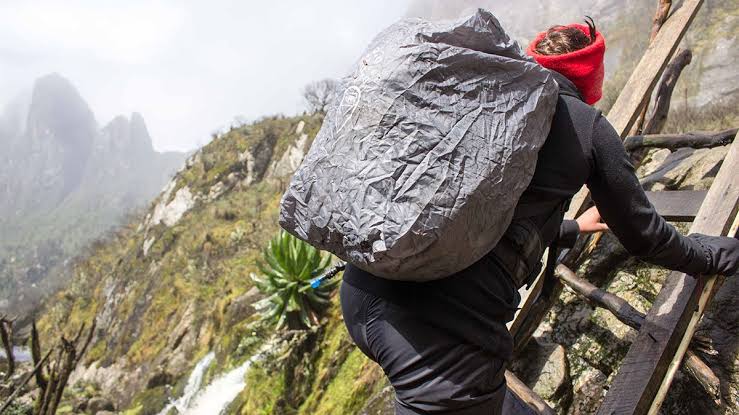
Spending years tracking a single family through dense, often difficult terrain in all weather conditions demands genuine physical stamina and emotional patience from habituation teams, who must maintain consistent daily contact regardless of setbacks, slow progress, or occasionally dangerous encounters with other wildlife along the way. This sustained personal commitment from rangers and researchers rarely receives public recognition, yet it forms the genuine backbone of every gorilla trekking program across the region.
Who Does This Work
Dedicated habituation teams, combining experienced trackers, rangers, and researchers, spend years working with a single target family, building an intimate understanding of the group’s individual members, territory, and temperament long before any tourist ever visits. This work happens largely out of public view, distinct from the standard trekking and even the habituation experience programs tourists can access.
The Transition to the Habituation Experience
Partway through the full habituation timeline, a family sometimes becomes stable enough for limited visitor access through the gorilla habituation experience, offering paying visitors a supervised window into this ongoing process well before the family reaches full standard-trekking status.
The Transition to Standard Trekking
Once a family demonstrates consistent, reliable tolerance of human presence across varied conditions and circumstances, Uganda Wildlife Authority or Rwanda Development Board formally opens the group to standard trekking, at which point it joins the roster of families visited daily by trekkers on the familiar one-hour encounter format.
How Habituation Differs Between Uganda and Rwanda
While the fundamental methodology remains broadly consistent, Uganda Wildlife Authority and Rwanda Development Board each manage their own habituation programs independently, sometimes resulting in subtle procedural differences even though the underlying multi-year timeline and welfare-focused principles remain shared across both countries. Trekkers curious about the specific process behind a particular family can ask their guide which country’s program habituated that group and what, if anything, made its specific journey distinctive.
Why This Investment Matters
The multi-year, resource-intensive nature of habituation is part of why gorilla trekking permits carry the price they do, funding not just the daily operations of already-habituated families but the ongoing work of habituating new groups to sustainably expand trekking capacity over time. Newer families like Bikingi represent the visible results of this long-term investment finally reaching completion.
How This Investment Pays Off Long-Term
Once a family completes habituation and joins the standard trekking roster, it can generate meaningful, sustained tourism revenue for potentially decades, meaning the multi-year upfront investment eventually pays for itself many times over through permit fees that fund conservation, community development, and further habituation work. This long-term return on investment is central to why Uganda and Rwanda continue prioritizing new habituation projects despite the significant time and resources each one requires.
What This Means for Trekkers
Understanding the genuine years-long effort behind every family you might visit adds real weight to the standard hour-long encounter, transforming it from a simple wildlife sighting into an experience built on a foundation of patient, careful conservation science. Many trekkers report that learning this context before their trek measurably deepens their appreciation for the day ahead.
Factors That Speed Up or Slow Down the Process
Several variables influence exactly how long a specific family’s habituation takes, including the group’s overall size, the individual temperament of its dominant silverback, prior negative experiences with humans such as encounters with poachers, and even the specific terrain and visibility of the family’s territory. A naturally calmer family in more open terrain may habituate somewhat faster than a larger, warier group in dense forest, though every timeline still spans years rather than months regardless of these variables.
How Researchers Measure Habituation Progress
Rather than relying on a fixed calendar, habituation teams track specific behavioral milestones, reduced flight distance, decreased vocal alarm calls, and continued normal feeding and social behavior in the presence of observers, to gauge genuine progress rather than simply counting elapsed time. This behavior-based approach ensures the timeline reflects the family’s actual comfort level rather than an arbitrary external schedule imposed for convenience.
What Happens If Habituation Doesn’t Succeed
Not every habituation attempt reaches full completion; some families remain too wary for sustainable tourism access despite years of effort, and teams must sometimes make the difficult call to discontinue active habituation for a specific group. When this happens, the family simply continues living undisturbed in its wild state, still fully protected by the broader park conservation efforts even without ever becoming a tourism-accessible group.
Common Questions About the Habituation Timeline
Trekkers frequently ask whether habituated gorillas ever revert to being fearful of humans if visits stop for an extended period, and generally no, once a family reaches full habituation, the tolerance developed proves genuinely stable given the consistent, ongoing daily contact standard trekking and ranger monitoring provide. Visitors also ask whether habituation causes any lasting behavioral change beyond tolerance of humans, and researchers have found no evidence that properly conducted habituation alters a family’s natural behavior, diet, or social structure in any meaningful way beyond the specific adjustment to human presence.
Why Learning This Changes How Trekkers See Their Visit
Most visitors arrive at their trek focused entirely on the anticipated encounter itself, but understanding the genuine years-long investment behind that moment often shifts perspective toward a deeper appreciation for the broader conservation infrastructure making the visit possible at all. This shift in perspective is part of why so many operators make a point of sharing this background during pre-trek briefings rather than assuming visitors already understand it.
How This Timeline Compares to Chimpanzee Habituation
Given chimpanzees’ more volatile, wide-ranging social structure compared to gorillas’ relatively stable family units, chimpanzee habituation at destinations like Kibale often takes even longer, a comparison that further underscores just how much patient, sustained effort every single habituated great ape family, gorilla or chimpanzee, actually represents.
Why Some Travelers Specifically Seek Out Newer Families
Travelers with a genuine interest in conservation process sometimes deliberately request assignment to a recently completed habituation success, appreciating the chance to witness a family whose transition from wild group to tourism-ready roster member happened within recent memory rather than decades ago.
Why This Knowledge Deserves a Place in Every Pre-Trek Briefing
Operators who take time to explain the habituation timeline before the trek itself genuinely enrich the overall experience, giving trekkers context that transforms a scheduled activity into a moment connected to years of patient, purposeful conservation work.
Planning Your Trek With This Knowledge
Whichever family you’re assigned to during your Uganda or Rwanda gorilla trekking trip, remember that reaching the point where you can safely observe them required years of dedicated, careful work by teams whose patience made your encounter possible, a foundation worth genuinely appreciating during your hour with the family.
Recommended Tours: 3 Days Bwindi Gorilla Trekking Safari | 7 Days Classic Rwanda Safari