Gorilla Habituation Experience in Rushaga: A Full-Day Diary
The gorilla habituation experience in Rushaga offers a genuinely different rhythm from standard gorilla trekking, trading the familiar one-hour encounter for up to four hours spent alongside a family still in the process of becoming fully accustomed to human presence, working directly alongside the researchers and trackers doing that patient work. Walking through a typical day hour by hour, from the pre-dawn wake-up through to the final walk out, helps set realistic expectations for anyone considering this longer, more immersive alternative to standard trekking. This guide follows that full-day arc from pre-dawn wake-up to the walk back out.
Before Dawn: Waking Up in Rushaga
A habituation experience day starts earlier than a standard trek, with most participants waking well before sunrise to allow time for breakfast and the drive to the ranger station, since the extended time in the field ahead requires an earlier overall start than the standard trekking schedule. Lodges in Rushaga are well accustomed to this earlier departure and typically arrange breakfast accordingly.
The Briefing: What Makes It Different
The morning briefing for habituation participants covers additional detail beyond the standard trekking safety talk, since the extended time in close proximity to a still-habituating family requires a deeper understanding of viewing protocols, patience, and the specific research goals rangers are working toward with this particular group. Group sizes for the habituation experience are also smaller than standard trekking, keeping the day genuinely intimate.
Meeting Your Fellow Participants
Because habituation experience groups run smaller than standard trekking groups, you’ll likely spend the day with a more intimate circle of fellow participants, often creating a genuinely bonding dynamic as everyone shares in the same extended, sometimes physically demanding day together. Many participants describe striking up lasting travel friendships over the course of a single habituation day, a social dimension that standard trekking’s shorter timeframe rarely allows to develop as fully.
The Walk In: Often Longer Than Standard Trekking
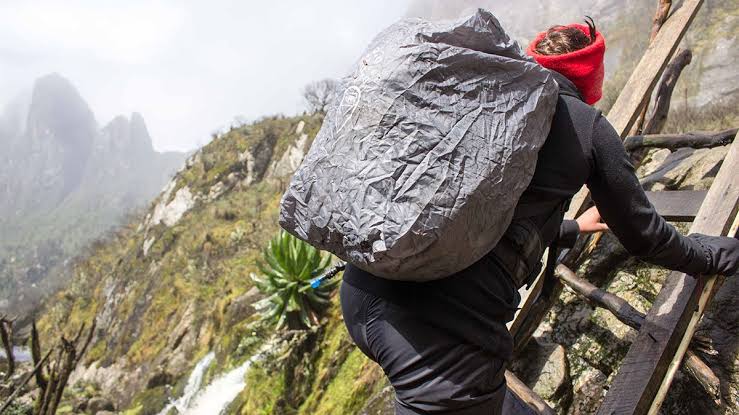
Reaching a family still undergoing habituation sometimes requires a longer or more physically demanding walk than a fully habituated group’s more predictable territory, since these families may not yet have settled into the consistent patterns rangers rely on with longer-established groups. Packing accordingly, with extra water and energy snacks, matters more here than for a standard trek.
The First Encounter: A Different Kind of Approach
Approaching a family still being habituated involves a more gradual, careful process than a standard trek’s more established viewing protocol, with rangers and researchers reading the group’s comfort level closely and adjusting distance and behavior accordingly throughout the encounter. This adds a genuinely fascinating research dimension that standard trekking, focused purely on the tourist viewing experience, doesn’t offer.
Hours Two and Three: Settling Into Observation
As the encounter extends well beyond the standard one-hour limit, participants have considerably more time to observe subtle behavioral patterns, feeding habits, social interactions, and the family’s gradual response to sustained human presence, insights that a shorter standard trek simply can’t provide. Researchers present during the encounter sometimes share real-time observations about what they’re watching for.
Hour Four: Wrapping Up the Encounter
By the final hour, most participants have settled into a genuinely absorbed rhythm of quiet observation, and the extended time often allows for richer photography opportunities as the family’s behavior unfolds at a more natural, less rushed pace than a standard hour-long trek permits.
The Walk Back: A Longer, More Tiring Return
Given the extended time in the field and often longer walking distances, the return journey to the ranger station typically feels more physically demanding than after a standard trek, and most participants describe genuine, satisfied exhaustion by the time they reach the trailhead. A porter, genuinely worth hiring for any Rushaga trek, becomes even more valuable for this longer day.
What to Eat and Drink Throughout the Day
Given the day’s genuine length, packing more food and water than you would for a standard trek matters considerably, energy bars, dried fruit, and at least two to three liters of water are sensible minimums, and many lodges will happily prepare a packed lunch specifically for habituation participants given the extended time away from camp. Staying properly fueled throughout the day noticeably affects how much you’re able to genuinely enjoy the extended observation window rather than simply enduring it.
Reflecting on the Day
Participants consistently describe the habituation experience as feeling qualitatively different from standard trekking, less a single memorable encounter and more an immersive, research-adjacent day that offers genuine insight into the patient, careful work behind every family eventually opened to standard tourism. For a broader comparison between the two options, the full gorilla habituation versus standard trekking guide covers the key differences in detail.
What Makes This Diary Different From a Standard Trek Recap
Unlike a standard trek, where the encounter itself compresses into a single memorable hour, a habituation experience day unfolds across a genuinely extended arc, meaning the story of the day involves not just the gorillas themselves but the accumulated observations, small behavioral shifts, and researcher insights that only become visible over several sustained hours of quiet watching. This structural difference is part of why so many participants describe the habituation experience as feeling like a genuinely different kind of activity rather than simply a longer version of standard trekking.
Group Size and Why It Stays Small
Habituation experience groups are deliberately kept smaller than standard trekking groups, a decision that reflects both the more delicate nature of interacting with a family still building trust in human presence and the genuinely more intimate, research-focused atmosphere the experience aims to preserve. This smaller group size means fewer permits are available per day than standard trekking, something worth factoring into your booking timeline if this specific experience is a priority.
What Researchers Are Actually Doing During Your Visit
Throughout the day, the researchers present aren’t simply supervising your visit; they’re actively continuing their own habituation work, observing the family’s comfort level, adjusting positioning, and documenting behavioral responses that feed directly into the broader, multi-year habituation timeline for that specific group. Participants who ask genuine questions throughout the day often find researchers happy to explain exactly what they’re watching for and why it matters to the family’s eventual transition to full tourism status.
Physical Demands Beyond the Standard Trek
Beyond the potentially longer walk in, the sheer duration of a habituation experience day, often eight hours or more including travel, briefing, the trek itself, and the extended encounter, represents a genuinely significant physical undertaking that participants should prepare for with realistic expectations. Building in a rest day either before or after this experience, rather than combining it with another demanding activity, helps ensure you’re able to fully appreciate the extended time with the family rather than fighting fatigue throughout.
Photography Opportunities Unique to This Experience
The extended time frame gives photographers a genuinely rare opportunity to wait patiently for specific behavioral moments, a silverback’s brief interaction with an infant, a juvenile’s play sequence, or simply better natural light as the day progresses, rather than compressing every shot into a rushed single hour. Many photography-focused trekkers specifically choose the habituation experience over standard trekking precisely for this expanded creative window.
Common Questions From First-Time Habituation Participants
Travelers frequently ask whether the extended time increases any risk compared to standard trekking, and the answer is no, the same experienced ranger oversight and safety protocols apply throughout, simply extended across a longer duration. Visitors also ask whether four hours with gorillas ever feels repetitive, and the overwhelming consensus among past participants is no, the family’s natural behavior continues shifting throughout the day in ways that keep the experience genuinely engaging from start to finish.
Why This Experience Suits a Specific Kind of Traveler
Given its genuine physical and time demands, the habituation experience suits travelers with a real interest in the research and conservation process behind gorilla trekking, rather than those simply seeking the most efficient possible sighting, a distinction worth honestly considering before booking this longer alternative.
How to Decide Between This Experience and Standard Trekking
Travelers weighing this choice should honestly assess their own physical stamina, budget, and genuine interest in the research dimension, since the habituation experience costs more and demands considerably more from participants than a standard trek, a tradeoff that rewards those specifically seeking the deeper, more immersive alternative.
Why This Experience Leaves a Different Kind of Lasting Impression
Participants consistently describe remembering the habituation experience differently than a standard trek, less as a single dramatic moment and more as an accumulated, textured memory built from hours of sustained, quiet observation alongside people genuinely dedicated to the family’s welfare.
Planning Your Habituation Experience Day
Given the longer duration and often more demanding terrain involved in reaching a still-habituating family in Rushaga, working with an experienced operator to prepare realistically for the day’s physical and logistical demands ensures you get the most out of this genuinely unique alternative to standard gorilla trekking, one that rewards patience with a considerably richer, more textured encounter.
Recommended Tours: 3 Days Bwindi Gorilla Trekking Safari | 10 Days Ultimate Uganda Gorilla & Big Five Safari