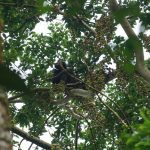

Olive Baboons on Safari: Behaviour and Best Sightings
Olive baboons rank among the most commonly and reliably encountered primates across East Africa’s savannah parks, their large troops, complex social behavior, and confident presence around roads and lodges making them one of the more genuinely engaging wildlife sightings available on almost any safari itinerary. Understanding their behavior and social structure transforms what might seem like a common, easily dismissed sighting into a genuinely fascinating window into primate social life worth pausing for on every game drive. This guide covers olive baboon behavior and where to find the best sightings.
What Makes Olive Baboons Distinctive
As one of the largest monkey species found in Africa, olive baboons display a genuinely robust build, greenish-grey fur that gives the species its common name, and a distinctive dog-like snout that sets baboons apart visually from the region’s smaller, more delicate forest monkeys.
Grooming: The Social Glue of Baboon Troops
Grooming occupies a genuinely central place in baboon social life, reinforcing alliances, reducing tension, and maintaining bonds between troop members through hours of daily mutual attention, a behavior that offers attentive observers a genuinely rich window into which individuals maintain close relationships within the broader group. Watching who grooms whom, and for how long, reveals real social information about the troop’s internal alliances and current tensions.
Understanding Baboon Troop Structure
Olive baboon troops operate under genuinely complex social hierarchies, with clear dominance rankings among both males and females shaping access to food, mating opportunities, and preferred resting locations within the group. Troops can number into the dozens, creating rich, dynamic social scenes for attentive observers.
Baboon Communication and Vocalizations
Baboons use a genuinely wide vocal repertoire, including barks, grunts, and screams, to communicate everything from alarm at approaching predators to routine social coordination within the troop, making a baboon sighting as much an auditory experience as a visual one for travelers who take the time to listen closely.
Where to Find the Best Baboon Sightings
Olive baboons are genuinely widespread across East Africa’s savannah parks, with particularly reliable sightings in Queen Elizabeth National Park, Murchison Falls National Park, and along roadsides throughout much of rural Uganda, making them one of the most consistently encountered primates of any safari itinerary.
Baboon Behavior Around Vehicles and Lodges
Given their intelligence and adaptability, baboons around heavily trafficked safari routes and lodges have sometimes learned to associate vehicles and human settlements with food opportunities, making appropriate etiquette, never feeding baboons and securing food and belongings, particularly important given their larger size and physical strength compared to smaller primates like vervet monkeys.
Baboons and Their Interactions With Other Wildlife
Baboon troops sometimes display genuinely alert, coordinated behavior around predators, with sentries posted to watch for approaching danger and loud alarm calls triggering immediate defensive responses across the group, a dynamic that occasionally offers safari-goers a front-row view of real predator-prey tension unfolding in real time. Observing this vigilance firsthand adds a genuinely dramatic dimension to what might otherwise seem like routine troop behavior.
Understanding Baboon Aggression and Safety
While baboons aren’t inherently aggressive toward humans who maintain appropriate distance and don’t offer food, their size and strength mean travelers should exercise genuine caution around habituated troops, avoiding direct eye contact with dominant males and never attempting to reclaim stolen items directly.
Baboon Range and Distribution Across Uganda
Olive baboons occur across nearly every major protected area in Uganda, from the savannah plains of Queen Elizabeth and Murchison Falls to the forest edges bordering Bwindi and Kibale, making them one of the very few species travelers can genuinely expect to see regardless of which specific parks their itinerary includes. This universal presence makes baboons a useful, reliable benchmark sighting for building overall wildlife-viewing confidence early in any Uganda trip.
Baboon Family Life and Infant Care
Watching baboon mothers care for infants, carrying them close during early months before allowing more independent exploration as they mature, offers genuinely touching viewing that mirrors familiar primate parenting patterns observed across other species like gorillas and chimpanzees.
Baboon Foraging and Diet
As highly adaptable omnivores, olive baboons consume a genuinely wide range of food, fruits, seeds, small animals, and insects, foraging both on the ground and in trees, an adaptability that partly explains their success across such a wide range of East African habitats.
Photography Opportunities With Olive Baboons
Baboon troops offer genuinely excellent, reliable photography opportunities given their confident behavior and frequent roadside presence, rewarding photographers with rich social interaction shots rarely possible with shyer, more elusive primate species.
Why Baboons Deserve More Appreciation
Despite their commonness leading some travelers to overlook them in favor of rarer species, olive baboons offer genuinely rich behavioral viewing that rewards patient observation, a reminder that some of East Africa’s most consistently rewarding wildlife encounters come from species too often dismissed as merely common.
How Baboon Hierarchies Actually Function
Male dominance hierarchies within baboon troops tend to shift more frequently than female hierarchies, which remain relatively stable across generations through matrilineal inheritance, meaning daughters typically inherit a social rank close to their mother’s position within the troop. This dual hierarchy system, stable among females and more volatile among males, creates a genuinely complex social dynamic that researchers have studied extensively as a window into primate social evolution.
Baboon Alliances and Social Strategy
Beyond simple dominance, baboons form genuine alliances and coalitions, sometimes teaming up to challenge a higher-ranking individual or to defend against external threats, displaying a level of social strategy and cooperation that rewards patient, attentive observation during an extended sighting. Watching these alliances play out, subtle grooming exchanges, coordinated defensive postures, offers a genuinely sophisticated behavioral study for travelers willing to watch beyond a quick photo opportunity.
Why Baboons Thrive Across So Many Habitats
Olive baboons’ genuinely exceptional ecological adaptability, thriving in savannah, woodland, and even semi-arid habitat, explains their remarkably wide distribution across East Africa compared to more habitat-specific primates confined to dense forest. This adaptability makes baboons a reliable safari sighting almost regardless of which specific park or region your itinerary covers.
Common Questions About Olive Baboons on Safari
Travelers frequently ask whether baboons pose a genuine safety risk during a self-drive or guided safari, and while generally not aggressive unassisted, their size, strength, and occasional food-motivated boldness around vehicles mean windows should stay closed when parked near an active troop, and food should never be left visible inside a vehicle. Visitors also ask why baboons seem so much bolder than smaller primates like vervet monkeys, and their larger size and correspondingly reduced predation risk allow baboons a level of confidence around humans that smaller, more vulnerable species simply can’t afford to display.
What Sets a Genuinely Memorable Baboon Encounter Apart
The most memorable baboon sightings tend to come not from a fleeting roadside glimpse but from extended observation of a full troop’s social dynamics in action, grooming sessions, infant play, dominance displays, and coordinated group movement, a richness of behavior available to any traveler willing to pause and watch rather than simply photographing and moving on.
How Baboons Fit Into the Broader Safari Ecosystem
Baboons play a genuine ecological role within their savannah habitat, dispersing seeds through their varied diet and serving as prey for larger predators like leopards, making their presence a meaningful indicator of a healthy, functioning ecosystem rather than simply a common, background sighting easily overlooked in favor of rarer species.
Why Baboon Troops Make Excellent Subjects for Extended Observation
Unlike more skittish species that flee quickly, baboon troops’ relative tolerance of vehicle presence allows travelers genuinely extended observation time, making them an ideal species for practicing patient, detailed behavioral watching that translates well to interpreting other, less accommodating wildlife later in a trip.
How Baboon Behavior Shifts Between Seasons
Baboon troop activity and foraging patterns shift somewhat between wet and dry seasons, with drier months sometimes concentrating troops more predictably around remaining water sources, offering travelers visiting during this period a genuinely easier time locating and observing extended troop behavior.
Why Baboons Make a Great Introduction to Primate Behavior
For travelers new to observing primate social dynamics, baboons’ bold, visible behavior around vehicles and lodges offers a genuinely accessible introduction to concepts like grooming, hierarchy, and alliance-building that will prove useful when later observing more elusive species elsewhere on the trip.
Why Repeat Sightings Reveal New Behavioral Details
Travelers who encounter multiple baboon troops across different parks during a single trip often notice genuinely subtle differences in troop size, composition, and behavior, a comparative dimension that rewards attentive travelers who resist treating every subsequent sighting as identical to the first.
Planning Your Safari With Baboon Sightings in Mind
Given how reliably olive baboons appear across almost every East African safari route, travelers can expect genuine, consistent sightings throughout a standard safari itinerary without needing to plan any dedicated activity around this widespread, fascinating species, one that rewards a closer look every time it appears.
Recommended Tours: 10 Days Ultimate Uganda Gorilla & Big Five Safari | 5 Days Uganda Wildlife and Gorilla Trekking Tour