Uganda’s 13 Primate Species: A Complete Checklist
Uganda’s 13 primate species make the country one of the most primate-diverse destinations anywhere on the African continent, a remarkable concentration of species packed into a relatively compact country thanks to its position spanning multiple distinct forest ecosystems along the Albertine Rift, from lowland rainforest to montane bamboo forest and open savannah. Building a genuine checklist across all thirteen species gives serious primate enthusiasts a real, achievable goal across a well-planned multi-park itinerary, one that rewards patience, careful trip planning, and a willingness to venture beyond the country’s headline gorilla and chimpanzee experiences. This guide walks through each species and where to find it.
1. Mountain Gorillas
Uganda’s flagship primate species, found exclusively in Bwindi Impenetrable National Park and Mgahinga Gorilla National Park, mountain gorillas represent the undisputed centerpiece of most Uganda primate itineraries and the species that draws the majority of international visitors to the country’s forests. A standard one-hour trek offers close, unforgettable encounters with these gentle giants, and the permit fees fund a substantial share of the country’s broader conservation infrastructure.
2. Chimpanzees
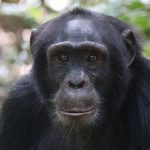
Found across Kibale Forest, Budongo Forest, Kyambura Gorge, and several other western Uganda locations, chimpanzees offer genuinely engaging tracking experiences given their complex social behavior and close genetic relationship to humans. Kibale in particular offers some of the highest chimpanzee-tracking success rates in East Africa, making it the natural starting point for most visitors pursuing this specific species.
3. Golden Monkeys
Found specifically in Mgahinga Gorilla National Park’s bamboo forest, golden monkeys offer a genuinely playful, energetic primate experience distinct from the calmer gorilla trekking encounters available in the same park. Their vivid golden-orange coat and endearingly acrobatic bamboo-climbing behavior make this a genuine highlight for travelers who add the activity onto a broader southwestern Uganda itinerary.
4. Black-and-White Colobus Monkeys
Widespread across several forest parks including Kibale and Bwindi, black-and-white colobus offer dramatic visual appeal thanks to their flowing white mantle and spectacular canopy leaping behavior. While Rwanda’s Nyungwe Forest hosts the region’s most famous super-troops, Uganda’s own colobus populations still offer genuinely rewarding viewing across multiple accessible forest locations.
5. Grey-Cheeked Mangabeys
Found particularly reliably in Kibale Forest, mangabeys offer engaging, vocally distinctive viewing alongside the park’s famous chimpanzee population, their loud whoop-gobble calls often signaling a group’s presence before any visual sighting occurs.
6. L’Hoest’s Monkeys
A genuinely elusive, ground-dwelling species found across several western forest parks, L’Hoest’s monkeys reward patient, quiet observers with their distinctive white-bearded appearance, though sightings remain an unpredictable bonus rather than a guaranteed outcome even in areas where the species is known to occur.
7. Red-Tailed Monkeys
One of Uganda’s most widely distributed and reliably spotted primates, red-tailed monkeys appear across nearly every major forest park in the country, their distinctive white nose spot making identification straightforward even for first-time visitors.
8. Vervet Monkeys
Genuinely ubiquitous across both forest and savannah habitats, vervet monkeys are among the easiest species to check off, often appearing directly around lodges and campsites, though proper etiquette around never feeding them matters for both guest safety and the animals’ own wellbeing.
9. Olive Baboons
Found throughout Uganda’s savannah parks and along many rural roadsides, olive baboons offer reliable, engaging viewing of complex troop social dynamics, making them one of the easiest checklist entries to confirm within the first day or two of almost any Uganda itinerary.
10. Patas Monkeys
Uganda’s fastest primate, found specifically in the savannah terrain of Kidepo Valley National Park, patas monkeys represent one of the harder species on this checklist given their remote habitat, requiring travelers to make the genuine journey to Uganda’s far northeast for a realistic chance at a sighting.
11. De Brazza’s Monkeys
A genuinely elusive, wetland-adapted species found in scattered locations across the Albertine Rift, De Brazza’s monkeys rank among the hardest species on this checklist to confirm, their distinctive orange beard offering the clearest identifying feature for the rare travelers lucky enough to glimpse one.
12. Blue Monkeys
Found across several of Uganda’s forest parks, blue monkeys offer another reliably spotted canopy-dwelling species, often encountered incidentally during broader forest walks and primate tracking activities. Their subtle bluish-grey coat and quiet, unobtrusive foraging behavior make them easy to overlook, but attentive observers moving slowly through mid-elevation forest trails often find blue monkeys among the more consistently encountered species on this list, particularly in Kibale and parts of Bwindi.
13. Uganda’s Bushbabies
Uganda’s nocturnal primates, several bushbaby species can be spotted on dedicated night walks in select forest locations, offering a genuinely different primate-viewing experience for travelers willing to venture out after dark. Their enormous eyes, adapted for low-light foraging, and distinctive high-pitched calls make a successful bushbaby sighting one of the more memorable, if logistically demanding, entries on this checklist, typically requiring a specifically arranged evening walk rather than appearing incidentally during standard daytime activities.
Why Uganda Hosts Such Exceptional Primate Diversity
Uganda’s position along the Albertine Rift, where several distinct forest ecosystems converge within a relatively small geographic area, explains much of this exceptional primate concentration, a combination of lowland tropical forest, montane forest, savannah, and wetland habitat all supporting different specialized species within a single country’s borders. Few other African nations offer this kind of ecological compression, making Uganda a genuinely unique destination for comprehensive primate travel.
How Long a Complete Checklist Trip Realistically Takes
Given the geographic spread required to visit Bwindi, Kibale, Kidepo, Mgahinga, and other key locations across this checklist, most serious enthusiasts need at least two to three weeks of dedicated travel time to realistically pursue all thirteen species, with even generous itineraries unlikely to guarantee every single species given the genuine unpredictability of encountering the rarer, more elusive members of this list.
Building Your Own Primate Checklist
Completing all thirteen species genuinely requires visiting multiple parks across a well-planned multi-week itinerary, since no single location hosts every species, making Uganda’s primate diversity a genuine long-term travel goal rather than something achievable in a single short visit.
Which Species Are Easiest to Confirm
Vervet monkeys, olive baboons, and red-tailed monkeys rank among the most reliably confirmed species on this checklist, given their wide distribution and generally confident behavior around human observers, while golden monkeys and mountain gorillas, though geographically restricted, offer near-certain sightings once you’ve secured the appropriate permit given their fully habituated status.
Which Species Present the Greatest Challenge
De Brazza’s monkeys, patas monkeys, and L’Hoest’s monkeys present the greatest genuine challenge on this checklist, each requiring specific habitat access, patience, and often a fair amount of luck given their elusive or geographically restricted nature. Serious checklisters should budget extra time and manage expectations accordingly for these three species specifically.
Common Questions About Completing This Checklist
Travelers frequently ask whether a single operator can realistically plan an itinerary covering all thirteen species, and yes, experienced Uganda-focused operators regularly design comprehensive primate itineraries specifically for this purpose, though achieving a full sighting of every species still depends partly on luck for the rarer entries. Visitors also ask whether combining Uganda with Rwanda expands checklist opportunities, and to some extent yes, since Rwanda’s Nyungwe Forest offers excellent colobus and additional primate viewing that complements a Uganda-focused itinerary well.
Why This Checklist Appeals to Repeat Visitors
Travelers who’ve already completed a standard gorilla trekking trip often return specifically to pursue the remaining, harder-to-find species on this checklist, turning subsequent Uganda visits into increasingly specialized, rewarding trips distinct from a typical first-time itinerary. This pattern of building toward a complete checklist across multiple trips reflects the genuine depth Uganda offers beyond its most famous single attraction.
How to Sequence a Multi-Park Checklist Itinerary Efficiently
Experienced operators typically sequence a comprehensive checklist trip to minimize backtracking, often starting in the southwest with gorillas and golden monkeys, moving through Kibale for chimpanzees and forest guenons, before concluding with the considerably longer journey to Kidepo for patas monkeys, a logical geographic flow that saves genuine travel time compared to an unplanned route.
Why Tracking Progress Across Multiple Trips Makes Sense
Given how demanding a full checklist genuinely is within a single visit, many serious enthusiasts deliberately spread their pursuit across two or three separate Uganda trips, treating each subsequent visit as a chance to target specifically the species missed previously rather than attempting an unrealistic single-trip sweep.
Why This Checklist Rewards Genuine Ecological Curiosity
Beyond the satisfaction of ticking off species, pursuing this full checklist genuinely deepens a traveler’s understanding of how Uganda’s varied ecosystems, from bamboo forest to savannah, support such radically different primate adaptations within a single country’s borders.
Planning a Primate-Focused Uganda Itinerary
Working with an experienced operator to design an itinerary specifically targeting maximum primate diversity, rather than simply the headline gorilla and chimpanzee experiences, helps serious enthusiasts progress meaningfully toward completing this remarkable thirteen-species checklist across a single well-planned trip, one that rewards genuine dedication with a truly comprehensive primate education.
Recommended Tours: 10 Days Ultimate Uganda Gorilla & Big Five Safari | 4 Days Uganda Gorilla and Chimpanzee Tour