Mount Muhabura: Climbing Rwanda’s Volcanic Border Peak
Mount Muhabura stands among the tallest and most physically demanding peaks in the Virunga volcanic range, its name meaning guide or beacon in Kinyarwanda, a reference to the peak’s visibility as a navigational landmark across the surrounding landscape for generations before it became a hiking destination. Straddling the border between Rwanda and Uganda, Muhabura offers experienced hikers a genuinely serious mountain challenge distinct from the region’s more moderate gorilla and golden monkey trekking activities. This guide covers what a Muhabura climb actually involves.
Why Muhabura Stands Out Among the Virunga Peaks
At over four thousand meters, Muhabura ranks among the higher peaks within the Virunga volcanic chain, and its relatively conical, symmetrical shape makes it visually distinctive from neighboring peaks like Bisoke or Sabyinyo, giving it a genuinely commanding presence across the wider Volcanoes National Park landscape.
What the Climb Actually Involves
A Muhabura ascent typically requires a full day of sustained, demanding hiking, climbing through changing vegetation zones from bamboo forest at lower elevations to increasingly sparse, high-altitude terrain closer to the summit, testing genuine physical endurance well beyond what standard gorilla trekking demands.
Vegetation Zones Along the Ascent
The climb passes through genuinely distinct ecological zones, starting in bamboo forest before transitioning to Afro-montane vegetation and eventually sparse, high-altitude plants near the summit, giving hikers a compressed tour of East African mountain ecology within a single day’s ascent that few other activities in the region can match.
The Summit Crater Lake
Muhabura’s summit holds a crater lake, a genuinely rewarding sight for hikers who complete the demanding ascent, offering a striking visual payoff and a place to rest before beginning the equally challenging descent back down the mountain.
How Muhabura Fits Into Volcanoes National Park’s Broader Offerings
Beyond gorilla trekking and golden monkey viewing, Volcanoes National Park’s volcano hiking program, including Muhabura, Bisoke, and the Dian Fossey grave trail, gives travelers with extra time and genuine fitness a much fuller way to experience the park’s dramatic landscape beyond primate encounters alone.
Fitness Requirements for Muhabura
Given the altitude and sustained climbing involved, Muhabura is genuinely not suited to casual hikers or those without solid prior trekking experience, and travelers considering this climb should approach it with realistic fitness preparation and honest self-assessment before booking.
Weather Conditions Near the Summit
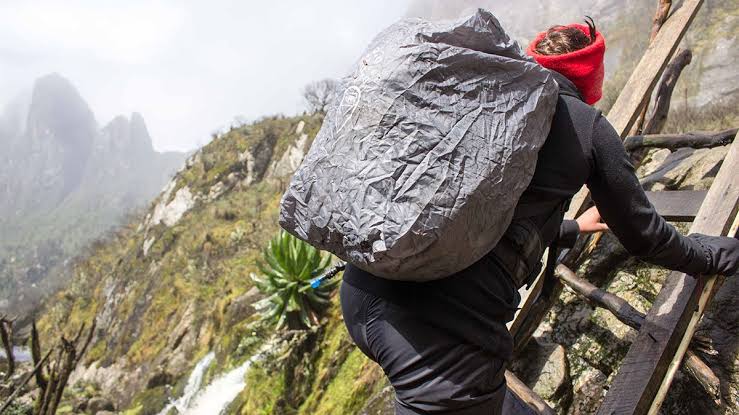
Conditions near Muhabura’s summit can shift rapidly regardless of what the morning forecast suggested at the base, with wind, cold, and cloud cover common even during the drier season months, making genuinely warm layers and reliable rain protection essential rather than optional for anyone attempting this climb.
Altitude Considerations
Reaching Muhabura’s summit elevation means genuine altitude effects become a real consideration, and hikers should acclimatize where possible, stay well hydrated, and remain alert to any symptoms of altitude sickness throughout the climb, adjusting pace accordingly rather than pushing through concerning symptoms.
Best Time of Year to Climb Muhabura
Rwanda’s dry seasons, roughly June through September and December through February, offer the firmest trail conditions for this already demanding climb, and attempting Muhabura during the wetter months adds meaningfully to the difficulty given how quickly volcanic slopes can become slippery.
What to Pack for the Climb
Proper broken-in hiking boots, layered clothing for the temperature swing between the base and summit, rain protection, and plenty of water and high-energy food are essential given the climb’s genuine physical demands and full-day duration.
Combining Muhabura With Gorilla Trekking
Many hikers combine a Muhabura climb with gorilla trekking elsewhere in Volcanoes National Park across a longer Rwanda stay, though given the physical demands of both activities, scheduling adequate recovery time between them matters genuinely for enjoying each experience fully.
What Sets a Successful Summit Attempt Apart
Hikers who reach Muhabura’s summit successfully tend to share a few common habits, pacing themselves deliberately rather than rushing early sections, staying consistently hydrated throughout, and listening genuinely to their body’s signals rather than pushing through serious discomfort. This disciplined approach, more than raw fitness alone, often determines who completes the climb comfortably and who struggles unnecessarily along the way.
Comparing Muhabura to Bisoke and Sabyinyo
Where Bisoke offers a somewhat more moderate day hike and Sabyinyo delivers the unique appeal of a three-country summit view, Muhabura’s specific draw is its sheer physical challenge and crater lake summit, appealing to hikers specifically seeking the most demanding option among the region’s volcanic peaks.
The Border Location and What It Means for Hikers
Muhabura’s position straddling the Rwanda-Uganda border reflects the broader reality of the Virunga Massif, a continuous volcanic chain that political boundaries divide but the mountains themselves ignore, and standing near the summit offers hikers a genuine sense of this shared, borderless geography even though the standard climbing route and permits are typically managed through Rwanda specifically.
What Wildlife You Might Encounter Along the Route
While Muhabura’s higher slopes see less wildlife activity than the gorilla-trekking zones lower in the park, hikers sometimes spot forest birds and other high-altitude adapted species during the ascent through changing vegetation zones, adding incidental natural interest to what remains primarily a physical endurance challenge.
Why Muhabura Appeals to Serious Hikers
Travelers who’ve already completed gorilla trekking and are specifically seeking a genuine physical challenge during a return Rwanda visit often gravitate toward Muhabura precisely because of its demanding reputation, treating the climb as a standalone mountaineering achievement rather than simply another park activity.
Guides and Porters for the Climb
Given the climb’s genuine difficulty, hiring a porter for at least part of the ascent is worth considering even for fit hikers, and experienced local guides familiar with the mountain’s specific conditions provide essential safety support and pacing guidance throughout the full-day undertaking.
Common Questions About Climbing Muhabura
Travelers frequently ask how the climb’s difficulty compares to Kilimanjaro, and while Muhabura’s single-day format and lower overall elevation make it considerably less demanding than a multi-day Kilimanjaro trek, the sustained steepness and altitude still represent a genuinely serious undertaking worth respecting rather than underestimating. Visitors also ask whether a permit is required specifically for Muhabura, and yes, climbing permits are managed separately from standard gorilla trekking permits, so confirming current requirements with your operator well before your trip matters.
Recovery After a Muhabura Climb
Given the genuine physical toll of a full-day summit attempt, planning a rest day or lighter activity immediately following a Muhabura climb helps ensure you’re not attempting another demanding activity, like gorilla trekking, while still recovering from the previous day’s exertion.
Why Muhabura’s Name Reflects Its Historical Role
Long before hikers began summiting Muhabura for recreation, the mountain served as a genuine navigational landmark for communities across the surrounding region, its distinctive visibility from great distances giving rise to the name that translates roughly to guide or beacon, a history that adds meaningful cultural context to the modern climbing experience.
How Mental Preparation Matters as Much as Physical Fitness
Beyond raw physical conditioning, hikers who approach Muhabura with genuine mental readiness for a long, sustained effort, rather than expecting a quick, straightforward hike, consistently report a considerably more manageable and rewarding experience than those caught off guard by the climb’s true demands.
Why This Climb Rewards Careful Advance Research
Given how genuinely demanding Muhabura proves relative to other regional activities, travelers who research the climb thoroughly beforehand, understanding the altitude, duration, and terrain honestly, arrive considerably better prepared than those who underestimate it based on Rwanda’s generally moderate reputation for tourism activities.
How Muhabura’s Symmetry Sets It Apart Visually
Compared to Sabyinyo’s jagged, multi-peaked profile, Muhabura’s smooth, conical shape gives it a genuinely distinctive silhouette across the Volcanoes National Park landscape, often making it the most immediately recognizable peak to travelers viewing the range from a distance.
Why This Climb Suits Only the Most Committed Travelers
Given its combination of altitude, distance, and sustained steepness, Muhabura genuinely suits only travelers willing to commit to serious pre-trip physical preparation, distinguishing it clearly from more moderate activities like standard gorilla trekking or even Bisoke’s comparatively gentler ascent.
How This Achievement Compares to Other East African Peaks
While falling short of Kilimanjaro’s scale, Muhabura’s single-day intensity offers a genuinely different kind of challenge, concentrated physical demand rather than sustained multi-day endurance, appealing specifically to hikers who prefer an intense one-day push over an extended expedition.
Why Local Guides Bring Essential Value to This Specific Climb
Given Muhabura’s genuinely demanding terrain and rapidly shifting summit weather, experienced local guides provide considerably more than route-finding, offering real-time pacing advice and safety judgment that meaningfully improves both the climb’s safety and its overall success rate.
Planning Your Muhabura Climb
Working with an experienced operator to confirm current permit requirements, realistic fitness preparation, and appropriate guiding support ensures you’re genuinely ready for this demanding but rewarding addition to your Rwanda itinerary, one that stands among the most physically significant achievements available anywhere in the region, and a story worth telling long after the muscles have recovered.
Recommended Tours: 7 Days Classic Rwanda Safari | 3 Days Bwindi Gorilla Trekking Safari