Kyambura Gorge: Tracking Chimps in Uganda’s ‘Valley of Apes’
Kyambura Gorge earns its evocative nickname, the Valley of Apes, from its genuinely dramatic setting, a deep, sunken rainforest ravine cutting through Queen Elizabeth National Park’s otherwise open savannah landscape, creating an isolated pocket of dense forest habitat where a small, resilient chimpanzee community makes its home. This striking geographic contrast between surrounding grassland and hidden forest gorge makes Kyambura one of Uganda’s most visually distinctive chimpanzee tracking destinations. This guide covers what makes the gorge special and what a tracking day involves.
What Makes Kyambura Gorge Geologically Unique
Formed by the Kyambura River cutting a deep channel through the surrounding savannah over thousands of years, the gorge creates a genuinely striking microclimate, a lush, humid rainforest pocket sunk well below the surrounding plains, supporting forest vegetation and wildlife entirely different from the open grassland just meters above the gorge’s rim.
What Sets Kyambura Apart From Other Gorge Ecosystems
While sunken forest ravines exist elsewhere in East Africa, Kyambura’s specific combination of accessible location within an established national park, resident chimpanzee population, and genuinely dramatic visual contrast with its savannah surroundings makes it a distinctive, relatively rare ecological feature worth appreciating on its own scientific and geographic merits alone.
The Chimpanzee Community Within the Gorge
Kyambura’s chimpanzee population is considerably smaller than Kibale’s, reflecting the gorge’s genuinely limited forest habitat compared to Uganda’s larger forest reserves, making tracking here a somewhat more intimate, though also less certain, experience given the smaller community size and correspondingly reduced sighting odds.
Descending Into the Gorge
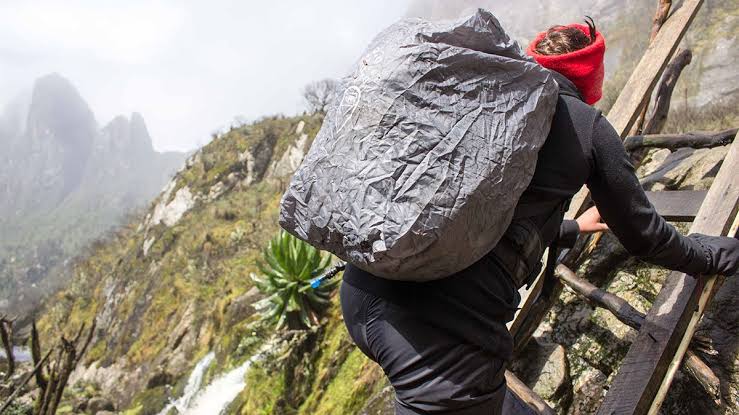
A Kyambura trek begins with a genuinely striking physical transition, descending from the open savannah rim down into the gorge’s cooler, denser forest interior, a descent that immediately signals you’ve entered an entirely different ecosystem within the same broader park.
What a Kyambura Trekking Day Involves
Like other Uganda chimpanzee tracking destinations, a Kyambura trek follows rangers into the forest in search of the resident community, though the gorge’s confined, well-defined geography means the search area itself is considerably more contained than Kibale’s expansive forest.
Combining Kyambura With Queen Elizabeth National Park
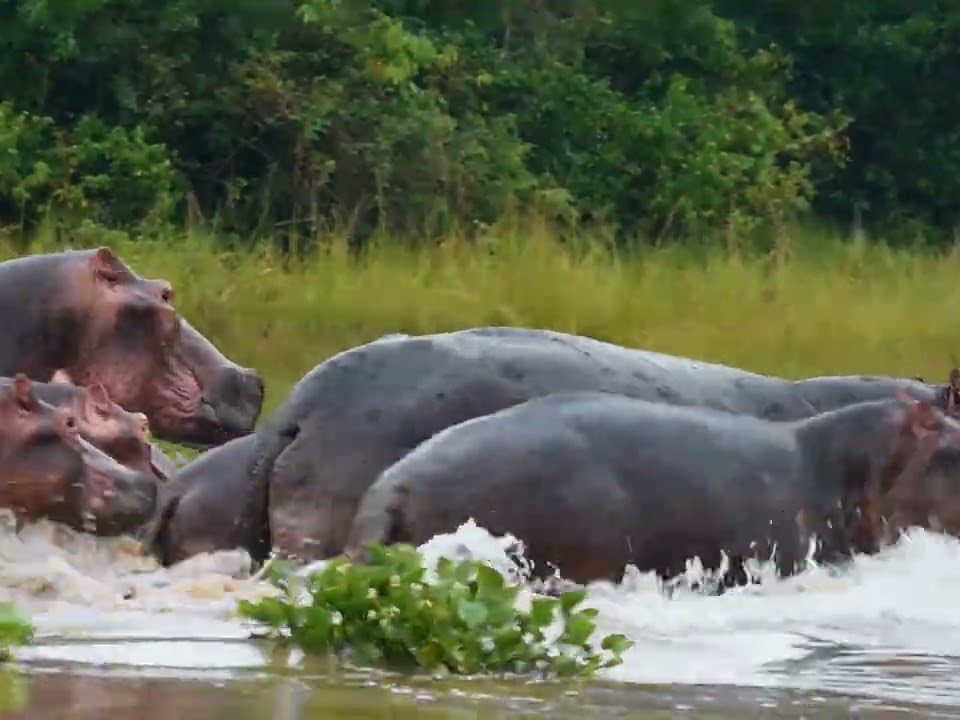
Kyambura’s location within Queen Elizabeth National Park makes it a genuinely convenient addition to a broader savannah safari itinerary, allowing travelers to combine chimpanzee tracking with the park’s renowned game drives and Kazinga Channel boat cruises within a single, efficient stop.
Managing Expectations for Kyambura Tracking
Given the smaller community size, Kyambura’s chimpanzee tracking success rate runs somewhat lower than Kibale’s, and travelers should approach a Kyambura trek with realistic expectations, treating a successful sighting as a genuine reward rather than a guaranteed outcome.
Other Wildlife Within the Gorge
Beyond chimpanzees, Kyambura’s forest habitat supports various other species adapted to this unique sunken ecosystem, including numerous bird species and other primates, adding genuine wildlife diversity to a trek even on days when chimpanzee sightings prove elusive.
How Local Names Reflect the Gorge’s Character
The Valley of Apes nickname didn’t emerge from tourism marketing but reflects genuine local recognition of the gorge’s distinctive character, a place where the surrounding community has long understood this sunken forest as fundamentally different from the open savannah landscape defining the rest of the region, home to primates and forest life that simply couldn’t survive on the plains above.
Why the Gorge’s Setting Makes It Worth Visiting Regardless
Even setting aside chimpanzee tracking specifically, Kyambura Gorge’s genuinely dramatic landscape, the sheer visual contrast between savannah rim and forest floor, makes the experience worthwhile for travelers who appreciate distinctive geography alongside wildlife viewing.
What Time of Day Works Best for Kyambura Tracking
As with chimpanzee tracking elsewhere, early morning departures generally offer the best odds within Kyambura’s confined gorge habitat, catching the community during its most active period before the day’s heat sets in, a timing principle that applies just as much here as at Kibale despite the gorge’s considerably smaller overall search area.
Practical Considerations for Visiting Kyambura
The gorge’s descent and ascent add genuine physical demand beyond flat forest walking elsewhere, and travelers should pack proper footwear and prepare for a moderately demanding day given the elevation change involved in reaching and leaving the gorge floor.
How Kyambura Gorge Formed Over Time
The gorge’s dramatic geological history stretches back thousands of years, with the Kyambura River gradually carving deeper into the surrounding volcanic terrain, creating the steep-walled ravine visitors descend into today. This slow geological process left behind a genuinely isolated forest ecosystem, cut off enough from the surrounding savannah to develop its own distinct microclimate and supporting vegetation.
Why the Community Remains Genuinely Small
The gorge’s naturally limited forest area imposes a genuine ecological ceiling on how large the resident chimpanzee community can grow, unlike Kibale’s far more extensive forest habitat, which supports considerably larger overall chimpanzee numbers. This natural constraint is simply a feature of the gorge’s unique, confined geography rather than any sign of population distress.
What Makes the Descent Itself Memorable
Many visitors describe the physical descent into Kyambura Gorge as a genuinely memorable part of the experience in its own right, the temperature dropping, humidity rising, and forest sounds replacing savannah silence within just a few minutes of walking, a sensory transition unlike almost anything else available on a standard Uganda safari itinerary.
Birding Within the Gorge
Beyond primates, Kyambura’s forest interior supports a genuinely notable range of bird species drawn to its unique, moisture-rich habitat, making the gorge worth exploring even for travelers whose primary safari focus remains firmly on Queen Elizabeth’s savannah wildlife rather than forest primates specifically.
Common Questions About Kyambura Gorge Tracking
Travelers frequently ask whether Kyambura’s lower success rate makes the trek not worth attempting, and most operators would disagree, since the gorge’s genuinely dramatic setting and broader wildlife offer real value even on the occasions a chimpanzee sighting doesn’t materialize. Visitors also ask whether Kyambura tracking requires a separate permit from standard Queen Elizabeth game drive activities, and yes, chimpanzee tracking here is booked as its own distinct activity alongside, rather than included within, standard park entry fees.
How Kyambura Compares to the Park’s Other Famous Feature
Queen Elizabeth National Park is perhaps best known for its tree-climbing lions and Kazinga Channel boat cruises, and Kyambura Gorge offers a genuinely valuable point of contrast within the same broader park, proving that this destination’s appeal extends well beyond its savannah wildlife into genuinely distinctive forest ecosystems as well.
Why Photographers Find the Gorge Rewarding
Beyond chimpanzee photography itself, the gorge’s dramatic transition zones, where forest meets savannah rim, and its rich green interior contrasted against Queen Elizabeth’s golden grassland, offer genuinely striking landscape photography opportunities distinct from anything else available within the park.
How This Destination Suits Travelers With Limited Extra Time
Given its convenient location directly within Queen Elizabeth National Park, Kyambura genuinely suits travelers unable to justify a separate Kibale detour, delivering a meaningful chimpanzee tracking opportunity without requiring significant additional itinerary restructuring.
Why the Contrast With Surrounding Savannah Wildlife Feels So Striking
Having spent a morning watching lions and elephants across Queen Elizabeth’s open plains, travelers who then descend into Kyambura’s cool, dense forest interior consistently describe the shift as one of the most jarring, memorable transitions available on any single Uganda safari day.
How This Trek Rewards Travelers Who Value Unique Geography
Beyond the wildlife itself, travelers with a genuine appreciation for distinctive landscapes find Kyambura’s sunken gorge structure worth the visit on geographic merit alone, a compelling reminder that Uganda’s safari appeal extends well beyond its more famous savannah scenery.
Why This Ecosystem Illustrates Broader East African Geology
Kyambura Gorge offers travelers a genuinely tangible, visible example of how river erosion can carve dramatically different microhabitats into an otherwise uniform landscape, a lesson in East African geology that few other single stops on a standard safari make quite so visually apparent.
Standing at the gorge’s rim, looking down into the forest canopy below, provides a genuinely immediate visual understanding of this process that no textbook description could fully convey.
How This Trek Fits Travelers Building a Complete Queen Elizabeth Itinerary
Travelers who dedicate time to Kyambura Gorge alongside the park’s more famous savannah and channel activities come away with a genuinely fuller appreciation of just how ecologically diverse this single national park actually is.
Why Local Guides Add Genuine Value at Kyambura Specifically
Given the gorge’s smaller, less extensively documented chimpanzee community compared to Kibale, experienced local guides bring genuinely essential tracking knowledge, helping visitors understand the community’s specific patterns within this uniquely confined habitat.
Planning Your Kyambura Gorge Visit
Working with an experienced operator to build Kyambura into a broader Queen Elizabeth National Park itinerary offers a genuinely distinctive addition to your Uganda safari, combining chimpanzee tracking with one of the country’s most visually striking landscapes and a genuinely memorable sensory contrast within a single day that few other stops on a standard itinerary can match, one you’ll likely mention long after the trip ends.
Recommended Tours: 10 Days Ultimate Uganda Gorilla & Big Five Safari | 5 Days Uganda Wildlife and Gorilla Trekking Tour