Lake Manyara National Park: Tree-Climbing Lions and the Rift Valley Wall
Lake Manyara National Park holds a genuinely unique claim to fame among Tanzania’s safari destinations, home to one of Africa’s few documented populations of tree-climbing lions, an unusual behavioral quirk that draws wildlife enthusiasts specifically hoping to spot lions lounging in acacia branches rather than sprawled across open grassland. Set beneath the dramatic Great Rift Valley escarpment and bordering the alkaline waters of Lake Manyara itself, the park packs genuine scenic and wildlife diversity into a compact area. This guide covers what makes Manyara worth visiting, from its famous lions through to the dramatic geology shaping the landscape around them.
The Mystery of Tree-Climbing Lions
While lions climbing trees occurs occasionally elsewhere in Africa, Manyara’s population displays this behavior with genuinely unusual regularity, and researchers have proposed several theories, escaping biting insects, seeking cooler temperatures, or simply better vantage points for spotting prey, though no single explanation has been definitively confirmed.
The Dramatic Rift Valley Escarpment
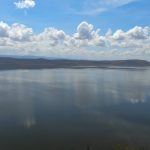
Lake Manyara sits directly beneath the towering Great Rift Valley wall, creating a genuinely dramatic scenic backdrop for game drives, with the escarpment rising sharply from the lake’s shores and surrounding woodland.
How the Rift Valley Shaped This Landscape
Manyara’s dramatic setting owes its existence to the same tectonic forces that created the broader Great Rift Valley system running through East Africa, with the lake itself occupying a fault-formed basin at the base of the escarpment, geology visitors can genuinely appreciate as they trace the wall’s sharp rise from the valley floor.
Lake Manyara’s Flamingo Populations
The park’s alkaline lake attracts substantial flamingo populations during certain seasons, creating genuinely spectacular pink-tinged shoreline scenes that rank among Tanzania’s most photographed birding spectacles.
A Genuinely Diverse Ecosystem in a Compact Space
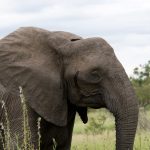
Despite its relatively modest size, Manyara packs groundwater forest, acacia woodland, and open grassland into a single compact park, supporting genuinely varied wildlife including elephants, buffalo, and numerous primate species alongside its famous lions.
Why Manyara Works Well as a Northern Circuit Addition
Manyara’s convenient position along the standard route between Arusha and the Serengeti or Ngorongoro Crater makes it easy to add without significant additional travel, offering genuine value within a broader northern Tanzania itinerary.
Best Time to Visit Lake Manyara
The park rewards visits across much of the year, with flamingo populations varying seasonally based on water levels, and the dry season generally offering somewhat easier wildlife spotting through less dense vegetation.
Canoeing on Lake Manyara
Some visitors add a canoeing activity on the lake itself during certain water conditions, offering a genuinely distinctive perspective on the park’s birdlife and scenery from the water.
The Groundwater Forest
Manyara’s distinctive groundwater forest, fed by underground springs rather than surface rainfall, creates a genuinely lush habitat supporting elephants and primates in a setting quite different from the more typical dry savannah found elsewhere on the northern circuit.
Why Manyara Suits Travelers With Limited Time
Given its compact size and convenient location, Manyara offers genuinely rewarding wildlife viewing within a shorter visit than larger parks require, making it well suited to travelers building an efficient northern circuit itinerary.
Where to Spot the Tree-Climbing Lions
The park’s acacia woodland sections, particularly areas with mature, sturdy trees capable of supporting an adult lion’s weight, offer the best chances of spotting this famous behavior, though sightings remain genuinely unpredictable and shouldn’t be treated as guaranteed regardless of how much time you spend searching.
Other Big Cats Within Manyara
Beyond its famous tree-climbing lions, Manyara also supports leopard populations, though their genuinely elusive, well-camouflaged nature makes sightings considerably less common than the more visible lion population.
Why This Behavior Genuinely Puzzles Researchers
Despite decades of study, no single explanation for Manyara’s tree-climbing lions has achieved full scientific consensus, and this genuine ongoing mystery adds an intellectually engaging dimension to any sighting, transforming a simple photo opportunity into a small window onto unresolved behavioral science.
How the Park’s Varied Vegetation Zones Shape Game Drive Routing
Given Manyara’s genuinely compact combination of forest, woodland, and grassland, experienced guides plan routes deliberately to maximize exposure across all three habitat types within a single drive, since each supports genuinely different wildlife likely to be encountered nowhere else in the park.
Why Elephants Thrive in Manyara’s Groundwater Forest
The forest’s consistent year-round water and vegetation availability, independent of rainfall, genuinely supports a healthy resident elephant population that remains less affected by seasonal drought than elephants relying on more typical surface water sources elsewhere.
How This Park Compares to Ngorongoro and Serengeti in Pacing
Unlike the vast distances covered exploring Serengeti or the crater’s dramatic scale, Manyara’s genuinely compact layout allows for a considerably more relaxed, unhurried game drive pace within a single well-planned morning or afternoon.
Common Questions About Visiting Lake Manyara
Travelers frequently ask whether tree-climbing lion sightings are guaranteed, and honestly, no wildlife behavior can ever be fully guaranteed, and visitors should approach a Manyara visit appreciating the park’s broader wildlife and scenery rather than fixating exclusively on this specific behavioral quirk. Visitors also ask how flamingo numbers vary by season, and populations fluctuate considerably based on water levels and algae availability, meaning checking current conditions with your operator closer to your travel dates offers the most accurate picture.
Why Manyara Rewards a Slower Pace
Given its compact size, Manyara sometimes gets treated as a quick pass-through stop on northern circuit itineraries, but travelers who allocate genuine time here, rather than rushing through, consistently report richer sightings and a fuller appreciation of the park’s genuinely varied habitat and scenery.
Why Photography of Tree-Climbing Lions Rewards Genuine Patience
Given how genuinely unpredictable this specific behavior remains, photographers who allocate extended time scanning suitable acacia trees rather than expecting an immediate sighting consistently improve their odds of capturing this genuinely rare image.
How This Park Fits a Broader Northern Circuit Itinerary
Most travelers combine Manyara with Ngorongoro Crater and the Serengeti within a single northern Tanzania loop, using Manyara’s convenient positioning to add genuine variety without requiring significant additional travel time.
Why Local Guides Bring Genuine Value to This Specific Search
Given how specifically this behavior concentrates around particular tree structures and locations, experienced Manyara guides develop genuinely detailed knowledge of recent lion activity, expertise that considerably improves realistic sighting odds compared to random searching.
How This Destination Suits Travelers With a Genuine Interest in Geology
Beyond wildlife alone, Manyara’s dramatic escarpment offers travelers curious about East Africa’s geological history a genuinely tangible, visible example of the tectonic forces shaping the broader Rift Valley system.
Why This Park Rewards Travelers Who Value Variety Within a Single Stop
Few parks anywhere combine forest, woodland, grassland, and lake habitat within such a genuinely compact area, making Manyara a rewarding stop for travelers who appreciate ecological diversity condensed into an efficient visit.
Why This Sighting Rewards a Genuinely Open-Minded Traveler
Approaching a tree-climbing lion search with realistic expectations, appreciating the park’s broader wildlife and scenery regardless of the specific behavior’s outcome, helps travelers enjoy Manyara fully rather than measuring the visit purely against a single hoped-for sighting.
How This Destination Reflects Tanzania’s Broader Ecological Range
Manyara genuinely illustrates just how much ecological variety Tanzania’s northern circuit packs into a relatively compact geographic area, from this park’s forest and lake through to the Serengeti’s endless plains just a short drive away.
Why This Park Deserves More Than a Brief Pass-Through Stop
Given its genuine combination of unique lion behavior, dramatic geology, and rich birdlife, Manyara deserves deliberate scheduling within a northern circuit itinerary rather than treating it as a quick rest stop between more famous destinations.
Why This Sighting Stays Memorable Precisely Because It’s Unusual
Given how genuinely rare tree-climbing lion behavior remains even within Manyara specifically, travelers who witness it firsthand consistently describe the moment as disproportionately memorable relative to how briefly it might last.
How This Destination Fits Travelers With Limited Northern Circuit Time
Given its compact size and efficient wildlife viewing, Manyara genuinely suits travelers with a tighter overall northern Tanzania schedule who still want genuine diversity without sacrificing significant additional days.
Why This Park Rewards Genuine Curiosity About Unresolved Science
Travelers who approach the tree-climbing lion mystery with genuine intellectual curiosity, rather than treating it as a simple photo checklist item, find the ongoing scientific debate itself adds considerable interest regardless of whether a sighting occurs.
Why This Destination Deserves Serious Consideration Beyond a Footnote
Given the genuine combination of unique behavior, dramatic scenery, and ecological compactness, Manyara deserves standing as a genuine destination in its own right rather than a minor stop mentioned only in passing.
Planning Your Lake Manyara Visit
Working with an experienced operator to include Manyara within your broader northern Tanzania route ensures you don’t miss this genuinely distinctive park’s unique combination of tree-climbing lions, flamingos, and dramatic Rift Valley scenery during your East Africa safari, turning a brief drive-through into a genuinely worthwhile standalone stop.
Recommended Tours: 12-Day Uganda Gorilla Tours and Kenya Great Migration Safaris | 10 Days Ultimate Uganda Gorilla & Big Five Safari