Tarangire National Park: Baobabs, Elephants and Tanzania’s Underrated Dry-Season Gem
Tarangire National Park delivers some of Tanzania’s most dramatic dry-season wildlife concentrations, drawing massive elephant herds and diverse game to the Tarangire River’s shrinking water sources against a genuinely iconic backdrop of ancient, sprawling baobab trees. Despite sitting on the well-traveled northern circuit alongside the Serengeti and Ngorongoro Crater, Tarangire remains genuinely underrated relative to the wildlife spectacle it consistently delivers during peak dry season. This guide covers what makes Tarangire worth prioritizing.
Tarangire’s Massive Elephant Herds
Tarangire hosts some of Tanzania’s largest elephant herds, with groups numbering in the hundreds gathering around the Tarangire River during the dry season, creating genuinely spectacular viewing that rivals any elephant destination in East Africa.
The Iconic Baobab Landscape
Tarangire’s landscape features some of Tanzania’s most impressive baobab trees, ancient, sprawling specimens scattered across the savannah that create genuinely iconic photography backdrops found in relative abundance nowhere else on the northern circuit.
Why the Dry Season Transforms Tarangire
During the dry season, roughly June through October, the Tarangire River becomes an increasingly critical water source, drawing wildlife from across the wider ecosystem and concentrating genuinely spectacular game viewing that rivals or exceeds the Serengeti during this specific period.
Tarangire’s Genuine Diversity Beyond Elephants
Beyond its famous elephant herds, Tarangire supports a wide range of wildlife including lions, leopards, and an impressive diversity of antelope species, alongside exceptional birdlife, making it a genuinely well-rounded safari destination beyond its headline elephant reputation.
Why Tarangire Sees Fewer Visitors Than the Serengeti
Despite its remarkable wildlife, Tarangire receives considerably fewer visitors than the Serengeti or Ngorongoro Crater, largely a function of the northern circuit’s marketing emphasis on the Great Migration, leaving Tarangire genuinely underappreciated relative to its actual wildlife value.
Best Time to Visit Tarangire
While Tarangire rewards visits across much of the year, the dry season delivers by far the most dramatic wildlife concentrations, making June through October the optimal window for travelers specifically prioritizing peak game viewing.
Combining Tarangire With the Northern Circuit
Tarangire’s convenient position along the standard northern circuit route makes it easy to combine with Lake Manyara, Ngorongoro Crater, and the Serengeti within a single, well-planned Tanzania itinerary, adding genuine value without significant additional travel.
Night Game Drives and Walking Safaris
Several Tarangire properties offer night game drives and guided walking safaris, activities more restricted at some of Tanzania’s other major parks, giving visitors here genuinely broader ways to experience the landscape beyond standard daytime vehicle-based viewing alone.
Tarangire’s Bird Diversity
Tarangire hosts genuinely exceptional birdlife, with numerous species drawn to the river and surrounding habitat, making it a worthwhile stop for birders alongside travelers primarily focused on mammal viewing.
Accommodation Options in Tarangire
Tarangire offers a range of genuinely excellent lodges and camps, several positioned with direct views over the river and its dry-season wildlife concentrations, providing exceptional game viewing directly from camp.
Why Tarangire Deserves Higher Priority on Your Itinerary
Travelers building a northern Tanzania itinerary should genuinely consider giving Tarangire more time than its secondary billing on many standard itineraries suggests, particularly for dry-season visits when its wildlife spectacle can match or exceed the more famous parks nearby.
How Tarangire’s Elephant Herds Compare Regionally
Tarangire’s dry-season elephant concentrations genuinely rival Amboseli or even parts of southern Africa’s famous elephant destinations, a fact that surprises many travelers who arrive expecting Tarangire to be a secondary stop rather than a genuine headline elephant-viewing destination in its own right.
The Baobabs’ Genuine Age and Significance
Many of Tarangire’s most striking baobab trees are genuinely ancient, some estimated at centuries old, serving as both dramatic landscape features and important ecological resources, their trunks storing water that elephants sometimes access during the driest months, creating a genuinely fascinating interaction between the park’s iconic tree and its most famous mammal.
Why Elephants and Baobabs Share Such a Close Relationship
Beyond simply standing near baobabs for shade, Tarangire’s elephants sometimes strip bark from these ancient trees during the driest months to access stored moisture, a behavior that occasionally damages individual trees but reflects genuine survival pressure during the harshest stretches of the dry season.
How Tarangire’s Termite Mounds Shape the Landscape
Scattered across Tarangire’s savannah, large termite mounds create genuinely distinctive landscape features that also serve as vantage points for smaller predators and various bird species, adding another layer of ecological interest to game drives beyond the park’s headline mammals.
Why the Silale Swamp Rewards a Dedicated Visit
Tarangire’s Silale Swamp area offers genuinely different scenery and wildlife concentration than the drier plains elsewhere in the park, particularly rewarding for birders and travelers interested in a wetter habitat contrast within the same reserve.
How Tarangire’s Predator Populations Compare to Its Fame
While overshadowed by its elephant reputation, Tarangire genuinely supports healthy lion and leopard populations, along with occasional cheetah sightings, making predator viewing here considerably more rewarding than the park’s secondary billing might suggest.
Common Questions About Visiting Tarangire
Travelers frequently ask whether Tarangire is worth visiting outside the dry season, and while the wildlife concentration is less dramatic during wetter months, the park still offers genuinely rewarding game viewing and considerably fewer crowds, appealing to travelers prioritizing a quieter experience over peak concentration. Visitors also ask how many days to allocate for Tarangire, and most itineraries recommend at least two nights to fully appreciate the park’s dry-season wildlife spectacle rather than treating it as a brief single-day stop.
Why Tarangire Rewards a Longer Stay
Travelers who allocate genuine time to Tarangire, rather than treating it as a quick stop between other northern circuit destinations, consistently report richer wildlife encounters and a fuller appreciation of the park’s underrated status relative to its more heavily marketed neighbors.
How This Park Rewards Photographers Specifically
The combination of massive elephant herds, ancient baobabs, and warm dry-season light creates genuinely exceptional photography conditions that many visiting photographers rank among the best available anywhere on the northern circuit.
Why This Park Suits Travelers Seeking a Quieter Alternative
Given its comparatively lower visitor numbers even during peak season, Tarangire offers travelers a genuinely less congested alternative to the Serengeti’s more crowded migration-season viewing, without sacrificing wildlife quality.
How Tarangire’s Underground Water Table Sustains the Dry Season
Beneath the visible riverbed, Tarangire’s underground water table sustains vegetation and smaller water sources even when the main river’s surface flow diminishes considerably, a hydrological feature that helps explain why wildlife concentrations here remain so reliable during the driest months of the year.
Elephants in particular have learned to dig into dry riverbeds to access this underground water, a genuinely fascinating behavior that guides sometimes point out directly during dry-season game drives.
How Tarangire’s Migratory Wildlife Patterns Work
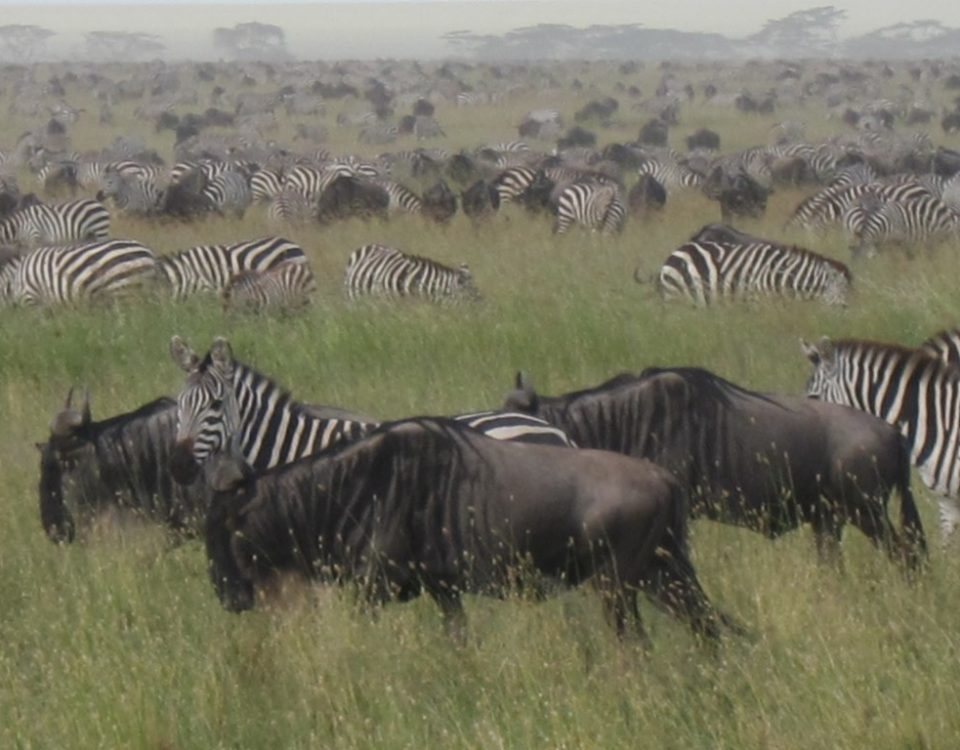
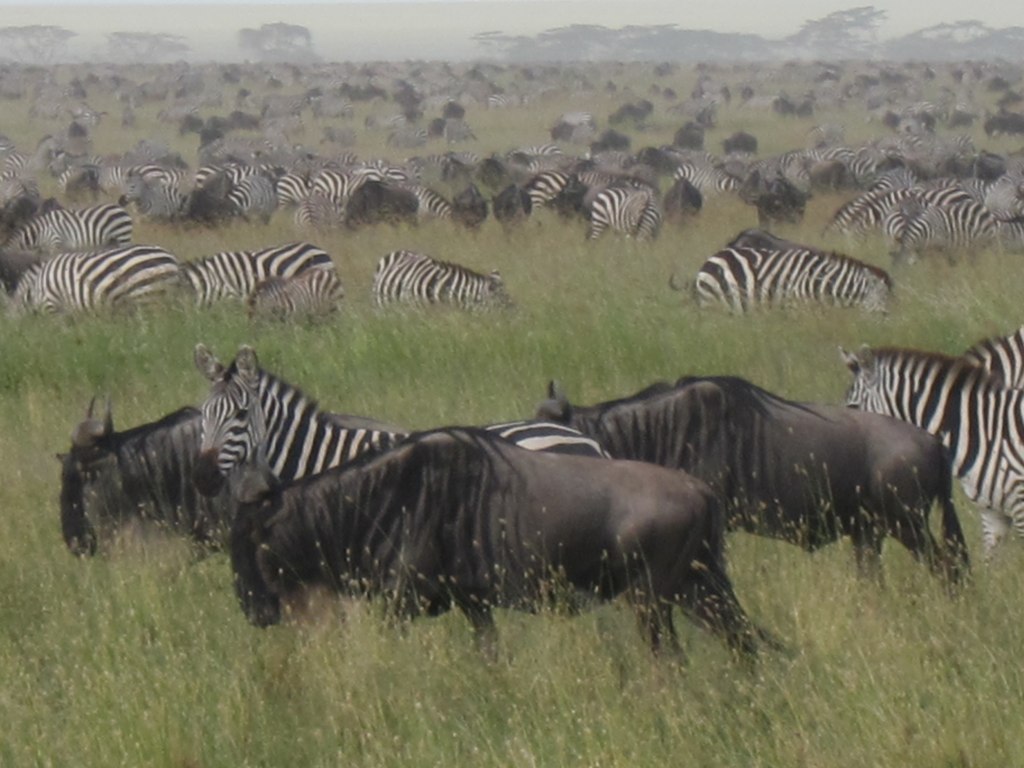
Beyond its resident elephant herds, Tarangire hosts a genuine seasonal migration of wildebeest and zebra between the park and surrounding dispersal areas, a smaller-scale echo of the more famous Serengeti migration that adds real dynamism to the park’s wildlife patterns across the year.
Why Tarangire’s Vegetation Zones Support Such Wildlife Diversity
The park’s mix of acacia woodland, seasonal swamps, and open grassland creates genuinely varied habitat niches, supporting different species assemblages across relatively short distances and rewarding travelers who explore multiple zones within a single visit.
How Community Conservation Areas Extend Tarangire’s Ecosystem
Surrounding community-managed conservation areas genuinely extend Tarangire’s effective wildlife range beyond the park’s official boundaries, supporting the same migratory herds while also providing direct economic benefit to local communities through conservation-linked tourism revenue.
Why Sunset Game Drives in Tarangire Feel Genuinely Distinctive
The combination of golden-hour light filtering through ancient baobab silhouettes and elephant herds moving toward evening water sources creates some of the most genuinely memorable sunset game drive scenery available anywhere on the northern circuit.
Why Tarangire Makes a Genuinely Strong Closing Stop on a Northern Circuit Trip
Travelers who schedule Tarangire toward the end of a broader northern circuit itinerary, rather than as a rushed opening stop, often find its dry-season elephant spectacle provides a genuinely fitting, memorable closing chapter before departing Tanzania.
Why Guides Recommend Pairing Morning and Evening Drives
Given how much wildlife activity shifts between the cooler morning hours and the golden light of late afternoon, experienced guides genuinely recommend scheduling both a morning and an evening drive during your Tarangire stay rather than consolidating into a single midday outing that would miss the park’s most active wildlife periods.
Why This Park Continues Earning Greater International Recognition
As more photographers and repeat safari travelers share their Tarangire experiences, the park’s genuine reputation continues to climb, and industry observers increasingly expect it to receive far more prominent billing on standard northern circuit itineraries in coming years.
Planning Your Tarangire Safari
Working with an experienced operator to prioritize Tarangire appropriately within your broader Tanzania itinerary ensures you don’t miss one of the northern circuit’s most genuinely rewarding dry-season destinations during your East Africa safari, a park whose reputation continues to grow among travelers who genuinely prioritize wildlife density over headline name recognition.
Recommended Tours: 12-Day Uganda Gorilla Tours and Kenya Great Migration Safaris | 10 Days Ultimate Uganda Gorilla & Big Five Safari