

African Forest Elephants: Where and When to See Them in East Africa
African forest elephants represent a genuinely distinct species from their better-known savannah relatives, smaller, more elusive, and specifically adapted to dense forest habitat, making sightings considerably rarer and more unpredictable than typical savannah elephant encounters. Understanding where East Africa’s forest-edge parks offer realistic forest elephant viewing, and how this species differs from savannah elephants, helps set accurate expectations. This guide covers where and when to look, along with the genuine scientific story behind this species’ recent recognition as distinct.
A Genuinely Distinct Species
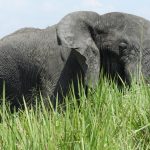
Scientific research has established forest elephants as a genuinely separate species from savannah elephants, not simply a variant, distinguished by smaller size, straighter tusks, and rounder ears adapted to their dense forest habitat.
Semuliki National Park, Uganda
Semuliki National Park’s lowland forest habitat, part of the broader Congo Basin ecosystem extending into Uganda, offers one of the more realistic East Africa locations for potential forest elephant sightings, given the park’s genuine ecological connection to Central African forest elephant range.
Kibale Forest, Uganda
Kibale’s forest habitat occasionally hosts forest elephant sightings, though these remain considerably less predictable than the park’s famous chimpanzee tracking, given elephants’ naturally elusive forest behavior.
Why Forest Elephants Are So Difficult to Spot
Forest elephants’ genuinely shy, retiring behavior within dense vegetation makes sightings considerably less predictable than savannah elephant viewing, often limited to brief glimpses or indirect signs like fresh tracks and feeding damage rather than extended, clear viewing.
Physical Differences From Savannah Elephants
Beyond size, forest elephants display genuinely distinct physical characteristics, straighter, downward-pointing tusks suited to forest navigation, and generally darker skin coloring compared to their savannah counterparts.
Best Time of Year for Forest Elephant Sightings
Given their unpredictable, forest-dependent behavior, no specific season dramatically improves sighting odds, though drier periods sometimes concentrate elephants around remaining forest water sources.
Why Sightings Remain Genuinely Rare
Even experienced forest guides describe forest elephant sightings as a genuine bonus rather than an expected outcome, making this species one of the more elusive potential encounters available within East Africa’s forest parks.
What Guides Look For When Searching
Experienced western Uganda guides know to check specific forest clearings, mineral licks, and water sources where forest elephants are more likely to emerge briefly from dense cover, using accumulated local knowledge to improve the genuinely modest odds of a sighting during any given forest walk.
The Ecological Role of Forest Elephants
Forest elephants play a genuinely critical ecological role as seed dispersers within Congo Basin forest ecosystems, some tree species depending specifically on passage through an elephant’s digestive system for successful germination.
Conservation Status
Forest elephants face genuine conservation concern, with population declines linked to poaching and habitat loss across their Central African range, making protected forest areas increasingly important for the species’ survival.
Why Genetic Research Confirmed Two Distinct Species
Genetic studies over recent decades revealed that forest and savannah elephants diverged evolutionarily millions of years ago, a genetic distance comparable to that separating distinct species elsewhere in the animal kingdom, settling what had previously been debated as simply a regional variant into formal recognition as two genuinely separate species.
How Forest Elephants Navigate Dense Habitat
Forest elephants’ smaller size and more compact build genuinely suit navigating dense forest undergrowth more efficiently than a larger savannah elephant could manage, an evolutionary adaptation directly shaped by their specific habitat over countless generations.
Why Forest Elephants Earn the Title ‘Gardeners of the Forest’
Beyond simple seed dispersal, forest elephants genuinely shape entire forest structure through their feeding and movement patterns, creating clearings and pathways that benefit countless other species, an ecological role so significant that researchers have taken to calling them the gardeners of the Congo Basin forest.
How Forest Elephant Social Structure Differs From Savannah Herds
Forest elephants typically form genuinely smaller family groups than their savannah relatives, a social adaptation that likely reflects the more limited resource availability and denser cover characteristic of forest habitat compared to open savannah grazing conditions.
Why Camera Traps Have Improved Understanding of This Species
Given how difficult direct observation proves, camera trap studies across Central African forest habitat have offered researchers genuinely valuable insight into forest elephant behavior and population trends, data that traditional field observation within dense forest simply couldn’t reliably capture.
How This Species Connects Uganda to the Broader Congo Basin
Semuliki’s genuine ecological continuity with the wider Democratic Republic of Congo forest system explains why this specific park offers Uganda’s best realistic forest elephant habitat, a direct link to a species otherwise centered much further west across the broader Congo Basin.
Common Questions About Forest Elephant Sightings
Travelers frequently ask whether any East Africa location offers genuinely reliable forest elephant viewing comparable to savannah elephant game drives, and honestly, no, this species’ behavior and Central African range center mean East Africa offers only edge-of-range, opportunistic sighting possibilities rather than dependable viewing. Visitors also ask whether forest elephant signs, like tracks or feeding damage, count as a meaningful wildlife experience even without a direct sighting, and many naturalists would say genuinely yes, since interpreting these signs offers real insight into the animal’s presence and behavior.
Why This Species Deserves Attention Despite Rarity
Even without a guaranteed sighting, understanding forest elephants’ genuine ecological importance and distinct evolutionary story adds real depth to any western Uganda forest itinerary, connecting visitors to a species whose story remains considerably less told than their more famous savannah relatives.
Why Guides Manage Expectations Carefully Around This Species
Experienced western Uganda operators genuinely take care to frame forest elephant discussion honestly, presenting any sighting as a genuine possibility worth staying alert for rather than promising an outcome that even years of combined guiding experience cannot reliably deliver.
How This Species Fits Into Broader Congo Basin Conservation
Forest elephant conservation genuinely benefits from the same broader forest protection driving gorilla and chimpanzee habitat preservation across Uganda’s western parks, illustrating how headline primate species protection often shelters countless lesser-known animals sharing the same ecosystem.
Why This Search Complements a Primate-Focused Itinerary
Travelers visiting Semuliki or Kibale primarily for primate tracking often find that staying alert for incidental forest elephant signs along the same trails genuinely enriches the broader experience, adding mammalian diversity beyond the primates that initially drew them to the region.
How Local Trackers Read Forest Elephant Signs
Experienced trackers distinguish forest elephant footprints, dung, and browse damage from other large mammal signs based on genuinely specific characteristics, a skill built through years of reading the same forest floor daily rather than something quickly taught in a single briefing.
Why This Species Rarely Appears in Mainstream Wildlife Media
Given its restricted range and the genuine difficulty of filming within dense Congo Basin forest, forest elephants remain considerably less documented in popular wildlife documentaries than savannah elephants, making firsthand observation genuinely one of the only reliable ways to appreciate this species fully.
How This Pursuit Rewards Genuine Ecological Curiosity
Travelers who approach the forest elephant search with genuine curiosity about the species’ distinct evolutionary path, rather than treating it as a simple checklist item, tend to find the pursuit considerably more rewarding regardless of the outcome.
Why This Species Deserves a Place on Every Serious Wish List
Given its genuine scientific distinctiveness and the sheer difficulty involved, forest elephants deserve serious consideration alongside other elite pursuit species on any dedicated wildlife-focused western Uganda itinerary.
How This Sighting Complements Broader Semuliki Forest Exploration
Travelers already exploring Semuliki for its hot springs, birdlife, and broader Congo Basin ecosystem connection often find forest elephant awareness adds a genuinely worthwhile additional layer to what’s already a distinctive, less-visited destination.
Why This Species Rarely Interbreeds With Savannah Elephants
Despite occupying overlapping range in certain transitional habitats, forest and savannah elephants genuinely show limited interbreeding in the wild, further supporting their classification as distinct species with genuinely different ecological niches and behavioral adaptations.
How Researchers Continue Learning About This Species
Given how much remains genuinely unknown compared to better-studied savannah elephants, ongoing research into forest elephant behavior, migration, and social structure continues yielding new findings, work that has only accelerated since the species gained formal scientific recognition.
Why This Mystery Ultimately Enhances a Forest Visit
Rather than feeling like a disappointment, understanding just how elusive this species remains genuinely deepens appreciation for the sheer scale and wildness of the forest itself, a reminder that not every corner of nature yields easily to observation.
Why This Story Rewards Genuine Reflection
Taking a moment to genuinely consider how recently science recognized this species as distinct offers a compelling reminder that Africa’s forests still hold discoveries beyond even modern research capability.
Planning a Trip With This Species in Mind
While no operator can guarantee a forest elephant sighting given the species’ genuinely elusive nature, exploring Uganda’s western forest parks as part of a broader gorilla trekking itinerary offers a realistic, if uncertain, chance, and staying attentive to signs along the trail adds real value regardless of the outcome.
Recommended Tours: 3 Days Bwindi Gorilla Trekking Safari | 4 Days Uganda Gorilla and Chimpanzee Tour


















