Savannah Elephants: Where and When to See Them in East Africa
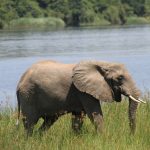
Savannah elephants, the world’s largest living land animal, rank among the most reliably spotted headline species across East Africa’s major national parks, with genuinely massive herds gathering at certain times of year to create some of safari’s most spectacular wildlife viewing. Understanding exactly where the largest, most reliable herds concentrate, and when to visit for peak viewing, helps travelers plan an elephant-focused safari with real confidence. This guide covers where and when to look, along with the social behavior and biology that make elephant herds such consistently rewarding subjects.
Amboseli National Park, Kenya
Amboseli hosts some of Africa’s most famous elephant herds, set against the dramatic backdrop of Mount Kilimanjaro, offering genuinely spectacular photography opportunities alongside reliable, close-range viewing.
Tarangire National Park, Tanzania
Tarangire’s dry-season elephant concentrations rank among Tanzania’s most dramatic, with herds numbering in the hundreds gathering around the Tarangire River amid the park’s iconic baobab landscape.
Murchison Falls National Park, Uganda
Murchison Falls supports substantial elephant populations across its savannah terrain, offering reliable sightings alongside the park’s other major wildlife and the dramatic falls themselves.
Queen Elizabeth National Park, Uganda
Queen Elizabeth hosts healthy elephant numbers across its varied habitat, including sightings along the Kazinga Channel where elephants gather to drink and bathe.
Ruaha National Park, Tanzania
Ruaha hosts one of Tanzania’s largest elephant populations, with herds moving across the park’s expansive landscape offering genuinely spectacular viewing for travelers willing to venture into this less-visited southern circuit destination.
Why Elephant Herds Concentrate Seasonally
Dry season conditions concentrate elephant herds around shrinking water sources across nearly every major East Africa park, making June through October generally the most reliable window for witnessing large, dramatic herd gatherings.
Understanding Elephant Herd Structure
Elephant herds are led by a matriarch, typically the oldest and most experienced female, whose accumulated knowledge of water sources and safe routes genuinely shapes the entire herd’s survival and movement patterns.
How Herds Split and Reunite
Larger elephant families sometimes temporarily separate into smaller groups while foraging before reuniting later, a genuinely social pattern that means the size of any single sighting doesn’t necessarily reflect the herd’s full extended family, sometimes numbering considerably more once reunited elsewhere in the park.
Elephant Behavior Worth Watching For
Beyond simple grazing, elephants display genuinely complex social behavior, including mutual care, apparent grief responses to deceased herd members, and coordinated group defense, making extended observation genuinely rewarding beyond a quick sighting.
Photographing Elephant Herds Effectively
Given their size and generally predictable movement patterns, elephants offer genuinely forgiving photography subjects, though capturing a full herd interacting, rather than a single isolated individual, rewards patience and a wider-angle approach to frame the group’s social dynamic effectively.
Conservation Status of Savannah Elephants
While generally more numerous than forest elephants, savannah elephants still face genuine poaching and habitat pressure across parts of their range, making East Africa’s protected populations significant conservation strongholds.
Best Time of Day for Elephant Viewing
Early morning and late afternoon typically offer the most active elephant viewing, as herds move between feeding, drinking, and resting during the cooler parts of the day, avoiding the intense midday heat when they often seek shade.
How Elephants Communicate
Elephants use a genuinely sophisticated range of vocalizations, including low-frequency rumbles inaudible to human ears but detectable by other elephants across considerable distances, alongside trumpeting and other audible calls, a communication system that supports their complex social coordination.
How Male Elephants Differ From Herd Life
Unlike females, who remain within the matriarchal family unit for life, adult male elephants genuinely leave the herd upon reaching maturity, living either solitarily or within loose bachelor groups, a social divergence that means a lone large bull sighting represents an entirely different viewing dynamic than a family herd.
Why Elephant Memory Shapes Migration Routes
Matriarchs genuinely retain detailed memory of water sources and safe passages accumulated across decades, knowledge that shapes herd movement patterns during difficult drought years when younger, less experienced elephants would otherwise struggle to locate reliable resources.
How Mud Bathing Serves a Genuine Practical Purpose
Beyond simple play, elephant mud bathing serves genuinely important practical functions, cooling body temperature and providing a protective layer against sun exposure and biting insects, behavior worth watching for during hotter parts of the day near water sources.
Why Baby Elephants Offer Especially Rewarding Viewing
Young elephants display genuinely playful, curious behavior under close herd supervision, offering travelers some of safari’s most heartwarming moments as calves test their trunk coordination and interact with older herd members in a protective, socially rich environment.
How Elephants Shape Their Broader Ecosystem
As genuine ecosystem engineers, elephants shape vegetation structure through feeding and movement, creating clearings and pathways that benefit numerous other species, making their ecological role considerably more significant than their impressive size alone would suggest.
Common Questions About Elephant Sightings
Travelers frequently ask which single park offers the best overall elephant experience, and while Amboseli’s Kilimanjaro backdrop makes it iconic, Tarangire and Murchison Falls both offer genuinely comparable herd density with less crowded viewing conditions. Visitors also ask whether elephant behavior differs meaningfully between parks, and yes, local ecology, water availability, and human proximity all shape subtle behavioral differences worth observing across different destinations.
Why Elephants Remain Safari’s Most Beloved Species
Beyond their sheer scale, elephants’ evident intelligence, social bonds, and expressive behavior consistently rank them among travelers’ most emotionally memorable safari sightings, a connection that deepens with every extended observation.
Why Amboseli’s Kilimanjaro Backdrop Creates Such Iconic Images
The genuine visual pairing of massive elephant herds against Africa’s tallest mountain has made Amboseli photographs among the most widely recognized safari imagery worldwide, a combination of scale and scenery that few other locations anywhere on the continent can match.
How Elephant Family Bonds Extend Across Generations
Elephant herds genuinely maintain multi-generational family bonds, with grandmothers, mothers, and calves all contributing to collective calf-rearing responsibilities, a cooperative family structure that reflects some of the most sophisticated social organization found anywhere in the animal kingdom.
Why Elephant Tusks Vary So Considerably in Size
Given decades of poaching pressure targeting larger-tusked individuals across parts of Africa, tusk size genuinely varies considerably between populations, and East Africa’s well-protected parks now represent some of the best remaining places to observe elephants with naturally larger, undisturbed tusk growth.
How Elephant Herds Respond to Vehicle Presence
Having grown genuinely accustomed to regular tourist vehicle traffic across popular safari circuits, elephant herds typically continue their natural feeding and social behavior at reasonably close range, offering considerably better and more sustained viewing than more easily startled species sharing the same habitat.
Why Dry Season Water Sources Concentrate So Much Wildlife Activity
Beyond elephants specifically, the same shrinking dry-season water sources that concentrate large herds also draw considerable other wildlife activity, making elephant-focused viewing locations genuinely productive for broader game viewing during the same visit.
How This Species Fits Into a Broader Big Five Itinerary
Given their genuine reliability and visual impact, elephants often serve as travelers’ first confirmed Big Five sighting on any given trip, setting an encouraging early tone for the wildlife-focused days that follow.
Why This Species Rewards a Slower, More Observant Pace
Rather than a quick drive-by sighting, elephant herds reward travelers who pause long enough to watch the subtle social interactions unfolding within the group, trunk greetings, calf reassurance, matriarch decision-making, that a passing glance would never reveal.
How This Sighting Fits Multi-Country East Africa Itineraries
Because savannah elephants appear reliably across Kenya, Tanzania, and Uganda’s major parks, travelers moving between multiple countries during a longer trip genuinely accumulate repeated sighting opportunities, each offering a slightly different landscape backdrop worth comparing.
Why Even Repeat Safari Travelers Still Prioritize Elephant Time
Unlike some species whose novelty fades after a first encounter, elephants’ genuine social complexity and emotional expressiveness mean even travelers on their fifth or sixth East Africa trip deliberately allocate extra time for herd observation, proof that familiarity here deepens rather than diminishes appreciation.
How This Species Anchors an Entire Trip’s Emotional Arc
Many travelers describe their first genuinely close elephant herd encounter as the moment their safari trip shifted from simple sightseeing into something considerably more emotionally resonant, a turning point that shapes how they experience every subsequent sighting.
Why This Species Deserves Its Status as the Ultimate Safari Icon
Given the genuine combination of scale, intelligence, and emotional resonance elephants offer, it’s little surprise the species has become the single most recognized symbol of African safari itself, a reputation earned through countless firsthand encounters rather than marketing alone.
How This Sighting Sets the Tone for a First-Time Safari
For travelers on their very first Africa trip, an early, genuinely close elephant encounter often becomes the moment expectations shift from anticipation into real, tangible experience, a foundational memory that shapes how the rest of the trip unfolds.
Planning Your Elephant-Focused Safari
Working with an experienced operator to prioritize the right parks and dry-season timing ensures a genuinely spectacular elephant encounter during your East Africa safari, and allocating unhurried time at each sighting turns a reliable encounter into a genuinely memorable one.
Recommended Tours: 10 Days Ultimate Uganda Gorilla & Big Five Safari | 12-Day Uganda Gorilla Tours and Kenya Great Migration Safaris