Ostriches: Where and When to See Them in East Africa
Ostriches, the world’s largest living bird species, offer travelers a genuinely reliable and visually striking savannah sighting, an animal so distinctly adapted for life on open ground that it has lost the ability to fly entirely in favor of remarkable running speed. Understanding where East Africa’s specific ostrich subspecies concentrates, and what makes this genuinely record-breaking bird so fascinating, helps travelers appreciate a sighting that’s often taken for granted despite its real biological significance. This guide covers where and when to look, along with the remarkable adaptations that make ostriches such genuine evolutionary standouts.
Maasai Mara and Serengeti
Kenya and Tanzania’s classic plains ecosystems host the Maasai ostrich subspecies in genuinely reliable numbers, often spotted striding across open grassland during standard game drives.
Queen Elizabeth and Murchison Falls National Parks, Uganda
Both major Uganda savannah parks support ostrich populations within their open grassland sections, offering additional reliable sighting locations.
The Maasai Ostrich Subspecies
East Africa specifically hosts the Maasai ostrich, a subspecies distinguished from other African ostrich populations by subtle physical differences including neck coloration that shifts to pink during breeding season.
Just How Large Ostriches Actually Get
Ostriches rank as the world’s largest living bird by a considerable margin, with genuinely impressive height and weight that dwarf any other bird species travelers are likely to encounter on safari.
Why Ostriches Are the Fastest-Running Bird
Unable to fly, ostriches have evolved genuinely extraordinary running speed instead, capable of sustained sprints that outpace nearly every other animal on the savannah, a remarkable evolutionary trade-off between flight and terrestrial speed.
How Fast an Ostrich Can Actually Run
An ostrich’s sustained running speed genuinely rivals that of many predators pursuing it, and combined with the ability to maintain that pace over considerable distance, this speed represents one of the animal kingdom’s most effective non-flight escape strategies.
Ostrich Social Structure and Breeding Behavior
Ostriches typically live in loose flocks, with breeding involving genuinely elaborate courtship displays from males, including dramatic feather-fluffing and dance-like movements to attract females.
Ostrich Egg Size and Nesting Behavior
Ostrich eggs rank as the largest of any living bird species, and nesting behavior often involves multiple females laying eggs in a shared communal nest, a genuinely cooperative breeding strategy among the flock’s females.
Best Time of Day for Ostrich Sightings
Ostriches remain visible throughout the day given their consistent grassland grazing and foraging habits, making them one of the more reliably spotted species on any standard game drive.
Why Ostriches Deserve Genuine Appreciation
Despite being commonly seen, ostriches’ record-breaking size and speed, along with their genuinely fascinating breeding behavior, reward more attention than their familiar, sometimes overlooked presence might suggest.
How Ostrich Eyes Compare to the Rest of the Animal Kingdom
Ostriches possess genuinely enormous eyes relative to their head size, among the largest of any land animal, an adaptation that supports the exceptional long-distance vision needed to spot approaching predators across wide-open savannah terrain.
Male vs Female Ostrich Appearance
Male ostriches display striking black and white plumage while females show a more understated brownish-grey coloring, a genuine visual distinction that makes sex identification straightforward even from a moving vehicle at moderate distance.
How Ostrich Legs Enable Such Remarkable Speed
Ostrich legs display genuinely powerful musculature combined with a uniquely efficient two-toed foot structure, an anatomical specialization found in no other living bird that reduces weight while maximizing the propulsive force behind each stride during a full sprint.
Why Ostriches Sometimes Appear to Bury Their Heads
Despite the popular myth, ostriches never actually bury their heads in sand, a misconception likely originating from their genuine habit of lowering their heads to the ground while turning eggs in a shallow nest scrape, a behavior easily mistaken for burial from a distance.
How Ostrich Chicks Develop
Ostrich chicks display genuinely rapid early mobility, capable of walking and foraging alongside adults within days of hatching, a precocial development strategy that helps them keep pace with the flock across open, predator-rich savannah terrain from nearly the very start of life.
Why Ostrich Farming Exists Alongside Wild Populations
Commercial ostrich farming for meat, leather, and feathers has existed across parts of East and Southern Africa for generations, an industry entirely separate from the wild populations travelers encounter within protected parks, though the practice reflects the species’ broader economic significance across the continent.
How Ostriches Defend Themselves Against Predators
Beyond their exceptional running speed, ostriches possess genuinely powerful legs capable of delivering a forward kick strong enough to seriously injure or even kill an attacking predator, a defensive capability that makes even lions cautious about engaging a cornered, healthy adult bird.
Common Questions About Ostrich Sightings
Travelers frequently ask whether ostriches are dangerous, and while generally not aggressive without provocation, a threatened or defensive ostrich can deliver a genuinely powerful kick capable of causing serious injury, making respectful distance sensible regardless of their familiar, often-photographed status. Visitors also ask whether ostrich farming affects wild population viewing, and while ostrich farms exist across parts of the region for commercial purposes, wild sightings within protected parks remain entirely separate from any farmed population.
Why Ostriches Remain Genuinely Underrated
Despite ranking among the animal kingdom’s most record-breaking species by size and speed, ostriches rarely receive the same excited reaction as rarer predators, making them a genuinely worthwhile reminder that safari’s most remarkable animals aren’t always its most elusive.
Why This Species Makes for Genuinely Engaging Photography
Given their striking silhouette and reliably close approach tolerance at many popular safari destinations, ostriches offer photographers genuinely rewarding opportunities for both portrait-style close-ups and dynamic action shots during a running display.
How Ostriches Regulate Body Temperature on the Open Savannah
Ostriches genuinely rely on specialized feather structures and behavioral adaptations, including exposing bare skin patches to airflow, to manage body temperature across the savannah’s considerable daily heat swings, an adaptation essential to surviving prolonged exposure on genuinely shadeless open terrain.
Why Ostrich Groups Sometimes Mix With Other Grazers
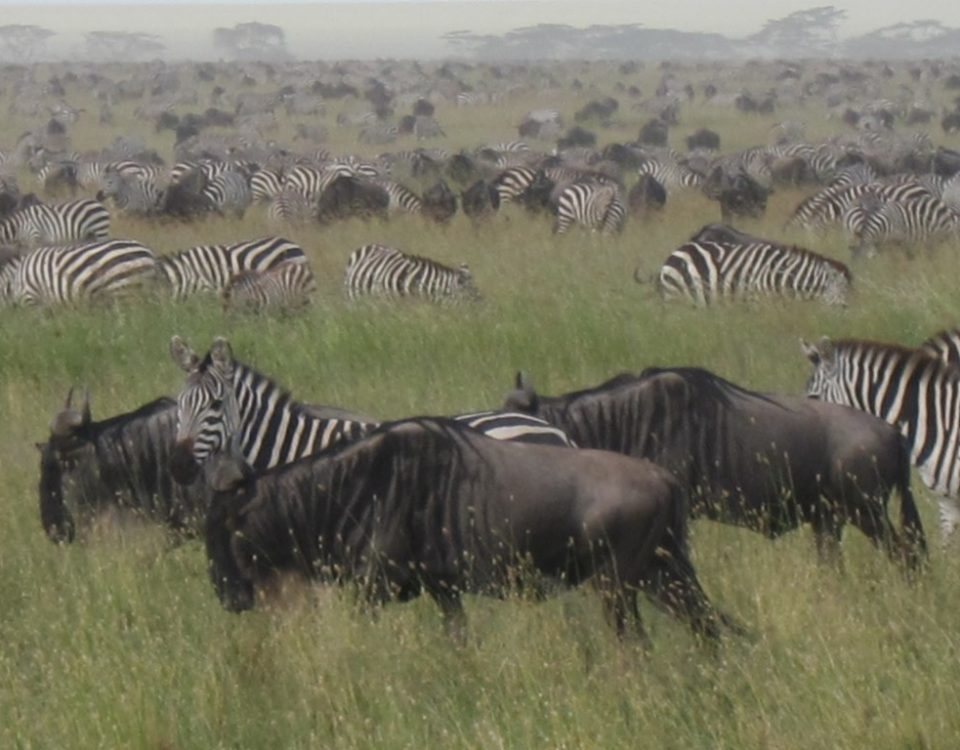
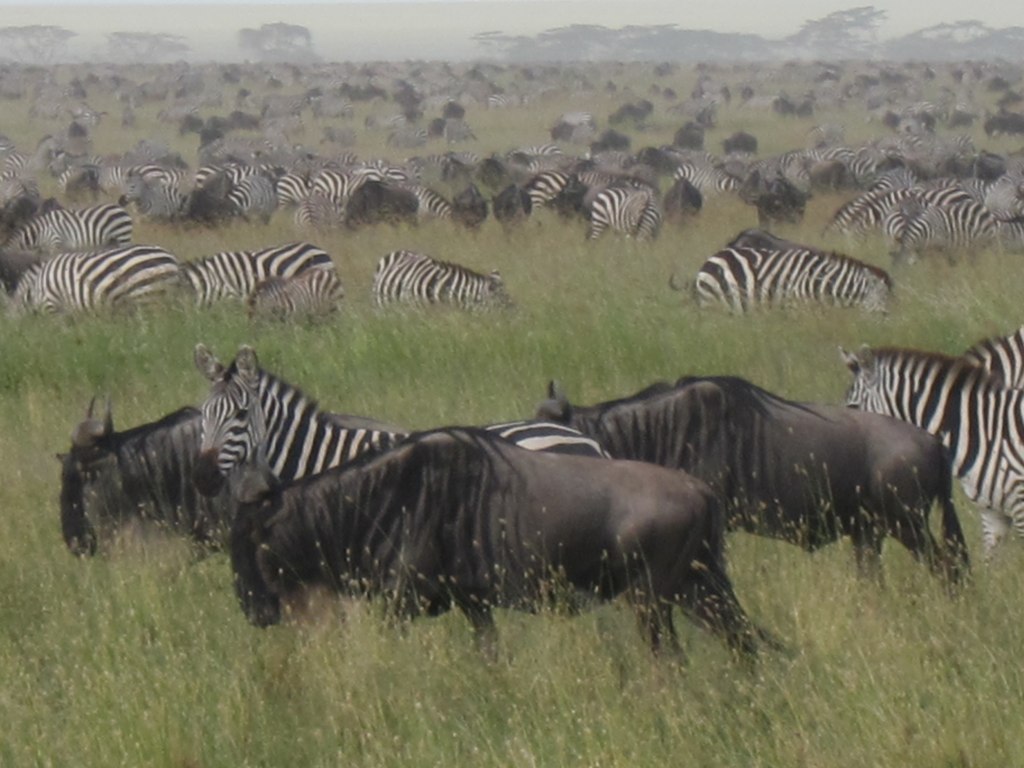
Ostriches frequently forage alongside zebra and various antelope species, a mutually beneficial arrangement where the combined vigilance of multiple species genuinely improves early predator detection for the entire mixed group sharing the same grassland.
How Ostrich Vision Contributes to Group Safety
Given their exceptional eyesight and considerable height advantage over most other savannah grazers, ostriches often serve as an early warning system for nearby wildlife, with other species genuinely learning to watch ostrich behavior as an indirect predator alert.
Why Ostriches Rarely Need to Drink Directly
Ostriches derive much of their required moisture directly from the vegetation they consume, a genuine adaptation that reduces their dependence on regular open water access compared to many other large savannah animals reliant on daily drinking.
How This Species Compares to Other Flightless Birds Worldwide
Among the world’s flightless bird species, ostriches stand out genuinely for combining the largest body size with the fastest running speed, a combination unmatched by comparable flightless birds like emus or cassowaries found on other continents.
Why Guides Often Highlight Ostriches for First-Time Safari Travelers
Given their striking size, reliability, and genuinely approachable viewing distance, guides frequently use ostrich sightings as an accessible early highlight for travelers still adjusting to the pace and patience that broader game drives require.
Why Even Repeat Safari Travelers Still Appreciate Ostrich Sightings
Unlike some species whose appeal fades after a first encounter, an ostrich’s sheer scale and distinctive silhouette against the open savannah continues to impress even travelers on their fifth or sixth East Africa trip, proof that familiarity here doesn’t dull the visual impact.
How This Species Fits Into the Broader Savannah Food Web
As prey for lions and other large predators, especially eggs and chicks vulnerable to a wider range of opportunistic hunters, ostriches play a genuinely important ecological role within the savannah predator-prey system despite their own formidable defensive capabilities as adults.
Why This Species Serves as a Genuine Conversation Starter
Few safari facts land with quite as much reliable surprise as learning ostriches can outrun most predators on the savannah despite their considerable bulk, making them a genuinely engaging talking point guides enjoy sharing during an otherwise routine grassland game drive.
How Ostrich Sightings Fit Into a Broader Big Five Focused Trip
Travelers primarily focused on Africa’s Big Five often find ostriches offer a genuinely worthwhile secondary highlight along the same open grassland routes, adding record-breaking scale and speed to an itinerary otherwise centered on the classic headline predators and megafauna.
Why This Species Rewards a Second Look Beyond the Obvious
Travelers who take the time to actually watch ostrich behavior, rather than simply noting the sighting and moving on, consistently discover a considerably richer, more entertaining animal than its familiar reputation suggests.
Planning Your Safari With Ostrich Sightings in Mind
Given their wide distribution, ostrich sightings require no special planning beyond a standard East Africa safari itinerary through open savannah terrain, though pausing to watch a full sprint or courtship display genuinely rewards a few extra unhurried minutes.
Recommended Tours: 12-Day Uganda Gorilla Tours and Kenya Great Migration Safaris | 10 Days Ultimate Uganda Gorilla & Big Five Safari