6-Day Tanzania Northern Circuit: Serengeti to Ngorongoro
Tanzania’s northern safari circuit concentrates several of Africa’s most celebrated parks within a single manageable region, making it possible to experience the Serengeti’s vast plains, the Ngorongoro Crater’s concentrated wildlife, and the surrounding ecosystem’s supporting parks within a well-paced six-day trip. This itinerary is built around the classic northern circuit route, sequencing each park to build toward the Serengeti’s open plains as the trip’s centrepiece. Here is a realistic six-day route through Tanzania’s northern circuit from Arusha to the Serengeti and back through Ngorongoro.
Day 1: Arrival in Arusha
Most northern circuit itineraries begin with a flight into Kilimanjaro International Airport and a transfer to Arusha, Tanzania’s northern safari hub, for an overnight stay before the circuit properly begins. Arusha’s relaxed pace and views of Mount Meru offer a gentle introduction to northern Tanzania.
Day 2: Tarangire National Park
The drive from Arusha to Tarangire takes around two hours, delivering travellers into a park famous for its ancient baobab trees and one of Tanzania’s largest elephant populations. An afternoon game drive typically produces excellent elephant sightings alongside a good chance of lion and the park’s varied plains game concentrated along the Tarangire River.
Day 3: Lake Manyara National Park
Lake Manyara, tucked beneath the dramatic Rift Valley escarpment, offers a genuinely different landscape from Tarangire’s dry woodland, its groundwater forest and soda lake supporting large flocks of flamingos and the park’s famous tree-climbing lions. A day here rounds out the circuit’s ecological variety before continuing toward the Serengeti’s more expansive plains.
Day 4: Serengeti National Park
The drive into the Serengeti’s central Seronera region delivers travellers onto some of the most iconic savanna scenery in Africa, with an afternoon game drive on arrival typically producing strong predator sightings given the area’s high concentration of well-habituated lion and cheetah populations.
Day 5: Full Day Exploring the Serengeti
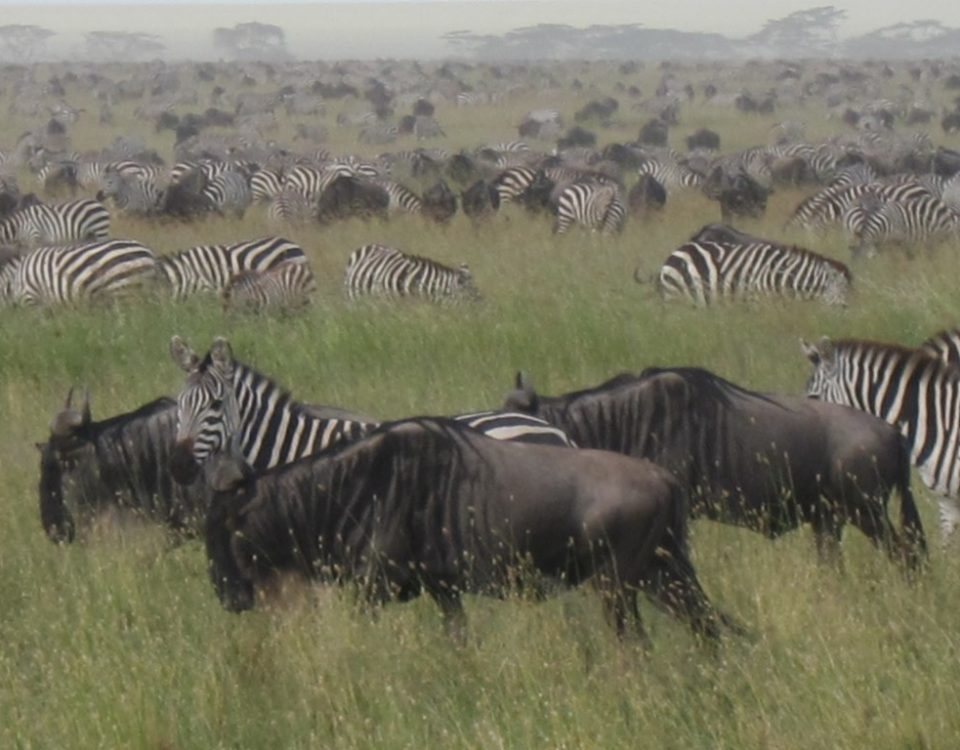
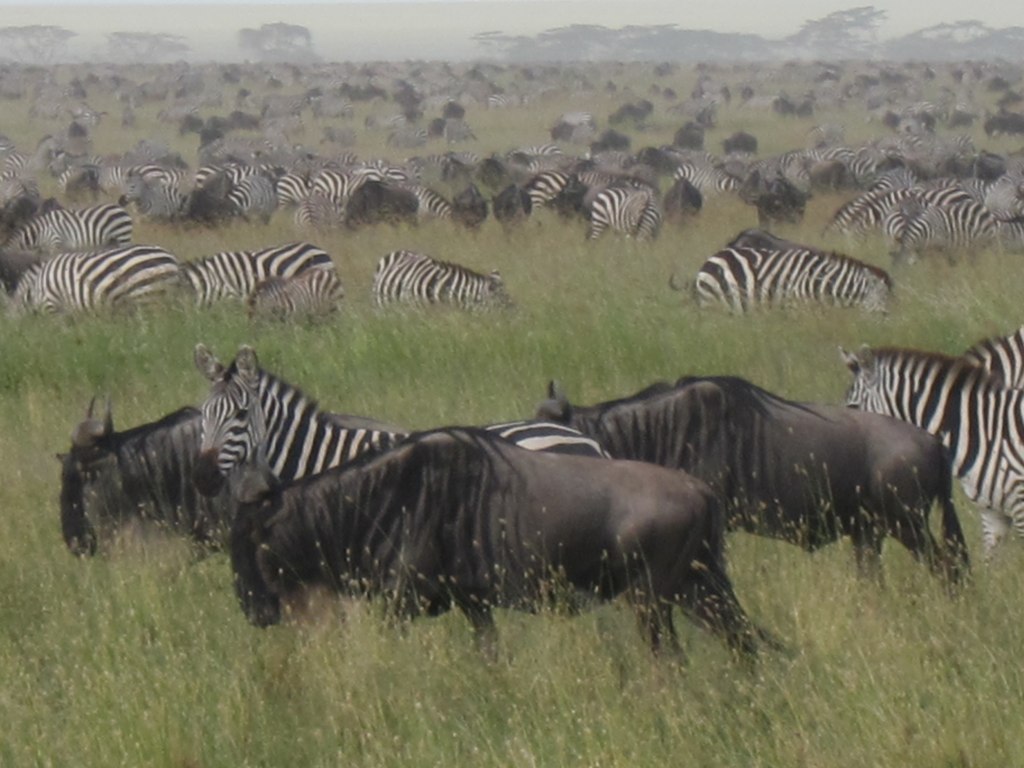
A full day dedicated to exploring the Serengeti’s plains allows for a deeper look at the park’s resident wildlife and, depending on season, the Great Migration’s herds moving through the ecosystem. Morning and afternoon game drives split by a midday rest make the most of the park’s peak wildlife activity windows.
Day 6: Ngorongoro Crater and Departure
The final day descends into the Ngorongoro Crater floor for a morning game drive through one of Africa’s most concentrated wildlife experiences, an enclosed volcanic caldera holding resident lion, elephant, buffalo, and the endangered black rhino, before transferring back to Arusha or Kilimanjaro for departure.
Why This Sequencing Works
Building the circuit from Tarangire through Manyara to the Serengeti and finishing at Ngorongoro creates a natural crescendo, moving from smaller, more intimate parks toward the Serengeti’s vast scale before closing with the crater’s uniquely concentrated wildlife as a memorable final impression. This sequence also follows the most efficient overland routing between each park, minimising unnecessary backtracking across the circuit.
Understanding the Ngorongoro Conservation Area
Unlike Tanzania’s national parks, the Ngorongoro Conservation Area operates under a multiple land-use model, allowing Maasai pastoralist communities to graze livestock alongside protected wildlife, a genuinely distinctive conservation arrangement found nowhere else on this circuit. This unique status means visitors often encounter Maasai herders and their cattle on the crater rim en route to the floor, adding cultural context to an already exceptional wildlife day.
Best Time of Year for the Northern Circuit
Ngorongoro’s crater floor offers strong game viewing year-round thanks to its permanent water sources, while the Serengeti and migration timing benefit from planning around the herds’ seasonal movement, typically present in the southern plains from December through March and moving north toward the Mara River by July through October. Tarangire’s dry season, June through October, concentrates wildlife most heavily around its permanent river, making this period particularly rewarding for elephant sightings.
Accommodation Along the Circuit
The northern circuit offers accommodation across every budget level, from comfortable mid-range lodges to exclusive tented camps positioned directly within each park for maximum game-viewing convenience. Choosing camps with strong reputations for guiding quality, particularly in the Serengeti where terrain and wildlife knowledge vary considerably between operators, makes a meaningful difference to overall trip quality.
Combining Photography and Wildlife Viewing
The northern circuit’s varied landscapes, from Tarangire’s baobab-studded plains to the Serengeti’s endless grassland and Ngorongoro’s dramatic crater walls, reward photographers with genuinely distinct visual settings within a single trip. A versatile lens setup covering both wide landscape shots and closer wildlife portraits serves this itinerary better than specialising too heavily in either direction.
Budgeting for a Six-Day Northern Circuit Safari
Tanzania’s park fees are charged per day across each park entered, meaning a multi-park circuit like this one carries meaningfully higher cumulative park costs than a single-destination trip, a factor worth discussing with an operator when comparing this itinerary against alternatives. Ngorongoro’s conservation area fee in particular adds a notable cost on top of standard park entry, reflecting the area’s unique conservation status.
Wildlife Highlights Specific to Each Park
Each park along this circuit offers its own signature wildlife draw beyond the shared Big Five presence: Tarangire’s baobab-dotted landscape and elephant herds, Manyara’s tree-climbing lions and flamingo-lined soda lake, the Serengeti’s sheer scale and predator density, and Ngorongoro’s remarkably compact concentration of nearly every major species within a single crater floor. Understanding these distinctions helps set realistic expectations for what each individual day is likely to deliver, rather than expecting every park to offer an identical experience.
Road Conditions and Travel Times Between Parks
The northern circuit’s roads range from smooth tarmac near Arusha to considerably rougher dirt tracks within and between the parks themselves, particularly the stretch climbing up to the Ngorongoro highlands, meaning a comfortable four-wheel-drive safari vehicle with a pop-up roof for game viewing is standard and genuinely necessary equipment for this route. Travel times between parks range from two to four hours on a typical circuit day, giving ample opportunity for roadside wildlife sightings along the way.
Cultural Encounters Along the Way
Beyond the wildlife itself, the northern circuit passes through genuinely rich cultural territory, particularly around Ngorongoro where Maasai communities maintain a visible presence within the conservation area, offering optional village visits for travellers interested in learning more about pastoralist traditions that have coexisted with this landscape’s wildlife for generations.
Combining the Circuit With a Zanzibar Extension
Given Kilimanjaro International Airport’s convenient connections to Zanzibar, many travellers extend this itinerary with a few additional days on the island’s beaches after completing the northern circuit, pairing an intensive wildlife-focused week with a genuinely restful close to the trip. This combination has become one of the most popular ways to bookend a northern Tanzania safari.
What to Pack for the Northern Circuit
Layered clothing suits this itinerary well, given the temperature range between Tarangire’s hot lowland savanna and the noticeably cooler air found at Ngorongoro’s crater rim elevation. A good pair of binoculars, sunscreen, and a wide-brimmed hat round out the essentials for long days spent largely in an open-sided safari vehicle across varied terrain and elevation.
Guiding Quality and Why It Matters on This Circuit
Because this itinerary covers four parks with genuinely different terrain, ecology, and wildlife behaviour patterns, an experienced guide who adjusts their approach to each park’s specific character, rather than applying an identical routine everywhere, makes a considerable difference to overall sighting quality across the full six days. Guides with deep, current knowledge of migration positioning specifically add real value to the Serengeti segment of the trip.
Common Questions About the Northern Circuit
Travellers often ask whether six days is enough to properly experience four different parks, and this itinerary’s pacing, with a full or nearly full day at each stop, generally avoids the rushed feeling that can come from trying to cover the same ground in fewer days. Another frequent question concerns whether the migration will definitely be visible during a given visit, and since herd movement varies year to year based on rainfall, no itinerary can guarantee a specific sighting, though an experienced operator can advise on the best timing for a given travel window based on current and historical herd movement patterns.
Extending the Circuit Further
Travellers with additional time available sometimes extend this itinerary with a second day in the Serengeti to explore its northern reaches near the Mara River, or add a stop at Olduvai Gorge, a site of major significance in the study of early human evolution, located conveniently along the route between the Serengeti and Ngorongoro. Either addition fits naturally into the circuit’s existing routing without requiring major itinerary restructuring.
Planning Your Six-Day Northern Circuit Safari
Given the number of parks and varying seasonal considerations involved, working with an operator experienced specifically in Tanzania’s northern circuit helps optimise the sequencing and timing of this itinerary around current migration positioning and each park’s peak season. Done well, this six-day route delivers one of Africa’s most complete and varied single-region safari experiences within a genuinely manageable timeframe, closing out a trip that touches baobab woodland, Rift Valley forest, endless grassland, and volcanic crater within a single well-organised week.
Recommended Tours: 6 Days Tanzania Wildlife Safari | 10 Days Tanzania Wildlife Safari