6-Day Serengeti Migration and Ngorongoro Crater Safari
Focusing an entire six-day trip on just two destinations, the Serengeti’s vast migration plains and the Ngorongoro Crater’s remarkably concentrated wildlife, allows for considerably more time at each than a broader northern circuit itinerary, rewarding travellers who genuinely prefer depth over covering the widest possible range of parks in one trip. This itinerary deliberately strips away Tarangire and Lake Manyara to concentrate entirely on Tanzania’s two most iconic wildlife destinations. Here is a realistic, well-paced six-day route built entirely around the Serengeti and Ngorongoro Crater.
Day 1: Arrival in Arusha
Most itineraries of this kind begin with a flight into Kilimanjaro International Airport and a transfer to Arusha for an overnight stay, giving travellers time to recover from long-haul flights before the safari’s more physically and visually intensive days begin.
Days 2-4: Serengeti National Park
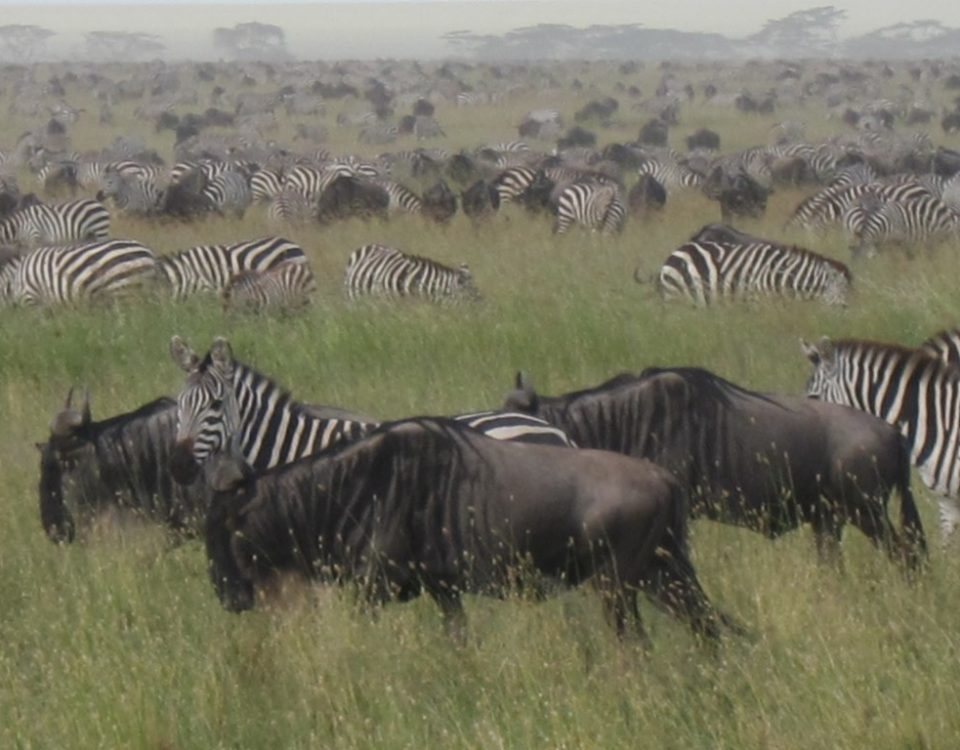
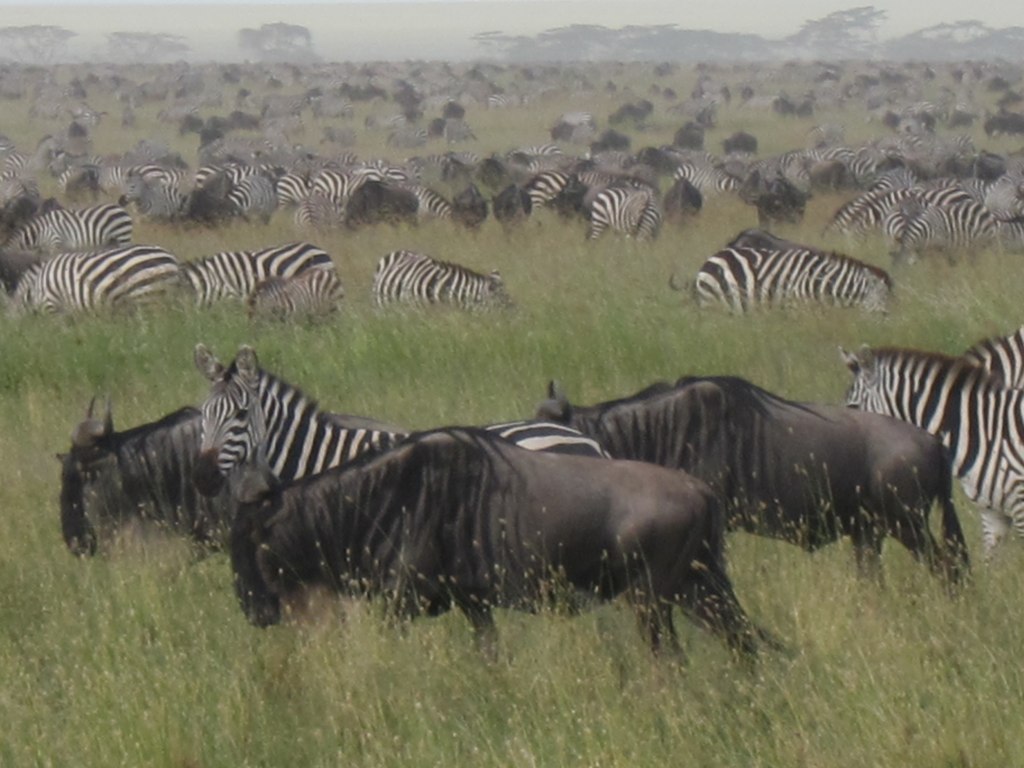
Three full, dedicated days in the Serengeti allow for a genuinely deep exploration of the park’s central Seronera region and, depending on season, the areas where the Great Migration’s herds are currently concentrated, whether that means the southern short-grass plains during calving season or the western corridor and northern Mara River region during the migration’s later, more dramatic stages.
Days 5-6: Ngorongoro Crater and Departure
The drive from the Serengeti to the Ngorongoro Conservation Area delivers travellers to the crater rim lodge by evening, with the following morning’s descent into the crater floor offering one of Africa’s most concentrated and reliable wildlife experiences before transferring back to Arusha for departure.
Why Focus on Just Two Destinations
Spreading a six-day trip across four parks, as a broader northern circuit itinerary does, means less total time at each stop, while concentrating entirely on the Serengeti and Ngorongoro allows three full days chasing the migration’s current position plus a dedicated crater day, a pacing that suits travellers whose primary interest is genuinely deep engagement with these two specific ecosystems rather than checking off the widest possible list of parks.
Understanding Migration Timing for This Itinerary
The migration’s exact position varies by month, with herds concentrated on the southern plains near Ndutu from roughly December through March during calving season, moving through the central and western Serengeti by April through June, and reaching the northern Mara River region between July and October before beginning the return journey south.
Positioning Camps Around Current Herd Location
Because this itinerary dedicates three full days to the Serengeti, choosing a camp positioned according to current migration activity, rather than a fixed central location regardless of season, meaningfully improves the odds of intersecting the herds’ most dramatic moments during the specific travel window.
What Makes Ngorongoro So Reliably Productive
Unlike the Serengeti’s seasonal migration dependency, Ngorongoro Crater’s near-permanent water sources support resident populations of lion, elephant, buffalo, and the endangered black rhino year-round, making a single crater day one of the most consistently rewarding wildlife experiences available anywhere in Africa, regardless of exactly when a trip happens to be scheduled.
The Ngorongoro Conservation Area’s Unique Status
Unlike Tanzania’s national parks, Ngorongoro operates under a multiple land-use model permitting Maasai pastoralist communities to graze livestock alongside protected wildlife, meaning visitors often encounter herders and cattle on the crater rim en route to the floor, adding genuine cultural texture to the day’s wildlife viewing.
Photography Considerations for This Focused Itinerary
Three full days in the Serengeti gives photographers considerably more flexibility to wait for optimal light and positioning around key migration moments than a rushed single-day visit would allow, while Ngorongoro’s compact, enclosed crater floor rewards photographers with unusually close and reliable access to the park’s resident wildlife.
Accommodation Strategy for Depth Over Breadth
This itinerary’s concentration on two destinations allows for a more considered choice of camp within each, prioritising strong migration tracking networks in the Serengeti and a well-positioned crater rim lodge for Ngorongoro, rather than spreading accommodation budget thinly across four separate parks.
Budgeting for This Two-Park Itinerary
Concentrating on two parks rather than four reduces the number of separate park entry fees this itinerary incurs compared to a broader circuit, though Ngorongoro’s conservation area fee remains a notable cost reflecting the area’s unique multiple land-use status.
What a Typical Serengeti Game Drive Day Looks Like
With three full days dedicated to the Serengeti, mornings typically begin before sunrise to catch peak predator activity, followed by a midday break at camp during the day’s hottest hours before a second drive in the late afternoon, a rhythm that allows guides to genuinely follow developing situations, a pride stalking prey, herds approaching a river crossing point, rather than rushing between fixed stops on a tight schedule.
The Serengeti’s Resident Wildlife Beyond the Migration
Even outside peak migration moments, the Serengeti holds exceptional year-round resident wildlife, well-habituated lion prides around the central Seronera region, healthy leopard populations along riverine woodland, and cheetah frequently spotted hunting across the open plains, meaning this itinerary delivers strong game viewing regardless of exactly where the migrating herds happen to be during the specific travel dates.
Descending Into the Crater: What to Expect
The descent into Ngorongoro Crater takes around forty-five minutes along a winding road cut into the caldera wall, and the crater floor itself, roughly twenty kilometres across, concentrates an extraordinary density of wildlife within a genuinely compact and easily explored area compared to the vast distances typically covered on a standard Serengeti game drive.
Black Rhino Sightings in Ngorongoro
Ngorongoro remains one of the most reliable places in East Africa to see the critically endangered black rhino, with a small but closely monitored population resident within the crater, and while sightings are never guaranteed given the species’ naturally low numbers and cautious behaviour, the crater’s compact size and open terrain give visitors a genuinely strong chance compared to almost anywhere else on the continent.
Weather and What to Pack for Both Locations
The Serengeti’s open plains run warm during the day with notably cool early mornings, while Ngorongoro’s higher crater rim elevation brings a genuinely cooler climate overall, meaning layered clothing that adapts across both altitude changes and the day’s temperature swings serves this itinerary better than packing for either location’s average conditions alone.
Cultural Encounters With Maasai Communities
Beyond the wildlife itself, Ngorongoro’s unique conservation status means visitors have genuine opportunities to learn about Maasai pastoralist culture, either through brief encounters along the crater rim or dedicated village visits arranged through local operators, adding meaningful human context to what might otherwise be viewed purely as a wildlife-focused day.
Why This Itinerary Suits Repeat Tanzania Visitors
Travellers who have already covered Tanzania’s broader northern circuit on a previous trip, including Tarangire and Lake Manyara, often choose this more focused itinerary specifically to spend additional time in the two destinations that delivered their strongest memories, rather than repeating parks already well explored on an earlier visit.
Health and Practical Considerations for This Trip
Standard East Africa health precautions apply across both destinations, malaria prophylaxis and up-to-date routine vaccinations, and given Ngorongoro’s higher elevation compared to the Serengeti’s lower plains, travellers may notice cooler nighttime temperatures worth packing for accordingly at the crater rim lodges.
Common Questions About This Focused Safari
Travellers often ask whether skipping Tarangire and Lake Manyara means missing out on meaningful wildlife viewing, and while both parks offer genuinely excellent experiences in their own right, this itinerary’s trade-off, more time in the Serengeti and Ngorongoro specifically, suits travellers whose primary goal is depth in these two flagship destinations rather than covering Tanzania’s full northern circuit in a single trip. Another common question concerns whether three full days in the Serengeti risks feeling repetitive, and most travellers who complete this itinerary report the opposite, since the park’s sheer scale and shifting wildlife activity keep each day feeling genuinely distinct.
Guiding Quality and Why It Matters More on a Focused Trip
With this itinerary’s entire success resting on just two destinations rather than a spread-out four-park circuit, guide quality carries proportionally more weight, an experienced, well-connected Serengeti guide with current information on herd movement and predator activity genuinely determines how much this itinerary’s three dedicated days actually deliver.
Extending This Itinerary With Additional Days
Travellers with extra time available sometimes add a fourth Serengeti day for deeper exploration of the park’s northern or western reaches, or a second Ngorongoro visit focused specifically on early morning big cat activity before the crater’s daytime tourist traffic builds, either addition fitting naturally into this itinerary’s existing two-destination focus.
Planning Your Serengeti and Ngorongoro Safari
Given how much this itinerary depends on precise migration timing, working with an operator who tracks current herd positioning closely helps optimise camp selection and game drive routing across the trip’s three dedicated Serengeti days and one focused crater day. Done well, this six-day route delivers genuinely deep engagement with two of Africa’s most celebrated wildlife destinations within a well-paced, focused journey, an approach that consistently rewards travellers who value depth of experience over breadth of itinerary.
Recommended Tours: 6 Days Tanzania Wildlife Safari | 5 Days Great Migration River Crossing Safari