Senior Travellers’ Guide to Gorilla Trekking: Fitness Realities
Gorilla trekking remains genuinely achievable for many older, well-prepared travellers, but it does demand a genuinely honest assessment of fitness and a well-planned approach that differs meaningfully from how a younger, more active traveller might prepare for it. This complete guide covers the real physical realities involved, how to genuinely prepare responsibly, and what practical options exist for senior travellers wanting to experience this remarkable encounter firsthand.
Is There an Upper Age Limit for Gorilla Trekking?
Uganda, Rwanda, and DR Congo all set a minimum age of fifteen for gorilla trekking, but none impose a maximum age limit, meaning trekking remains legally and physically open to older travellers provided they can genuinely manage the activity’s real physical demands throughout the day.
Understanding the Actual Physical Demands
Gorilla trekking involves walking on uneven, often steep and muddy forest terrain for anywhere between one and several hours depending on where the assigned gorilla family has moved that morning, a genuinely variable physical challenge that senior travellers should approach with realistic expectations rather than assumptions based purely on a single trip report from someone else entirely.
Honest Fitness Self-Assessment Before Booking
Senior travellers considering gorilla trekking should honestly assess their ability to walk on uneven ground for extended periods, climb moderate inclines, and manage several hours of physical exertion, ideally consulting a doctor about specific health conditions well before committing to the trip.
Requesting an Easier Trekking Family Assignment
Rangers assign trekkers to specific gorilla families each morning partly based on stated fitness levels, and senior travellers should be genuinely upfront about their physical condition during the pre-trek briefing, since this directly influences which family and territory they’re assigned to that day.
The Value of Hiring a Porter
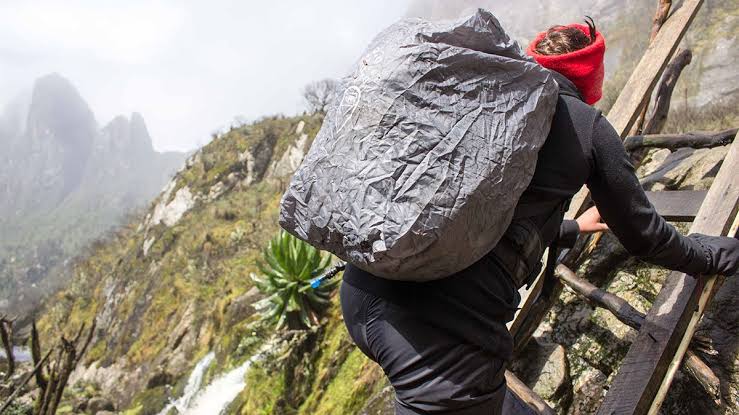
Hiring a porter, a local community member who assists with carrying gear and provides physical support on difficult terrain, is genuinely worth the modest cost for any trekker, but particularly valuable for senior travellers wanting an extra measure of physical assistance and reassurance throughout the trek.
Sedan Chair Options for Travellers With Mobility Limitations
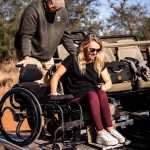
Both Uganda and Rwanda offer a sedan chair option, a padded seat carried by a team of local porters, for travellers unable to complete the trek entirely on foot, a service arranged in advance that has allowed many older or less mobile travellers to still experience gorilla trekking.
Choosing the Right Sector or Park for Easier Terrain
Some Bwindi sectors and Rwanda’s Volcanoes National Park territories offer generally gentler terrain than others, and discussing terrain difficulty openly with an experienced operator when booking helps senior travellers select a starting point better suited to their genuine fitness level.
Pacing and Rest During the Trek
Rangers and guides are generally accustomed to adjusting pace for older or less fit trekkers, building in more frequent rest stops without treating this as an inconvenience, and senior travellers should feel entirely comfortable requesting a slower pace or additional breaks throughout the walk.
What to Pack for Comfort and Safety
Beyond standard trekking essentials, waterproof boots with good ankle support, trekking poles, and gardening gloves, senior travellers should pack any personal medications clearly labelled and easily accessible, along with a comfortable daypack that doesn’t strain the back or shoulders unnecessarily.
Health and Travel Insurance Considerations
Comprehensive travel insurance covering emergency evacuation becomes particularly important for senior travellers, and confirming that a policy covers pre-existing conditions and doesn’t impose an age-related exclusion is genuinely worth checking carefully before departure.
Building Fitness Ahead of the Trip
Senior travellers with several months’ lead time before their trekking date genuinely benefit from a structured preparation programme, regular walking on varied terrain, stair climbing, and general cardiovascular conditioning, rather than relying on general daily activity alone to prepare for the specific demands of forest trekking.
Choosing Accommodation With Comfort in Mind
Senior travellers should prioritise lodges with easy access, minimal stairs, and comfortable beds over more remote or rustic properties, since a genuinely restful night before and after the trekking day meaningfully affects overall physical readiness and recovery.
Managing Altitude Considerations
Rwanda’s Volcanoes National Park and parts of Bwindi sit at higher elevation than many senior travellers are accustomed to, and those with cardiovascular or respiratory conditions should discuss altitude considerations with their doctor specifically, since the combination of altitude and physical exertion can affect some individuals more than flat-terrain walking might suggest.
Weather Considerations for Older Trekkers
Wet, muddy conditions during the rainy season add genuine difficulty to already challenging terrain, and senior travellers with any concerns about balance or mobility should strongly consider trekking during the dry seasons, June through September or December through February, when trail conditions are firmest and most predictable.
Communicating With Your Travel Companions
Senior travellers travelling with younger family members or friends should discuss pacing expectations openly before the trip, ensuring the group understands that flexibility around rest stops and potentially a slower overall pace is part of the plan rather than an unexpected complication on the day itself.
What Rangers and Trackers Do to Support Older Trekkers
Ugandan and Rwandan park rangers have extensive experience supporting trekkers of all ages and fitness levels, and their genuine familiarity with pacing, encouragement, and practical physical support means senior travellers are rarely navigating the trek’s challenges without meaningful, experienced assistance close at hand.
Real Stories From Senior Trekkers
Many operators can share genuine testimonials from previous senior trekkers, including specific details about their fitness level, the terrain they encountered, and how they found the overall experience, information worth requesting directly when researching whether this activity suits your own personal circumstances.
Balancing Ambition With Realistic Limits
While gorilla trekking remains achievable for many senior travellers, being honest about genuine physical limits, rather than pushing through significant pain or exhaustion purely out of determination, matters more than completing the activity at any cost, since the experience should remain safe and genuinely enjoyable throughout.
Involving Family in the Planning Process
Senior travellers planning a trip with adult children or grandchildren often find it helpful to involve family in researching the physical realities together, ensuring everyone shares realistic expectations and can offer genuine support in choosing the right sector, pace, and level of assistance for the trekking day itself.
Working With a Doctor Before Departure
A pre-trip consultation with a doctor familiar with the traveller’s specific health history, rather than a generic travel clinic visit alone, genuinely helps identify any personal considerations, medication timing, altitude sensitivity, cardiovascular concerns, genuinely worth planning around before committing to the physical demands of a trekking day.
Common Questions From Senior Travellers
Older travellers frequently ask whether trekking is simply too physically demanding to even attempt, and the genuinely honest answer depends entirely on individual fitness rather than age alone, many trekkers in their seventies and even eighties have completed the activity successfully with proper preparation, honest communication, and careful pacing throughout the day. Another common question concerns whether declining partway through a trek is possible, and yes, any trekker can genuinely turn back at any point during the walk, though doing so unfortunately means missing the gorilla encounter itself for that particular day.
Alternative Activities If Trekking Isn’t the Right Fit
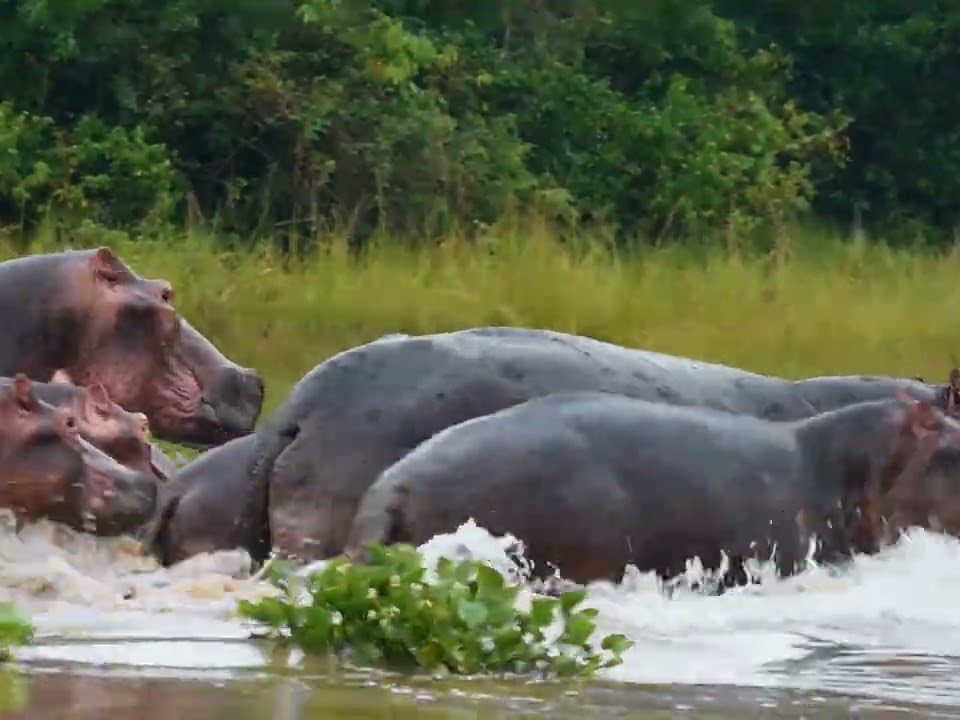
Senior travellers who determine that full gorilla trekking isn’t realistic for their circumstances still have genuinely rewarding options nearby, the Kazinga Channel boat cruise in Queen Elizabeth National Park, Lake Bunyonyi’s relaxed island setting, or a visit to the Senkwekwe Centre’s orphaned gorillas, all of which deliver meaningful wildlife experiences without the same physical demands.
Why Many Senior Travellers Find the Experience Worth the Effort
Despite the genuine physical challenge, many senior trekkers describe the encounter itself as one of the most profound experiences of their entire travelling life, a genuine testament to why so many older travellers choose to prepare carefully and pursue this activity rather than simply assuming it’s automatically out of reach for them.
What the Encounter Itself Offers Regardless of Age
Once a gorilla family is located, the standard one-hour viewing period applies equally to every trekker regardless of age or how difficult the walk in was, meaning senior travellers receive exactly the same profound, unhurried encounter with the gorillas as any younger, more athletic trekker in the group.
Timing Your Trip Around Personal Energy Levels
Senior travellers have the flexibility to choose specific trekking dates that align with when they personally feel strongest, avoiding back-to-back travel days or other physically demanding activities immediately before the trekking day itself, a scheduling choice worth discussing directly with an operator during trip planning.
Planning Your Senior-Friendly Gorilla Trekking Trip
Given the genuine importance of honest fitness communication and truly appropriate family assignment, working with an operator genuinely experienced in accommodating older travellers helps ensure realistic expectations and a well-supported trekking day throughout. Done well, gorilla trekking remains a profoundly achievable and unforgettable experience for senior travellers who prepare thoughtfully and communicate openly and honestly about their genuine physical needs throughout the process.
Recommended Tours: 3 Days Bwindi Gorilla Trekking | 2 Days Rwanda Gorilla Trekking Safari