Photographic Gorilla Safaris: Gear, Permits and Prime Light
Capturing genuinely compelling gorilla images requires understanding a distinct set of technical challenges specific to this particular activity, dense forest light, close viewing distances, and a strict no-flash rule, that differ meaningfully from standard savanna wildlife photography. This complete guide covers the camera gear genuinely worth bringing, how permit rules affect photography specifically, and how to work with the forest’s often difficult light to come home with genuinely strong, memorable images.
Choosing the Right Lens for Gorilla Photography
A moderate telephoto zoom in the 70-200mm or 100-400mm range generally serves gorilla trekking better than either a long wildlife lens or a wide-angle setup alone, since viewing distances inside the forest can range from just a few metres to considerably further depending on the specific encounter, family, and terrain encountered on the day.
Why a Fast Aperture Lens Matters So Much Here
Bwindi and Volcanoes National Park’s dense canopy blocks significant light even in the middle of the day, meaning a lens with a wide maximum aperture, f/2.8 or f/4 rather than a slower standard kit zoom, makes a genuinely substantial difference to image sharpness and usable shutter speeds throughout the encounter itself.
Camera Body Considerations for Low Light
A camera body with strong high-ISO performance matters more for gorilla trekking than for almost any other wildlife photography scenario in East Africa, since photographers frequently need to shoot at ISO 1600 or considerably higher just to maintain a usable shutter speed in the forest’s persistently low light.
The Strict No-Flash Rule and Why It’s Enforced
Flash photography is banned without exception during every gorilla encounter across Uganda, Rwanda, and DR Congo, a rule enforced to avoid startling habituated primates with sudden bright light, meaning photographers must rely entirely on available natural light and appropriate camera settings rather than any artificial lighting workaround whatsoever.
Do Photographers Need a Special Permit?
Standard gorilla trekking permits cover personal photography for absolutely any traveller, and no additional photography-specific permit exists for either casual or genuinely serious amateur photographers, though commercial photography or filming intended specifically for publication or sale typically requires separate authorisation arranged directly with park authorities well ahead of the actual trip.
Tripods, Monopods and Practical Stability Options
Traditional tripods are generally impractical during gorilla trekking given the forest’s uneven terrain and the need to move quickly when repositioning, and most experienced photographers instead rely on image-stabilised lenses, a lightweight monopod for additional support, or simply careful body positioning and controlled breathing technique to maintain sharpness at slower shutter speeds.
Best Time of Day for Photographic Light
Morning treks generally offer somewhat better light quality than afternoon sessions, since forest humidity and haze tend to build throughout the day, though the exact timing of any given encounter depends entirely on where the assigned gorilla family happens to be located that specific morning.
Composing Beyond the Standard Portrait Shot
The most memorable gorilla photographs often move beyond a straightforward frontal portrait to capture genuine behaviour, a mother grooming an infant, a juvenile playing, or a silverback’s watchful expression, meaning photographers who observe genuinely patiently rather than shooting continuously often come away with a considerably stronger, more varied final set of images.
Backup Equipment and Battery Management
Given how genuinely irreplaceable this specific photographic opportunity is, carrying spare batteries and multiple memory cards matters considerably more here than on a standard leisure trip, since many lodges near Bwindi and Volcanoes National Park rely on generator power available only during specific set hours each day.
Post-Processing Considerations for Forest Images
Images captured in dense forest light often benefit from careful post-processing correction for the greenish colour cast common beneath heavy canopy and the elevated noise that comes with high-ISO shooting, techniques genuinely worth researching or practising well before the trip rather than during the limited editing time available while actually travelling.
Protecting Gear From Rain and Humidity
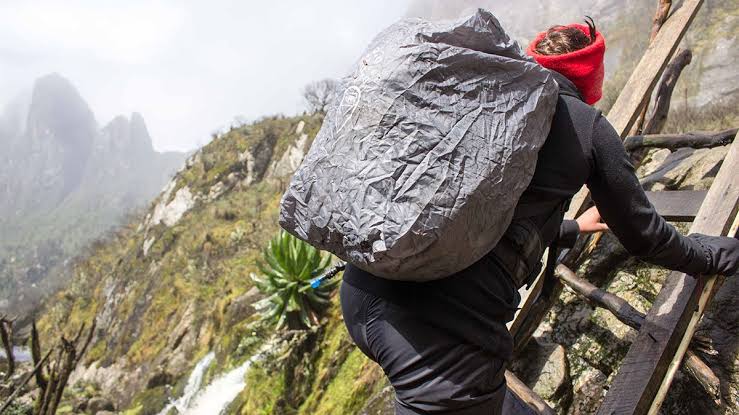
Bwindi and Volcanoes National Park’s forest interior sees frequent, often sudden rain regardless of season, meaning a reliable rain cover for camera bodies and lenses, along with silica gel packs to manage humidity inside camera bags overnight, genuinely protects sensitive equipment throughout a multi-day trekking trip.
Working With Rangers to Improve Photographic Positioning
Experienced rangers and trackers often have a genuine sense of how a gorilla family is likely to move within the encounter’s limited timeframe, and photographers who communicate their compositional goals clearly, wanting a clear sightline to a specific individual, for instance, often find rangers genuinely willing to help position the group accordingly within the strict constraints of safe viewing distance.
Photographing Golden Monkeys as a Complementary Subject
Rwanda’s golden monkey trekking offers a genuinely different photographic challenge from gorillas, considerably faster subject movement through bamboo canopy that rewards faster shutter speeds and more reactive shooting technique, making it a genuinely worthwhile addition for photographers wanting real variety within the same overall trip.
Understanding Depth of Field in Dense Forest Settings
Shooting with a wide aperture to manage low light also produces a shallow depth of field, meaning careful focus placement on a gorilla’s eyes becomes genuinely critical, since even a small focus miss can render an otherwise well-composed, promising image entirely unusable at typical trekking distances.
Video Considerations for Gorilla Encounters
Photographers wanting to capture video alongside stills should test camera settings for both formats before the trip, since switching between photo and video modes during the limited one-hour encounter costs valuable time that could otherwise go toward capturing additional still images of genuine, fleeting behavioural moments.
Packing a Photography Kit That’s Actually Manageable on the Trail
Given the genuine physical demands of forest trekking, photographers should resist the temptation to carry every possible lens and accessory, instead selecting a focused kit, one versatile zoom lens, spare batteries, and minimal additional gear, that can genuinely be carried comfortably across potentially several hours of uneven, often muddy forest terrain.
Learning From Camera Settings Used by Professional Wildlife Photographers
Researching the specific camera settings, aperture priority mode, back-button focus, continuous autofocus tracking, that professional wildlife photographers commonly use for primate photography specifically, rather than general wildlife settings, genuinely helps prepare for the forest’s particular technical demands well before arrival on site.
Booking a Photography-Focused Guide
Requesting a guide with genuine, specific photography experience, rather than a generalist tracker unfamiliar with those needs, genuinely improves positioning and patience during key moments, since photography-focused guides understand the genuine value of holding a position for better light or composition rather than moving the whole group along purely for scheduling efficiency.
Common Questions About Photographic Gorilla Safaris
Photographers often ask whether a professional-grade camera body is genuinely necessary for good results, and while advanced equipment genuinely helps in low light specifically, many travellers still capture excellent images with more modest cameras simply by understanding the forest’s specific lighting challenges and positioning themselves thoughtfully during the encounter itself. Another common question concerns whether extra time can be requested for photography specifically, and the answer is a firm no, the standard one-hour viewing limit applies uniformly to everyone regardless of any photographic ambitions involved.
Choosing a Sector or Family Known for Photogenic Behaviour
Experienced local operators and guides often know which gorilla families currently have young infants, larger overall group sizes, or particularly active social dynamics, information genuinely worth requesting when booking since it can meaningfully influence the range and quality of photographic opportunities available on a given trekking day.
Insuring Expensive Camera Equipment for the Trip
Photographers travelling with significant camera investment should confirm their travel or specialised equipment insurance covers loss, theft, or damage specifically during forest trekking activities, a detail easily overlooked amid the broader excitement of trip planning but genuinely important given the remote forest settings involved throughout the trek.
Comparing Uganda and Rwanda for Photographic Purposes
Rwanda’s Volcanoes National Park tends to offer somewhat more open bamboo forest terrain compared to Bwindi’s denser rainforest interior, occasionally translating into slightly better light conditions for photography, though both countries deliver genuinely rewarding results and the specific gorilla family and weather on any given day matter more than the country chosen.
Sharing and Printing Images After the Trip
Given how meaningful these images typically become, many photographers plan ahead for how they’ll share or print their best shots, a physical album, a gallery print, or a curated digital slideshow, treating the post-trip presentation with the same care given to the original photographic planning itself.
Planning Your Photographic Gorilla Trekking Trip
Given the genuinely specific technical demands involved, arriving with appropriate gear already tested and thoroughly understood, rather than learning camera settings for the very first time during the actual encounter, makes a genuine, measurable difference to the quality of images ultimately brought home. Done well, a photography-focused gorilla trekking trip delivers a genuinely irreplaceable set of images documenting one of the most remarkable wildlife encounters available anywhere on Earth, images that few other travel experiences could ever hope to match.
Recommended Tours: 3 Days Bwindi Gorilla Trekking | 2 Days Rwanda Gorilla Trekking Safari