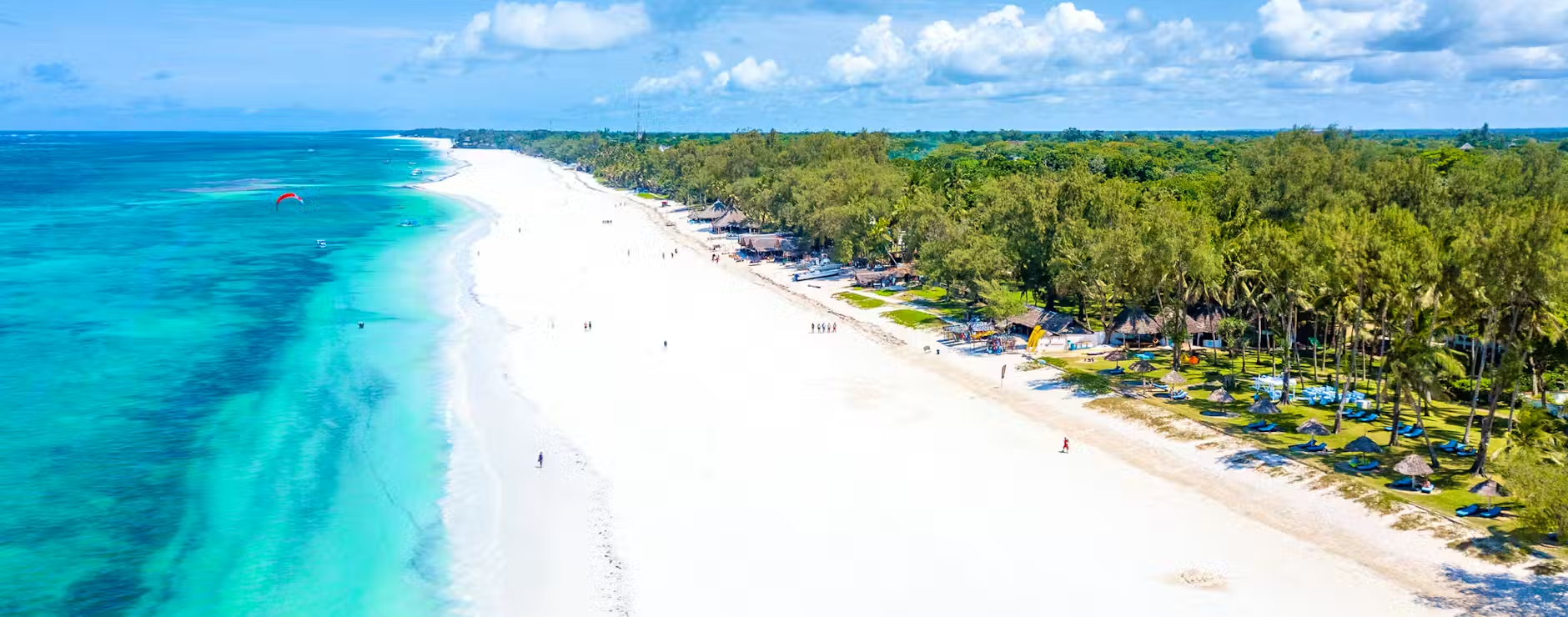
Along the southeastern shoreline of Zanzibar, where the reef breaks the Indian Ocean swell far offshore and leaves a wide lagoon of flat, warm water behind it, sits a village that has quietly become one of the finest kitesurfing destinations on the planet. Paje was once known only for seaweed farming and a scatter of fishing dhows pulled up on the sand. Today it draws riders from Cape Town to Copenhagen, all chasing the same combination of reliable wind, shallow turquoise water, and a laid-back East African pace that makes learning to kite here feel far less intimidating than it does on the gustier, colder coastlines many visitors are used to.
Why Paje Beach Became Zanzibar’s Kitesurfing Capital
Geography did most of the work. Paje sits on a long, gently curving stretch of the island’s east coast, protected by an offshore coral reef that runs almost parallel to the shore. That reef breaks up the ocean swell before it reaches land, which means the lagoon inside it stays relatively flat even when the wind is pumping. For kitesurfing, flat water is gold: it lets riders build speed and control without fighting chop, and it gives beginners a forgiving space to fall without getting knocked around.
The tide also plays a role that visitors don’t always expect. Zanzibar’s east coast experiences a dramatic tidal range, sometimes several metres between low and high water, and the lagoon at Paje can look completely different within a few hours. At low tide, sandbanks emerge and the usable riding area narrows into channels; at high tide, the lagoon fills out into a wide, uninterrupted playground that stretches most of the way to the reef. Kite schools in the village plan their lessons around this rhythm, and experienced riders quickly learn to read the tide charts as closely as the wind forecasts.
The Kaskazi and Kusi Wind Seasons
Paje’s reputation rests on two distinct wind seasons that, together, keep the beach kiteable for the better part of the year. The Kaskazi season runs roughly from December through February and brings a steadier northeasterly trade wind, generally in the range of twelve to twenty knots. This is the gentler of the two seasons, with smoother gusts and warmer, drier weather, and it tends to suit newcomers and intermediate riders who want consistent practice conditions without being overpowered.
The Kusi season, from around May through October, is the stronger and more technical of the pair. Southeasterly winds during this period often sit between eighteen and twenty-five knots, occasionally gusting higher, and the wind typically builds through the morning before peaking in the afternoon. Advanced riders favour Kusi season for exactly this reason: the extra power supports bigger jumps, faster transitions, and the kind of wave-riding that a calmer Kaskazi breeze simply can’t provide. Because the wind at Paje is consistently side-onshore, it also tends to be reliable and predictable day to day, which is part of why the village has built an entire micro-economy around the sport.
Learning to Kitesurf at Paje for the First Time
For newcomers, Paje is arguably one of the most beginner-friendly places in the world to pick up kitesurfing. The lagoon’s shallow, flat water removes much of the fear factor that comes with early lessons elsewhere, and the wide, obstacle-free beach gives instructors plenty of room to set up kites and run through safety briefings before anyone gets near the water. Most schools in the village follow internationally recognised teaching methods, working through kite control on land, body-dragging in the shallows, and water starts, before progressing to your first proper rides across the lagoon.
A typical beginner package spans several days rather than a single afternoon, because kitesurfing genuinely rewards repetition; the muscle memory for managing the kite while balancing on the board doesn’t come from one lesson. Instructors generally recommend booking at least six to nine hours of tuition spread across three or four sessions, timed around the tide so that students get consistent depth and wind conditions rather than fighting an ebbing lagoon.
What to Expect From a Kite School in Paje
Kite schools here range from small, independently run operations with a handful of instructors to larger, well-equipped centres offering accommodation packages alongside lessons. Nearly all of them rent modern kite and board setups, which matters in a sport where equipment condition directly affects both safety and how quickly a beginner progresses. It’s worth asking any school about instructor certification, radio-helmet communication during lessons, and rescue-boat coverage before booking, since standards can vary even within a small stretch of beach.
Many riders who arrive planning to try a single lesson end up staying considerably longer than intended. Paje has that effect: the wind is dependable enough that a rest day rarely turns into a lost week, and the social scene around the beach bars and kite houses makes the downtime between sessions enjoyable in its own right.
Beyond the Kite: What Else Paje Offers
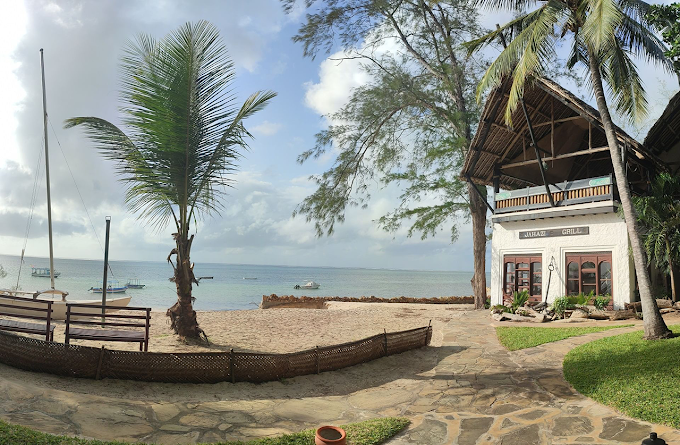
Kitesurfing put Paje on the map, but the village has grown into a broader beach destination that suits travellers who aren’t chasing wind at all. The beach itself is one of the widest and most photogenic on the island, backed by low dunes, palm groves, and a string of guesthouses and boutique hotels that range from simple backpacker setups to more polished beachfront properties. Because the lagoon is so shallow and calm for long stretches of the tide cycle, it’s also a comfortable spot for swimming, paddleboarding, and simply wading out to watch local fishermen work their nets against the sunrise.
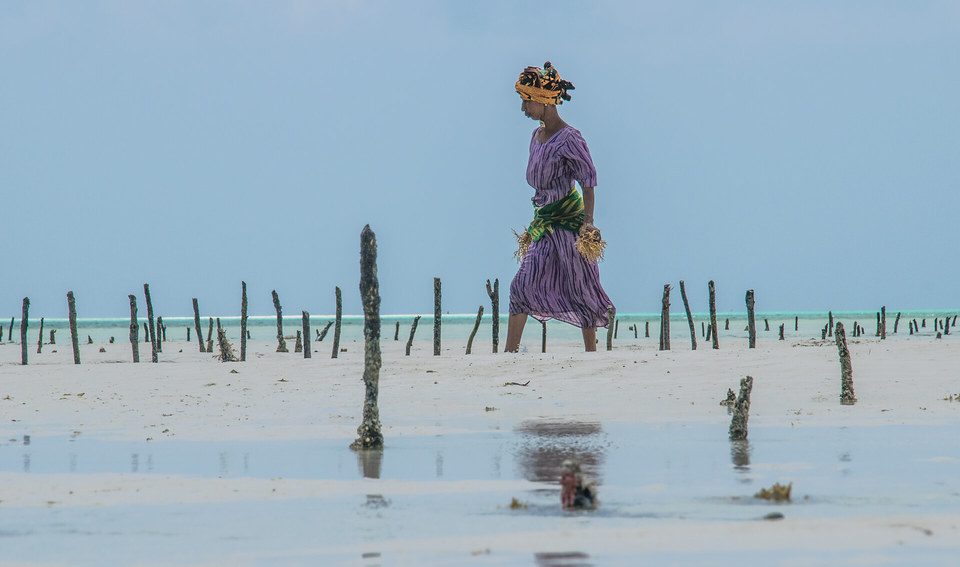
Seaweed farming, the industry that sustained Paje long before kitesurfing arrived, is still visible along parts of the shoreline, where rows of wooden stakes mark out the shallow plots tended mostly by women from the village. It’s a useful reminder that the beach’s tourism boom sits alongside, rather than instead of, a working coastal economy that predates it by generations. Travellers curious about that side of local life can read more in our dedicated piece on Zanzibar’s seaweed farming villages, which covers how the industry works and where to see it up close.
Getting to Paje and Where to Stay
Paje sits roughly forty-five minutes by road from Zanzibar’s main airport near Stone Town, and most visitors arrange a transfer through their accommodation or a taxi from town. The village itself is compact and walkable, strung along a single beach road lined with kite schools, restaurants, and small shops. Accommodation spans a wide price range, and because the wind sports crowd tends to stay for days or weeks rather than a single night, many properties offer discounted rates for longer bookings, particularly during the shoulder months between the two main kite seasons.
Travellers combining a kitesurfing trip with the rest of Zanzibar often base themselves at Paje for the wind-sport portion of the holiday and add a few nights in Stone Town for culture and history, or head north toward Nungwi and Kendwa for a change of coastal scenery. Our comparison of those two northern beaches is a useful next stop for anyone weighing where to split their time on the island.
Safety Considerations Specific to Paje
Because the reef sits some distance offshore, riders at Paje have a genuinely large lagoon to play in, but that space comes with its own hazards worth understanding before renting gear. The tide moves fast on this coast, and a lagoon that looks generous at high water can leave riders stranded on exposed sandbanks or coral as it drops. Local instructors and kite schools track the tide tables daily and will generally advise against heading out during the lowest part of the cycle, when water over the reef and inner sandbanks becomes too shallow to ride safely.
Kitesurfing also carries real risk from gear malfunction and collisions, especially in a lagoon that gets busy during peak Kusi season afternoons. Renting from a reputable school with well-maintained equipment, wearing a helmet and impact vest as a matter of course, and respecting designated riding zones that keep kiters separated from swimmers all go a long way toward keeping the sport as safe as it is fun. Anyone kiting independently, without lessons, should also register with a local school or rescue service so that help can be dispatched quickly if a kite fails or a line tangles far from shore.
Best Time of Year to Visit for Kitesurfing
Choosing between the two seasons largely comes down to skill level and personal preference. Beginners and intermediate riders tend to get more consistent, confidence-building sessions during the Kaskazi months of December to February, when the wind is present but manageable and the weather is at its driest. Advanced riders chasing bigger air and faster runs usually time their trip for the Kusi season from June to October, accepting the occasional overcast day in exchange for stronger, more athletic wind. The shoulder periods in between, particularly April and November, see lighter and less predictable wind, and many kite schools scale back operations accordingly, so it’s worth checking conditions directly with a school before booking a trip built entirely around kitesurfing during those months.
Planning a Paje-Focused Trip
For travellers building an itinerary around the sport, it helps to think of Paje less as a single stop and more as a base for an entire coastal chapter of a Zanzibar holiday. A week here allows enough time to work through beginner lessons properly, take a rest day or two to explore the surrounding villages, and still have energy left for a side trip to Jozani Forest or a spice tour near Stone Town. Longer stays, especially during Kusi season, reward riders with the kind of consistent progress that a rushed weekend simply can’t match, and the village’s slower rhythm makes it an easy place to extend a booking once you’ve felt that first proper gust fill the kite over the lagoon.
Whether the draw is the sport itself or simply the promise of one of East Africa’s most reliable tropical winds, Paje earns its reputation honestly. Between the shallow, protected lagoon, the two clearly defined seasons, and a village fully built around supporting riders of every level, it remains one of the few places in the world where learning to kitesurf feels less like an extreme sport and more like a natural extension of a beach holiday.