
A Region Unmatched in Primate Diversity
East Africa holds one of the richest concentrations of primate species found anywhere on Earth, from mountain gorillas and chimpanzees to golden monkeys, several colobus species, and dozens of smaller monkeys spread across Uganda, Rwanda, Tanzania, Kenya, and DR Congo. This beginner’s guide to primate conservation in East Africa introduces the core species, the threats they face, and the conservation approaches that have, in several notable cases, pulled species back from the edge of extinction, offering newcomers a foundation for understanding just how much sits behind a single gorilla trek or chimpanzee tracking experience.
The Region’s Headline Primate Species
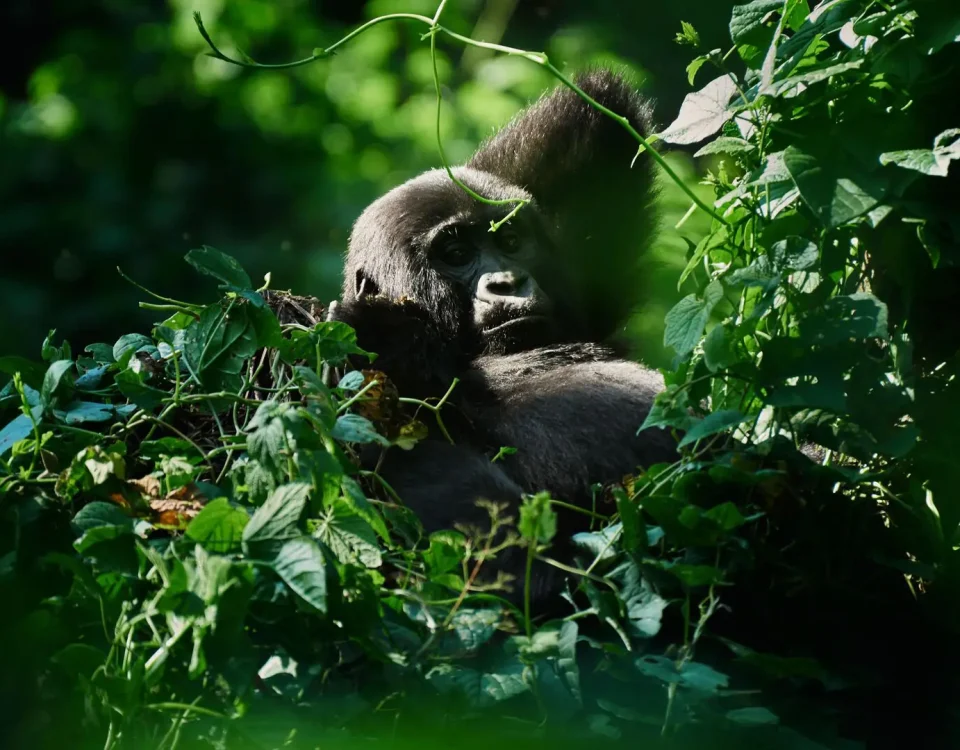
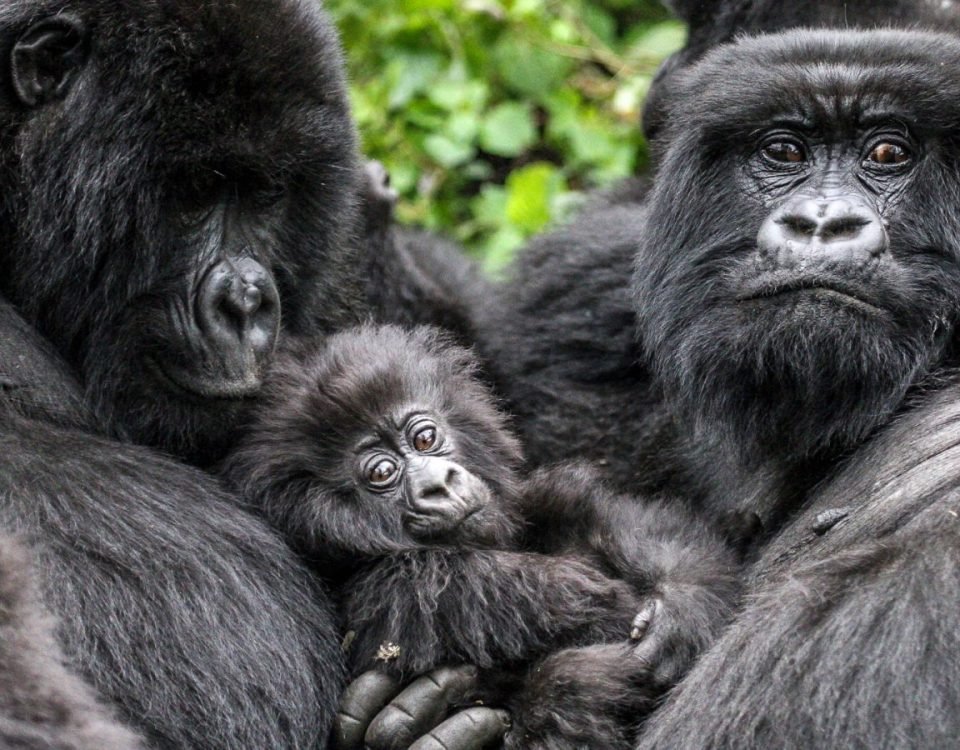
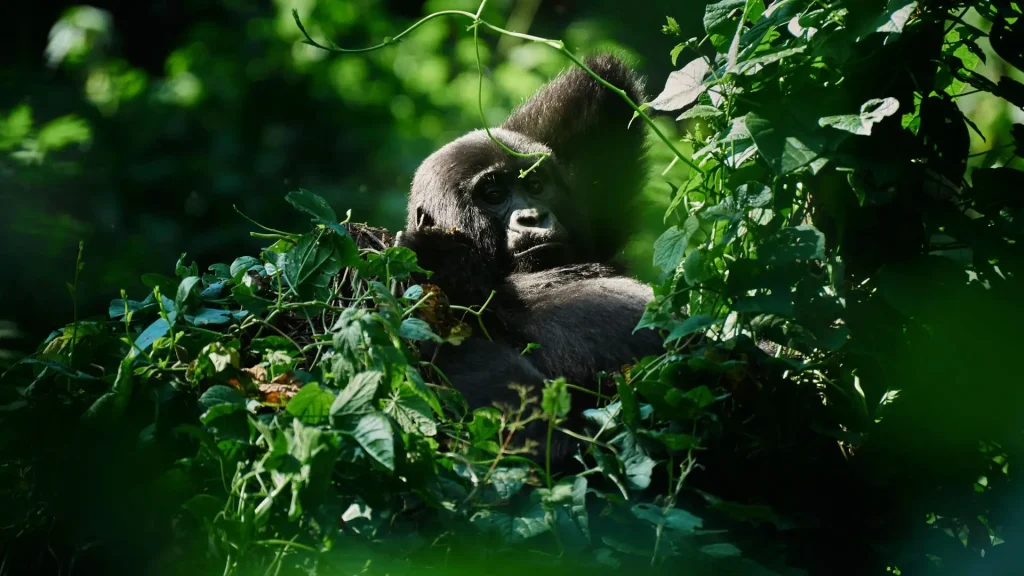
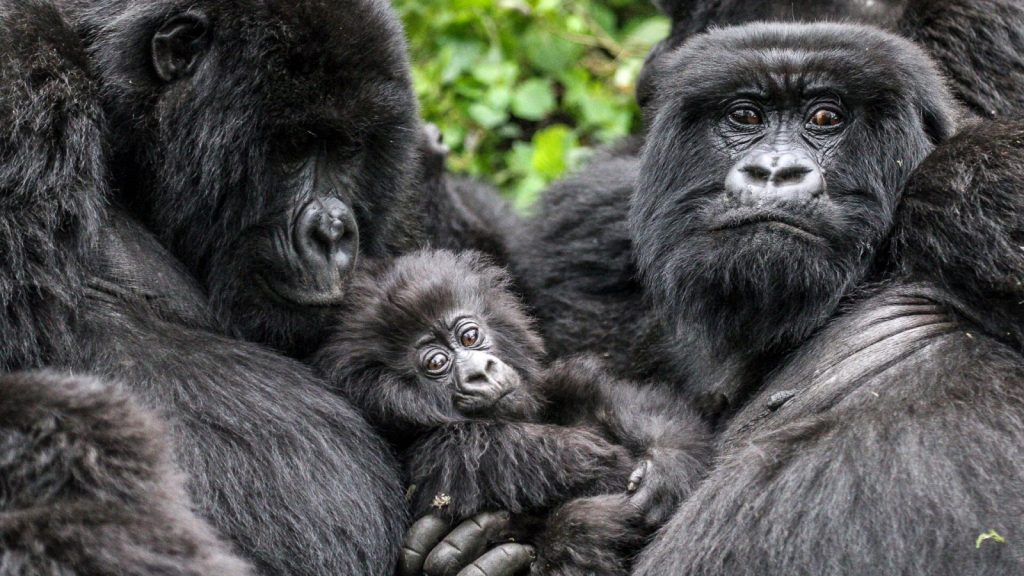
Mountain gorillas, found only in Uganda’s Bwindi Impenetrable Forest and the Virunga Massif spanning Rwanda and DR Congo, represent East Africa’s most iconic primate conservation story, having recovered from roughly 250 individuals in the 1980s to just over 1,000 today. Chimpanzees, considerably more widespread and found across multiple forest reserves in Uganda and Tanzania, including Kibale, Budongo, and Gombe Stream, remain classified as Endangered despite generally healthier population numbers than mountain gorillas. Beyond these two headline species, the region hosts golden monkeys in the bamboo zones of the Virunga volcanoes, several colobus monkey species including the striking black-and-white colobus found throughout montane forests, and, in DR Congo specifically, bonobos found nowhere else on the planet outside the country’s central rainforest basin.
Uganda’s Exceptional Primate Checklist
Uganda alone hosts 13 recorded primate species, an unusually high number for a single country reflecting its position at the intersection of several distinct ecological zones, from the Albertine Rift’s montane forests to the lowland rainforest extending from the wider Congo Basin. This concentration makes Uganda a particularly important country for regional primate conservation efforts, hosting significant populations of species that in many neighboring countries survive in only fragmentary, isolated pockets of remaining habitat.
Common Threats Across Primate Species
While specific pressures vary between species, several threats recur consistently across nearly every primate population in the region. Habitat loss and fragmentation, driven by some of the highest rural population growth rates anywhere in Africa, remains the most pervasive long-term pressure, steadily shrinking and isolating the forest ecosystems primates depend on. Disease transmission poses a particular risk for great apes given their close genetic relationship to humans, while snares set for other bushmeat species continue injuring primates that were never the intended target. Regional instability, particularly in parts of eastern DR Congo, compounds every other threat by disrupting ranger patrols and conservation funding in exactly the areas that most need consistent, long-term protection.
How Conservation Actually Works Here
East Africa’s primate conservation model rests on several interlocking approaches that have proven, collectively, more effective than any single strategy alone. Protected area networks, including national parks and forest reserves across all five countries, provide the legal and physical foundation for conservation, while daily ranger patrols within these areas provide the active protection against poaching, snaring, and illegal encroachment that legal protection alone cannot guarantee. Long-term research programs, tracing back to pioneering work by researchers including Dian Fossey with mountain gorillas and Jane Goodall with chimpanzees, continue generating the detailed behavioral and health data that informs conservation decisions decades after their foundational studies began.
Tourism as a Conservation Funding Engine
Perhaps the most distinctive feature of East Africa’s primate conservation model is how directly tourism revenue funds protection efforts. Gorilla and chimpanzee trekking permits generate substantial income specifically earmarked for park operations, ranger salaries, and community revenue-sharing programs, creating a direct financial link between a healthy, protected primate population and sustained tourism income. This model has proven remarkably effective at aligning conservation goals with local economic interests, giving communities living alongside protected areas a tangible stake in keeping primates, and their habitat, intact rather than viewing them as competition for land and resources.
Community Engagement and Revenue Sharing
Structured revenue-sharing arrangements, channeling a defined percentage of permit fees and park revenue directly into schools, health clinics, and infrastructure projects in neighboring communities, have become a standard feature of conservation policy across Uganda, Rwanda, and increasingly DR Congo. These programs address a real historical tension: many protected areas were created by displacing or restricting access for local communities, and modern revenue-sharing represents an ongoing effort to rebuild trust and demonstrate concrete benefit from conservation, rather than simply imposing restrictions without offering anything tangible in return.
Key Organizations Behind the Work
A network of government agencies and international conservation organizations coordinates much of this work across borders. National wildlife authorities, including Uganda Wildlife Authority and the Rwanda Development Board, manage day-to-day park operations and permit systems within their respective countries, while organizations such as the International Gorilla Conservation Programme facilitate cross-border cooperation specifically for mountain gorilla conservation across the Virunga Massif. The Dian Fossey Gorilla Fund continues operating the Karisoke Research Center Fossey established in 1967, while the Jane Goodall Institute extends her original Gombe research into broader chimpanzee conservation and community education work across multiple countries. The International Union for Conservation of Nature provides the scientific framework for assessing conservation status, tracking population trends, and setting global priorities that inform funding and policy decisions across the entire region.
Beyond Uganda and Rwanda: The Wider Regional Picture
While Uganda, Rwanda, and DR Congo dominate discussions of great ape conservation thanks to mountain gorillas, Tanzania and Kenya each play significant, distinct roles in the region’s broader primate conservation landscape. Tanzania’s Gombe Stream National Park, the site of Jane Goodall’s original chimpanzee research beginning in 1960, and the more remote Mahale Mountains along Lake Tanganyika together protect some of the last substantial wild chimpanzee populations in East Africa outside Uganda. Kenya, while less associated with great ape trekking specifically, contributes significantly to regional primate conservation through protected forest ecosystems like Kakamega Forest, home to several monkey species found nowhere else in the country, and through broader wildlife conservation infrastructure that indirectly supports the region’s overall approach to protected area management and anti-poaching enforcement.
Ongoing Research as a Conservation Tool
Research remains a continuously active ingredient in primate conservation success across the region rather than something completed decades ago and simply maintained. Long-term studies tracking individual gorillas and chimpanzees across generations provide essential data on population health, genetic diversity, and disease patterns, allowing conservationists to detect emerging problems early rather than discovering them only after a population has already declined significantly. Veterinary monitoring programs, including organizations that provide direct medical intervention for injured or sick wild gorillas, represent a practical extension of this research tradition, turning decades of behavioral and health knowledge into immediate, life-saving action when a specific animal or family faces a health crisis.
Genuine Success Stories Worth Recognizing
Mountain gorilla recovery stands as the clearest primate conservation success story in the region, and one of the very few examples globally of a great ape population increasing rather than declining, a shift significant enough that the IUCN downgraded the subspecies from Critically Endangered to Endangered in 2018. Rwanda’s broader conservation and tourism model, rebuilding a national conservation infrastructure in the decades following the 1994 genocide, offers a similarly notable example of how sustained investment and clear policy can produce measurable ecological recovery even after severe disruption. These successes did not happen automatically; they reflect decades of sustained funding, research, and political commitment that remain necessary to protect the gains already made and extend similar progress to less secure primate populations elsewhere in the region.
How Travelers Can Genuinely Contribute
Visitors hoping to support primate conservation in East Africa contribute most directly and effectively simply by trekking responsibly through licensed, well-regulated programs, since permit fees fund the majority of on-the-ground protection work across the region. Choosing reputable tour operators who follow ethical wildlife viewing practices, respecting all trekking rules and distance guidelines, and supporting community-based tourism initiatives near protected areas all extend this contribution further. Donations to established conservation organizations working directly in the region offer another meaningful avenue for support, particularly for travelers wanting to contribute beyond a single trip.
Where to Begin as a Newcomer
For visitors new to the subject, a trek through Bwindi Impenetrable National Park or Kibale National Park offers the most direct, tangible introduction to East Africa’s primate conservation story available anywhere, combining a genuinely moving wildlife encounter with a firsthand look at the infrastructure, research, and community partnerships sustaining it. Understanding even the basics covered in this guide transforms that encounter from a simple wildlife sighting into a clearer view of one of conservation’s most complex, collaborative, and in several important respects genuinely successful ongoing efforts, one that depends, in no small part, on every visitor who chooses to trek responsibly and return home as an informed advocate for the primates and forests they encountered.
This guide has only scratched the surface of a genuinely deep and evolving subject. Readers interested in going further will find dedicated articles throughout this site covering individual species behavior, specific park ecosystems, and the historical development of conservation programs across each country, each adding another layer of detail to the broad picture introduced here. Primate conservation in East Africa is neither finished nor guaranteed, but the record of the past four decades offers real, evidence-based reason for cautious optimism, provided the funding, research, and political commitment that produced today’s gains continue well into the future.