Africa’s Oldest Living Apex Predator
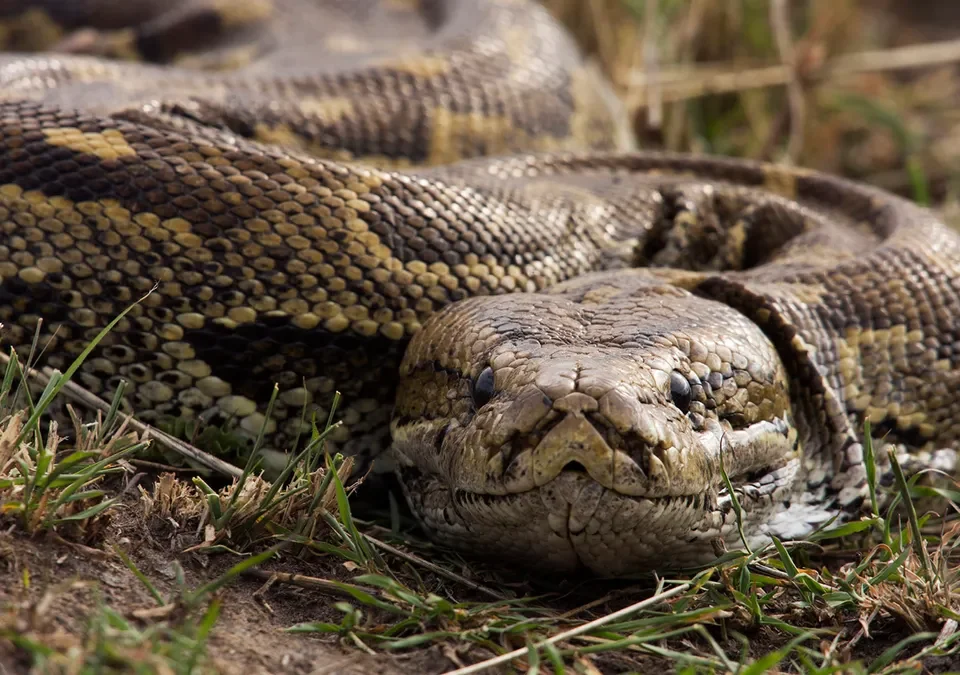
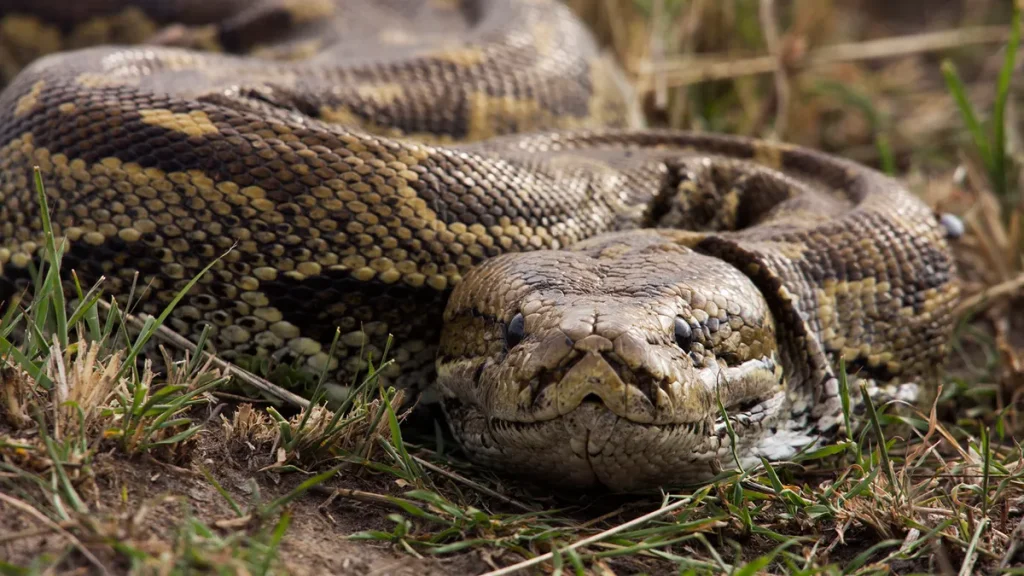
Few animals encountered on an East African safari carry quite the same sense of ancient, unhurried menace as the Nile crocodile. A lineage stretching back tens of millions of years, remarkably similar in basic body plan to crocodilians that shared the planet with dinosaurs, the Nile crocodile has changed comparatively little across an extraordinary span of evolutionary time, a testament to just how effectively its combination of armored hide, ambush patience, and raw bite force has served the species across changing climates and shifting continents. Found throughout the major river systems and lakes of Uganda, Kenya, Tanzania, and beyond, the Nile crocodile remains one of the continent’s most formidable, and most consistently underestimated, apex predators.
Size, Strength, and a Genuinely Fearsome Bite
Adult Nile crocodiles typically reach lengths between three and five meters, with exceptionally large individuals occasionally exceeding six meters, making the species the second-largest crocodilian on Earth after the saltwater crocodile of Australia and Southeast Asia. Their bite force ranks among the strongest measured in any living animal, sufficient to crush bone and shell with ease, though the muscles responsible for opening the jaw are comparatively weak, meaning a crocodile’s mouth can, in principle, be held closed by a person’s bare hands, a detail wildlife handlers occasionally demonstrate but one that should never be attempted outside of controlled, professional circumstances given the animal’s sheer power and unpredictable temperament.
The Ambush Strategy
Nile crocodiles hunt primarily through patient ambush, submerging with only their eyes and nostrils visible above the waterline for extended periods while waiting motionless for prey to approach the water’s edge to drink. Once within striking range, a crocodile launches an explosive lunge, seizing prey and dragging it into deeper water where a combination of drowning and the notorious death roll, a rapid spinning motion used to disorient prey and tear away manageable pieces of flesh, proves lethal even against animals many times the crocodile’s own body weight, including wildebeest, zebra, and occasionally young hippos or buffalo caught at a vulnerable moment near the water’s edge.
The Mara River Crossings: Crocodiles at Their Most Dramatic
Nowhere is the Nile crocodile’s predatory power more vividly on display than during the annual wildebeest migration’s river crossings, particularly along the Mara River, where enormous, long-established crocodiles gather each year to intercept migrating herds forced to cross open water in vast, chaotic numbers. These crossings, covered in considerably more location-specific detail in our guide to wildebeest crossings at the Mara River, represent one of the most dramatic and intensely documented predator-prey spectacles anywhere in the natural world, with some of the river’s resident crocodiles believed to be well over a century old, having witnessed and fed upon countless migration cycles across an extraordinarily long individual lifespan.
Digestion Built for Feast and Famine
Nile crocodiles possess an extraordinarily efficient digestive system, including some of the most acidic stomach conditions recorded in any vertebrate, capable of dissolving bone, horn, and even hooves over time. This digestive capability allows crocodiles to extract maximum nutritional value from large, infrequent meals, and combined with an unusually low metabolic rate for an animal of their size, permits a crocodile to survive for many months between substantial feeding opportunities, an adaptation that suits the boom-and-bust feeding pattern created by seasonal migration crossings and fluctuating prey availability throughout the rest of the year.
Family Life and Surprising Maternal Care
Despite their fearsome reputation, female Nile crocodiles display genuinely attentive maternal behavior, guarding nests of buried eggs for the roughly three-month incubation period and, upon hearing high-pitched calls from hatching young, carefully excavating the nest and gently carrying hatchlings to the water in her mouth, the same jaws capable of crushing bone employed here with remarkable, deliberate gentleness. Mothers continue guarding young hatchlings for several weeks after hatching, a period during which the tiny, vulnerable crocodiles face serious predation risk from herons, monitor lizards, fish, and even other crocodiles, meaning survival to adulthood remains genuinely rare despite a female’s considerable parental investment, with only a small fraction of any given clutch typically surviving to maturity.
Temperature-Dependent Sex Determination
Like many reptile species, Nile crocodile offspring do not have their sex determined genetically at fertilization but rather through the temperature at which eggs incubate within the nest, with cooler temperatures generally producing female hatchlings and warmer temperatures producing males within a specific range. This temperature-dependent sex determination makes crocodile reproduction genuinely sensitive to nest site selection and broader climate conditions, since shifts in average incubation temperature, whether from nest placement choices or longer-term climate change, carry the potential to skew population sex ratios in ways that could meaningfully affect long-term breeding success across a given river system.
Coexistence With Hippos and Other River Residents
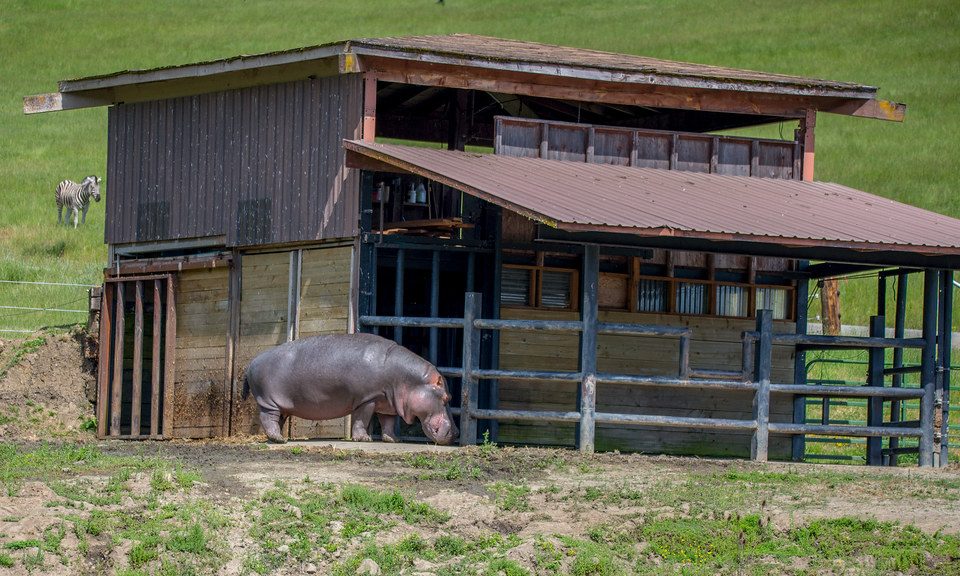
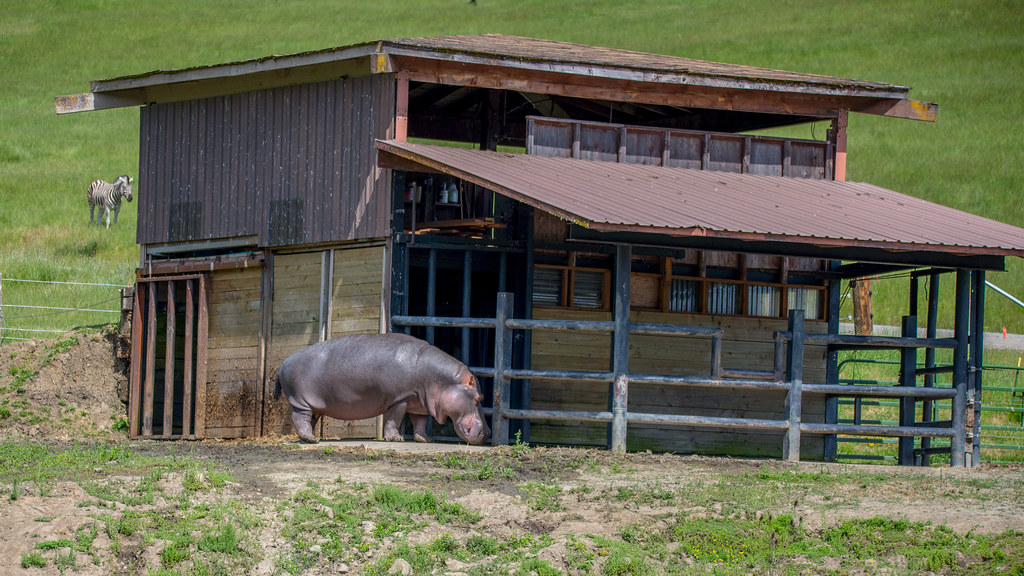
Nile crocodiles frequently share riverbanks and lake shorelines with hippo pods, an arrangement that appears, at first glance, unexpectedly peaceful given the fearsome reputation both species carry independently. Direct conflict between the two is relatively uncommon, largely because adult hippos are generally too large and aggressive for a crocodile to safely target, and hippos, for their part, tend to tolerate basking or swimming crocodiles provided they maintain reasonable distance from calves. This uneasy coexistence occasionally breaks down, however, particularly around vulnerable hippo calves or when a crocodile strays too close to a female hippo during a sensitive period, encounters that can turn suddenly and seriously violent, underscoring that the apparent calm shared between these two dominant aquatic species reflects mutual wariness rather than any genuine truce.
Where to See Nile Crocodiles Across East Africa
Beyond the famous Mara River crossings, Nile crocodiles remain abundant and easily observed across numerous East African waterways, including the Nile itself around Murchison Falls, Uganda’s Kazinga Channel, Lake Victoria’s shoreline, and Tanzania’s major river systems. Boat safaris offer a particularly rewarding way to observe crocodile behavior at close, safe range, since much of a crocodile’s most interesting activity, basking with mouth agape to regulate body temperature, submerging in ambush position, or interacting with the abundant hippo populations sharing the same waterways, unfolds directly along accessible riverbanks and shorelines rather than in more remote or inaccessible terrain.
A Longevity Most Mammals Cannot Match
Nile crocodiles are among the longest-lived vertebrates in Africa, with wild individuals regularly reaching seventy years of age and some exceptional individuals, particularly large, dominant river residents, believed to survive well beyond a century under favorable conditions. This exceptional lifespan means a single crocodile can persist as a fixture of a particular river stretch or lake shoreline across multiple generations of human observers, and long-term researchers studying specific populations, including those monitoring the Mara River’s resident crocodiles, have documented individually recognizable animals maintaining consistent territorial behavior and feeding patterns across decades of continuous observation, a rare opportunity for genuinely long-term behavioral study unavailable with most other large predator species.
Social Hierarchy Within Shared Waterways
Despite their solitary hunting style, Nile crocodiles occupying the same stretch of river or lake shoreline establish a genuine dominance hierarchy, with the largest, most powerful individuals claiming the most productive basking sites and ambush positions while smaller or younger crocodiles are relegated to less favorable locations. This hierarchy is reinforced through a range of threat displays, including deep, guttural vocalizations, jaw-slapping against the water’s surface, and, when displays fail to resolve a dispute, direct physical confrontation between rival males, particularly during the breeding season when competition for mating access intensifies considerably across a shared territory.
Conservation Status and Historical Recovery
The Nile crocodile is currently classified as Least Concern by the International Union for Conservation of Nature, a genuine conservation recovery story following a period of severe population decline during the twentieth century driven by intensive hunting for skins used in the leather trade. Coordinated protection efforts and regulated, sustainable harvesting programs across much of the species’ range allowed populations to rebound substantially from their mid-century lows, though localized threats including habitat degradation, pollution, and human-wildlife conflict around increasingly shared water resources remain ongoing management concerns in several parts of its range. Detailed population information is available through the IUCN Red List assessment of the Nile crocodile, which documents the species’ status and recovery trajectory across sub-Saharan Africa.
For safari travelers, the Nile crocodile offers a genuinely different category of wildlife encounter than the mammals typically dominating a first-time itinerary, a reptilian predator whose evolutionary success story spans a timescale that makes even elephants and rhinos look like relative newcomers, and whose combination of patient stillness and explosive power continues to command exactly the wary respect it has earned across millions of years sharing East Africa’s rivers and lakes with everything unfortunate enough to need a drink of water. A boat safari that pauses long enough beside a basking crocodile, jaws propped open in the sun, offers a rare chance to study that ancient design up close, at a safe and entirely comfortable distance from the water’s edge, and a reminder that some of the continent’s most compelling wildlife stories belong not to fur and mane but to scale and jaw.