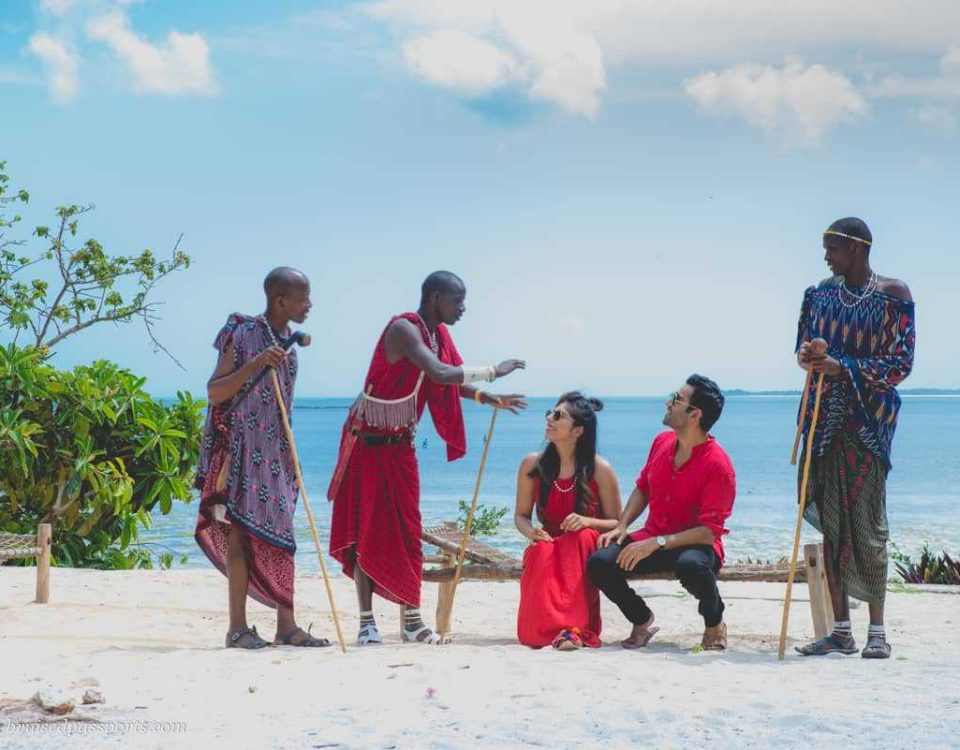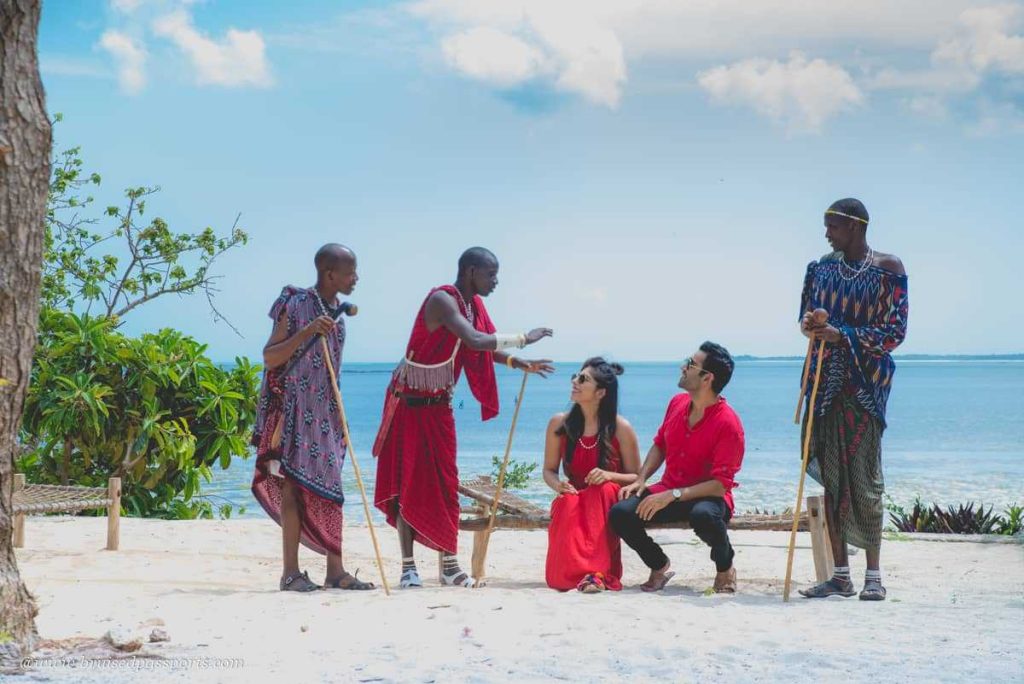
Few images summon East Africa as instantly as a Maasai elder wrapped in a red shuka, staff in hand, watching cattle graze across the open plains of the Mara or the Serengeti. Yet the picture on a postcard rarely explains who the Maasai actually are, how their society is organized, or how a people so closely associated with tradition are navigating a fast-changing twenty-first century. Understanding the Maasai people means looking past the tourist snapshot toward a genuinely sophisticated social system built around age, cattle, and a spiritual worldview that has adapted, rather than vanished, under generations of pressure.
Who Are the Maasai People
The Maasai are a Nilotic ethnic group whose ancestors migrated south from the Nile Valley region over several centuries, eventually settling the Rift Valley savanna straddling what is now southern Kenya and northern Tanzania. Population estimates vary depending on the source and how identity is counted, but most figures place the combined Maasai population across both countries somewhere between one and one and a half million people, making them one of the region’s most recognizable, if not most numerous, ethnic communities.
A Shared Maa Language and Nilotic Origin
Maasai communities speak Maa, a Nilotic language related to those spoken by the Samburu of north-central Kenya, who share deep linguistic and cultural roots with the Maasai despite having developed distinct traditions of their own after their ancestors diverged and settled different territories. Our guide to Samburu culture and traditional life traces that shared ancestry in more depth and highlights where the two peoples’ customs part ways.
Where Maasai Communities Live Today
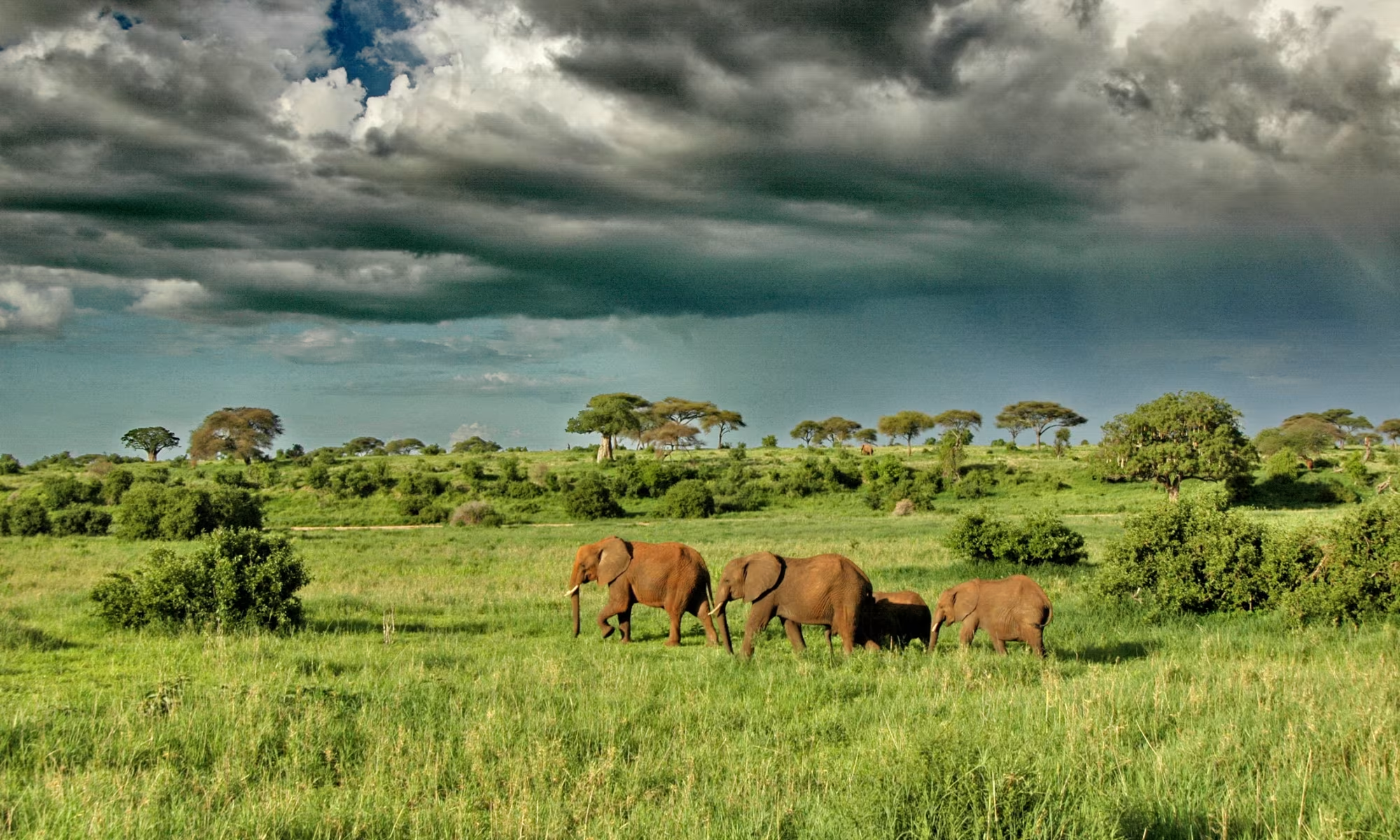
Maasai homeland historically stretched across a broad arc of savanna from central Kenya down through northern Tanzania, though colonial-era land alienation and the creation of protected areas such as the Maasai Mara, Amboseli, and the Serengeti-Ngorongoro ecosystem significantly reduced the territory available for traditional grazing over the twentieth century. Many Maasai communities today live in close proximity to these same parks and conservancies, a relationship that carries both tension, over grazing access and historical displacement, and opportunity, through conservancy lease payments and tourism partnerships that now form an important part of household income in many areas.
The Age-Set System That Shapes Maasai Life
Maasai society is organized less around family lineage alone than around age-sets, formal groups of same-generation men who move together through a shared sequence of life stages, each with its own name, responsibilities, and rituals. This structure governs far more than ceremony; it determines who holds authority within the community, who is expected to defend cattle and territory, and who is responsible for settling disputes and guiding younger members through their own transitions.
From Boyhood to Moranhood
Boys traditionally pass through circumcision in their early to mid-teens, an event that formally admits them into a new age-set and marks the beginning of moranhood, the warrior stage historically associated with defending cattle and community against raiders and predators. Morans traditionally lived apart from the main settlement in a semi-communal warrior camp, though this practice has become less rigid in many communities as formal schooling increasingly competes with the traditional warrior period for young men’s time.
Elders and the Passage of Authority
After roughly a decade as morans, an age-set undergoes a further ceremony, often called eunoto, that formally elevates its members to junior elder status, granting them the right to marry and take a more active role in community decision-making. Senior elders, having passed through this transition decades earlier, hold the greatest social authority, and their counsel remains central to resolving disputes and interpreting custom even in communities that have otherwise embraced considerable change.
Cattle at the Center of Maasai Belief and Economy
Cattle occupy a position in Maasai life that goes well beyond simple livestock-keeping, functioning simultaneously as currency, social status marker, and the central element in marriage negotiations, dispute settlements, and religious offerings. Traditional Maasai belief holds that Enkai, the divine creator, granted all the world’s cattle to the Maasai at the beginning of time, a foundational narrative that has historically shaped both the community’s strong pastoralist identity and, in earlier generations, attitudes toward cattle held by neighboring groups. Wealth within Maasai society has traditionally been measured in herd size rather than land or currency, and a family’s cattle numbers directly influence its standing, its ability to arrange favorable marriages, and its resilience during drought years when herds can be depleted rapidly.
Spiritual Life and the Presence of Enkai
Traditional Maasai spirituality centers on Enkai, sometimes rendered Engai, a single divine force associated with the sky and understood in two aspects, a benevolent black Enkai linked to rain and abundance and a vengeful red Enkai linked to drought and hardship. Prayer and ritual, including cattle sacrifice at significant life events, are directed toward maintaining favor with Enkai, and Ol Doinyo Lengai, an active volcano in northern Tanzania whose name translates as “Mountain of God,” holds particular sacred significance within this belief system. Christianity has made considerable inroads into many Maasai communities over the past century, and it is common today to find traditional spiritual practice coexisting alongside church attendance, with families moving between both frameworks depending on the occasion and generation involved.
Traditions of Beauty, Beadwork, and Dress
Beadwork ranks among the most visually striking elements of Maasai material culture, with intricate collars, necklaces, and jewelry communicating information about a wearer’s age, marital status, and social standing through color and pattern. The subject is rich enough to merit its own dedicated exploration, and our piece on Maasai beadwork and craft culture covers the specific meanings behind different colors and patterns, along with how the craft has evolved commercially in recent decades. The red-checked shuka, the woven cloth wrap now globally associated with Maasai identity, is a comparatively recent addition to the tradition, having largely replaced hide and skin garments only from the 1960s onward as commercial cotton cloth became widely available, though red’s continued dominance echoes the same symbolic association with cattle, blood, and bravery found throughout Maasai beadwork.
Ceremonies That Mark a Maasai Life
Circumcision and the Adumu Jumping Dance
Circumcision ceremonies for both boys and girls historically marked entry into new life stages, though female genital cutting is now formally illegal across Kenya and Tanzania and has become the focus of extensive community-led advocacy promoting alternative rites of passage that preserve ceremonial meaning without the harmful practice itself. Male ceremonies typically involve several days of preparation, communal celebration, and the adumu, the vertical jumping dance widely recognized from photographs and documentaries, performed by morans in a display of stamina and athletic skill that also functions as a subtle form of competitive courtship display.
Marriage and Bridewealth
Marriage among the Maasai traditionally involves negotiation between families and the transfer of bridewealth, typically cattle, from the groom’s family to the bride’s, formalizing the union and cementing an alliance between two households that extends well beyond the couple themselves. Polygyny remains part of traditional Maasai social structure, though the practice has become less common among younger, more formally educated generations, particularly in communities closer to towns and schools.
The Maasai in the Modern World
Education, Land, and Changing Livelihoods
Formal education has expanded substantially across Maasai communities over the past several decades, and a growing number of Maasai now work as teachers, safari guides, conservationists, doctors, and politicians while maintaining strong ties to family land and cattle. Land pressure remains a persistent challenge, as population growth, subdivision of previously communal grazing land, and the expansion of protected areas and private conservancies all compete for the same limited rangeland that traditional pastoralism depends upon, pushing many families toward more diversified livelihoods that combine livestock-keeping with wage labor, small business, or agriculture.
Conservation Partnerships and Tourism
Community conservancies bordering the Maasai Mara and similar ecosystems have become an increasingly significant source of household income, with landowners receiving lease payments in exchange for setting aside grazing land for wildlife tourism, an arrangement that has reshaped the relationship between conservation and pastoralism in ways still being worked out across different conservancies. Tanzania’s own version of this cultural encounter, typically arranged through guided visits to a boma, or homestead, is covered in detail in our guide to Tanzania’s Maasai cultural bomas, which explains what a respectful visit actually involves. Travelers interested in a quieter, less commercialized cultural landscape may also want to read about Kenya’s Loita Hills and its sacred Naimina Enkiyio forest, one of the few Maasai-managed forest landscapes still governed largely through traditional spiritual stewardship rather than formal conservation policy.
Visiting Maasai Communities Respectfully
Travelers who arrange a boma visit or community walk through an established, reputable operator generally find a considerably richer experience than a purely transactional stop, since guides with genuine long-term community relationships tend to convey far more nuance about daily life, belief, and ongoing change than a rushed itinerary allows. Asking permission before photographing individuals, understanding that a visit fee typically supports the specific families hosting the encounter, and approaching the experience with curiosity rather than a checklist mentality all make a meaningful difference to how the exchange is experienced on both sides. The Maasai people’s continued visibility on the world stage, whether through fashion collaborations, conservation partnerships, or simply the enduring image of a red shuka against green savanna, reflects a community that has managed the difficult task of remaining recognizably itself while still adapting, on its own terms, to a rapidly changing region. For further academic background on Maasai social structure and history, the Encyclopaedia Britannica’s entry on the Maasai offers a useful, well-sourced overview.