
Long before rifles and safari vehicles defined how outsiders picture East Africa, bows and spears were the tools that shaped daily survival across the region, used for hunting, herding defence, and, in some communities, still carrying real ceremonial weight today. Traditional archery and spear-throwing cultural experiences give visitors a hands-on way to engage with these skills directly, moving beyond the passive observation of a cultural performance into genuinely trying, and usually humbly failing at first, techniques that took local practitioners years of childhood practice to master.
Rwanda’s Iby’Iwacu Cultural Village
Near Volcanoes National Park, the Iby’Iwacu Cultural Village offers one of the region’s most thoughtfully developed cultural tourism experiences, founded partly by former poachers who turned to community tourism as an alternative livelihood after Rwanda’s conservation programmes closed off hunting access to the surrounding forest. Among the village’s rotating activities, visitors get hands-on instruction in traditional archery and spear-throwing techniques once used for hunting in the very forests now protected for gorilla trekking, taught by community members who grew up learning these skills from parents and grandparents before conservation policy shifted the local economy toward tourism instead. The juxtaposition is deliberate and genuinely moving: skills once used to hunt the forest’s wildlife are now demonstrated as living cultural heritage precisely because that same wildlife is now protected. Visitors typically spend part of a village visit trying their own hand at both archery and spear-throwing under direct instruction, with community members offering good-natured coaching and encouragement as first attempts inevitably miss the mark by a wide margin, a genuinely humbling contrast to the effortless accuracy demonstrated moments earlier by instructors who’ve practised the technique since childhood.
Maasai Spear-Throwing in Kenya and Tanzania
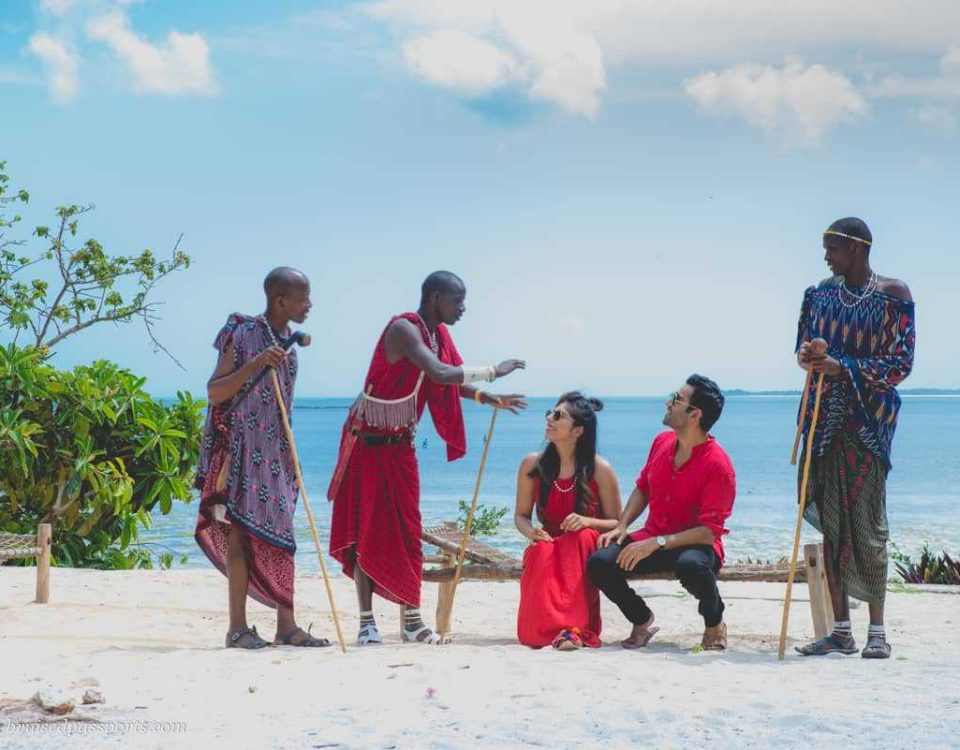
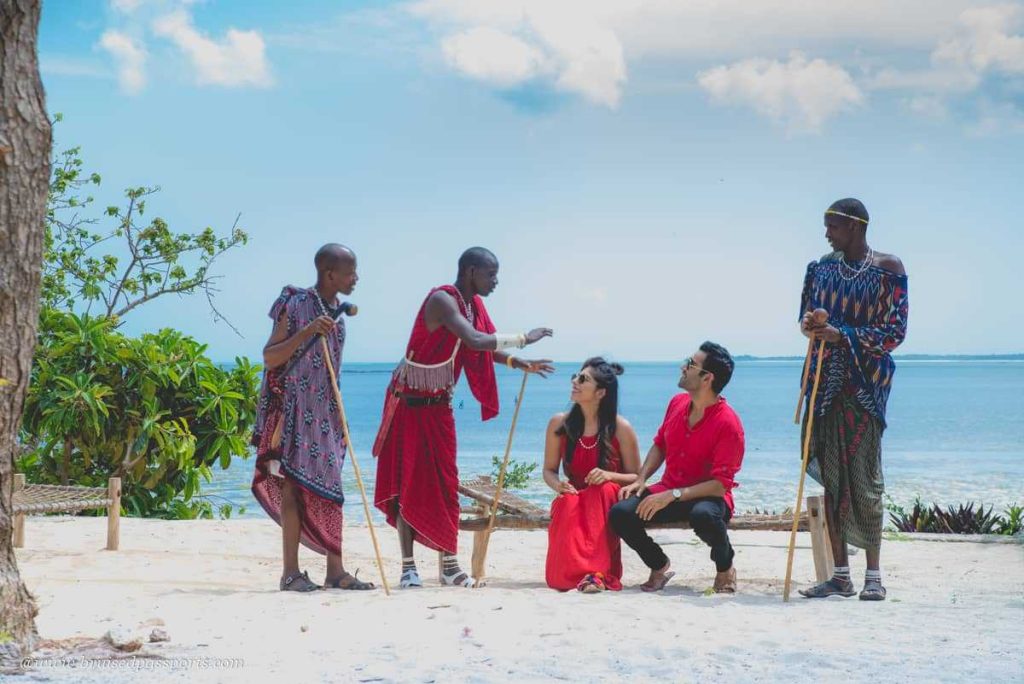
Across Maasai communities in both Kenya and Tanzania, spear-throwing retains genuine cultural significance beyond tourism demonstration, historically tied to rites of passage, cattle defence against predators, and warrior status within traditional age-set systems. Cultural village visits across the Maasai Mara ecosystem and northern Tanzania commonly include a spear-throwing demonstration and hands-on attempt for visitors, typically alongside the adjumu, the vertical jumping display Maasai warriors are widely known for internationally. Visitors should approach these demonstrations understanding that, while adapted for tourism presentation, the underlying skill and cultural weight behind Maasai spear-throwing remains genuinely rooted in the community’s own history and ongoing traditions rather than an invented performance created purely for outside audiences, and asking a guide directly about that distinction usually opens up a far richer conversation than simply watching the display in silence.
Batwa Archery Traditions in Uganda
Uganda’s Batwa communities, displaced from their traditional forest home when Bwindi Impenetrable Forest and Mgahinga Gorilla National Park were gazetted for gorilla conservation, maintain archery traditions tied directly to their historical identity as forest hunter-gatherers. Batwa cultural experiences around Bwindi and Mgahinga often include archery demonstrations using traditional bows crafted from local materials, taught by community elders who learned the skill during the years before displacement fundamentally changed how Batwa communities could access and use the forest. These experiences carry particular weight given the Batwa’s complicated, often difficult history with conservation policy, and visitors engaging with Batwa cultural tourism should approach it with awareness of that broader context rather than treating it purely as light entertainment. Many Batwa guides weave their own family history directly into the demonstration, explaining specific techniques their parents or grandparents used within the forest before relocation, giving the session a personal, first-hand dimension that a purely generic cultural performance elsewhere might lack.
What a Hands-On Session Actually Involves
Instruction and Safety
Most cultural village archery and spear-throwing sessions begin with a demonstration by an experienced community member, followed by supervised attempts by visitors using safe, appropriately calibrated equipment rather than full-power traditional weapons. Instructors typically adjust technique guidance for complete beginners, focusing on basic stance, grip, and release mechanics rather than expecting any prior experience, and sessions are generally structured to be genuinely accessible to visitors of a wide range of ages and physical abilities.
Cultural Context Alongside the Physical Activity
The strongest cultural tourism operators pair the hands-on activity with genuine explanation of its historical and continuing cultural significance, rather than presenting archery or spear-throwing as an isolated novelty activity disconnected from any broader context. Visitors get more out of these experiences by asking questions directly, about how a specific technique differs from community to community, what role the skill played historically, and how it connects to broader traditions still practised today, rather than simply taking a few throws and moving on to the next stop on a village tour itinerary.
Approaching These Experiences Respectfully
Traditional archery and spear-throwing demonstrations sit within a broader conversation about cultural tourism ethics that’s worth taking seriously. The strongest, most respectful experiences are those developed and led directly by the communities themselves, with proceeds genuinely supporting local livelihoods rather than extracting cultural content for outside profit, and Iby’Iwacu in particular has built a reputation specifically around this community-led model, reinvesting a meaningful share of visitor revenue into local infrastructure, education, and healthcare projects that benefit the wider community rather than a small handful of individuals directly involved in tourism. Visitors should favour operators with clear, direct community partnerships over generic cultural show packages, and should approach every session with genuine curiosity and respect rather than treating community members purely as photo opportunities.
Combining Cultural Experiences With Wildlife-Focused Travel
These experiences work particularly well woven into an itinerary already built around gorilla trekking or broader safari activities, since Iby’Iwacu sits directly adjacent to Volcanoes National Park, Batwa experiences cluster around Bwindi and Mgahinga, and Maasai cultural villages are widely distributed across the Maasai Mara ecosystem and northern Tanzania’s safari circuit. Rather than requiring a dedicated separate trip, a half-day cultural stop incorporating archery or spear-throwing slots naturally between gorilla trekking days or game drive mornings, adding a genuinely different dimension to a trip otherwise focused primarily on wildlife, and giving tired legs a welcome, less physically demanding change of pace from consecutive days of hiking or early-morning drives.
The Craftsmanship Behind Traditional Weapons
Beyond the throwing or shooting technique itself, the weapons involved carry their own craft tradition worth appreciating in its own right. Traditional bows across the region are typically shaped from specific hardwoods chosen for flexibility and strength, strung with sinew, plant fibre, or hide depending on local material availability, and arrows fletched using feathers gathered locally, each element reflecting generations of accumulated knowledge about which materials in a given environment perform best for hunting purposes. Maasai spears similarly reflect careful craftsmanship, with a distinctive long, narrow blade forged by community blacksmiths and a wooden shaft balanced specifically for both throwing accuracy and use as a close-range weapon, a design refined over generations of practical use in genuinely dangerous encounters with predators protecting livestock.
Some cultural villages allow visitors to watch this weapon-making process directly, alongside the throwing or shooting demonstration itself, giving a fuller picture of the skill involved before a single arrow is ever loosed or spear thrown. This pairing of craft demonstration and hands-on practice tends to leave a considerably stronger impression than the physical activity alone, since it grounds the experience in the patient, skilled labour that historically preceded any actual hunting or defensive use of the weapon.
Best Time of Year to Visit
Cultural village visits run year-round regardless of season, since the core activities take place in community settings rather than depending on wildlife movement or specific weather windows. That said, visitors combining a cultural stop with gorilla trekking or game drives should plan around those activities’ own seasonal considerations, generally the dry seasons from June through September and December through February across most of the region, and treat the cultural component as a flexible addition that fits around the rest of an itinerary rather than a fixed scheduling constraint in its own right.
Why These Skills Persist Despite Modern Hunting Restrictions
It’s worth pausing on the fact that archery and spear-throwing skills across much of East Africa have persisted at all, given that conservation policy across the region has, over recent decades, progressively closed off traditional hunting access to protect wildlife populations that tourism now depends on directly. Communities like the Batwa and the poacher-turned-guide founders of Iby’Iwacu didn’t simply abandon these skills once hunting access ended; they redirected them into cultural tourism and education, a transition that’s preserved genuinely valuable traditional knowledge that might otherwise have faded within a generation or two once the practical hunting context disappeared entirely. This makes hands-on cultural tourism experiences more than simple entertainment: they function as a genuine, community-led mechanism for keeping specific traditional skills alive and transmitted to younger generations, who might otherwise have little reason or opportunity to learn techniques no longer needed for daily survival.
Visitors who understand this context tend to engage with these experiences differently, less as a curious novelty and more as direct participation in a living process of cultural preservation, one where tourism revenue plays a genuinely practical role in making that preservation economically viable for the communities involved and in ensuring these skills reach the next generation with their full context and meaning intact.