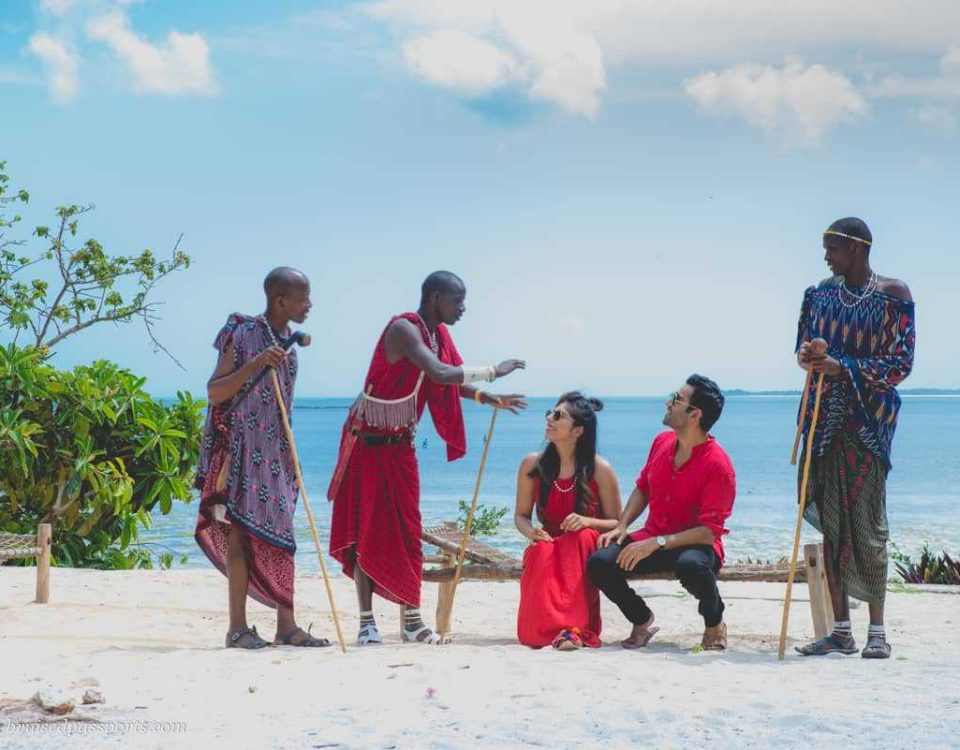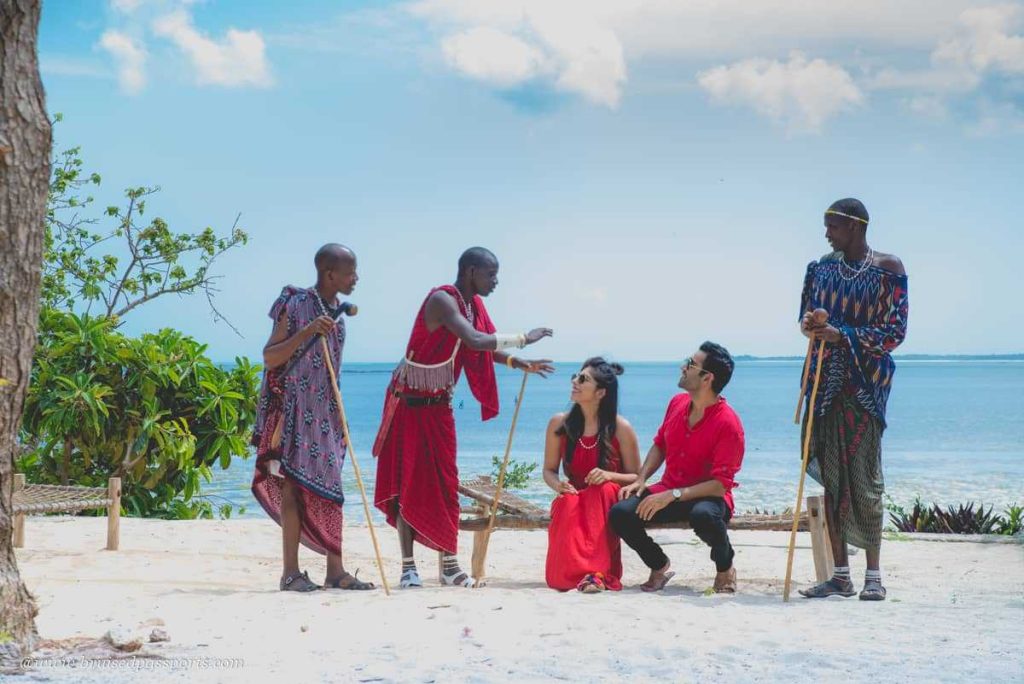

A proper greeting in East Africa is rarely a quick, functional exchange; it is a genuine social ritual, often involving multiple exchanged questions about health, family, and wellbeing before any actual business or conversation begins. A Guide to Greetings and Etiquette Across East Africa covers the specific customs, gestures, and unspoken expectations that shape everyday social interaction across the region, knowledge that transforms a visitor from an obviously unfamiliar outsider into someone genuinely capable of navigating local social life with confidence and respect.
Why Greetings Matter So Much Here
Across most East African cultures, skipping or rushing a greeting to get directly to business is considered genuinely rude, reflecting a broader cultural emphasis on relationship and community explored in more depth in our piece on Ubuntu and community values in East Africa, where a person’s obligations toward others take real social priority over pure efficiency. Taking real time to properly greet someone, ask after their health and family, and allow the exchange to unfold at its natural, unhurried pace signals genuine respect and social awareness in a way that a rushed, purely transactional interaction simply cannot replicate, regardless of how well-intentioned the rushed visitor might actually be.
Swahili Greetings Across the Region
Swahili greetings, widely understood across Kenya, Tanzania, and, to a lesser extent, Uganda given the language’s role as a regional lingua franca, follow recognizable patterns worth learning even for a short visit: “Jambo” or the more colloquial “Mambo” serve as casual general greetings, while “Habari,” meaning news or how are things, invites a specific response describing one’s current state, most commonly “Nzuri,” meaning good or fine. A particularly important Swahili greeting convention involves addressing elders specifically with “Shikamoo,” a term of deep respect to which the appropriate reply is “Marahaba,” a specific exchange that visitors interacting with older community members should make genuine effort to learn and use correctly, since its proper use signals real cultural awareness well beyond generic tourist phrasebook Swahili.
Local Language Greetings Beyond Swahili
Luganda Greetings in Uganda
In Uganda, particularly across the Buganda region and increasingly understood in Kampala more broadly, Luganda greetings offer a genuinely appreciated alternative or supplement to English or Swahili, with “Oli otya” serving as a common how-are-you greeting and “Gyebaleko,” a general expression of appreciation and acknowledgment often used toward someone actively working, both phrases that visitors making the effort to learn typically find warmly, sometimes enthusiastically, received by local hosts and hotel or restaurant staff genuinely pleased to hear an outsider attempting the local language rather than defaulting entirely to English.
Kinyarwanda Greetings in Rwanda
Rwanda’s Kinyarwanda language offers its own distinct greeting conventions, with “Muraho” serving as a general hello and “Amakuru” inviting a response about one’s news or current state, typically answered with “Ni meza,” meaning good or fine, a simple exchange visitors can learn quickly and deploy with genuine local appreciation, particularly outside Kigali’s more internationally oriented tourism establishments where English and French are more commonly the default language of interaction.
Physical Greeting Customs: Handshakes and Beyond
Handshakes remain the most common physical greeting across East Africa for both men and women, though the specific style and duration vary meaningfully by country and context, with a notably gentler, sometimes prolonged handshake common in several communities compared to the brisker, firmer grip typical in many Western business contexts. In some communities, particularly among close friends or age-mates, an extended handshake maintained throughout much of a conversation signals genuine warmth and connection rather than any social awkwardness, a convention that can feel unusual to visitors accustomed to a brief, single-motion handshake followed immediately by physical separation.
Respect for Elders and Age Hierarchy
Deference toward elders runs through East African etiquette consistently, reflecting the significant social authority traditionally vested in older community members across the age-set systems and community structures explored elsewhere in our broader cultural coverage. Practical expressions of this respect include allowing elders to speak first, avoiding direct eye contact that could be perceived as challenging or confrontational in certain formal contexts, and using specific respectful address terms, genuinely worth learning in whatever local language applies to a given region, rather than a generic informal greeting that might read as presumptuous coming from a younger visitor or outsider.
Gift-Giving and Hospitality Etiquette
Visiting someone’s home across most East African communities carries an expectation of small hospitality gestures, bringing a modest gift when invited, accepting offered food or drink graciously rather than declining outright, and reciprocating hospitality when circumstances allow. Refusing an offered meal or drink entirely can register as a genuine social rebuff in communities where hospitality functions as a core expression of welcome and respect, and even a small token acceptance, eating a modest portion or accepting a partial serving, generally proves more socially graceful than an outright refusal, particularly in a rural or more traditionally oriented household setting.
Dining Etiquette and Eating With the Right Hand
Traditional communal meals across much of the region are eaten by hand, and using the right hand specifically for eating and food-related gestures reflects a widely observed etiquette convention across numerous communities, with the left hand traditionally reserved for other purposes and considered less appropriate for direct food contact in many traditional contexts. Waiting for an elder or host to begin eating before starting oneself, and following a host’s specific lead around communal versus individual portions, similarly reflects the broader deference and hospitality customs running through East African social etiquette more generally.
Country-Specific Nuances Worth Knowing
While broad regional patterns connect East African etiquette generally, specific national and ethnic customs introduce meaningful variation: Rwanda’s social culture tends toward a somewhat more formal, reserved public demeanor compared to the more openly expressive social style common in parts of Kenya and Uganda, while coastal Swahili and Muslim communities maintain their own specific etiquette conventions around modest dress, gender interaction, and appropriate greeting style shaped by Islamic custom layered onto broader Swahili coastal tradition. Visitors moving across multiple countries on a single regional trip benefit genuinely from recognizing that etiquette learned in one specific context does not automatically transfer identically to the next, even between neighboring countries sharing considerable cultural overlap.
Photography and Personal Space Etiquette
Asking explicit permission before photographing individuals remains a consistent, near-universal expectation across the region, reflecting genuine, widely shared discomfort with having one’s image captured without consent regardless of how casual or brief the specific encounter might seem to the person holding the camera. Similarly, personal space norms vary from what many international visitors expect, with closer physical proximity during conversation common in several communities, a difference worth recognizing rather than instinctively creating distance in a way that could read as coldness or discomfort to a local conversation partner.
Bringing It All Together as a Visitor
No single guide can fully substitute for direct observation and genuine local guidance, and travelers genuinely committed to respectful etiquette benefit most from watching how local hosts and guides interact with one another, asking direct questions when uncertain rather than guessing, and treating any etiquette misstep with the good humor most communities extend generously to visitors making sincere, visible effort. Our broader piece on respecting local cultures while traveling covers additional general responsible travel principles complementing the specific greeting and etiquette customs detailed here, together offering a genuinely useful foundation for navigating East Africa’s rich social landscape with the confidence and respect it deserves.
Business and Formal Meeting Etiquette
Formal and business settings across East Africa generally maintain somewhat more conservative etiquette expectations than casual social encounters, with punctuality genuinely valued despite a sometimes more relaxed general approach to time in less formal contexts, formal dress expected for significant meetings, and titles and formal address, Mister, Doctor, Professor, and similar honorifics, used consistently until a relationship has developed enough familiarity to shift toward first names, a transition typically initiated by the more senior or older party rather than assumed unilaterally by a visitor. Business meetings frequently begin with the same extended greeting and relationship-establishing small talk found in social contexts, and attempting to skip directly to agenda items without this preliminary relationship-building exchange can genuinely undermine a meeting’s overall tone and effectiveness, regardless of how efficient the direct approach might seem to a visitor accustomed to more transactional business culture elsewhere.
Common Etiquette Missteps to Avoid
Visitors new to East African etiquette most commonly stumble through simple impatience, rushing greetings, appearing visibly eager to move a conversation along, or displaying obvious frustration with a slower, more relationship-oriented pace than they may be accustomed to at home. Public displays of anger or raised voices, even in a genuinely frustrating situation such as a transport delay or service issue, tend to be viewed considerably more negatively across most East African social contexts than a calm, patient, even indirect approach to resolving the same problem, reflecting the broader cultural value placed on maintaining social harmony and avoiding direct confrontation wherever a workable alternative exists. Learning to recognize and adapt to this generally more patient, relationship-first social rhythm, rather than importing an impatient, transaction-focused approach from elsewhere, represents perhaps the single most valuable etiquette lesson a visitor to the region can genuinely internalize.