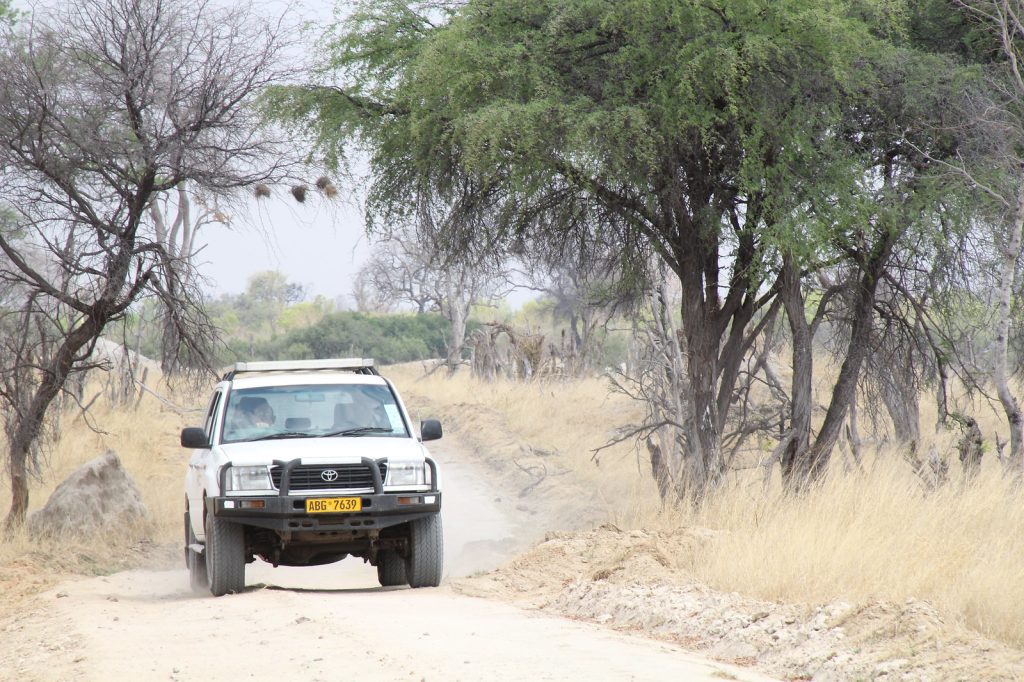
Most visitors experience East Africa through a windscreen, watching the landscape slide past from a safari vehicle’s pop-top roof hatch. That view is unbeatable for wildlife, but it keeps the terrain itself at arm’s length. Get on a mountain bike and the region changes shape entirely: the gradient of a Rwandan tea hill becomes something your legs remember, the dust of a Rift Valley gorge gets under your fingernails, and the sound of a forest is birdsong and your own tyres on volcanic gravel rather than an engine. East Africa’s best mountain biking trails cover rainforest ridgelines, terraced lakeshores, and a volcanic gorge shared with zebra, and together they form one of the continent’s most underrated two-wheeled circuits.
Why East Africa Rewards Cyclists Who Leave the Vehicle Behind
The appeal of mountain biking here isn’t speed or technical singletrack in the way a rider from Colorado or the Alps might expect it. It’s context. Trails wind through working landscapes: smallholder farms terraced into hillsides, fishing villages on lake shores, tea estates laid out in tight green rows. Riders pass through communities rather than around them, which gives the sport in this part of Africa a social texture that pure wilderness riding elsewhere lacks. Add genuinely varied terrain, from bamboo forest at altitude to semi-arid gorge floors, and a two-wheeled itinerary can cover more ecological ground in a week than most road trips manage in two.
Altitude is the other defining factor. Much of Rwanda and southwestern Uganda sits between 1,500 and 2,500 metres above sea level, so climbs that look modest on a map often leave visiting riders breathing harder than expected. Operators build acclimatisation days into longer itineraries for exactly this reason, and it’s worth taking that seriously rather than assuming fitness at sea level translates directly.
Rwanda’s Congo Nile Trail: The Region’s Signature Long-Distance Ride
The Congo Nile Trail is the closest thing East Africa has to a marquee mountain biking route. Running roughly 227 kilometres from Rubavu (Gisenyi) on the northern shore of Lake Kivu down to Kamembe near the Burundi border, it traces the watershed that separates rivers flowing into the Congo Basin from those draining toward the Nile. The full trail typically takes cyclists four to five days, broken into stages that mix red dirt roads, single-track sections through tea plantations, and long lakeside stretches with Lake Kivu’s terraced hills rolling away on one side and open water on the other.
Riding Nyungwe’s Waterfall Trail Above the Rainforest Canopy
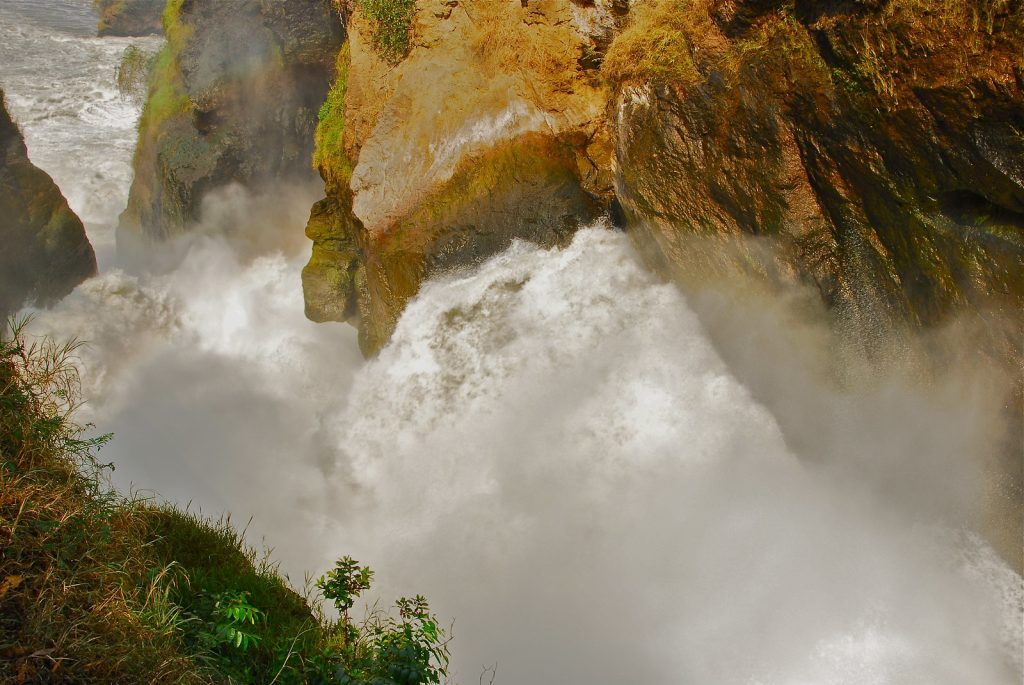
Where the Congo Nile Trail brushes against Nyungwe Forest National Park, a dedicated Waterfall Trail branches off through montane rainforest, climbing steep, rocky sections before dropping riders at a viewpoint over one of the park’s cascades. This stretch draws heavier bike traffic than the open hill sections and demands more technical handling: roots, mud after rain, and sudden elevation changes are the norm rather than the exception. It’s a highlight for riders who want proof that Rwanda’s biking scene isn’t limited to gentle hill roads, and it pairs naturally with a stop to walk Nyungwe’s canopy walkway on foot the following day.
Planning a Multi-Day Congo Nile Crossing
Riders tackling the full trail generally stay in a mix of community guesthouses, small lakeside lodges, and the occasional basic campsite, with a support vehicle carrying luggage between stages for anyone not doing a fully self-supported trip. Rubavu makes a logical starting point since it connects easily to Kigali by road, and finishing in Kamembe puts riders within reach of Nyungwe for gorilla-free primate tracking of a different kind, chimpanzee and colobus monkey trekking in the forest canopy. Late June through September and December through February, Rwanda’s two dry seasons, keep the red laterite surfaces firm and considerably more rideable than during the long rains.
Lake Bunyonyi and the Terraced Hills of Southwestern Uganda
Cross the border into Uganda’s Kigezi highlands and the terrain softens slightly without losing its character. Lake Bunyonyi, ringed by steep terraced hillsides and dotted with small islands, has become one of Uganda’s most established mountain biking bases, largely because the surrounding roads are quiet, well graded by regional standards, and scenic at almost every turn. Rides here typically loop out from Kabale town along ridge roads with the lake appearing and disappearing below, passing homesteads where sweet potatoes and sorghum are grown on slopes so steep they look better suited to goats than to farming.
Kabale’s Ridge Roads and Island Views
Half-day and full-day loops around Bunyonyi suit a wider range of fitness levels than the Congo Nile Trail, which makes the area popular with riders combining a short biking excursion with gorilla trekking in nearby Bwindi Impenetrable Forest or Mgahinga. Local guides know which ridge routes offer the best views over the lake’s islands, including Akampene, the so-called Punishment Island with its dark colonial-era history, and can adjust distance and climbing on the fly. Bunyonyi’s altitude, over 1,900 metres, keeps temperatures cool even at midday, which is a welcome contrast to lower-lying parts of Uganda.
Kenya’s Hell’s Gate: Cycling Among Wildlife in the Rift Valley
Hell’s Gate National Park, just outside Naivasha, offers something almost no other biking destination in the world can: the chance to cycle unaccompanied through a national park among zebra, giraffe, buffalo, and eland, with no predators large enough to pose a real threat to a rider on a bike. The park’s flat valley floor and dramatic volcanic gorge walls, the Ol Njorowa Gorge, make for a very different riding experience from the climbs of Rwanda and southwestern Uganda: this is about scenery and wildlife proximity rather than gradient.
Sharing the Gorge with Zebra and Giraffe
Most visitors rent bikes at the park gate and follow the main road toward Fischer’s Tower, a volcanic plug that also happens to be a popular rock climbing spot, before detouring into the gorge itself on foot for the narrower sections where a bike can’t pass. Giraffe in particular tend to hold their ground rather than bolt, which makes for some of the closest wildlife encounters available anywhere in Kenya outside a vehicle. Early morning starts avoid both the midday heat radiating off the gorge’s dark rock and the stronger winds that pick up over the valley by afternoon.
Beyond the Big Three: Quieter Trails Worth Seeking Out
The Congo Nile Trail, Bunyonyi, and Hell’s Gate draw most of the attention, but they’re not the only worthwhile riding in the region. Mabira Forest, a large tract of rainforest between Kampala and Jinja, offers shaded red-dirt tracks through a reserve known for its birdlife and primates, and its proximity to Uganda’s capital makes it an easy half-day escape for riders based there rather than a dedicated expedition. In Nairobi, Karura Forest occupies a similar niche: a genuinely wild patch of indigenous forest inside city limits, with waterfalls, caves once used as hideouts during Kenya’s independence struggle, and a network of maintained trails that make it one of the more surprising urban rides on the continent. Neither location competes with Rwanda’s climbs or Hell’s Gate’s wildlife for drama, but both are useful additions for riders with an extra afternoon and no interest in spending it in traffic.
Further east, Uganda’s Sipi Falls area on the slopes of Mount Elgon offers rougher, more exploratory riding through coffee-growing communities, with waterfalls as natural rest stops and considerably fewer other cyclists on the road. It suits visitors who’ve already ridden the more established routes and want terrain with less infrastructure and more genuine backcountry feel, accepting that support, spare parts, and English-speaking guides are all thinner on the ground there than around Kabale or Naivasha.
Choosing an Operator and Preparing for the Ride
Independent riding is possible at Hell’s Gate and around Bunyonyi, but the Congo Nile Trail and most multi-day itineraries are better handled through an established operator who can arrange support vehicles, route knowledge, and mechanical backup. Red Dirt Uganda, which has run dedicated mountain biking and cycling safaris in Uganda and Rwanda since 2016, is among the more established specialists in the region and a useful reference point when comparing quoted itineraries. Whichever operator a rider chooses, it’s worth confirming bike quality in advance: rental fleets vary hugely, and a poorly maintained bike on a five-day trail is a genuine liability rather than a minor inconvenience.
Fitness, Bikes, and Safety Considerations
A reasonable baseline fitness for road or gravel cycling translates well to these trails, since technical singletrack skill matters less here than sustained climbing capacity and comfort on rough, unpaved surfaces for several hours a day. Helmets are non-negotiable and should be brought from home if an operator can’t guarantee a well-fitted one. Hydration matters more than most first-time visitors expect: the combination of equatorial sun, altitude, and physical exertion dehydrates riders faster than a similar ride at lower elevation in temperate climates. A basic repair kit, spare tube, and a guide or support vehicle within radio contact are standard requirements on anything beyond a short local loop.
When to Go and How to Combine Biking With a Wider East Africa Itinerary
The dry seasons, roughly June to September and December to February across most of Rwanda and Uganda, offer the firmest trail surfaces and the most predictable weather, though Hell’s Gate in Kenya’s Rift Valley is rideable comfortably for most of the year given its lower rainfall and semi-arid character. Many riders now build a biking leg into a longer safari itinerary rather than treating it as a standalone trip: a few days on the Congo Nile Trail before flying into Kigali for gorilla trekking in Volcanoes National Park, for instance, or a morning at Hell’s Gate ahead of a Maasai Mara game drive. Framed that way, mountain biking stops being a niche add-on and becomes one of the more memorable ways to understand the ground beneath East Africa’s more famous wildlife encounters.