

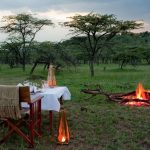
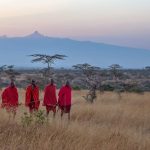
Saying vows with a view of the Serengeti’s endless grassland, or on a Zanzibar beach with the tide going out behind the altar, has become a genuine option rather than a fantasy for couples willing to navigate a bit of extra paperwork and planning lead time. East Africa’s safari lodges and coastal resorts have grown increasingly comfortable hosting full legal weddings for international couples, not just symbolic ceremonies, and the region now has enough infrastructure around this kind of event that a well-planned destination wedding here runs about as smoothly as one anywhere else in the world. The details, however, differ meaningfully from a wedding at home, starting with the legal requirements themselves.
Understanding the Legal Requirements in Kenya
Kenya has a formal, well-documented process for foreign nationals marrying within the country, built around what is known as a Special License, which allows a legal ceremony to take place outside the Registrar’s office, including at a safari lodge or coastal resort. Couples need to be physically present in Kenya for a set period before the application can be submitted, and both parties typically need to register through Kenya’s eCitizen visitor system and provide a Certificate of No Impediment from their home country, confirming there is no legal barrier to the marriage. An additional fee applies specifically for holding the ceremony at a licensed venue outside the Registrar’s office, and safari lodges qualify under this category, meaning a legally binding wedding conducted overlooking the Maasai Mara or within a private conservancy is a genuinely available option rather than something requiring a workaround.
Working With a Local Coordinator for the Kenyan Process
Because the paperwork involves Kenyan government offices and specific waiting periods, nearly every couple planning a legal wedding in Kenya works with a local wedding coordinator or the lodge’s own events team to manage the application process rather than attempting it independently from abroad. A good coordinator will typically outline the exact document list, the required in-country waiting period, and realistic timelines well before the couple arrives, since document requirements can shift and a coordinator familiar with recent registrar practice saves considerable frustration compared to relying solely on older online guides.
Tanzania’s Marriage Notice Process
Tanzania’s system differs in structure but lands in a similar place. Couples must file a formal Notice of Intention to Marry, which is then displayed publicly for a period of twenty-one days before a registrar issues the marriage license, a step built into Tanzanian law to allow any objections to be raised before the marriage proceeds. Foreign couples who cannot accommodate that full waiting period can apply for a special license that bypasses the standard notice period, which is the route most destination wedding couples end up using given the realistic length of most safari trips. A Certificate of No Impediment from the couple’s home country is required here as well, alongside two witnesses who accompany the couple on the wedding date itself. One detail that makes Tanzania particularly appealing for a genuine bush or beach wedding is that a registrar can, in many cases, travel directly to the chosen lodge, camp, or beach location to conduct the legal signing on-site, meaning the ceremony itself does not need to happen at a government office at all.
Choosing Between a Legal Ceremony Abroad and a Symbolic One On-Site
Given the paperwork involved in either country, a meaningful number of couples choose to handle the legal marriage formalities at home, through a simple registry office signing before or after the trip, and treat the East African ceremony as a symbolic celebration rather than the legally binding event itself. This approach removes the pressure of navigating foreign marriage law entirely and gives couples more flexibility in how the ceremony itself is structured, since a symbolic ceremony carries none of the procedural requirements a legal one does. Couples weighing this option should discuss it honestly with their chosen lodge early in planning, since the venue, catering, and staff involvement often look similar either way, but the paperwork timeline changes considerably.
Choosing a Venue: Savanna, Forest, or Coast
The venue choice shapes the entire character of a destination wedding more than almost any other decision. A savanna setting, whether in Kenya’s Maasai Mara, Tanzania’s Serengeti, or a private conservancy in either country, offers the classic safari wedding image, an open-sided reception area, string lighting under an acacia tree, and a backdrop of genuine wilderness rather than a curated garden. Forest settings in Uganda or Rwanda’s gorilla trekking regions offer something more intimate and green, often paired with a gorilla trek either before or after the ceremony as a genuinely memorable shared experience for the couple, though logistics here tend to be more constrained given the smaller number of larger event-capable lodges in the region. Coastal venues on Zanzibar or Kenya’s south coast bring a different mood entirely, barefoot ceremonies on white sand, dhow-based photography sessions, and reception spaces that can extend directly onto the beach as the sun sets over the Indian Ocean.
Matching Guest Capacity to Venue Type
Guest list size matters considerably when choosing between these settings, since many of the region’s most photogenic camps are intentionally small, sometimes fewer than a dozen rooms, meaning they simply cannot accommodate a large wedding party even if the couple wanted one there. Couples planning a wedding of more than twenty or thirty guests generally need to look toward larger lodges or resorts built with event space specifically in mind, while smaller, more intimate weddings have considerably more freedom to choose from the region’s most exclusive and scenic small camps.
Working With Wedding Planners Who Know the Region
Given the legal complexity and logistical challenges of coordinating vendors, catering, decor, and transport in remote safari locations, very few couples plan a destination wedding in East Africa without professional help. Local wedding planners who specialize in safari and coastal weddings handle everything from managing the legal paperwork to coordinating flights for guests arriving from multiple countries, sourcing flowers and decor in remote locations where supply chains work differently than in a major city, and managing the inevitable weather contingencies that come with an outdoor ceremony in the bush. Couples should budget both financially and in terms of timeline for this kind of specialized planning support, since a destination wedding of this kind generally takes considerably longer to plan than a domestic wedding, often a full year or more from initial booking to the event itself.
Vendor Logistics in Remote Locations
One detail that surprises many couples is how much of a remote destination wedding’s cost and complexity comes down to simple transport logistics rather than the ceremony itself. Flowers, specialty catering ingredients, photography and videography equipment, and sometimes even furniture for the reception often need to be flown or driven in from a regional hub, and a planner experienced with the specific lodge or region will already have relationships and supply routes worked out that an outside planner would need to build from scratch.
Combining the Wedding With a Broader Trip
Because East Africa is expensive and time-consuming to reach for most international guests, very few destination weddings here function as a single isolated event. Most couples build the wedding into a longer trip, both for themselves and for guests willing to travel, often combining the ceremony with several days of safari before or after, so guests get a genuine East African experience beyond the wedding day itself. This also gives couples a natural structure for a rehearsal dinner or welcome event earlier in the trip, followed by the wedding itself, and then a private, guest-free stretch of honeymoon days once the formal celebration concludes and visiting family and friends have departed.
Weather, Seasons, and Timing a Ceremony
East Africa’s dry seasons, roughly June through October and again from January into February in most of the region, offer the most reliable weather for an outdoor ceremony, with minimal rain risk and generally clear skies for both the wedding itself and photography. Booking during these windows does mean competing with peak safari season pricing and availability, since the same weather that makes for a good wedding also draws the highest volume of wildlife-focused travelers. Couples willing to marry during a shoulder season, April through May or November, often find considerably more flexibility with venues and lower overall costs, accepting a slightly higher chance of a passing afternoon shower in exchange for smaller crowds and better rates across accommodation for wedding guests.
Building a Weather Contingency Into the Plan
Even during the driest months, experienced planners build a backup plan into any outdoor ceremony, typically identifying a covered space at the lodge that can host the ceremony on short notice if conditions turn. This matters more in East Africa than in many conventional wedding destinations, since remote lodges do not always have the indoor event capacity of a conventional wedding venue, and confirming exactly what the backup location looks like, rather than assuming one exists, is worth doing directly with the property well before the wedding date.
Final Thoughts on Planning a Destination Wedding Here
A destination wedding in East Africa rewards couples willing to plan well ahead and work closely with people who understand both the legal requirements and the practical realities of hosting an event far from major supply chains. Whichever setting draws a couple most, savanna, forest, or coast, the fundamentals stay consistent: confirm early whether the ceremony will be legally binding or symbolic, choose a venue that genuinely fits the expected guest count, and bring in local expertise rather than attempting to coordinate the logistics entirely from abroad. Handled that way, a wedding set against the backdrop of the Serengeti’s grasslands or a Zanzibar sunset becomes not just a beautiful photograph but a smoothly run, legally sound celebration that guests will remember for decades.













