

The window for a proper babymoon is narrower than most other kinds of travel, both medically and logistically, which makes destination choice matter more here than almost anywhere else in East Africa’s honeymoon and luxury travel scene. A destination that works beautifully for a typical safari can be a poor fit for a pregnant traveler once malaria risk, altitude, road conditions, and activity level are all factored in together. Fortunately, the region holds several genuinely excellent options built around exactly this combination of comfort, low risk, and gentle pacing, once a couple knows what to look for.
Timing the Trip Around the Second Trimester
Most experienced safari operators and physicians point toward the same general window for a babymoon: roughly weeks fourteen through twenty-seven, the second trimester, when early pregnancy symptoms have typically eased and the physical demands of late pregnancy have not yet set in. Booking within this window gives the most flexibility for activity level and comfort, and it is worth getting written confirmation from a physician close to the actual departure date, ideally within about a month of travel, that flying and the physical demands of the specific itinerary are appropriate. Every pregnancy is different, and a destination or itinerary well suited to one expectant traveler may not suit another with a different medical history, so this sign-off matters more than it does for almost any other category of trip covered in this series.
Why Third-Trimester Travel Rarely Works for This Kind of Trip
Beyond general discomfort, most airlines restrict international travel for expectant mothers as pregnancy approaches full term, and the bumpy, sometimes hours-long road transfers common on safari become considerably harder to manage in the final trimester. Couples hoping to travel later in pregnancy should expect a much narrower set of viable destinations, generally limited to properties reachable by short, direct flights with minimal onward road transfer.
Malaria Risk and Why It Drives Destination Choice
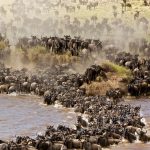
Malaria prophylaxis is generally not recommended during pregnancy, which immediately rules out the standard antimalarial guidance given to most safari travelers and pushes destination selection toward genuinely low-risk or malaria-free areas rather than relying on medication as a safety net. This single factor probably eliminates more otherwise-appealing destinations from babymoon consideration than any other, since several of East Africa’s most famous parks, including much of the Maasai Mara, sit at low altitude in malaria-endemic zones.
Altitude as a Natural Malaria Barrier
Higher-altitude regions offer a natural workaround, since the mosquitoes that carry malaria struggle to survive much above roughly twenty-five hundred meters. Kenya’s Laikipia plateau and the Aberdare highlands sit at meaningfully higher, cooler elevation than the Mara, carrying a considerably lower malaria risk as a result, and Tanzania’s Ngorongoro Crater rim, at around twenty-three hundred meters, along with the surrounding Ngorongoro Conservation Area, falls into a similar low-risk category even though the crater floor itself carries somewhat more exposure. This altitude-based logic is the single most useful filter for narrowing down babymoon destinations across the region.
Kenya’s Laikipia Plateau as a Leading Choice
Laikipia stands out as one of the strongest babymoon destinations in East Africa precisely because it combines low malaria risk with an established network of private conservancies offering the kind of flexible, gentle-paced game viewing that suits pregnancy well. Properties here typically offer private vehicles as standard, meaning game drives can be shortened, slowed, or paused entirely around how an expectant mother is feeling on any given day, without needing to coordinate around other guests’ preferences. The terrain across much of Laikipia’s conservancy network is also considerably smoother than the deeply rutted tracks found in some of the region’s busier parks, reducing the jostling that longer road-based game drives elsewhere can involve.
Balancing Activity and Rest at a Laikipia Property
Most Laikipia lodges are well practiced at building flexible itineraries around guests who want to spend more time resting at camp than out on drives, offering spa treatments, gentle nature walks close to camp, and unhurried pool time as legitimate alternatives to a full daily game-drive schedule. This flexibility matters considerably more for a babymoon than for a standard safari, where guests often want to maximize time in the vehicle chasing sightings.
Tanzania’s Ngorongoro Rim and Tarangire
Tanzania offers a similarly strong option along the rim of the Ngorongoro Crater, where the cooler, higher-altitude setting reduces malaria exposure while still delivering some of the most concentrated wildlife viewing anywhere on the continent from the crater floor below, reached via a manageable descent road rather than long cross-country transfers. Tarangire National Park, known for its dense elephant population and relatively smooth road network compared to some of Tanzania’s more rugged parks, is frequently recommended alongside Ngorongoro for pregnant travelers specifically because its terrain places less strain on a body already adjusting to pregnancy’s physical changes. Combining a stay along the Ngorongoro rim with a night or two at Tarangire gives a babymoon itinerary strong wildlife content without the long, rough overland transfers that characterize some of Tanzania’s more remote southern circuits.
Choosing Fly-In Over Road Transfers
Wherever possible, babymoon itineraries in both Kenya and Tanzania benefit from choosing fly-in connections between parks rather than long road transfers, even though flying adds cost. A short domestic flight replaces what might otherwise be a four or five hour drive over uneven roads, and the reduction in physical jostling is meaningful enough that most physicians and experienced operators recommend prioritizing fly-in routing specifically for pregnant travelers, even on itineraries where a road transfer would be the normal, cost-saving choice for other guests.
Coastal Options for a Lower-Activity Babymoon
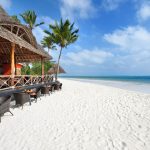
Not every babymoon needs to center on game drives at all, and a coastal stay on Zanzibar or along Kenya’s southern coast offers a genuinely appealing lower-activity alternative for couples who want warmth, relaxation, and spa access over wildlife viewing. Coastal properties generally involve far less physical exertion than an inland safari, and many resorts in these areas have well-developed spa programs, some specifically offering prenatal massage using techniques adapted for pregnancy safety, alongside calm, shallow swimming areas that suit an expectant mother better than open-water activities. Couples wanting to combine a shorter, gentler inland safari stretch with a longer coastal recovery period at the end of the trip often find this pairing strikes the best overall balance between wildlife experience and physical comfort.
What to Avoid on the Coast During Pregnancy
Scuba diving is generally not recommended during pregnancy regardless of destination, which rules out one of the coast’s most popular activities, though snorkeling in calm, shallow water typically remains an option with a physician’s clearance. Couples should also confirm any planned boat excursions, including dhow sailing trips or dolphin tours, are calm-water routes rather than longer open-ocean crossings that could involve significant rocking or physical strain.
What This Means for Gorilla Trekking Destinations
Uganda and Rwanda’s gorilla trekking parks, by contrast, are generally not recommended for a babymoon itinerary, since the trekking itself involves strenuous, unpredictable hiking over steep, uneven terrain that most physicians advise against during pregnancy regardless of trimester. Couples specifically interested in the medical guidance and practical alternatives around this topic should read our dedicated guide to traveling to Bwindi while pregnant or with a newborn, which covers the trekking-specific safety considerations in more depth than fits within this broader destination-focused roundup, and our companion piece on traveling to East Africa with a newborn or infant for couples planning a return trip once the baby has arrived.
Choosing Accommodation With Practical Comfort in Mind
Beyond location, the physical layout of a lodge matters more during a babymoon than it might for other travelers. Rooms with a shorter, flatter walk from the main lodge area, rather than accommodation requiring a long uphill path or many steps, reduce unnecessary strain across a multi-day stay. A private plunge pool or easy pool access at the room itself, covered in more detail in our roundup of East Africa’s best honeymoon suites with private plunge pools, offers a gentle, low-impact way to cool off and relax between activities without needing to walk far from the room. It is also worth confirming a property’s proximity to reliable medical facilities before booking, since remote luxury camps can be several hours by air from the nearest hospital, a detail worth discussing directly with a physician when weighing how remote a babymoon itinerary should realistically be.
Packing Considerations Specific to a Babymoon
A babymoon packing list looks somewhat different from a standard safari list, with looser, breathable clothing, supportive and broken-in walking shoes rather than new ones, and a broader supply of any regular medications than a typical trip would require, given the more limited pharmacy access in remote safari areas. Compression socks for the flights themselves are also commonly recommended given the increased circulation concerns that come with pregnancy and long periods of sitting.
Building the Right Babymoon Itinerary
The strongest babymoon itineraries in East Africa share a consistent shape: they favor higher-altitude, lower-malaria destinations like Laikipia, the Ngorongoro rim, and Tarangire over lower-lying, higher-risk parks, they prioritize fly-in connections over long road transfers, and they build genuine flexibility into the daily schedule so an expectant mother can rest as much as she needs without feeling she is missing the trip’s highlights. Whether that itinerary leans toward a wildlife-heavy inland stretch, a relaxed coastal stay, or a thoughtful combination of both, the underlying goal stays the same: giving a couple a genuinely memorable last trip together before their family grows, without unnecessary risk or physical strain along the way.













