Combining Gorilla Trekking With Lake Kivu Relaxation
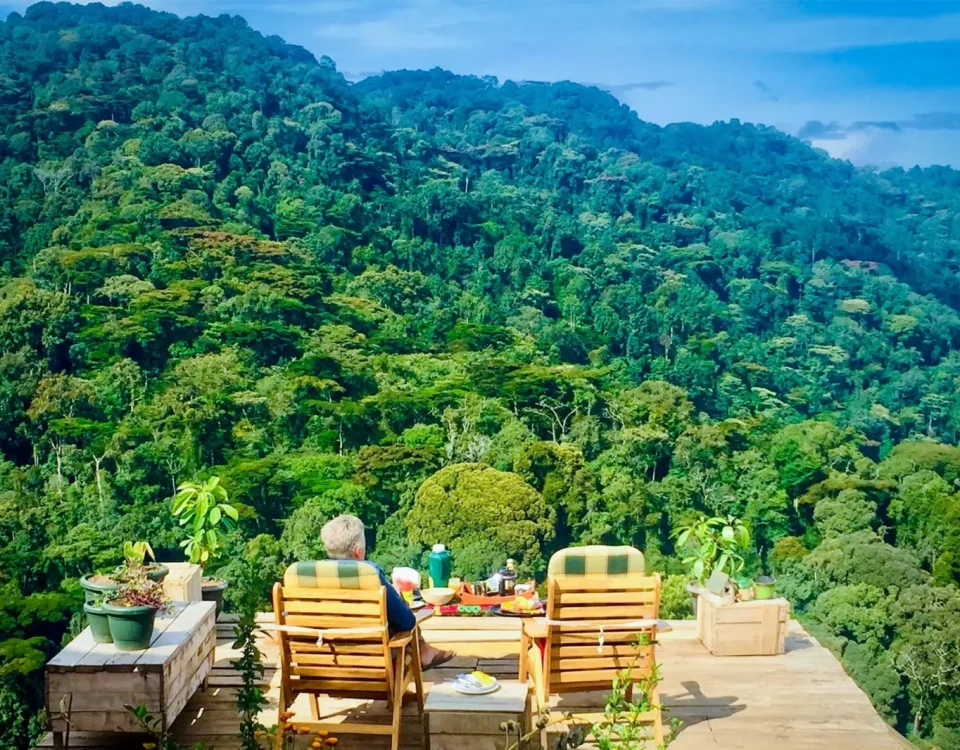
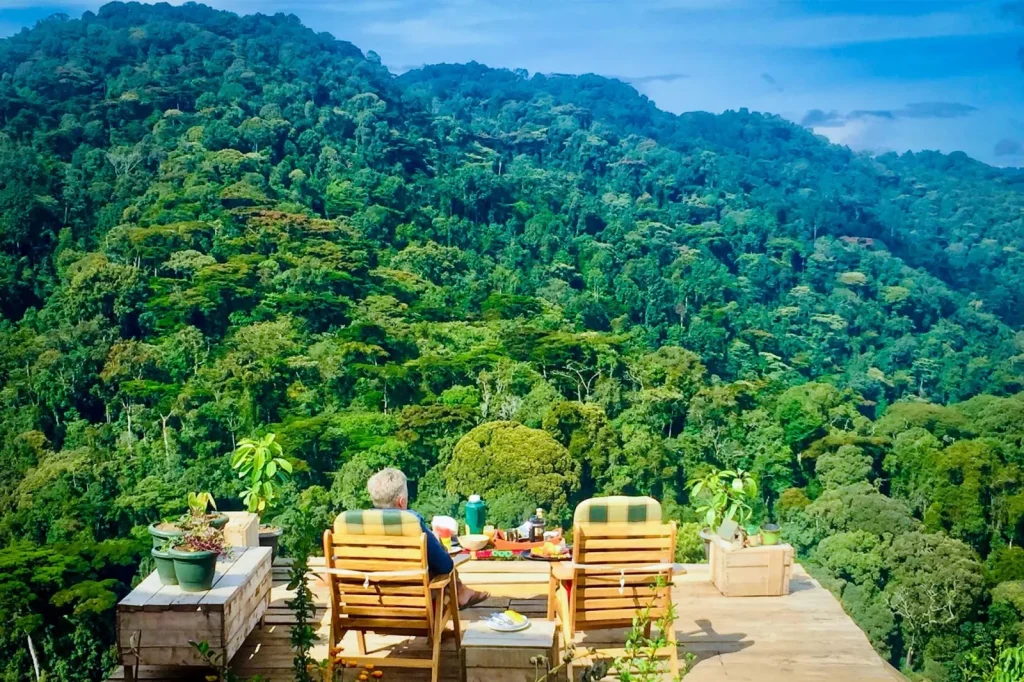
Lake Kivu sits close enough to Rwanda’s Volcanoes National Park that combining a gorilla trek with a genuine lakeside relaxation stop has become one of the most natural and popular ways to round out a Rwanda safari. Unlike the physically demanding, high-altitude intensity of gorilla trekking, Lake Kivu offers calm, warm-weather stillness, one of Africa’s safest large lakes for swimming, and a growing collection of lodges that rank among Rwanda’s most appealing places to simply do nothing for a day or two after an intense forest encounter.
This guide covers how to plan a Lake Kivu extension after gorilla trekking, what the lake offers, and how to structure the transfer and timing for the best overall experience.
Why Lake Kivu Pairs So Naturally With Gorilla Trekking
Volcanoes National Park sits within a comfortable two to two and a half hour drive of Lake Kivu’s Gisenyi shoreline, on Rwanda’s well-maintained road network, making it one of the easiest and most logistically simple post-trek extensions available anywhere in the gorilla trekking region. This proximity means travellers can add genuine lakeside recovery time without the longer flights or multi-day transfers required to reach a coastal beach destination.
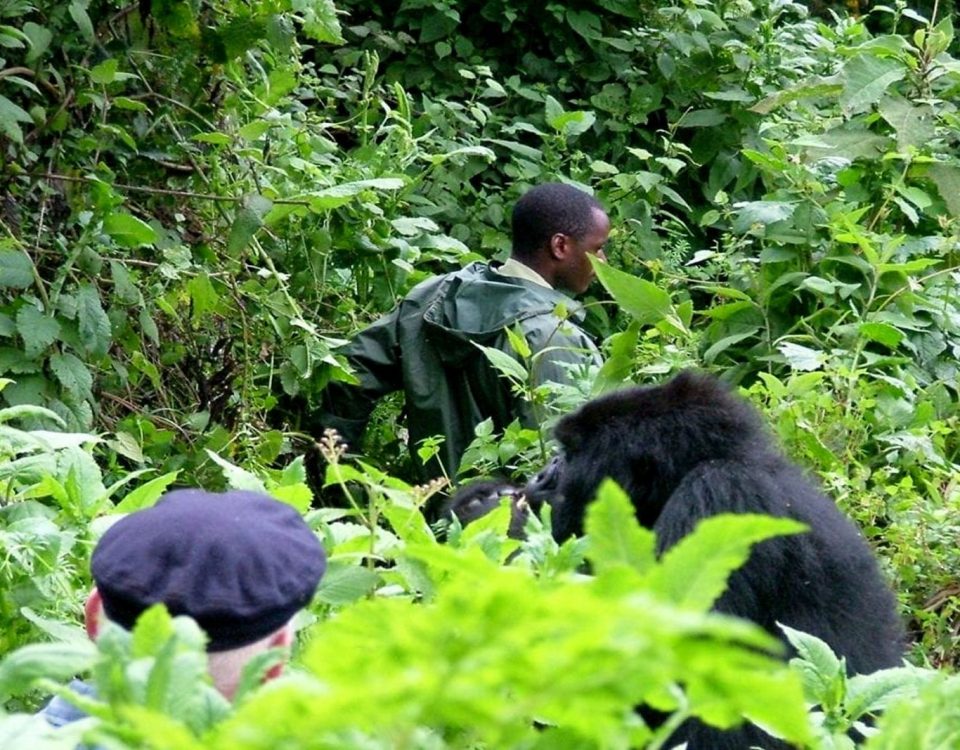
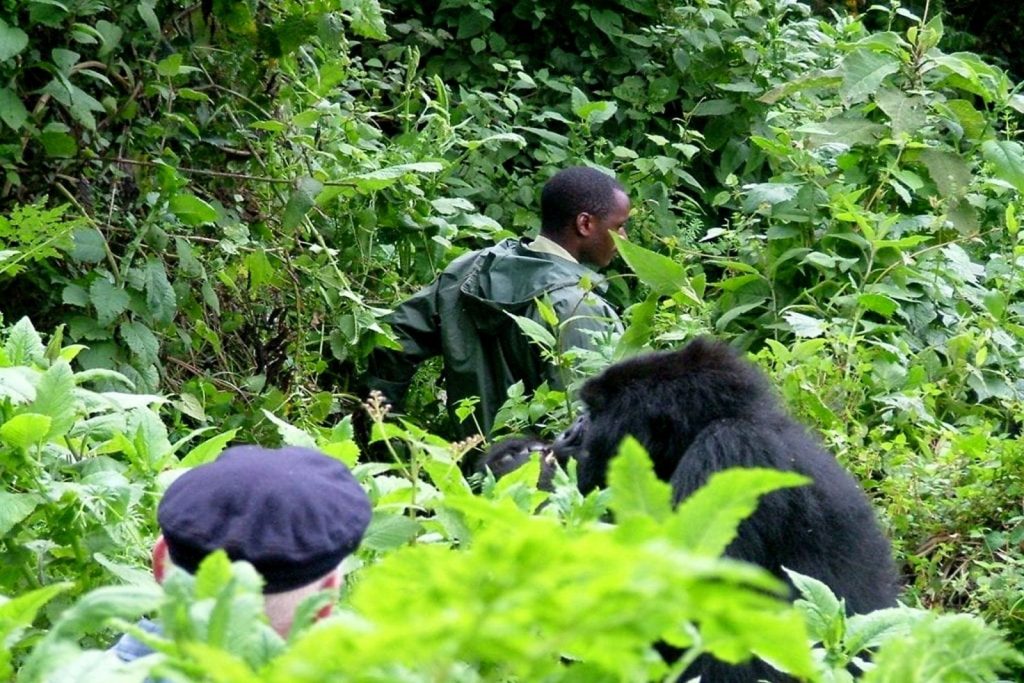
The contrast between the two experiences also plays a significant role in why this combination works so well. Gorilla trekking is physically demanding, emotionally intense and often cool, damp and muddy, while Lake Kivu offers warmth, stillness and a genuinely different pace, giving trekkers a natural, well-earned decompression period immediately following one of the most demanding single days of their entire trip.
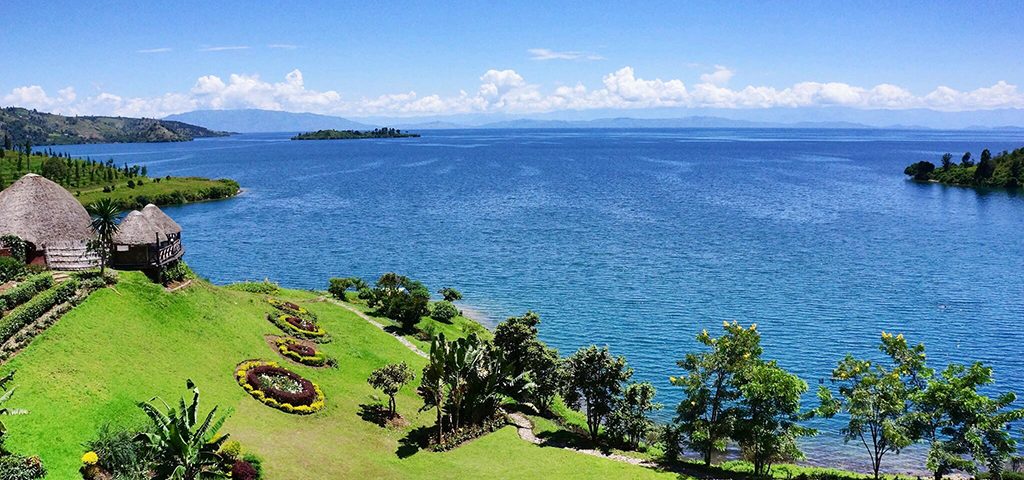
Combining Gorilla Trekking With Lake Kivu Relaxation for a Scenic Rwanda Adventure
What Makes Lake Kivu Worth the Extra Days
Lake Kivu is one of Africa’s Great Lakes, sharing its shoreline between Rwanda and DR Congo, and its scale gives it an open, expansive feel more reminiscent of a coastline than a typical inland lake. Crucially, Kivu is free of both the crocodiles and the bilharzia-carrying snails that make swimming risky in many other East African lakes, making it one of the few genuinely safe large bodies of water for swimming anywhere in the region.
The Rwandan shoreline around Gisenyi, Kibuye and Rusizi has developed a genuinely impressive range of lodges and resorts over the past decade, ranging from simple guesthouses to high-end properties with infinity pools overlooking the water, reflecting Rwanda’s broader strategy of positioning itself as a premium, well-developed tourism destination across its full range of attractions, not just gorilla trekking.
Kibuye Versus Gisenyi
Gisenyi, the larger and more established of the two main lakeside towns, offers a livelier atmosphere with more dining and activity options, while Kibuye further south has developed a reputation as the quieter, more low-key alternative, appealing to travellers specifically seeking genuine seclusion and calm after the intensity of gorilla trekking.
Activities Available on the Lake
Beyond simply relaxing, Lake Kivu offers kayaking, paddleboarding, boat cruises and, in some areas, guided fishing trips using traditional single-log canoes still used by local fishing communities, a genuinely photogenic sight especially around sunset. Coffee and tea plantation tours are widely available along the shoreline, giving travellers who want at least some light activity during their stay a low-intensity way to engage with the region beyond pure lakeside rest.
Several operators also offer sunset boat cruises specifically timed to showcase Kivu’s dramatic evening light over the water, often accompanied by local musicians, a popular and genuinely memorable way to mark the transition from the trekking portion of a trip into its more relaxed final stretch. Traditional fishing boats head out onto the lake in loose flotillas most evenings, their crews singing coordinated work songs that carry clearly across the water, a spontaneous, unscripted piece of local culture that many visitors find just as memorable as any organised activity offered by the lodges themselves.
Planning the Transfer and Timing
Most travellers schedule their Lake Kivu stay immediately following their gorilla trekking day, checking out of their Kinigi-area lodge the morning after the trek and making the drive to Gisenyi or Kibuye that same day, arriving with enough daylight remaining to settle in and begin genuinely relaxing before evening. A minimum stay of two nights is generally recommended to make the transfer time worthwhile, with three or more nights allowing for a genuinely unhurried, restorative stop rather than a brief overnight stop squeezed between other activities.
Combining Kivu With Nyungwe Forest
Travellers with additional time sometimes extend their itinerary further south along the scenic lakeside road connecting Kivu to Nyungwe Forest National Park, adding chimpanzee trekking or a canopy walk to their trip before looping back toward Kigali for departure. This extended routing turns a simple gorilla-plus-lake itinerary into a more comprehensive Rwanda safari covering three of the country’s most distinctive landscapes and activities within a single, well-sequenced trip.
Getting Around Once You Arrive at the Lake
Most Lake Kivu lodges are positioned directly on or very near the shoreline, meaning once you arrive, a car is rarely needed for day-to-day movement between accommodation, restaurants and lakeside activities. Boat transfers between different points along the shoreline are common and often more scenic than the equivalent road journey, and several lodges offer their own boats for guest transport to nearby attractions, further reducing the need for road travel once the main transfer from Volcanoes National Park is complete.
Walking along parts of the Congo Nile Trail, a long-distance hiking and mountain biking route that traces much of Lake Kivu’s Rwandan shoreline, offers an additional low-intensity activity option for travellers wanting to explore a short section on foot or by bicycle, taking in views over the water and passing through small fishing villages and terraced hillside farms along the way.
What to Expect Physically After Trekking
Muscle soreness and general fatigue are extremely common in the day or two following a gorilla trek, and Lake Kivu’s calm, low-intensity activities suit a recovering body far better than another demanding hike or activity immediately afterward. Many lakeside lodges offer spa and massage services specifically aimed at trekkers working out post-hike soreness, worth asking about directly when booking if physical recovery is a genuine priority for your stay.
Cross-Border Access to the Congolese Side
Lake Kivu’s shoreline is shared between Rwanda and DR Congo, and the border town of Goma sits directly across from Gisenyi, historically allowing day-trip access for travellers wanting a brief glimpse of the Congolese side of the lake. Given the current security situation in eastern DR Congo following the M23 conflict, this cross-border option is not currently available, and travellers should plan their entire Lake Kivu stay on the Rwandan side, where the tourism infrastructure and security situation remain stable and well established regardless of developments across the border.
This does not meaningfully diminish the Lake Kivu experience for most travellers, since the Rwandan shoreline alone offers more than enough lodges, activities and scenic variety to fill several genuinely relaxing days without needing to cross into Congo at all.
Food and Local Culture Around the Lake
The Lake Kivu region is one of Rwanda’s most productive coffee and tea growing areas, and several lakeside lodges source directly from nearby estates, giving travellers a genuine taste of the region’s agricultural heritage alongside their stay. Fresh tilapia, caught locally in the lake itself, features prominently on most lodge and restaurant menus around Gisenyi and Kibuye, offering a welcome change of pace from the more general East African cuisine typical of gorilla trekking area lodges further inland.
Budgeting for a Lake Kivu Extension
Lake Kivu accommodation spans a genuinely wide price range, from budget guesthouses costing a fraction of what a high-end Kinigi gorilla lodge charges per night, through to luxury lakeside resorts priced comparably to premium gorilla trekking accommodation. This range makes Lake Kivu an accessible extension for almost any travel budget, allowing travellers who spent heavily on their gorilla permit and Kinigi accommodation to choose a more moderate lakeside stay without compromising the overall quality of their post-trek relaxation.
Our guides on Rwanda’s Lake Kivu kayaking and water sports and Congo’s Lake Kivu shoreline explained cover the lake in additional depth. Our overview of the best lakes for relaxing after gorilla trekking compares Kivu against other regional options worth considering. The Rwanda Development Board publishes current tourism information for the Lake Kivu region directly, useful for finalising accommodation and activity choices before your trip.
Whatever length of stay you settle on, building even a modest Lake Kivu stop into a Rwanda gorilla trekking itinerary consistently ranks among the trip elements travellers say they most appreciated in hindsight, precisely because it offers something a demanding, high-altitude trek cannot: genuine, unhurried stillness at the close of an otherwise intense and unforgettable journey through the Virunga highlands, sending travellers home rested rather than simply exhausted by the sheer pace of a single-focus wildlife itinerary, and giving the whole trip a far more satisfying, well-rounded shape than a single intense day in the forest ever could manage entirely on its own, no matter how truly extraordinary and unforgettable that single day spent among the gorillas genuinely happened to be for everyone involved in the group.