Combining Gorilla Trekking With a Kilimanjaro Climb
Combining gorilla trekking with a Kilimanjaro climb pairs two of East Africa’s most iconic bucket-list experiences into a single, ambitious trip, but the logistics require considerably more planning than most other activity combinations in the region, given that Kilimanjaro sits in Tanzania while gorilla trekking is only available in Uganda, Rwanda or, currently unavailable, DR Congo. Travellers drawn to this combination are typically seasoned adventure travellers looking for a genuinely demanding, multi-country itinerary that tests both physical endurance and offers profound wildlife encounter, rather than a relaxed, leisure-focused safari.
This guide covers how to realistically plan a trip combining both activities, including timing, sequencing, physical preparation and the logistics of moving between two entirely separate countries and climate zones.
Understanding the Scale of This Combination
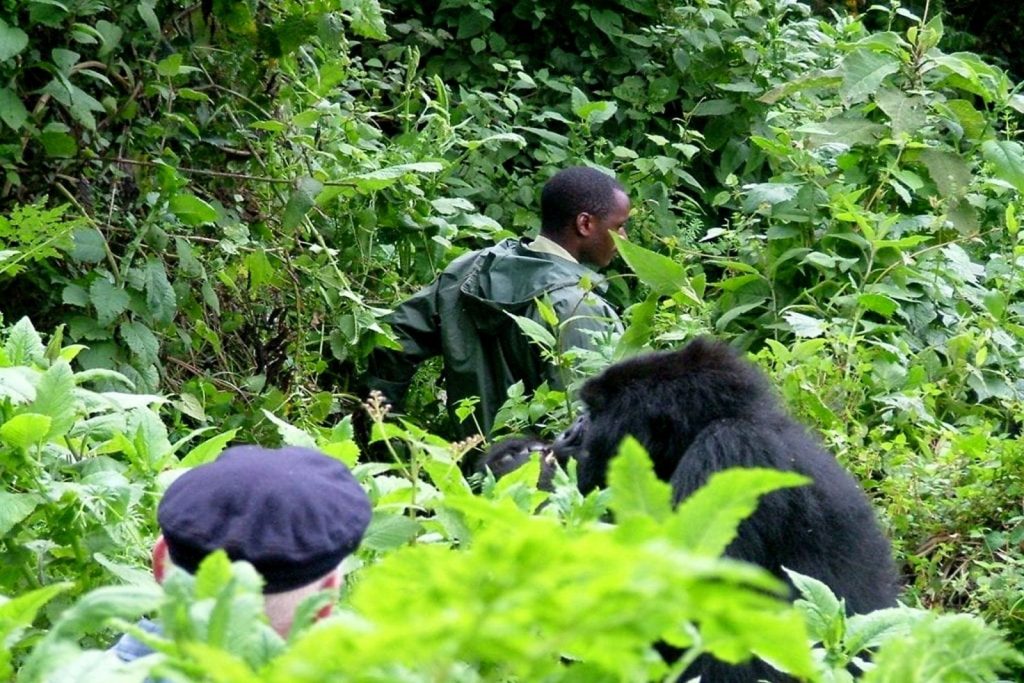
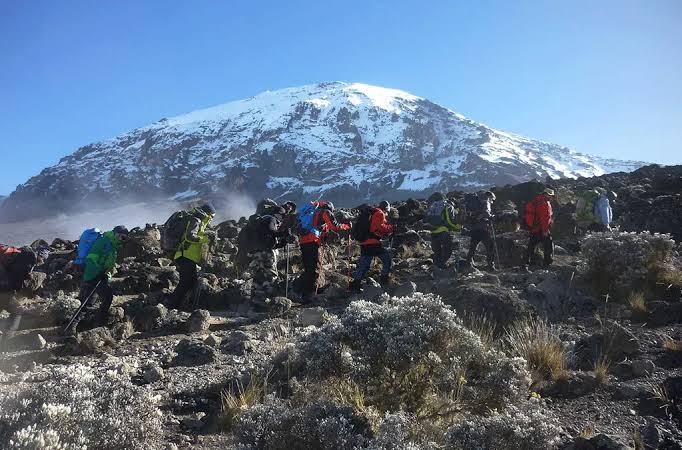
Kilimanjaro, at 5,895 metres, is Africa’s highest peak and the world’s tallest freestanding mountain, and climbing it typically requires five to nine days depending on chosen route, involving sustained high-altitude trekking, genuine altitude sickness risk, and a summit night push that ranks among the more physically and mentally demanding tourist activities available anywhere in the world. Gorilla trekking, by contrast, is a single intense day, but one requiring its own distinct fitness and mental readiness for unpredictable rainforest terrain.
Combining both means preparing for two entirely different kinds of physical challenge within a single trip, high-altitude endurance trekking for Kilimanjaro and shorter, steeper rainforest hiking for gorilla trekking, a combination that rewards travellers with genuinely broad-based fitness rather than those trained narrowly for just one discipline.
Combining Gorilla Trekking With a Kilimanjaro Climb for an East African Adventure
Why Few Travellers Attempt Both on One Trip
The sheer time and physical commitment required for Kilimanjaro alone deters many travellers from adding gorilla trekking to the same trip, and this combination remains one of the more ambitious, less commonly attempted pairings in East African adventure travel specifically because of the scale involved in doing both properly rather than rushing either.
Geography and the Cross-Country Logistics Involved
Kilimanjaro sits in northern Tanzania near Moshi and Arusha, while the nearest gorilla trekking destinations, Uganda’s Bwindi or Rwanda’s Volcanoes National Park, sit several countries away, requiring an international flight connection, typically routing through Nairobi, Addis Ababa or Kigali, to move between the two portions of the trip. This is not a same-region combination like pairing gorilla trekking with Nile rafting within Uganda, and travellers should budget genuine international travel time and cost for this leg of the itinerary.
Most travellers choose to fly directly between Kilimanjaro International Airport near Moshi and either Kigali or Entebbe, a connection that typically requires one stop and adds a full travel day to the overall itinerary, worth building in as a dedicated transition day rather than attempting to combine it with any other activity.
Recommended Sequencing
Most experienced operators and repeat travellers recommend climbing Kilimanjaro first and trekking gorillas second, primarily because Kilimanjaro’s physical demands are better tackled with full energy reserves rather than after the fatigue of international travel following a gorilla trek, and because gorilla trekking, while demanding, generally requires less sustained physical reserve than a multi-day mountain ascent. Finishing with gorilla trekking also offers a genuinely restorative contrast, trading extreme physical exertion for a calmer, though still moving, wildlife encounter as the trip’s closing experience.
Building in at least two to three rest days between the Kilimanjaro descent and the start of gorilla trekking allows the body genuine recovery time from the mountain’s physical toll, since attempting a demanding rainforest trek immediately after a multi-day summit push risks both poor performance and an increased injury risk from residual fatigue and muscle depletion.
Realistic Timing for the Full Trip
A realistic itinerary combining both activities runs a minimum of fourteen to eighteen days: seven to nine days for a Kilimanjaro climb depending on chosen route, two to three rest days for recovery and international transfer, and three to four days for the gorilla trekking portion including travel to and from the park. Travellers with less time available should seriously consider whether attempting both activities on a single trip, rather than planning two separate trips at different times, genuinely serves their overall enjoyment and safety given how physically demanding this combination becomes when compressed into a shorter window.
Physical Preparation for Both Challenges
Preparing for Kilimanjaro requires months of dedicated cardiovascular training, ideally including hiking with a loaded pack on varied terrain, and genuine altitude acclimatisation strategy discussed with a travel health professional given the real risk of altitude sickness above 3,000 metres. Gorilla trekking preparation, while less intensive, still benefits from general fitness training and realistic expectations about steep, muddy rainforest terrain, and travellers should not assume Kilimanjaro fitness automatically translates to gorilla trekking readiness, since the two activities demand different specific physical skills despite both requiring strong overall fitness.
Managing Altitude Recovery Between Activities
Travellers should also be aware that recovering from Kilimanjaro’s extreme altitude before tackling Bwindi’s own moderate elevation, up to around 2,600 metres in places, generally requires less specific acclimatisation than the mountain itself demanded, though genuine physical fatigue recovery remains important regardless of altitude considerations.
Packing for Two Extremely Different Climates
Kilimanjaro’s summit night can drop well below freezing, demanding genuine expedition-grade cold weather gear including a warm sleeping bag, insulated jacket, and layered thermal clothing entirely unnecessary for gorilla trekking’s much milder, if often wet, rainforest conditions. Travellers should plan two genuinely distinct packing lists for this trip, and many choose to leave their heaviest mountain gear in storage with their Kilimanjaro operator or a hotel in Moshi or Arusha rather than carrying summit-specific equipment onward to the gorilla trekking portion of the trip, where it would serve no purpose and simply add unnecessary weight and bulk to their luggage.
Budgeting for This Ambitious Combination
This combination represents one of the more expensive multi-activity itineraries available in East Africa, given Kilimanjaro’s own considerable cost, typically $2,500 to $4,000 or more depending on route and operator, combined with a gorilla permit costing $800 in Uganda or $1,500 in Rwanda, plus the additional international flights connecting the two countries. Travellers should budget realistically for this full scope from the outset rather than underestimating the combined cost of what amounts to two separate, major bucket-list experiences within a single trip.
Choosing the Right Kilimanjaro Route for This Combination
Kilimanjaro offers several established routes, varying considerably in duration, difficulty, scenery and, critically, success rate for reaching the summit, and travellers planning to follow the climb with gorilla trekking should weigh route choice carefully against how much recovery time they can realistically build into the overall trip. The Machame route, often called the Whiskey route, offers a good balance of scenic variety and a reasonably strong acclimatisation profile over seven days, while the Marangu route, the only option with hut-based accommodation rather than camping, is sometimes chosen by travellers wanting a slightly less physically taxing climb, though its shorter standard duration can reduce summit success rates due to less gradual acclimatisation.
Longer routes, such as the eight or nine-day Lemosho, generally offer better acclimatisation profiles and correspondingly higher summit success rates, an important consideration for travellers who want to avoid the disappointment and wasted preparation of an unsuccessful summit attempt before the added complexity of transitioning to a second country for gorilla trekking.
What Success on Kilimanjaro Depends On
Summit success on Kilimanjaro depends less on raw physical fitness than many first-time climbers expect, and more on proper acclimatisation pacing, a positive mental attitude during the gruelling summit night push, and choosing a reputable operator with strong guide-to-client ratios and appropriate emergency evacuation protocols in place. Climbers who go in with realistic expectations about the mental, rather than purely physical, demands of the final summit push tend to perform considerably better than those relying purely on cardiovascular fitness built up in the months beforehand.
Making This Ambitious Trip Work
Given the complexity of coordinating a multi-day mountain climb, international flights and gorilla permit booking across two separate countries, working with an operator experienced in exactly this kind of ambitious combination trip is considerably more important here than for simpler, single-country itineraries. Our guides on gorilla trekking for first-timers and how fit do you need to be for gorilla trekking cover preparation for that half of the trip. The Tanzania National Parks Authority publishes official Kilimanjaro climbing information and permit requirements directly, an essential resource for planning the mountain portion of this considerable undertaking.
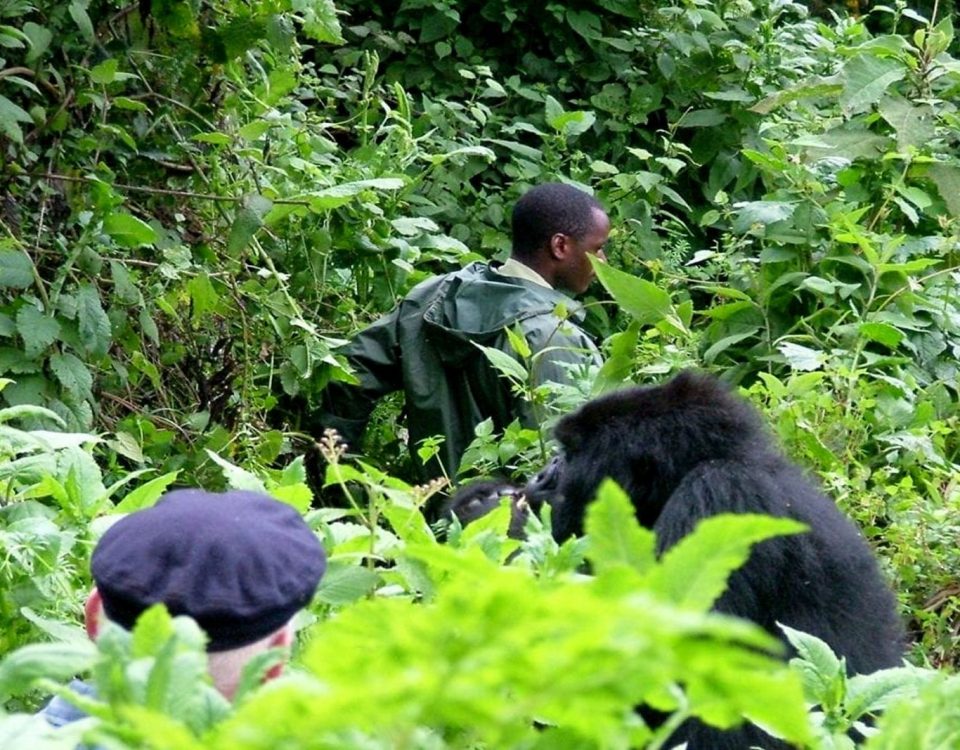
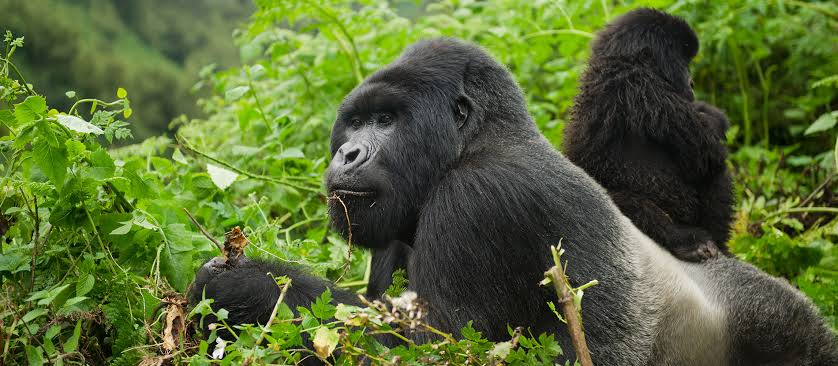
For the right traveller, one with the time, budget and genuine physical readiness this combination demands, few trips anywhere in the world offer a comparable range of achievement in a single itinerary: standing on the roof of Africa one week, and locking eyes with a wild silverback gorilla in a rainforest clearing the next, two entirely different kinds of awe within the same unforgettable journey, and a story worth telling for the rest of a lifetime once both halves are safely, successfully behind you, a genuine testament to what careful planning and real physical preparation can make possible within the span of just a very few genuinely remarkable weeks of travel.