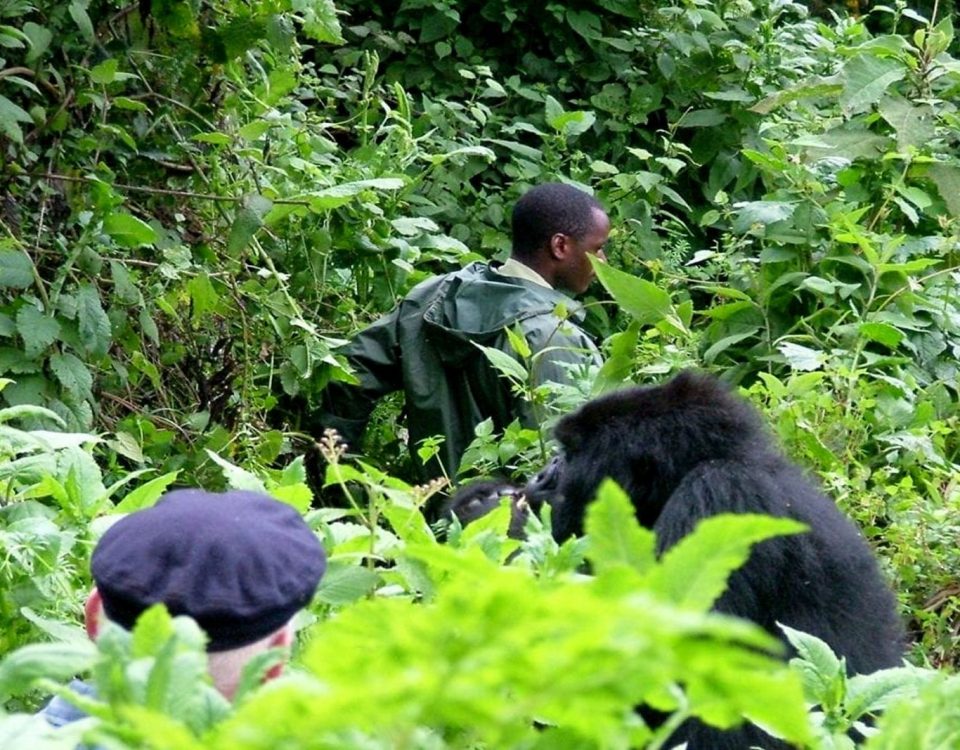
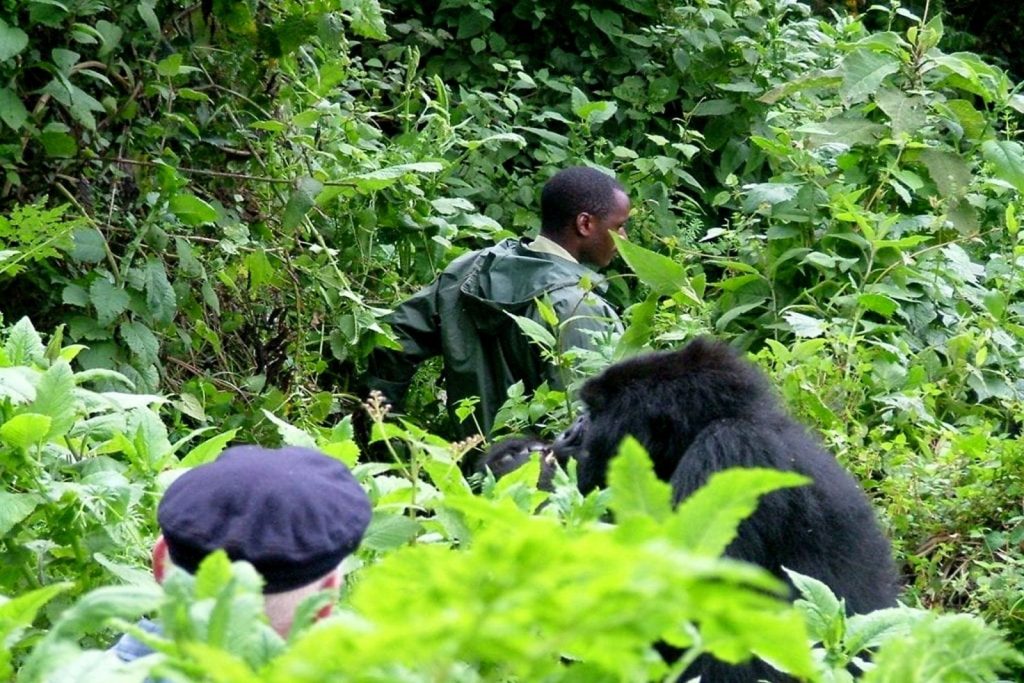
Rwanda’s gorilla habituation experience, built around Volcanoes National Park’s long research tradition, presents wheelchair users with a genuinely more complex accessibility challenge than standard trekking, given both the considerably longer duration and the often steeper, more remote terrain where habituation families are located. Understanding exactly what this means in practice, honestly and without overselling accessibility that does not genuinely exist, helps wheelchair users make an informed decision about whether this extended experience suits their specific circumstances, or whether standard trekking represents the more realistic choice.
This guide covers what wheelchair users should realistically know before considering Rwanda’s gorilla habituation experience, including honest terrain considerations, the sedan chair system, and when standard trekking may be the better choice.
Why Habituation Presents Greater Accessibility Challenges
Rwanda’s habituation families are often located in more remote, less accessible parts of Volcanoes National Park than established trekking families, and the considerably longer overall duration, up to four hours of observation time plus a potentially lengthy approach and return hike, means a sedan chair team faces a genuinely more demanding day than the equivalent standard trekking accommodation requires. This combination of remoteness and duration makes habituation a meaningfully greater accessibility challenge than standard trekking, and wheelchair users should approach this option with realistic expectations about the additional physical demand placed on both themselves and the porter team supporting them.
It is worth being genuinely honest that some habituation families may be located in terrain simply too difficult for safe sedan chair transport on a given day, an operational reality that standard trekking’s more established, better-documented family locations are somewhat less likely to present.
Why Standard Trekking May Be the More Realistic Choice
Given these additional challenges, wheelchair users specifically prioritising accessibility should seriously consider whether standard trekking, with its shorter duration and generally more established, better-documented terrain, represents a more realistic and genuinely enjoyable choice than the habituation experience’s considerably greater demands.
The Sedan Chair System for Habituation
Rwanda offers a sedan chair equivalent for trekkers unable to walk independently, available for both standard trekking and, with additional advance coordination given the longer duration involved, the habituation experience. Wheelchair users considering habituation specifically should discuss this option in detail with an operator experienced in coordinating sedan chair support for the longer format, since the porter team required is typically larger and needs more extensive planning than standard trekking’s shorter, more predictable duration demands.
The Role of Park Rangers in Final Decisions
Even with the most thorough advance planning, park rangers retain final authority on the trekking day itself to determine whether specific terrain is safe for sedan chair transport, and wheelchair users should understand and respect that a ranger’s on-the-day assessment may override plans made weeks or months in advance based on outdated or incomplete information. This is not a failure of planning but a genuine safety measure, and travellers who approach the day with flexibility, understanding that the final call rests with the people who know the current terrain conditions best, tend to have a considerably smoother, less frustrating experience than those who arrive expecting an ironclad guarantee regardless of circumstances on the ground.
Cost Considerations for Wheelchair Users
Rwanda’s habituation experience carries a premium price above the standard $1,500 trekking permit, and wheelchair users should budget for a correspondingly higher sedan chair fee given the activity’s greater length and demand on the porter team. This combined cost, permit plus an extended sedan chair service, represents a significant investment, and wheelchair users should weigh this cost carefully against the genuinely uncertain likelihood of a fully smooth, comfortable experience given the terrain challenges specific to habituation families’ locations.
Preparing for a Longer, More Uncertain Day
Wheelchair users attempting habituation should pack and plan for a genuinely longer, more uncertain day than standard trekking involves, including additional water, snacks, layers for changing weather across a longer outdoor period, and any specific comfort items needed for extended time in the sedan chair itself, such as extra padding or cushioning. Discussing realistic worst-case scenarios with your operator in advance, including what happens if terrain proves too difficult partway through the approach and the group needs to turn back, ensures everyone involved has a clear, agreed plan rather than improvising a response to a genuinely difficult situation in the field.
Honest Questions to Ask Before Booking
Wheelchair users seriously considering Rwanda’s habituation experience should ask their operator directly and specifically: has this operator successfully coordinated sedan chair support for the habituation experience before, what terrain has the current habituation family’s range typically involved in recent weeks, and what contingency plan exists if the specific day’s family location proves genuinely too difficult for safe sedan chair transport. An honest, experienced operator will answer these questions directly rather than offering vague reassurance, and any hesitation or evasiveness in response should be treated as a meaningful warning sign.
Considering Standard Trekking as a First Rwanda Visit
Wheelchair users without prior experience of the sedan chair system in Rwanda are generally better served attempting standard trekking first, building direct, firsthand understanding of how the accommodation works in practice before considering the additional complexity and physical demand the habituation experience introduces on a potential future visit.
Learning From Rwanda’s Standard Trekking Accommodation System
Rwanda’s experience supporting wheelchair users on standard treks provides useful, transferable insight for anyone considering the habituation upgrade, since the same porter teams, safety protocols and general coordination approach apply across both formats, even though the specific terrain and duration challenges differ meaningfully between them. Wheelchair users who have successfully completed a standard Rwanda trek, and who developed a genuine working relationship with a specific porter team or operator during that experience, are generally in a considerably stronger position to attempt habituation on a return visit than someone attempting the extended format as their very first Rwanda gorilla experience.
What Success Requires From Everyone Involved
A genuinely successful habituation experience for a wheelchair user depends on close coordination between the traveller, the operator, the porter team and park rangers, all communicating clearly and honestly about capabilities, concerns and contingency plans well before the actual trekking day arrives. This is not an activity where good intentions alone are sufficient, and wheelchair users should treat the planning process with the same seriousness and attention to detail as the physical activity itself, recognising that thorough preparation is what ultimately separates a successful, rewarding day from a genuinely difficult or even unsafe one.
Alternative Options Worth Considering
Given the genuine accessibility challenges specific to habituation, wheelchair users might consider golden monkey tracking as a complementary activity instead, since its gentler bamboo forest terrain and shorter duration present a meaningfully lower accessibility barrier than either gorilla trekking option, standard or habituation, while still offering a genuinely rewarding Virunga primate encounter. Building an itinerary that combines a standard gorilla trek with golden monkey tracking, rather than stretching directly for the considerably more demanding habituation format on a first visit, often produces a more consistently satisfying overall trip for wheelchair users still building confidence with sedan chair support in unfamiliar rainforest terrain.
Our guides on gorilla trekking for travellers with limited mobility and can disabled people trek gorillas cover related accessibility planning in further depth. The Rwanda Development Board publishes information on accessibility accommodations directly, worth confirming before finalising any booking involving the habituation experience specifically.
Ultimately, wheelchair users deserve the same honest, detailed information about this activity’s genuine challenges as any other traveller, and approaching the habituation experience with realistic expectations, thorough preparation and an experienced, transparent operator gives the best possible chance of a successful, rewarding day despite the additional complexity this extended format genuinely involves.
What Previous Wheelchair Users Have Reported About Habituation
The small number of wheelchair users who have successfully completed Rwanda’s habituation experience consistently emphasise how much the specific day’s terrain, rather than any fixed, predictable difficulty level, determined their overall experience, underscoring why flexibility and a genuine willingness to adapt plans on short notice matter so much for this particular activity, considerably more so than for the more predictable, better-established standard trekking programme most operators are far more accustomed to supporting. Some report choosing to attempt habituation only after building confidence through a previous standard trek, using that earlier experience to gauge realistically what an extended, more demanding day might involve for their specific circumstances before committing to the considerably higher cost and correspondingly greater physical demand that the habituation experience genuinely represents for everyone genuinely involved on both sides of this remarkable, hard-won encounter, including the dedicated porter team carrying every single ounce of that shared, collective effort steadily up the mountain toward the family waiting somewhere ahead in the quiet, misty forest. That collective effort, shared honestly between traveller, porter team, guide and ranger, is ultimately what makes an accessible gorilla encounter possible in terrain never designed with wheelchairs in mind, and recognising it fully is part of approaching the experience with the genuine respect it deserves from every single person genuinely involved in making that long, remarkable day finally succeed.