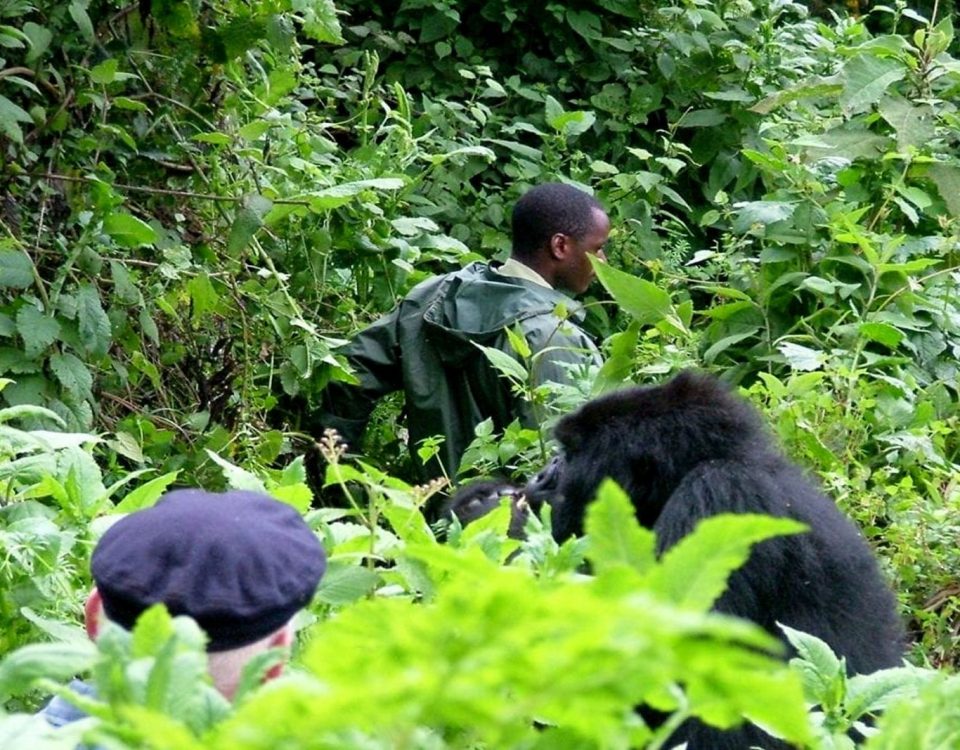
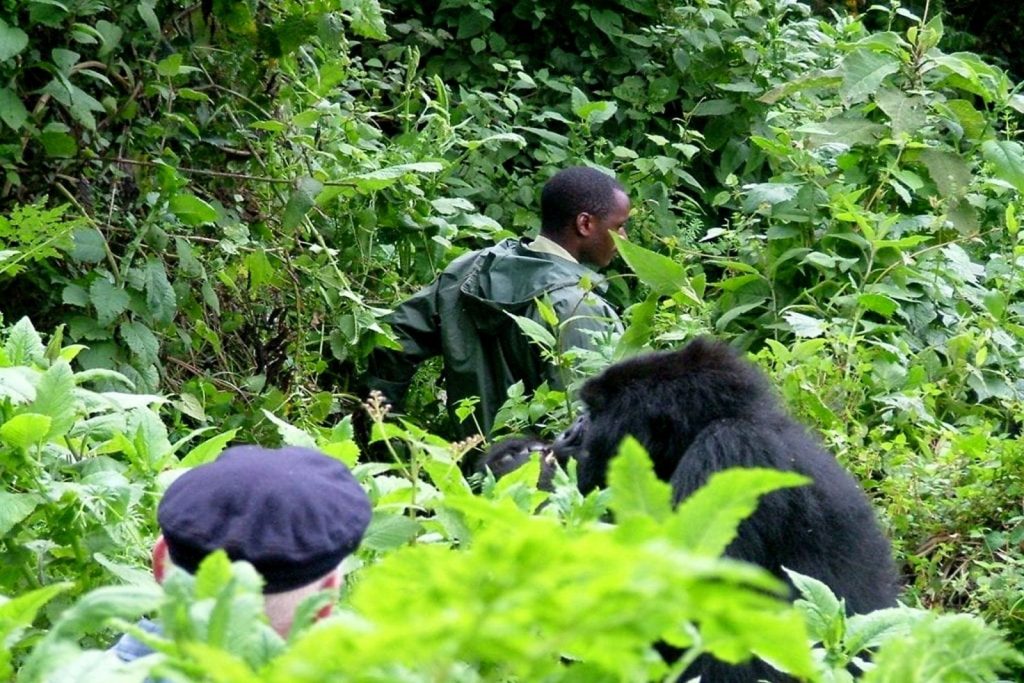
DR Congo’s Virunga National Park has historically offered a gorilla habituation experience alongside its standard gorilla trekking programme, and for senior travellers specifically, this extended, more immersive encounter presented an appealing option given Congo’s comparatively lower overall pricing structure. As of 2026, however, Virunga National Park remains closed to tourism following the M23 armed group’s capture of Goma in 2025, meaning this specific option is not currently available regardless of a traveller’s age or interest level. This guide addresses what Congo’s habituation programme traditionally offered senior travellers, honestly covers the current closure, and points toward Uganda’s genuinely comparable, currently bookable alternative.
Given the current situation, this guide focuses primarily on realistic senior-specific planning for Uganda’s habituation programme, the only country currently offering this specific extended gorilla experience, while covering Congo’s historical offering for context.
The Current Reality for Seniors Interested in Congo’s Habituation Programme
International travel advisories from the UK, US, EU and Australia continue to advise against travel to eastern DR Congo given the ongoing conflict, and this applies to all travellers regardless of age or specific interest in the habituation experience over standard trekking. Senior travellers should understand clearly that no legitimate operator is currently booking any gorilla-related permits in Congo, and the responsible guidance is to plan around Uganda instead for the foreseeable future.
How Habituation Differs From Simply a Longer Trek
It is worth understanding that the habituation experience is not simply a longer version of standard trekking, but a genuinely different kind of encounter, since the family being visited is still adjusting to consistent human presence rather than fully accustomed to it in the way established trekking families are. This means senior travellers should expect slightly more variable, sometimes less predictable behaviour from the family compared to a long-established trekking group, an aspect some travellers find adds authenticity and excitement to the encounter while others may find slightly more unsettling given their own preference for calmer, more settled wildlife viewing. Being aware of this distinction in advance, rather than assuming habituation simply means more time with an otherwise identical experience to standard trekking, helps set genuinely accurate expectations before committing to the considerably higher cost and greater physical demand this option represents.
What Congo’s Habituation Programme Traditionally Offered
Under normal operating conditions, Virunga National Park offered an extended gorilla encounter considerably longer than standard trekking’s single hour, allowing visitors to follow a family still in the habituation process for several hours, similar in concept to Uganda’s current Rushaga sector programme. Congo’s version historically carried a lower price than Uganda’s habituation experience, consistent with Virunga’s generally lower-cost positioning across all its gorilla tourism offerings compared to its neighbours.
Uganda’s Habituation Experience as the Realistic Choice for Seniors Today
Uganda’s gorilla habituation experience, available exclusively in Bwindi’s Rushaga sector, costs $1,500 for foreign non-residents and offers up to four hours with a family still becoming accustomed to human presence, compared to standard trekking’s single hour. For senior travellers, this extended format offers a genuine opportunity to move at a more measured, less rushed pace during actual observation time, though it also demands a longer overall day in the field, an important trade-off for older travellers to weigh honestly.
Groups are capped at just four participants for the habituation experience, half the standard trekking group size, which some senior travellers specifically appreciate given the more intimate, less crowded dynamic this creates during an already physically demanding day.
Weighing Duration Against Physical Demands
Seniors considering Uganda’s habituation experience should honestly weigh the appeal of extended observation time against the genuine physical toll of a day that can run up to twelve hours including approach and return hikes, a considerably longer commitment than standard trekking’s typically shorter overall day.
How Uganda’s Pricing Compares to Congo’s Historical Rate
Congo’s habituation experience, when operational, historically carried a lower price than Uganda’s current $1,500 rate, consistent with the broader pricing gap between the two countries across all gorilla tourism products. Senior travellers who researched Congo specifically for this pricing advantage should understand that Uganda’s premium, while genuinely higher, still reflects a considerably lower cost than Rwanda would charge for an equivalent extended experience, since Rwanda does not currently offer a habituation product at any price. This makes Uganda, despite lacking Congo’s historical discount, still the most accessible currently available option among the two countries genuinely offering extended gorilla encounters today.
Foreign residents and East African citizens qualify for meaningfully reduced habituation rates in Uganda, and senior travellers who have relocated to the region for retirement or extended stays should confirm their eligibility for these reduced rates, potentially narrowing the gap with Congo’s historical pricing considerably for qualifying individuals.
Physical Preparation Specific to the Extended Format
Because the habituation day runs so much longer than standard trekking, senior travellers should prepare with particular attention to sustained stamina rather than simply short-burst fitness, including regular walking or hiking practice building toward multi-hour sessions in the months before travel. Consulting a doctor specifically about readiness for a genuinely full day of physical activity, rather than a shorter, more contained standard trek, is a sensible precaution given the extended demands involved.
Sedan chair support remains available for the habituation experience just as it does for standard trekking, and seniors with any doubt about completing the full day under their own power should discuss this option with their operator well in advance, since the porter team requires additional coordination given the day’s extended length.
What Rangers and Guides Recommend for Older Habituation Participants
Experienced Rushaga guides recommend senior travellers considering the habituation experience communicate their fitness level and any health concerns clearly during the pre-trek briefing, allowing guides to adjust pacing and, where flexibility exists, favour a route with somewhat gentler terrain if genuinely available options exist that day. Guides also emphasise the importance of adequate hydration and regular small breaks throughout the extended day, a discipline worth practising during pre-trip training hikes so it becomes second nature rather than something to remember for the first time under genuine physical strain in the field.
Monitoring Congo for Future Senior Travel Planning
Senior travellers specifically drawn to Congo’s historical habituation pricing should monitor official sources directly, including Virunga National Park’s own communications and major international travel advisory bodies, rather than making firm future plans around an unpredictable reopening timeline. Patience remains the only responsible approach given the genuine, ongoing security concerns in the region.
Accommodation and Logistics for a Longer Day in Rushaga
Because the habituation experience runs considerably longer than standard trekking, senior travellers should prioritise accommodation with a genuinely short, comfortable transfer to Rushaga sector headquarters, minimising early morning travel fatigue before an already demanding day begins. Several well-appointed lodges have developed specifically around Rushaga in recent years to serve habituation visitors, offering a level of comfort and proximity that considerably eases the logistics of this longer, more involved activity compared to lodges positioned for standard trekking convenience alone.
Building in a genuinely restful day both before and after the habituation experience, rather than scheduling other demanding activities immediately adjacent to it, gives senior travellers adequate recovery time and helps ensure the extended day remains a highlight rather than an exhausting ordeal within the broader trip.
Travel Insurance Considerations for the Extended Experience
Given the habituation day’s considerably longer duration and correspondingly greater physical demand, senior travellers should confirm their travel insurance policy provides adequate coverage for emergency evacuation from Rushaga’s relatively remote sector, a genuine consideration given how far this specific area sits from advanced medical facilities. Discussing the extended nature of this particular activity directly with an insurance provider, rather than assuming standard gorilla trekking coverage automatically extends to the longer habituation format, is a sensible precaution worth taking seriously before finalising any booking.
Making a Realistic Choice Today
For senior travellers planning a trip in the near term, Uganda’s Rushaga sector habituation programme represents the only realistic, currently bookable option for this extended style of gorilla encounter, and with appropriate preparation and honest self-assessment, it remains genuinely achievable for many older travellers. Our guides on gorilla habituation in Uganda: costs, permits and booking tips and gorilla trekking for seniors cover senior-specific planning for this currently available option in more depth. The UK Foreign, Commonwealth and Development Office publishes regularly updated advisories on DR Congo worth monitoring for any future change in circumstances.
Balancing Ambition With Genuine Self-Assessment
Ultimately, the choice to attempt the considerably more demanding habituation experience, whether in Uganda today or in Congo at some future date, should rest on an honest, unhurried assessment of personal fitness and stamina rather than the allure of a lower historical price point or a longer encounter for its own sake. Seniors who approach this decision thoughtfully, and who communicate openly with their chosen operator about their specific physical circumstances, consistently report the most genuinely satisfying outcomes regardless of which country’s programme they ultimately experience, and regardless of whether they ultimately choose the longer, more immersive habituation format or the shorter, equally rewarding standard trek that remains available across all three range countries at some point in the future.