
Game Drive in Serengeti National Park
Established in 1951 as the oldest national park in Tanzania and spanning 14,763 Kilometers squared, the amazing Serengeti national park is located in the Northern circuit of Tanzania most well-known for its amazing and unmatched wildlife viewing safaris in East Africa.
Early morning, afternoon, evening, full day, and night game drives are available at Serengeti National Park. Depending on what a visitor is interested in seeing, Serengeti National Park welcomes two seasons: the wet/rainy season and the sunny/dry season. Both seasons are worth visiting the park for wildlife viewing safaris. For instance, the best season to visit the park for wildebeest migration is always the one in which the Wildebeests are seen returning to Serengeti national park from Masai Mara for calving and preparation for their annually migration again according to the rain patterns.
Game drives at Serengeti national park early in the morning Usually, morning wildlife drives accompany bush breakfast to let visitors remain in the outdoors until lunch time. You might, however, also choose to return to the lodge for breakfast and then start the game drive till lunchtime.
Undoubtedly the best place in East Africa where visitors spend a whole day excursion on a game drive safari beginning from morning before the dawn until sunset as the sun sets Serengeti national park. Driving in Serengeti national park for a whole day is best done with a packed lunch, always eaten in the shade of a tree, as the wildlife drive proceeds. Still, most visitors who must have a hot meal choose to go back to the lodge for breakfast and lunch during the full day game drive. The full day game drive lets visitors see early in the morning both nocturnal mammals, hunters, and herbivores; most seen mammals are herbivores as they visit the waterbodies to quench their thirst and ultimately by evening the nocturnal and hunters are seen returning from their hideouts to start their night hunts. Starting at 6:00 am in the morning and finishing at 5:00 pm in the evening, full day game drives
Starting at 4:00pm and finishing at 6pm, evening game drives are attended by visitors getting ready for an exciting trip.
Serengeti national park’s night game drives begin at 7:00pm and are facilitated by sport lights among close security of armed rangers.
Ideal location for Serengeti National Park Game Drive Safaris
Being a savanna national park, practically every area of the park provides suitable for game viewing; however, some areas could be challenging to drive through. Nevertheless, there are always several ways to use the park for wildlife viewing safari, including hot air balloon, walking safari among other options to view different species of wildlife on the endless plains of Serengeti national park.
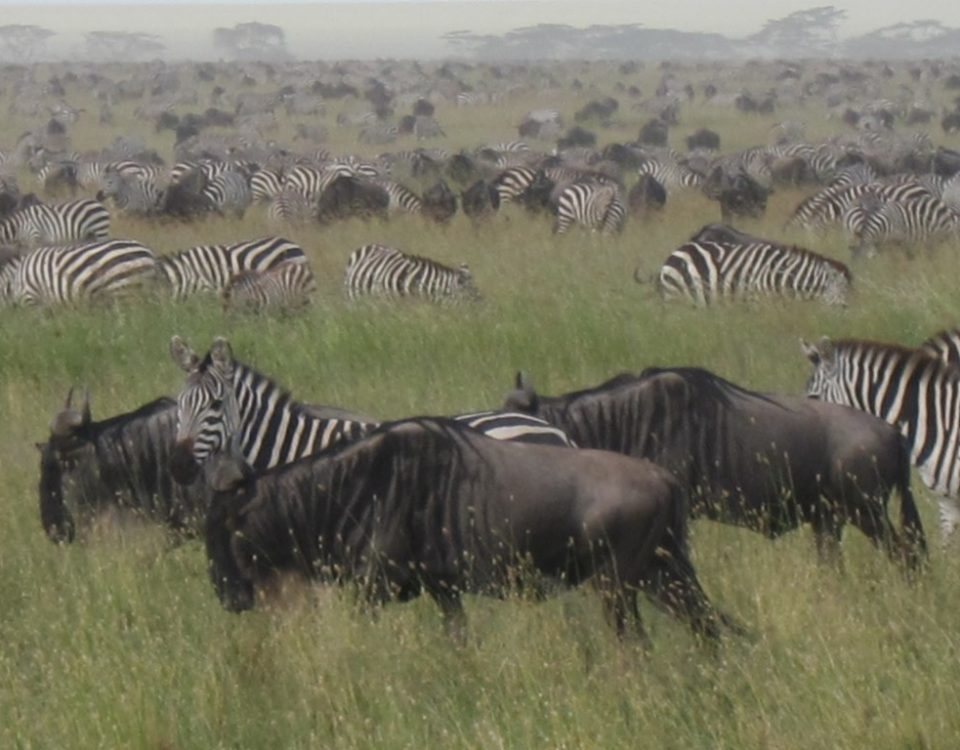
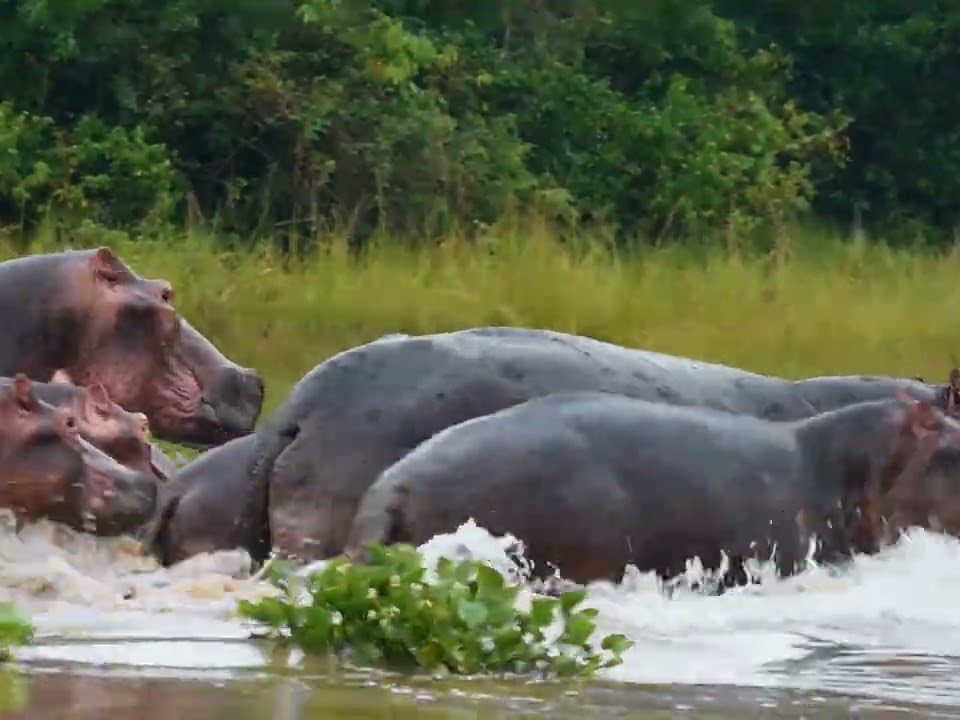
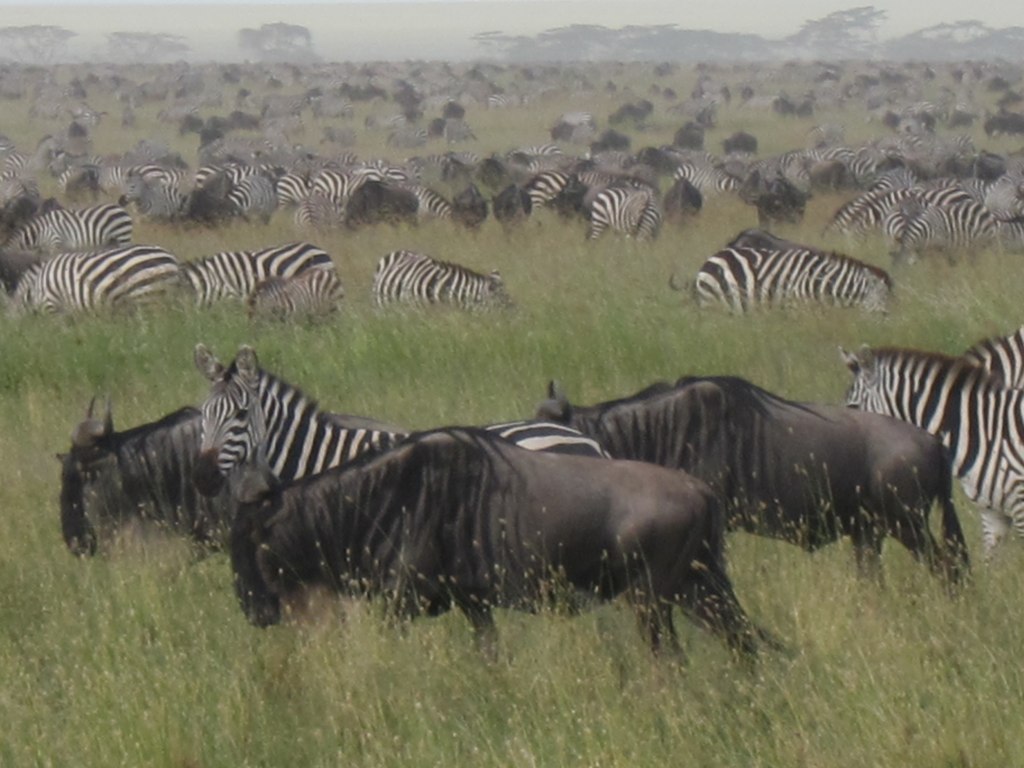
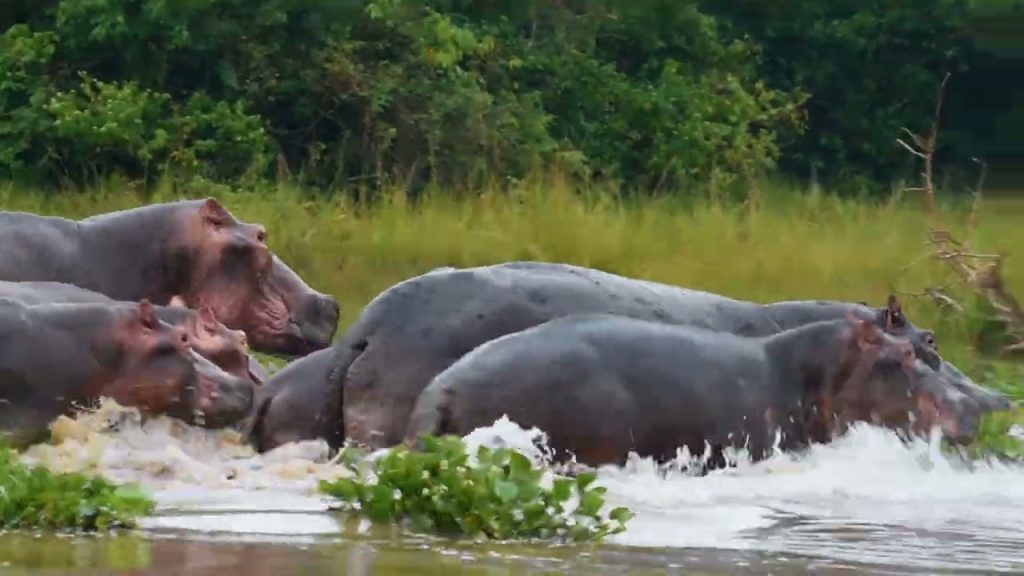
Large herds of wildebeests, gazelles, impalas, Topis and many more are seen grazing in the savanna grassland; in the woodland filled with acacia trees exists a good number of monkeys, birds, deep inside the swamp areas; buffaloes, Hippos, elephants and along the rivers are good spots for Hippos, Crocodiles and different aquatic birds. Still, the whole park can be broken out as follows:
Southern section: Seronera valley and river define Serengeti national park’s southern section. Serengeti national park’s southern section consists of a large open savanna grassland running toward Seronera valley, home to a great population of animals. Rivers running in Serengeti national park’s southern section maintain fresh vegetative cover for wildlife by year-round flow. The most often seen species of animals in Seronera Valley comprise mammals. Wildebeests, buffaloes, gazelles, Zebras, dik dik, impalas, warthogs, cheetahs, pride of lions as they hide in the Kopjes, Leopards and plenty of bird species. While some live in the Seronera valley, others come to get water during the dry months. Game drive, hot air balloon safaris, or walking safaris allow one to explore the plains of Seronera valley.
Western part: Safaris for game watching would be greatest from the Western corridor of Serengeti national park, which spans to the Grumeti River. Though largely targeted for visitors wishing to see the wildebeest migration in Serengeti national park, the western corridor is essentially covered in savanna woodland. The remaining wildebeests persist and cross over following the fresher and greener vegetation in the opposite side of the river as they head towards northern part of the park. At this point, wildebeests are seen crossing River Grumeti during the months of June and July so booking a wildlife viewing safari enables visitors to view the most fascinating and challenging experience as the wildebeests drown in River Grumeti and others are seen being eaten by hungry crocodiles.
Game Drive Safari within the national park Serengeti
Game Drive in the Serengeti national park
Serengeti national park’s northern section is so covered in broad fields of savanna grassland extending toward Masai Mara national reserve. With a chance to see cheetahs and other various species of mammals and bird life, this is also a great place for wildlife viewing.
Ultimately, Serengeti national park is still the top choice for game drive safaris and other wildlife viewing activities including hot air balloon, walking safari, nature walks, birding among others.
Recommended Tours: 6 Days Tanzania Wildlife Safari | 5 Days Ngorongoro & Serengeti Safari
Tanzania Safari – What You Need to Know
Tanzania is one of Africa’s greatest safari destinations, home to the Serengeti, Ngorongoro Crater, Ruaha, Selous (Nyerere), Tarangire, Lake Manyara, and the Mahale Mountains. Each park offers a distinct ecosystem and wildlife experience, making Tanzania ideal for multi-park itineraries.
The country’s crown jewel is the Serengeti – over 14,000 km² of open savannah supporting the world’s largest terrestrial mammal migration. Over 1.5 million wildebeest, joined by hundreds of thousands of zebras and gazelles, circle the Serengeti ecosystem in an annual clockwise journey in search of fresh grass and water.
Tanzania is also home to Africa’s highest peak, Mount Kilimanjaro, and the Zanzibar Archipelago – making it possible to combine a classic safari with a mountain climb and a beach extension all in one country.
Frequently Asked Questions About Tanzania Safari
Do I need a visa for Tanzania?
Most nationalities require a visa to enter Tanzania. An e-visa can be applied for online at evisa.immigration.go.tz before travel. Citizens of many East African countries are exempt. A standard tourist visa costs USD 50. On arrival, visas are available at Kilimanjaro, Julius Nyerere (Dar es Salaam), and Zanzibar international airports.
What is the best national park to visit in Tanzania?
The Serengeti is Tanzania’s most famous park, but the best park for you depends on your interests. For the Great Migration, the northern Serengeti (July-October) or southern Serengeti (January-March calving season) is unmissable. For sheer density of wildlife in a small area, the Ngorongoro Crater is extraordinary. For elephants, Tarangire (July-October) is outstanding. For wild dogs and remote wilderness, Ruaha and Nyerere are superb.
How many days do I need for a Tanzania safari?
A minimum of 5-7 days allows you to visit two parks (typically Serengeti + Ngorongoro). For a thorough experience of Tanzania’s northern circuit (Tarangire, Manyara, Ngorongoro, Serengeti), allow 8-10 days. Adding Zanzibar or Kilimanjaro extends the trip to 12-14 days for the full Tanzania experience.
What wildlife will I see in Tanzania?
Tanzania’s parks are home to the Big Five (lion, leopard, elephant, buffalo, rhino) along with cheetahs, wild dogs, hyenas, giraffes, zebras, hippos, crocodiles, and an astounding diversity of birds. The Serengeti alone hosts over 500 bird species. The Ngorongoro Crater has the densest concentration of lions in Africa.
Explore More: Kenya Safaris | Gorilla Trekking Guide | Tanzania Safaris | Uganda Safaris
Contact Us – Ready to book your East Africa gorilla safari? Our team is here to help you plan the perfect trip.
Kenya’s National Parks and Safari Experiences
Kenya is the birthplace of the African safari and home to iconic national parks. The Maasai Mara National Reserve hosts the Great Wildebeest Migration and the Big Five year-round. Amboseli National Park offers breathtaking Kilimanjaro views with large elephant herds. Samburu, Tsavo, and Lake Nakuru National Parks each add unique dimensions to Kenya’s wildlife portfolio. Enjoy game drives, hot air balloon safaris at dawn, and world-class birding. Beach extensions to Diani or Malindi combine perfectly with wildlife safaris. Cultural experiences with the Maasai are unmissable. Choose from luxury, camping, family, honeymoon, or fly-in safaris across Kenya’s finest parks and reserves.
Plan Your East Africa Safari
Preparing for your East Africa adventure requires careful planning. Start with understanding gorilla trekking permits and gorilla trekking costs to budget your trip correctly. Our guide to what to pack for gorilla trekking ensures you arrive fully prepared for the trek. Review gorilla trekking rules and etiquette and our essential safety and health tips before you travel. Find the best gorilla trekking accommodation near the national parks, and learn about getting to the gorilla parks by road or air. Capture your experience perfectly with our gorilla photography tips, and discover how gorilla tourism supports conservation. Get physically ready with our fitness and preparation guide and explore cultural experiences near gorilla parks. Consider the unique gorilla habituation experience for extended time with mountain gorillas. Complete your East Africa journey with fly-in safari options and a relaxing East Africa beach safari. Browse our full safari FAQs for everything you need to know before booking.