Fort Portal Crater Lakes: Which Ones Are Worth Visiting?
Fort Portal is one of Uganda’s most attractive destinations for travellers interested in nature, countryside walks and beautiful landscapes. Located in western Uganda, the city is surrounded by green hills, tea plantations, farming communities and numerous volcanic crater lakes.
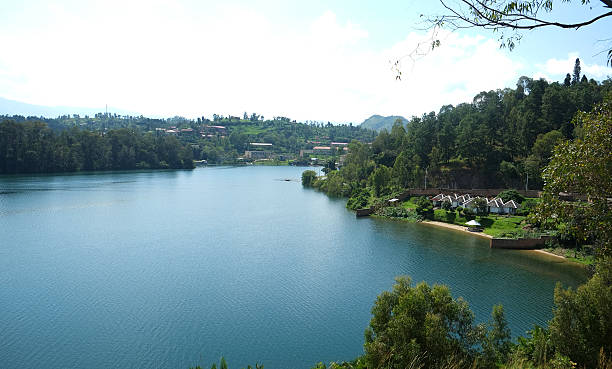
The Fort Portal crater lakes are particularly interesting because each offers a different experience. Some are known for their views, others for birdwatching, forest walks or peaceful accommodation overlooking the water.
Among the best-known are Lake Kyaninga, Lake Nkuruba and Lake Nyinambuga. The wider Ndali-Kasenda region also contains many smaller lakes that visitors can explore with local guides.
If you are planning a Uganda safari, visiting these crater lakes can be a pleasant addition to chimpanzee trekking in Kibale National Park or a journey towards the Rwenzori Mountains.
This guide explains which lakes are worth visiting, what makes them different and how to plan your time around Fort Portal.
Understanding the Fort Portal Crater Lakes
The crater lakes around Fort Portal formed through volcanic activity thousands of years ago.
Explosive volcanic events created depressions in the ground. Some later filled with water, forming the lakes visible today.
The surrounding landscape contains steep crater rims, cultivated hillsides and areas of natural vegetation.
Although many lakes share a volcanic origin, they differ in size, depth, access and surrounding habitats.
Some are easy to admire from roadside viewpoints. Others require walking through farms or forested areas.
The main crater lake clusters lie around the Ndali-Kasenda region, south of Fort Portal, while Lake Kyaninga and Lake Saka are closer to the city.
1. Lake Kyaninga: Best for Scenic Views
Lake Kyaninga is one of the most recognisable crater lakes near Fort Portal.
It lies in a steep-sided volcanic crater surrounded by vegetation and attractive countryside.
The lake is particularly popular with travellers interested in photography, walking and peaceful accommodation.
What Makes Lake Kyaninga Special?
Kyaninga has striking blue-green water that contrasts with the surrounding hills.
Its crater rim offers views of the lake and, when visibility permits, the distant Rwenzori Mountains.
The landscape is especially attractive during clear weather.
Activities Around Lake Kyaninga
Visitors may enjoy guided walks around suitable sections of the crater rim.
Some organised walking routes take approximately one to two hours, depending on the chosen path and pace.
Photography is another popular activity.
Access to certain viewpoints or facilities may be controlled by nearby accommodation providers or private landowners.
Always confirm permission before entering.
Who Should Visit Lake Kyaninga?
Kyaninga is particularly suitable for:
-
Couples looking for peaceful scenery.
-
Landscape photographers.
-
Travellers interested in short walks.
-
Visitors seeking comfortable countryside accommodation.
It is a strong choice if you only have time to visit one crater lake close to Fort Portal.
2. Lake Nkuruba: Best for Nature Walks
Lake Nkuruba is located south of Fort Portal within a forested landscape.
It is associated with a community nature reserve and accommodation facilities.
The surrounding vegetation provides habitat for birds and monkeys.
Wildlife Around Lake Nkuruba
Black-and-white colobus monkeys are among the animals visitors may encounter.
Other primates and forest birds may also be seen.
Wildlife sightings depend on conditions and animal movements.
Visitors should never feed monkeys or attempt to approach them closely.
Guided Nature Walks
Local guides offer walks through the surrounding forest and wetland environment.
These activities provide opportunities to learn about local plants, wildlife and conservation.
Some visits can also include nearby farming communities and coffee-growing areas.
Who Should Visit Lake Nkuruba?
Lake Nkuruba is suitable for travellers interested in:
-
Birdwatching.
-
Forest walks.
-
Monkey viewing.
-
Community-based tourism.
-
Affordable nature accommodation.
It offers more than a simple viewpoint, making it an interesting option for active visitors.
3. Lake Nyinambuga: Best for Photography
Lake Nyinambuga is one of the best-known crater lakes in the Ndali-Kasenda region.
It is particularly recognised because its landscape appears on Uganda’s 20,000-shilling banknote.
The lake is surrounded by steep green slopes and attractive agricultural scenery.
Why Visit Lake Nyinambuga?
Nyinambuga is especially appealing to travellers who enjoy landscape photography.
A suitable viewpoint provides an opportunity to appreciate the shape of the crater and the surrounding hills.
You may also notice farming activities in nearby communities.
Visiting Lake Nyinambuga
Some viewpoints are reached through local roads and paths.
A guide can help you identify suitable access points and avoid entering private land without permission.
You do not need to spend an entire day here.
A visit can be combined with other crater lakes in the Kasenda area.
4. Lake Saka: A Convenient Stop Near Fort Portal
Lake Saka is another crater lake in the wider Fort Portal area.
It is relatively convenient for travellers exploring locations close to the city.
The surrounding landscape includes agricultural land and rural settlements.
What Can You Do at Lake Saka?
The main attraction is the lake scenery.
Depending on access arrangements, visitors may enjoy viewpoints and short walks.
Lake Saka is suitable for people who want to see another volcanic crater without committing to an extended hiking programme.
However, it generally offers fewer established tourism activities than Kyaninga or Nkuruba.
5. The Ndali-Kasenda Crater Lake Region
The Ndali-Kasenda area contains numerous crater lakes spread across green hills and farming communities.
Some lakes are visible from roads, while others require guided walks.
The region is popular for countryside exploration.
What Makes Ndali-Kasenda Interesting?
The main attraction is the concentration of lakes within a relatively small area.
Visitors can observe several crater shapes and enjoy changing views of the countryside.
The landscape also includes banana gardens, coffee farms and local settlements.
Guided Crater Lake Walks
Walking routes may connect different viewpoints and communities.
Some experiences take two or three hours.
Longer walks can occupy much of the day.
Choose a route according to your fitness and available time.
Comparing the Best Fort Portal Crater Lakes
| Crater Lake | Main Attraction | Recommended Activity | Suitable For |
|---|---|---|---|
| Lake Kyaninga | Deep crater and scenic views | Crater rim walking | Couples and photographers |
| Lake Nkuruba | Forest and wildlife | Guided nature walks | Birdwatchers and nature lovers |
| Lake Nyinambuga | Photogenic crater landscape | Viewpoint photography | Photographers |
| Lake Saka | Accessible countryside scenery | Short sightseeing visit | Travellers with limited time |
| Ndali-Kasenda lakes | Several volcanic lakes | Guided countryside walks | Active travellers |
If you have limited time, Kyaninga and Nyinambuga are useful choices for scenery.
For wildlife and guided walking, Lake Nkuruba is particularly interesting.
How Many Crater Lakes Can You Visit in One Day?
A full day allows you to visit several crater lakes around Fort Portal.
However, travelling between viewpoints can take longer than expected because some roads are narrow or uneven.
You should also allow time for walking and photography.
Suggested One-Day Crater Lakes Programme
Morning: Depart Fort Portal and visit Lake Kyaninga.
Late morning: Continue towards the Ndali-Kasenda region.
Midday: Visit Lake Nyinambuga and enjoy a suitable viewpoint.
Afternoon: Explore Lake Nkuruba with a local guide.
Evening: Return to Fort Portal.
This is a general programme. Your guide should adjust the order according to road conditions, access arrangements and your interests.
Best Time to Visit the Fort Portal Crater Lakes
The crater lakes can be visited throughout the year.
Western Uganda receives rainfall in different seasons, and the surrounding hills often remain green.
Relatively drier periods may offer more comfortable walking conditions.
However, rain is possible in any month.
Visiting During Wetter Periods
Rain can make the landscape particularly green.
However, some paths become slippery.
Cloud cover may also reduce visibility towards the Rwenzori Mountains.
Visiting During Drier Periods
Drier conditions can make sightseeing and walking easier.
Clear mornings may provide attractive photography opportunities.
For the best experience, begin your activities early and carry rain protection regardless of season.
Can You Swim in the Fort Portal Crater Lakes?
Swimming should never be assumed safe simply because the water appears clear.
Some crater lakes are deep, with steep sides and limited rescue facilities.
Freshwater may also present health risks, including waterborne infections.
Conditions differ between lakes.
Only consider swimming where an authorised operator confirms suitable arrangements and you have received appropriate health and safety advice.
Do not enter unfamiliar water independently.
Accommodation Around the Crater Lakes
Fort Portal offers a range of accommodation options.
You can stay within the city or choose a lodge overlooking a crater lake.
Staying in Fort Portal
City accommodation provides convenient access to restaurants, shops and transport services.
It can be practical if you plan to visit several destinations during your stay.
Staying Near a Crater Lake
Some lodges offer quiet surroundings and attractive lake views.
These properties may suit couples or travellers who prefer a peaceful countryside setting.
Before booking, confirm road access, meal availability and whether guided activities are provided.
What to Wear and Carry
Most crater lake visits involve moderate walking rather than technical hiking.
However, suitable footwear is important.
| Item | Purpose |
|---|---|
| Comfortable walking shoes | Walking on uneven paths |
| Rain jacket | Protection from sudden showers |
| Drinking water | Staying hydrated |
| Sunhat | Protection during sunny periods |
| Camera | Landscape photography |
| Binoculars | Birdwatching |
| Insect repellent | Protection against biting insects |
If you plan a longer countryside walk, carry a small daypack.
Combining Crater Lakes With Kibale National Park
The crater lakes are conveniently located for travellers visiting Kibale National Park.
Kibale is particularly famous for chimpanzee trekking.
A visitor could spend one day exploring the crater lakes and another participating in a booked chimpanzee activity.
However, chimpanzee tracking permits and activity schedules should be confirmed in advance.
The crater lakes can also be included in a longer journey towards Queen Elizabeth National Park or the Rwenzori Mountains.
Responsible Tourism Around the Crater Lakes
Many crater lakes are surrounded by farming communities and privately managed land.
Visitors should respect local livelihoods.
Ask permission before entering farms or photographing residents.
Avoid leaving rubbish along walking trails.
Use recognised local guides where appropriate.
Never feed monkeys or disturb nesting birds.
Responsible behaviour helps maintain the natural environment and supports positive relationships between visitors and communities.
Frequently Asked Questions About Fort Portal Crater Lakes
Which crater lake is the most beautiful near Fort Portal?
Lake Kyaninga and Lake Nyinambuga are particularly popular for scenery, although personal preferences vary.
Which crater lake is best for wildlife?
Lake Nkuruba is a good option for guided forest walks and opportunities to observe monkeys and birds.
Can you visit the crater lakes without a guide?
Some viewpoints are accessible independently, but a local guide is useful for navigation, access permissions and longer walks.
How many crater lakes are around Fort Portal?
The wider Fort Portal and Ndali-Kasenda region contains dozens of volcanic crater lakes.
Are the crater lakes near Kibale National Park?
Several lakes in the Ndali-Kasenda area are conveniently located for travellers exploring the Kibale region.
How long should you spend exploring the crater lakes?
One day is sufficient for selected viewpoints, while two days allow more time for walking and relaxation.
The Fort Portal crater lakes provide an enjoyable opportunity to explore western Uganda’s volcanic landscapes.
Lake Kyaninga is particularly attractive for scenery, Lake Nkuruba offers forest walks and wildlife, while Lake Nyinambuga is an excellent choice for photography.
The wider Ndali-Kasenda region provides opportunities to explore several lakes during one journey.
If you are visiting Fort Portal, allow at least one full day to appreciate the countryside.
With a suitable route, comfortable footwear and local guidance, the crater lakes can become a memorable addition to your Uganda safari.