Rubavu and Gisenyi Travel Guide: Lakeside Stays and Border Tips
Rubavu, commonly known by its former name Gisenyi, is a lakeside destination in northwestern Rwanda. Located on the northern shore of Lake Kivu, the town attracts visitors interested in relaxing accommodation, waterfront restaurants, boat excursions and beautiful mountain scenery. This Rubavu and Gisenyi travel guide explains where to stay, what to do and how to plan your journey.
Rubavu also borders Goma in the Democratic Republic of Congo. Because security conditions around the border remain unstable, visitors must check current travel advisories before making arrangements. Several governments currently advise against travel to Rubavu or recommend avoiding non-essential journeys to the area. Border crossings should never be treated as routine sightseeing activities.
Where Are Rubavu and Gisenyi Located?
Rubavu lies in Rwanda’s Western Province, near the northern end of Lake Kivu. Gisenyi is the familiar name for its main lakeside urban area, although Rubavu is now widely used in official administration.
The town sits approximately 150 kilometres from Kigali by road, depending on your starting point and chosen route. Driving generally takes around three to four hours under favourable conditions.
The surrounding landscape includes cultivated hills, lakeside settlements and views towards the Virunga volcanic region.
Rubavu is also associated with the Congo Nile Trail, which connects several communities along Lake Kivu through walking and cycling routes.
Its location makes it an attractive destination geographically, although current regional security concerns require careful travel decisions.
Lakeside Stays in Rubavu and Gisenyi
Accommodation around Lake Kivu ranges from established hotels to smaller guesthouses. The most suitable option depends on your budget, preferred facilities and travel arrangements.
Luxury Lakeside Hotels
Visitors seeking additional comfort can look for established waterfront properties offering spacious rooms, restaurants, gardens and lake views.
Lake Kivu Serena Hotel is among the best-known accommodation properties in Gisenyi. Its lakeside setting has traditionally attracted leisure travellers and business visitors.
Before booking, confirm whether the hotel is operating normally, what security arrangements are in place and whether the surrounding area is accessible.
Mid-Range Accommodation
Mid-range hotels and guesthouses can suit couples, small groups and independent travellers.
Some properties offer lake-facing rooms, outdoor seating and restaurants serving Rwandan and international dishes.
When comparing accommodation, consider:
- Distance from the waterfront.
- Reliable electricity and hot water.
- Secure vehicle parking.
- Restaurant availability.
- Recent guest feedback.
- Flexible cancellation conditions.
A hotel situated directly beside the lake may cost more than accommodation farther inland.
Budget Guesthouses
Smaller guesthouses can be suitable for travellers who prioritise affordability.
Facilities vary considerably, so check whether breakfast, Wi-Fi and private bathrooms are included.
Choose accommodation through a reputable booking provider and avoid paying substantial non-refundable deposits while regional travel conditions remain uncertain.
Things to Do Around Lake Kivu
Lake Kivu provides the main attraction in Rubavu. Its shoreline offers scenic views, recreational areas and opportunities to observe everyday lakeside activities.
However, planned excursions should proceed only when current security advice supports travel.
1. Enjoy the Lake Kivu Waterfront
The waterfront is traditionally a popular place for relaxing walks and photography.
Visitors can appreciate the lake, watch fishing activity and enjoy views of the surrounding hills.
Morning conditions often provide softer light for photographs, while late afternoons can offer attractive views across the water.
Remain in established visitor areas and ask your accommodation provider about suitable walking routes.
Avoid isolated shoreline sections, particularly after dark.
2. Take a Guided Boat Excursion
Boat trips are among the activities associated with Lake Kivu.
Depending on local conditions and availability, operators may arrange short sightseeing excursions along the shoreline.
Choose a properly maintained boat with suitable life jackets for every passenger.
Confirm the expected duration, passenger capacity and weather conditions before departure.
Never ask a boat operator to approach the international border or enter Congolese waters without the appropriate permissions.
3. Explore Nyamyumba Hot Springs
Nyamyumba, near Rubavu, is known for natural hot springs.
The springs are associated with geothermal activity in the wider volcanic region.
Visitors interested in seeing them should arrange a local guide and confirm whether public access is currently permitted.
Hot water can cause serious burns. Avoid entering unfamiliar pools or touching water before receiving clear safety instructions.
4. Discover Local Food
Rubavu has restaurants serving Rwandan meals, grilled fish and familiar international dishes.
Fresh fish is particularly associated with communities around Lake Kivu.
You may find tilapia served with chips, rice, vegetables or plantain.
Other common choices include beans, grilled meat, potatoes and seasonal vegetables.
If you have dietary restrictions, explain them clearly before ordering.
Where to Eat in Gisenyi
Choosing where to eat depends on your accommodation location, available transport and personal preferences.
Hotel restaurants are often convenient because they reduce the need for unnecessary evening travel.
Waterfront restaurants may offer outdoor seating and lake views, although opening arrangements can change.
| Dining option | Suitable for | Practical advice |
|---|---|---|
| Hotel restaurant | Families and couples | Confirm meal times |
| Lakeside restaurant | Scenic lunches | Check current accessibility |
| Local restaurant | Traditional Rwandan meals | Ask about daily dishes |
| Café | Tea and light snacks | Confirm opening hours |
| Guesthouse dining | Quiet evenings | Order meals in advance |
Try locally prepared food when suitable, but choose establishments that follow reasonable hygiene practices.
Drink treated or bottled water and ensure food is properly cooked.
Border Crossing Tips for Rubavu and Gisenyi
Rubavu shares an international border with Goma in the Democratic Republic of Congo.
The principal crossings are commonly known as Grande Barrière and Petite Barrière.
These border posts have historically supported trade and passenger movement between Rwanda and Congo.
However, conditions around Goma and the border are volatile. Crossing permissions, operating hours and security arrangements may change with little warning.
Some government advisories warn against travel to Rubavu itself, while others identify restrictions affecting travel through the Gisenyi-Goma crossings.
Documents to Prepare
Travellers considering an international crossing must confirm the specific requirements for their nationality.
Documents may include:
- A passport with sufficient remaining validity.
- The appropriate Congolese entry visa.
- Any required vaccination documentation.
- Proof of accommodation or onward arrangements.
- Additional documents requested by immigration authorities.
A Rwandan visa does not automatically grant entry into the Democratic Republic of Congo.
Similarly, the East African Tourist Visa covers Rwanda, Uganda and Kenya under its applicable conditions. It does not cover the DRC.
Do Not Assume the Border Is Open
Even when a crossing operates for some travellers, access may be restricted for others.
Opening hours can change, and commercial movement does not necessarily mean tourists can cross.
Before attempting any journey, consult official immigration information, current travel advisories and your embassy.
If authorities advise against travel, postpone your crossing.
Never use informal paths, unregistered guides or unofficial transport arrangements to bypass border controls.
How to Reach Rubavu From Kigali
The usual road journey follows the route northwest from Kigali towards Rubavu.
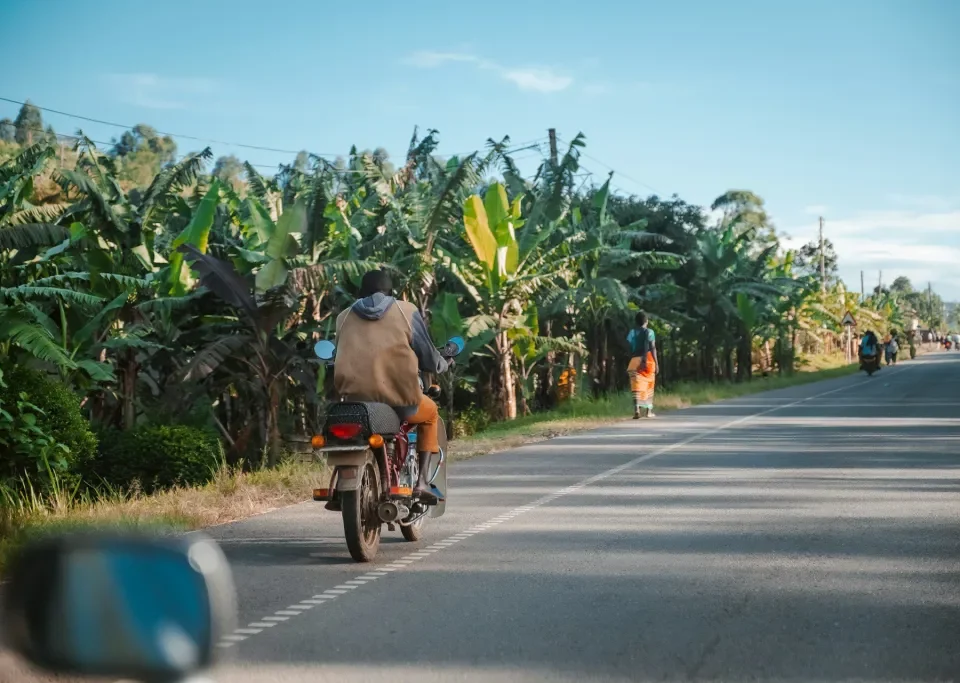
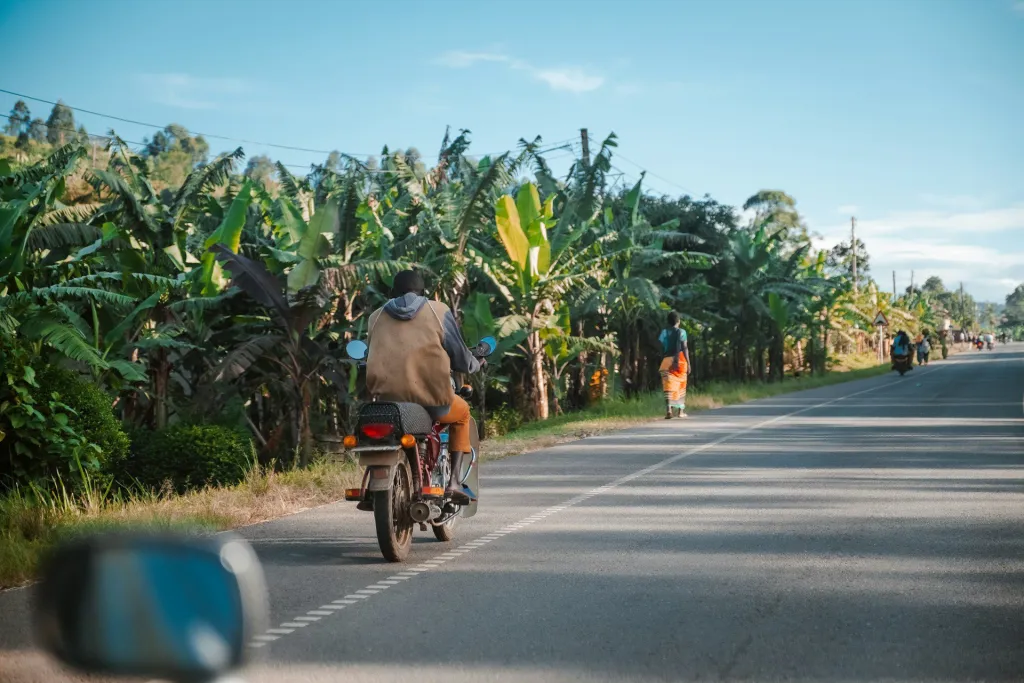
The drive passes through hilly countryside with farms, villages and viewpoints.
Private transport offers flexibility, while scheduled buses may provide a more affordable option when services are operating normally.
Before departing, establish whether the road is accessible and whether your destination falls within an area covered by official travel warnings.
Travellers using private transport should select an experienced driver familiar with western Rwanda.
Avoid travelling after dark because mountain roads can have sharp bends, reduced visibility and unexpected obstacles.
Best Time to Visit Lake Kivu
Rwanda experiences relatively drier periods around June to September and December to February.
These months can provide more comfortable conditions for outdoor activities.
Rainfall is often heavier between March and May, with another wetter period around October and November.
However, weather alone should not determine when you visit Rubavu.
Current security conditions are the first consideration. A sunny forecast does not mean the destination is safe for tourists.
Combining Rubavu With Other Rwanda Destinations
Travellers often consider Rubavu as part of a wider Rwanda itinerary.
Volcanoes National Park, near Musanze, is associated with mountain gorilla trekking and golden monkey tracking.
Lake Kivu also has established tourism destinations farther south, including Karongi and Rusizi.
These places offer different accommodation options and travel experiences.
Nevertheless, alternative destinations require their own safety assessments, particularly those near international borders.
When planning several stops, allow enough time for road travel and avoid creating an itinerary that depends on uncertain border access.
Practical Travel Advice
Rwanda uses the Rwandan franc. Card payments may be available at established hotels, but smaller businesses often prefer cash.
English and Kinyarwanda are widely used, while French is also spoken.
Carry suitable clothing for cooler evenings, particularly during rainy periods.
If you intend to participate in outdoor activities, bring comfortable walking shoes, sunscreen and a lightweight raincoat.
Keep digital and printed copies of essential travel documents.
Share your itinerary with someone you trust and follow instructions from local authorities.
Frequently Asked Questions
Are Rubavu and Gisenyi the Same Place?
Gisenyi is the familiar historical name for the lakeside town, while Rubavu is the official name used for the wider administrative area.
Can You Swim in Lake Kivu?
Swimming is sometimes offered at designated lakeside locations. However, water conditions, access restrictions and local health advice must be checked first. Never assume an unfamiliar beach is safe.
Can Tourists Cross From Gisenyi to Goma?
Crossing arrangements depend on current security conditions, immigration rules and nationality. Several official advisories currently warn against travel in this border area. Do not attempt the crossing without confirming that it is permitted and safe.
How Many Days Should You Spend in Rubavu?
Under normal travel conditions, one or two nights can provide time for waterfront relaxation and organised activities. Current travel warnings may make postponement the more appropriate decision.
Rubavu and Gisenyi have long attracted visitors with their Lake Kivu scenery, established hotels, restaurants and waterfront activities. The surrounding hills and volcanic landscape add to the area’s appeal.
For now, responsible travel planning requires particular attention to regional security. Check official advice before booking accommodation, travelling from Kigali or considering the Goma border.
If conditions are unsuitable, choose another Rwanda destination and return to Rubavu when travel advisories permit a more comfortable visit.