Lake Mulehe and Lake Mutanda: Calm Lakes Near the Gorilla Parks
Southwestern Uganda is famous for mountain gorilla trekking, but its beautiful lakes deserve attention too. Near Kisoro, Lake Mulehe and Lake Mutanda provide peaceful places where travellers can enjoy mountain views, canoeing, birdwatching and relaxing afternoons after visiting the gorilla parks.
Surrounded by green hills, farming communities and the Virunga Mountains, these lakes offer a different experience from Uganda’s larger safari destinations. Their locations make them convenient additions to trips involving Bwindi Impenetrable National Park and Mgahinga Gorilla National Park.
This Lake Mulehe and Mutanda guide explains what makes each lake interesting, the activities available, how to reach them and what you should consider when planning your visit.
Where Are Lake Mulehe and Lake Mutanda?
Both lakes are located in Kisoro District, southwestern Uganda, close to the borders with Rwanda and the Democratic Republic of Congo.
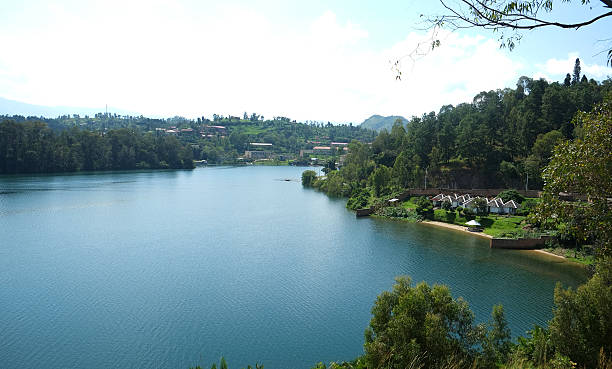
Lake Mutanda lies north of Kisoro town, with views towards the Virunga volcanoes. Its islands, surrounding hills and lakeside accommodation make it particularly attractive to visitors seeking a relaxing stay.
Lake Mulehe is located along the wider Kisoro–Rushaga route, making it convenient for travellers visiting the southern sections of Bwindi Impenetrable National Park.
Although the lakes share similar highland surroundings, they offer slightly different experiences.
| Feature | Lake Mulehe | Lake Mutanda |
|---|---|---|
| Location | Kisoro District | Kisoro District |
| Main scenery | Terraced hills and rural communities | Islands and Virunga volcanoes |
| Popular activities | Canoeing, walking and birdwatching | Canoeing, island visits and photography |
| Nearby gorilla destination | Bwindi’s southern sectors | Bwindi and Mgahinga |
| Ideal visitors | Travellers seeking quiet surroundings | Couples, photographers and nature lovers |
Both locations deserve consideration when planning a longer Uganda gorilla safari.
1. Lake Mulehe: A Peaceful Highland Lake
Beautiful Surroundings and Local Life
Lake Mulehe is a relatively small freshwater lake surrounded by cultivated hillsides and rural settlements.
The surrounding communities practise farming, and you can see terraced gardens covering the slopes.
These landscapes create attractive scenery, particularly during the morning when sunlight reaches the surrounding hills.
Unlike busy tourism centres, Lake Mulehe generally offers a quieter atmosphere.
Visitors can spend time watching local activities, enjoying the lake views or relaxing at nearby accommodation.
The setting suits travellers who prefer simple experiences and opportunities to appreciate everyday life in southwestern Uganda.
Canoeing on Lake Mulehe
Canoeing is one of the activities available around Lake Mulehe.
Traditional wooden canoes are commonly associated with fishing and local transport in the area.
Depending on available operators, visitors may arrange guided canoe excursions to explore sections of the shoreline.
A canoe ride allows you to appreciate the surrounding landscape while observing birds and nearby settlements.
Always use a properly fitted life jacket and travel with an experienced local guide.
Confirm weather conditions before entering the water, particularly when clouds or strong winds are developing.
Birdwatching Around Lake Mulehe
Lake Mulehe attracts various birds associated with freshwater and surrounding agricultural habitats.
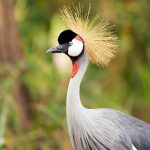
Depending on the season and location, you may encounter kingfishers, herons, egrets and other wetland species.
The surrounding gardens and trees also provide opportunities to observe smaller birds.
Early morning is usually a convenient time for birdwatching because activity can be higher before the day becomes warmer.
Bring binoculars if you have them.
An experienced birding guide can help identify species that may otherwise be difficult to recognise.
2. Lake Mutanda: Islands and Volcano Views
A Beautiful Lake Near Kisoro
Lake Mutanda is one of southwestern Uganda’s attractive highland lakes.
Its scenery includes small islands, green hills and views of the Virunga Mountains.
On clear days, visitors can see the volcanic peaks of Muhabura, Gahinga and Sabyinyo rising above the surrounding landscape.
The lake’s position makes it suitable for travellers who want to combine comfortable accommodation with outdoor activities.
Several lodges in the wider area take advantage of these views.
You can enjoy a quiet morning beside the water before continuing towards the gorilla parks.
Canoeing and Boat Excursions
Exploring Lake Mutanda by canoe or boat is a popular visitor activity.
Guided excursions provide opportunities to observe the islands, surrounding hills and birds living near the shoreline.
Some trips may include visits to selected islands, depending on local arrangements and permissions.
Your guide can explain the history of these places and their relationship with nearby communities.
Before booking, ask about the excursion’s duration, safety equipment and weather requirements.
Families with children should confirm whether suitable life jackets and seating arrangements are available.
Photography at Lake Mutanda
Lake Mutanda is particularly appealing to photographers.
Its islands create interesting foregrounds, while the Virunga Mountains provide a striking background.
Morning often offers clear opportunities for photographs, although cloud cover can conceal the volcanic peaks.
Late afternoon light may also produce attractive views across the water.
If you are photographing people in nearby villages, ask permission first.
Respect private property and avoid entering cultivated gardens without approval.
Activities Around Lake Mulehe and Lake Mutanda
Although both lakes are known for their peaceful settings, visitors can enjoy several organised activities.
Nature Walks
Guided walks around accessible sections of the lakes provide opportunities to explore local landscapes.
You may pass farms, small settlements and viewpoints overlooking the water.
Walking routes differ in length and difficulty.
Some paths involve steep hills, so comfortable footwear is important.
Ask your guide to recommend a route suited to your fitness and available time.
Community Visits
The Kisoro region is home to communities with different cultural traditions and ways of life.
Organised community visits may introduce you to farming practices, local crafts or traditional food preparation.
Choose activities arranged with community consent and fair payment for local hosts.
Avoid entering homes or photographing residents without permission.
Relaxing at Lakeside Accommodation
You do not need to fill every hour with activities.
After a demanding gorilla trek, spending an afternoon at a lakeside lodge can be especially welcome.
You can read, enjoy the surroundings or watch the changing weather over the hills.
For many visitors, this quiet time becomes a pleasant part of their southwestern Uganda journey.
Visiting the Gorilla Parks From the Lakes
Lake Mulehe and Lake Mutanda are convenient bases for selected activities in Bwindi and Mgahinga.
However, travelling times depend on your accommodation, road conditions and the specific park entrance.
Bwindi Impenetrable National Park
Bwindi is internationally recognised for mountain gorilla trekking.
Its southern trekking sectors include Rushaga and Nkuringo.
Accommodation around Lake Mulehe may be convenient for visitors travelling towards Rushaga.
Lake Mutanda can also serve travellers visiting the southern side of Bwindi.
However, you should confirm the distance between your lodge and your assigned trekking meeting point.
Gorilla trekking starts early, and arriving late can disrupt your planned activity.
Mgahinga Gorilla National Park
Mgahinga Gorilla National Park lies within the Virunga Mountains near Kisoro.
Activities include gorilla trekking, golden monkey tracking and guided volcano hikes.
Lake Mutanda is a practical accommodation option for some Mgahinga visitors.
If you plan a mountain hike, consider staying close enough to reach the park headquarters comfortably before your scheduled briefing.
Best Time to Visit Lake Mulehe and Lake Mutanda
You can visit both lakes throughout the year.
However, seasonal weather affects road conditions, visibility and outdoor activities.
The relatively drier months generally include June to August and December to February.
These periods can be convenient for walking, photography and travelling on rural roads.
Rainfall is often heavier during March to May and September to November.
The hills remain green during wetter periods, but some roads may become muddy.
Clouds can also affect views of the volcanoes.
Check the forecast and allow flexibility when planning boat excursions.
How to Reach the Lakes
Most visitors reach Lake Mulehe and Lake Mutanda through Kisoro.
Travellers coming from Kampala can drive through southwestern Uganda, commonly passing Mbarara and Kabale before continuing towards Kisoro.
The journey is long, so many travellers include overnight accommodation along the route.
Another option is to fly to Kisoro Airstrip when suitable scheduled or charter services are available.
Travellers entering Uganda from Rwanda may also reach Kisoro through an authorised border crossing.
A suitable vehicle is important because access roads near some lakeside lodges can be steep, narrow or uneven.
Ask your accommodation provider about road conditions before travelling.
Practical Tips for Your Lake Visit
A little preparation will help you enjoy both destinations comfortably.
-
Carry a warm layer because evenings in the highlands can feel cool.
-
Pack a waterproof jacket for sudden rainfall.
-
Wear comfortable walking shoes.
-
Bring binoculars for birdwatching.
-
Carry drinking water during longer excursions.
-
Confirm boat availability before arriving.
-
Use authorised guides for unfamiliar walking routes.
-
Keep enough time for transfers to gorilla trekking meeting points.
Avoid swimming unless a responsible local operator has confirmed current water conditions and appropriate safety arrangements. Do not assume that freshwater lakes are free from health risks.
Frequently Asked Questions
Which lake is better for photography?
Lake Mutanda is particularly popular for its islands and views of the Virunga volcanoes. Lake Mulehe offers attractive photographs of terraced hills and rural landscapes.
Can you visit both lakes in one day?
Yes, depending on your starting point and transport. However, spending more time at one lake may provide a more relaxing experience.
Are the lakes suitable for families?
Yes. Families can enjoy lakeside accommodation, short walks and suitable guided boat activities. Children require close supervision near water.
Can you see mountain gorillas around the lakes?
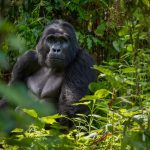
Mountain gorillas live in protected forest habitats, not around the open lakeshores. You need an authorised trekking activity to visit habituated gorilla groups.
How many nights should you stay?
One or two nights can work well when combining lake activities with gorilla trekking. A longer stay suits travellers who prefer a slower schedule.
Lake Mulehe and Lake Mutanda offer peaceful surroundings close to Uganda’s famous gorilla parks.
Lake Mulehe suits visitors interested in rural landscapes, canoeing and quieter experiences. Lake Mutanda offers islands, mountain views and attractive photography opportunities.
Both lakes can complement a visit to Bwindi or Mgahinga, particularly when you have time to relax after trekking.
Choose accommodation according to your assigned park entrance, confirm local activities in advance and allow enough time to enjoy the beautiful highland surroundings.