
Swimming in Ugandan Lakes: Bilharzia and Crocodile Risks
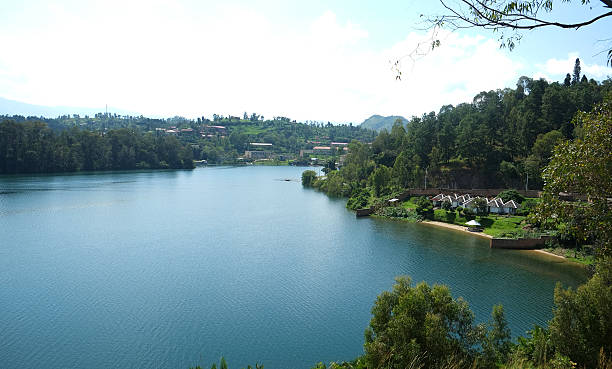
Uganda has some of Africa’s most attractive freshwater lakes, including Lake Victoria, Lake Bunyonyi, Lake Mutanda, Lake Nabugabo and Lake Albert. Their beautiful scenery attracts visitors interested in swimming, canoeing, boat cruises and relaxing beside the water.
However, swimming in Ugandan lakes requires careful consideration. Some freshwater environments carry health risks, while others contain dangerous wildlife or have strong currents, steep underwater slopes and unexpected changes in depth.
Two important concerns are bilharzia, a parasitic infection transmitted through contaminated freshwater, and crocodiles, which inhabit several Ugandan waterways.
Understanding Uganda lake swimming safety helps you make informed decisions before entering the water. This guide explains the main risks, precautions and safer alternatives for travellers visiting Uganda’s lakes.
Is Swimming in Ugandan Lakes Safe?
Swimming safety varies between lakes and even between different sections of the same lake.
A beautiful shoreline does not necessarily indicate safe water.
Some lakes contain crocodiles or hippopotamuses. Others may expose swimmers to parasites, harmful microorganisms or dangerous underwater conditions.
Even lakes commonly described as suitable for swimming require careful assessment.
International travel health authorities advise visitors to avoid swimming or wading in untreated freshwater in Uganda because of schistosomiasis risk.
For travellers who want to swim, a properly maintained, chlorinated swimming pool is generally the safer option.
Understanding Bilharzia in Uganda
What Is Bilharzia?
Bilharzia, medically known as schistosomiasis, is a parasitic infection caused by worms belonging to the genus Schistosoma.
The infection occurs when microscopic parasite larvae penetrate human skin during contact with contaminated freshwater.
The parasites depend on particular freshwater snails during part of their life cycle.
People may become exposed while swimming, bathing, washing clothes or walking through infected water.
Bilharzia occurs in Uganda and several other African countries.
How Does Infection Happen?
The parasite’s life cycle involves humans, freshwater snails and contaminated water.
Infected people release parasite eggs through urine or faeces.
Under suitable conditions, the eggs reach freshwater and develop into forms that infect specific snails.
The snails later release larvae into the surrounding water.
These larvae can penetrate human skin.
You do not need to swallow water to become infected.
Even brief skin contact may create exposure.
Symptoms of Bilharzia
Some infected people experience no immediate symptoms.
Others develop an itchy rash shortly after exposure.
Additional symptoms may appear several weeks later.
Possible symptoms include:
-
Fever.
-
Headaches.
-
Muscle pain.
-
Fatigue.
-
Abdominal discomfort.
-
Diarrhoea.
-
Coughing.
-
Blood in urine or stool.
Symptoms vary according to the parasite species and stage of infection.
Without treatment, some infections can cause serious long-term complications affecting the intestines, liver or urinary system.
If you have been exposed to potentially contaminated freshwater, consult a healthcare professional experienced in travel medicine.
Explain where and when the exposure occurred, even if you feel well.
Can Bilharzia Be Prevented?
The most reliable prevention method is avoiding swimming, bathing and wading in potentially contaminated freshwater.
There is currently no vaccine that prevents schistosomiasis.
Preventive tablets are not routinely available for travellers.
Applying insect repellent or drying yourself with a towel after swimming does not reliably prevent infection.
Adequately chlorinated swimming pools provide a safer alternative.
If you accidentally enter freshwater, seek professional advice about whether testing is appropriate.
Testing may need to be scheduled several weeks after exposure because early results can be unreliable.
Crocodile Risks in Ugandan Lakes
Uganda is home to Nile crocodiles, which inhabit several freshwater environments.
Crocodiles are powerful predators capable of attacking animals and people near water.
They can remain partly submerged and difficult to notice.
A shoreline that appears empty may still be dangerous.
Where Are Crocodiles Found?
Crocodiles occur in various Ugandan rivers, lakes and protected areas.
They are associated with parts of the Nile system and lakeside habitats in several wildlife regions.
However, their distribution is not uniform.
The absence of a crocodile sighting does not prove that an area is safe.
Visitors should never enter water where crocodiles are known or suspected to occur.
How to Avoid Crocodile Encounters
Crocodile safety requires more than looking for animals before swimming.
Follow these precautions:
-
Never swim in known crocodile habitats.
-
Avoid standing near unprotected riverbanks.
-
Stay away from places where crocodiles are basking.
-
Never feed crocodiles.
-
Avoid cleaning fish or preparing food near crocodile habitats.
-
Keep children and pets away from the water’s edge.
-
Be particularly cautious around dawn, dusk and nighttime.
-
Follow instructions from wildlife authorities and experienced guides.
Crocodiles can attack in shallow water.
Do not assume that remaining close to shore removes the danger.
Hippopotamuses Are Another Important Risk
Although crocodiles receive considerable attention, hippopotamuses also present serious dangers.
Hippos inhabit several Ugandan waterways, particularly around protected wildlife areas.
They may become aggressive when disturbed or when people approach too closely.
Visitors should avoid swimming in waters occupied by hippos.
Never position yourself between a hippo and the water.
If you encounter one, keep your distance and follow your guide’s instructions.
Swimming Conditions in Popular Ugandan Lakes
Different lakes present different considerations.
| Lake | Main safety considerations | Recommended approach |
|---|---|---|
| Lake Victoria | Freshwater infection risks, variable water quality and dangerous conditions | Prefer maintained swimming pools |
| Lake Albert | Crocodiles, hippos and freshwater health risks in some areas | Avoid swimming |
| Lake Edward | Dangerous wildlife and freshwater risks | Avoid swimming |
| Lake Bunyonyi | Deep water, drowning risks and uncertain infection status | Seek current advice; pools are safer |
| Lake Mutanda | Freshwater exposure and changing lake conditions | Prefer organised boat activities |
| Lake Nabugabo | Freshwater health risks despite its swimming reputation | Obtain professional advice; avoid untreated water |
| Kyaninga Crater Lake | Deep water, steep access and possible freshwater exposure | Prefer maintained pools |
These descriptions are general precautions, not current water-quality certifications.
Lake Victoria Swimming Safety
Lake Victoria is Africa’s largest lake by surface area and borders Uganda, Kenya and Tanzania.
Its size creates different conditions along the shoreline.
Some areas contain fishing communities, beaches and tourism facilities.
However, water quality and safety conditions vary considerably.
Potential hazards include freshwater infections, boat traffic, sudden weather changes and strong waves.
Visitors should avoid swimming in untreated lake water.
If you want a swimming experience near Entebbe or Kampala, choose accommodation with a maintained swimming pool.
Is Lake Bunyonyi Safe for Swimming?
Lake Bunyonyi in southwestern Uganda is frequently promoted as a lake without crocodiles, hippos or bilharzia.
However, such descriptions should not be treated as guarantees.
Reliable swimming decisions require current information about water conditions and possible infection risks.
Lake Bunyonyi is also deep, and some sections have steep underwater slopes.
Even experienced swimmers can encounter difficulties.
Visitors can enjoy canoeing, boat excursions and photography without entering the water.
Always wear a life jacket during boating activities.
Swimming at Lake Nabugabo
Lake Nabugabo near Masaka is another destination traditionally associated with beach recreation.
Its sandy shoreline attracts families and day visitors.
However, freshwater swimming carries potential health risks, even when a destination has a reputation for being safe.
Water conditions may change because of rainfall, contamination and environmental factors.
Visitors should not rely exclusively on informal assurances that the lake is free from bilharzia.
Choose lakeside relaxation, birdwatching or suitable organised activities instead.
Crater Lake Swimming Risks
Western Uganda contains numerous crater lakes, including Kyaninga and other lakes around Fort Portal.
Their scenery makes them attractive to travellers.
However, some crater lakes have steep sides and deep water close to shore.
This can make entering and leaving the water difficult.
Water temperatures, underwater obstacles and access conditions may also vary.
Some local operators advertise swimming activities.
Before participating, seek reliable health advice and confirm whether the location has appropriate safety arrangements.
Safer Water Activities in Uganda
You can enjoy Uganda’s lakes without swimming.
Guided Boat Cruises
Organised boat excursions provide opportunities to observe birds, landscapes and wildlife.
Choose reputable operators and wear a properly fitted life jacket.
Canoeing
Canoeing is available at selected lakes, including Lake Bunyonyi and Lake Mutanda.
Travel with experienced guides and avoid boating during strong winds.
Lakeside Photography
Many lakes provide attractive scenery without requiring direct water contact.
Early morning and late afternoon often offer suitable lighting.
Swimming Pools
Properly maintained, chlorinated swimming pools are generally the safer choice for travellers who want to swim.
Confirm that the facility follows appropriate cleaning and water-treatment procedures.
Practical Water Safety Tips
Before participating in any lake activity, consider the following precautions:
-
Check local wildlife warnings.
-
Avoid swimming in untreated freshwater.
-
Never enter unfamiliar water alone.
-
Use life jackets during boat activities.
-
Avoid boating during storms.
-
Keep children supervised.
-
Do not dive into unknown depths.
-
Avoid alcohol before water activities.
-
Follow authorised guides and safety instructions.
-
Seek medical advice after possible freshwater parasite exposure.
These precautions can reduce preventable accidents and health problems.
Frequently Asked Questions
Can you get bilharzia from swimming once?
Yes. A single exposure to contaminated freshwater can potentially cause infection.
Does clear water mean a lake is safe?
No. Parasites and microorganisms may be present even when water appears clear.
Can crocodiles attack in shallow water?
Yes. Crocodiles can approach and attack people in shallow water or near shorelines.
Is swimming in a hotel pool safer?
A properly maintained, adequately chlorinated swimming pool is generally safer than untreated freshwater.
What should I do after swimming in a lake?
If you may have been exposed to schistosomiasis, contact a healthcare professional for advice about testing and follow-up.
Uganda’s lakes provide beautiful scenery and enjoyable outdoor experiences, but swimming requires careful consideration.
Bilharzia, crocodiles, hippos and underwater hazards can create serious risks.
A lake’s reputation or appearance does not provide reliable proof of safety.
Travellers can still enjoy these destinations through boat cruises, canoeing, birdwatching and lakeside relaxation.
For swimming, choose a properly maintained pool whenever possible.
Understanding the risks allows you to enjoy Uganda’s lakes while making sensible decisions about your health and personal safety.