Rwanda Moto Taxis: How to Ride Safely as a Visitor
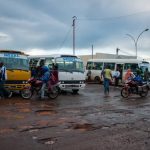
Moto taxis are a familiar sight on Rwanda’s roads, particularly in Kigali and other busy towns. These motorcycle taxis provide convenient transport for residents travelling to work, markets, schools and nearby neighbourhoods. Visitors may also consider them for short journeys because they are widely available and can move through traffic more easily than cars. However, understanding Rwanda moto taxi safety tips is essential before deciding whether to use one.
Motorcycle taxis carry greater accident risks than enclosed vehicles. Several international travel authorities advise visitors to avoid them. If you choose to ride despite these warnings, selecting a licensed operator, wearing a suitable helmet and avoiding dangerous conditions can reduce some risks, although they cannot eliminate them.
What Are Moto Taxis in Rwanda?
A moto taxi is a motorcycle operated commercially to transport passengers.
In Rwanda, people commonly refer to motorcycle taxis simply as motos.
They are frequently used for short journeys within towns and residential areas.
Moto taxis are especially visible in Kigali, where they provide transport between neighbourhoods, shopping centres and local businesses.
Their popularity comes partly from their convenience.
Passengers can often find a motorcycle without waiting for a scheduled bus.
However, motos provide limited protection during collisions, making road safety particularly important.
Understanding Rwanda Moto Taxi Safety Tips
Before using a moto taxi, you should understand the risks involved.
Motorcycle passengers are exposed to moving vehicles, uneven roads and sudden changes in traffic.
Unlike a car, a motorcycle has no enclosed passenger compartment or seat belt.
Even an experienced rider cannot prevent every accident.
For this reason, an authorised car taxi or reputable private transfer is generally a safer choice for visitors.
If you still decide to take a moto, make your decision carefully and avoid situations that increase the danger.
1. Choose a Licensed Moto Taxi
Selecting a properly authorised operator is an important precaution.
Rwanda regulates commercial motorcycle transport, and legitimate operators should have the required identification and documentation.
Before boarding, examine the motorcycle and rider.
What to Check
Look for:
- A visible motorcycle registration number.
- Appropriate operator identification.
- A passenger helmet.
- A motorcycle in reasonable condition.
- A rider who appears alert and sober.
- A functioning fare meter where required.
Avoid motorcycles with damaged seats, visibly worn tyres or missing safety equipment.
If the rider refuses reasonable safety requests, choose another transport option.
2. Always Wear a Proper Helmet
A helmet is essential whenever you travel on a motorcycle.
Both riders and passengers should wear suitable protective helmets.
However, simply placing a helmet on your head does not provide adequate protection.
The helmet must fit correctly and remain securely fastened.
Checking Your Helmet
Before boarding, make sure:
- The helmet covers your head properly.
- It does not move excessively.
- The chin strap closes securely.
- The shell has no obvious cracks.
- The helmet is not visibly damaged.
If the helmet is too loose or cannot fasten properly, refuse the ride.
Some passengers prefer carrying their own properly fitted helmet.
This can also reduce concerns about the cleanliness of shared helmets.
3. Understand Moto Taxi Fares
Motorcycle taxi fares depend on distance and applicable transport regulations.
In Kigali, regulated meter-based services have been introduced to improve fare transparency.
Some operators also provide electronic payment options.
Before departure, confirm the destination and how the fare will be calculated.
Using Metered Services
A properly functioning meter can help reduce disagreements about payment.
Ask the rider whether the meter is operating before starting.
If a regulated service requires metered charging, avoid arrangements that bypass the approved system.
Do not assume that every journey across Rwanda follows the same fare structure.
Prices and payment arrangements may differ outside Kigali.
| Transport consideration | Recommended action |
|---|---|
| Fare | Confirm the approved charging method |
| Payment | Ask whether cash or electronic payment is accepted |
| Helmet | Check the fit and fastening |
| Rider | Choose an authorised operator |
| Route | Explain your destination clearly |
| Safety | Refuse reckless riding |
4. Consider Booking Through Recognised Services
Some motorcycle transport providers offer digital booking or fare management.
Yego Moto is among the recognised names associated with metered motorcycle transport in Kigali.
Digital services may provide additional information about the journey or payment arrangements.
However, availability and operating areas can change.
Confirm whether your preferred service operates in your location.
Using a recognised platform does not remove the physical risks of motorcycle travel.
A licensed car taxi remains preferable when safety is your main concern.
5. Explain Your Destination Before Boarding
Clear communication helps prevent unnecessary confusion.
Give the rider the name of your destination before getting onto the motorcycle.
If possible, mention a familiar nearby landmark.
For example, you might provide the name of your hotel, shopping centre or neighbourhood.
When the rider appears uncertain, show the destination on your phone.
Avoid displaying expensive devices unnecessarily in crowded areas.
Confirm that the rider understands the location before starting.
If communication remains difficult, ask your accommodation provider to help arrange transport.
6. Sit Correctly During the Ride
Your position on the motorcycle affects your stability.
Wait until the motorcycle has stopped completely before boarding.
Sit facing forward, with one leg on each side, where the motorcycle is designed for that position.
Keep both feet securely on the passenger footrests.
Hold the designated passenger grips or another appropriate support.
Avoid making sudden movements while travelling.
During the Journey
Do not use your phone while the motorcycle is moving.
Keep loose clothing away from the wheels and other moving parts.
Secure scarves, handbags and anything that could become caught in the motorcycle.
Avoid carrying bulky luggage that affects your balance.
If you need to check directions, ask the rider to stop somewhere safe.
7. Avoid Riding During Heavy Rain
Rwanda experiences rainfall throughout the year, with wetter periods commonly occurring between March and May and around October and November.
Wet roads can become slippery.
Rain also reduces visibility for drivers and motorcyclists.
Motorcycles are particularly vulnerable when braking or turning on slippery surfaces.
If heavy rain begins, consider waiting until conditions improve.
For essential journeys, a reputable car taxi provides better protection from weather and road hazards.
Never pressure a rider to continue quickly through dangerous conditions.
8. Be Careful About Night Travel
Night-time motorcycle journeys carry additional risks.
Reduced visibility makes it harder to identify potholes, pedestrians and other vehicles.
Some roads outside major towns have limited lighting.
Even within Kigali, traffic conditions can change after dark.
For evening restaurant visits or transfers between accommodation properties, arrange a recognised car taxi.
If you expect to return late, organise your transport before leaving your hotel.
Avoid accepting rides from unfamiliar individuals who approach you outside entertainment venues.
9. Avoid Long-Distance Moto Taxi Journeys
Moto taxis are primarily suitable for local transport, although some operators may offer longer trips.
Visitors should avoid using motorcycles for lengthy journeys between towns or remote destinations.
Long distances increase exposure to traffic, poor weather and changing road conditions.
Mountain roads can also have steep slopes and sharp bends.
Better Transport Alternatives
For longer journeys, consider:
- Reputable car taxis.
- Private transfers.
- Authorised intercity buses.
- Transport arranged by your hotel.
- Registered safari vehicles.
These options generally provide more comfort and luggage space.
They are particularly appropriate when travelling with children or carrying valuable equipment.
10. Keep Your Belongings Secure
Travellers should secure their belongings before boarding any motorcycle.
A loose shoulder bag may shift unexpectedly or interfere with your balance.
Keep smaller valuables in a zipped bag.
Avoid holding your phone openly throughout the journey.
If you are carrying a camera, laptop or substantial luggage, choose a car instead.
Keep essential documents secure and carry only the cash you reasonably need.
Never leave your belongings unattended with an unfamiliar rider.
11. Learn Basic Communication Phrases
Kinyarwanda is Rwanda’s national language, while English and French are also used.
Learning a few simple expressions can make everyday interactions easier.
For example, murakoze means thank you.
You can also use clear English when speaking with riders who understand it.
Rather than relying entirely on conversation, show your destination using a written address or recognised landmark.
If you feel uncomfortable or cannot communicate a safety concern, ask the rider to stop in a suitable public location.
12. Know When to Refuse a Ride
You should never feel pressured to use a motorcycle taxi.
Refuse the journey if:
- No suitable passenger helmet is available.
- The rider appears intoxicated.
- The motorcycle looks unsafe.
- The rider encourages overloading.
- Heavy rain affects visibility.
- You are uncomfortable with the proposed route.
- The rider refuses to follow reasonable safety instructions.
Your comfort and safety should take priority over convenience.
Choosing another transport option is always reasonable.
Moto Taxis Compared With Other Transport
Visitors have several transport choices in Rwanda.
Each has advantages and limitations.
| Transport option | Main advantage | Main limitation |
|---|---|---|
| Moto taxi | Convenient for short journeys | Greater injury exposure |
| Car taxi | Enclosed passenger space | May cost more |
| Public bus | Affordable transport | Fixed routes and schedules |
| Private transfer | Flexible arrangements | Advance booking may be needed |
| Walking | Suitable for short distances | Weather and traffic exposure |
For airport transfers, sightseeing and longer journeys, a car is generally more suitable than a motorcycle.
Frequently Asked Questions
Are Moto Taxis Common in Kigali?
Yes. Motorcycle taxis are widely used for local journeys throughout Kigali.
Do Passengers Need Helmets?
Yes. Passengers should wear properly fitted and securely fastened protective helmets.
Can Tourists Use Moto Taxis?
Visitors may encounter authorised moto services, but several travel authorities recommend avoiding motorcycle taxis because of their accident risks.
Are Moto Taxis Suitable for Airport Transfers?
A car taxi or arranged hotel transfer is usually more practical, particularly when carrying luggage.
Can You Pay Electronically?
Some metered moto services support electronic payments. Confirm available payment methods before departure.
Practical Advice for First-Time Visitors
If you are unfamiliar with Rwanda’s transport system, ask your hotel to recommend a reputable service.
Learn the approximate location of your destination before leaving.
Avoid travelling with unnecessary luggage and keep emergency contact information available.
If you decide to ride a moto, never compromise on helmet use or safe riding behaviour.
Remember that a careful passenger cannot control every decision made by another road user.
Moto taxis are an established part of everyday transport in Rwanda, especially in Kigali.
Their convenience makes them attractive for short journeys, but motorcycle travel involves significant safety risks.
Visitors should consider official travel advice and choose enclosed transport whenever practical.
If you still decide to use a moto, select an authorised operator, wear a properly fitted helmet, confirm the fare and avoid dangerous conditions.
Good travel planning starts with choosing transport appropriate for your journey and personal safety needs.