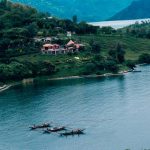

Gishwati-Mukura National Park: Chimpanzees and Forest Walks
Gishwati-Mukura National Park is one of Rwanda’s lesser-known wildlife destinations, offering opportunities to explore tropical forests, observe primates and learn about forest conservation. Located in western Rwanda, the park protects two separate forest areas, Gishwati and Mukura. Visitors can enjoy guided nature walks, birdwatching and chimpanzee tracking experiences, subject to availability. This Gishwati Mukura National Park guide explains its wildlife, activities, accommodation options and practical travel considerations.
Unlike Rwanda’s larger national parks, Gishwati-Mukura receives relatively few visitors. Its recovering forests, surrounding hills and conservation programmes make it particularly interesting for travellers who enjoy quiet natural environments.
Where Is Gishwati-Mukura National Park?
Gishwati-Mukura National Park lies in western Rwanda, within the highland landscape near Lake Kivu.
The park consists of two separate forest blocks. Gishwati Forest is the larger visitor-focused area, while Mukura Forest forms another important protected habitat.
Together, the forests cover approximately 34 square kilometres, excluding the surrounding buffer zone.
The national park was established in 2015 to protect remaining natural forest habitats and support ecological restoration.
Gishwati is located within Rutsiro District, while Mukura extends into Ngororero District.
The surrounding landscape includes tea plantations, cultivated hills, rural settlements and forested valleys.
Tourism activities are better developed in Gishwati, so visitors should confirm the correct entrance and meeting point before travelling.
Wildlife in Gishwati Mukura National Park
The park protects several primate species, forest birds and smaller mammals.
Its wildlife populations are generally smaller than those found in larger protected areas.
Nevertheless, the forest provides important habitat for species that depend on Rwanda’s remaining natural vegetation.
Chimpanzees
Chimpanzees are among the park’s principal wildlife attractions.
A small population lives within Gishwati Forest, where conservation efforts aim to protect their habitat.
Chimpanzees spend much of their time moving through the forest, searching for fruit and other food.
They communicate through calls, gestures and physical interactions.
Visitors may hear chimpanzees before seeing them, particularly when animals are moving through dense vegetation.
However, sightings are not guaranteed, and tracking arrangements should be confirmed before booking.
Other Primates
Gishwati-Mukura also supports several monkey species.
These include:
- Golden monkeys.
- L’Hoest’s monkeys.
- Blue monkeys.
- Black-and-white colobus monkeys.
Different species occupy different parts of the forest.
Some move through the upper branches, while others occasionally feed closer to the ground.
A knowledgeable guide can help identify their appearance, movements and calls.
Chimpanzee Tracking in Gishwati-Mukura
Chimpanzee tracking is an important attraction for visitors interested in primates.
However, the experience is less established than chimpanzee tracking in Nyungwe National Park.
Gishwati has a smaller chimpanzee population, and animals may be difficult to locate.
What Happens During Tracking?
An organised experience generally begins with a briefing from park personnel.
Guides explain the walking conditions, wildlife behaviour and safety procedures.
Visitors then enter designated forest areas to search for chimpanzee activity.
The walk may involve climbing hills, crossing uneven ground and moving through thick vegetation.
Tracking duration varies according to animal movements and local conditions.
If chimpanzees are located, visitors must follow instructions concerning distance, noise and photography.
Preparing for the Experience
Chimpanzee tracking requires reasonable physical fitness.
Wear sturdy walking shoes, long trousers and comfortable clothing.
Carry drinking water and a lightweight waterproof jacket.
Avoid wearing strong perfumes because they may disturb wildlife.
Visitors experiencing symptoms of contagious illness should inform park staff before participating.
Most importantly, confirm that chimpanzee tracking is available on your chosen date.
Guided Forest Walks
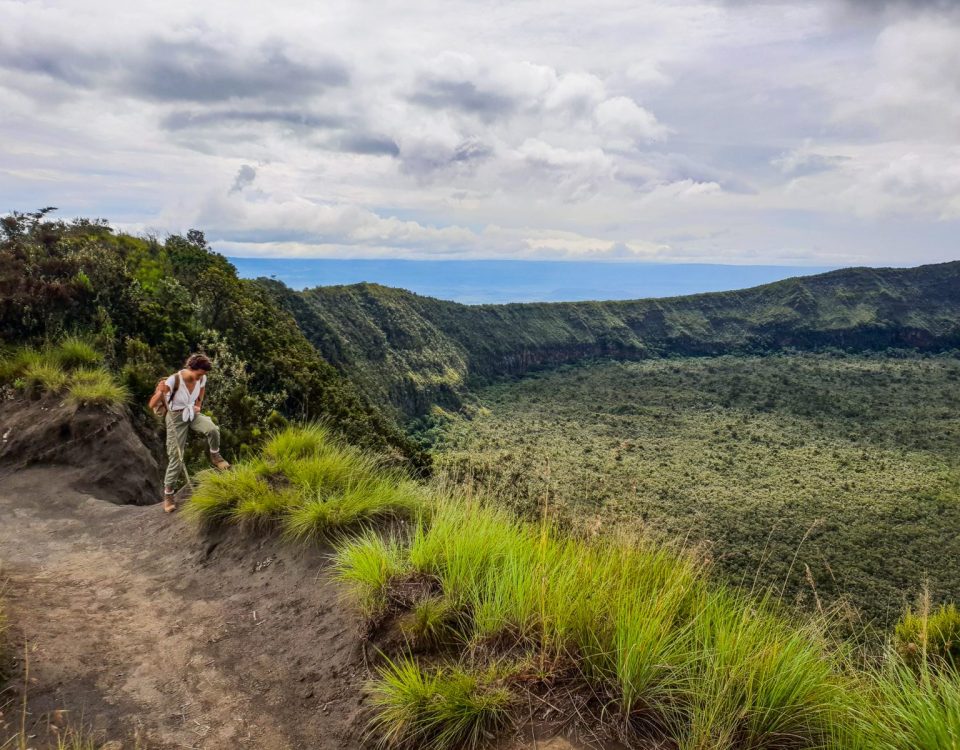
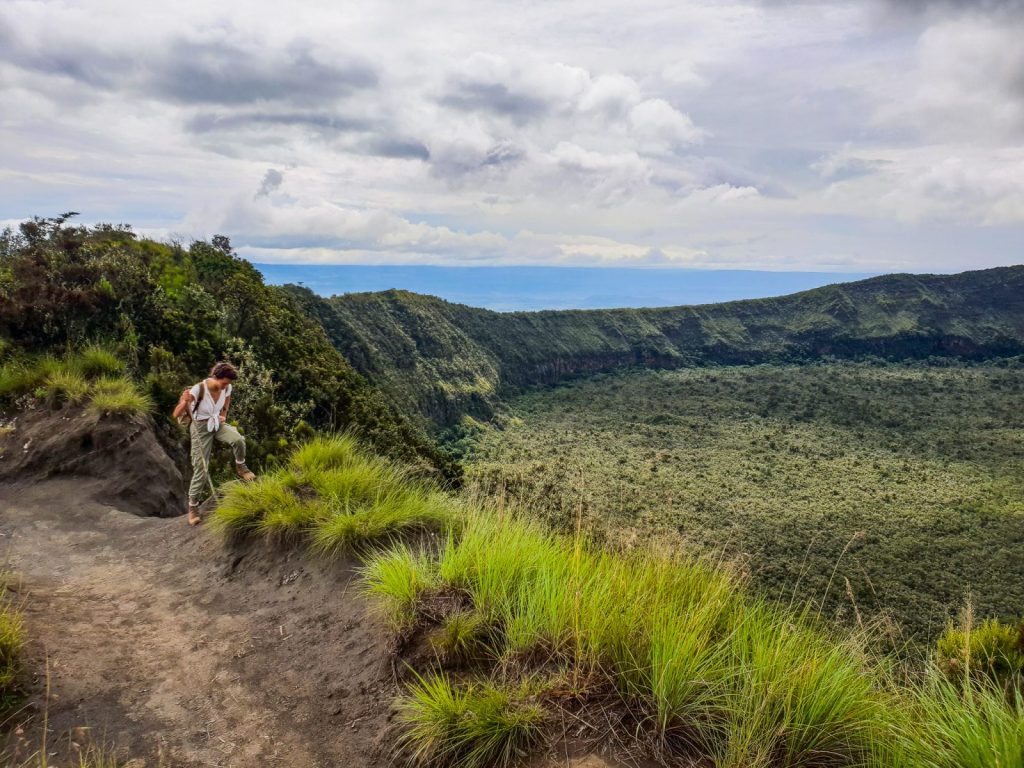
Guided nature walks are among the most accessible activities in Gishwati-Mukura National Park.
They allow visitors to appreciate the forest without concentrating entirely on finding chimpanzees.
During a walk, your guide may explain local plants, animal tracks, forest regeneration and conservation activities.
What You May See
The forest contains different tree species, climbing plants, ferns and smaller vegetation.
Birds move between branches, while monkeys occasionally appear in the canopy.
Some trails pass through areas where restoration work has helped native vegetation recover.
Walking conditions vary with rainfall.
Paths may become slippery, particularly during the wetter months.
For safety and conservation reasons, visitors should remain on authorised routes.
Waterfall Walks
Gishwati’s forest landscape includes streams and waterfalls.
Guided waterfall walks may be available through designated routes.
These excursions combine forest scenery with opportunities to observe vegetation growing beside streams.
The sound of flowing water and changing forest conditions make the experience enjoyable for visitors interested in nature photography.
However, waterfall access depends on trail conditions and park arrangements.
Avoid approaching slippery rocks or entering unfamiliar water.
Ask your guide whether the selected route suits your fitness level.
Birdwatching in Gishwati-Mukura
Birdwatching is another rewarding activity within the park.
The forest supports numerous species, including birds associated with the Albertine Rift region.
Visitors may encounter turacos, sunbirds, weavers and other forest birds.
Some species are difficult to observe because they remain within dense vegetation.
Best Birdwatching Conditions
Early morning walks often provide good opportunities to hear and observe birds.
Carry binoculars and wear clothing that blends with the surroundings.
Move quietly and allow your guide time to identify calls.
Birdwatching can be combined with a general forest walk, although serious birdwatchers may prefer a dedicated excursion.
Photographers should use suitable lenses rather than approaching birds too closely.
Forest Conservation and Restoration
Gishwati-Mukura has an important conservation history.
Much of the surrounding landscape experienced forest loss through agricultural expansion, settlement and other human activities.
Protecting the remaining forest became necessary for wildlife survival.
Conservation programmes now focus on restoring vegetation, protecting biodiversity and working with neighbouring communities.
Community Participation
Local residents play an important role in conservation.
Some community programmes support tree planting, environmental education and sustainable livelihoods.
Visitors may have opportunities to learn about these activities through organised community experiences.
Supporting recognised local guides and community businesses can contribute to the surrounding economy.
Always arrange visits respectfully and obtain permission before entering private property.
Cultural Experiences Near the Park
The communities surrounding Gishwati-Mukura have agricultural traditions shaped by Rwanda’s highland environment.
Tea growing, farming and livestock keeping are important activities in parts of the region.
Guided community visits may introduce travellers to local food preparation, farming methods and traditional crafts.
These experiences should be arranged through reputable community organisations.
Ask permission before photographing residents.
Avoid treating everyday village activities as staged entertainment.
A respectful visit allows meaningful interaction while supporting local livelihoods.
Best Time to Visit Gishwati-Mukura
Gishwati-Mukura can be visited during different seasons, although rainfall affects walking conditions.
The relatively drier months from June to September are generally convenient for hiking.
December to February can also provide suitable opportunities for outdoor activities.
Heavier rainfall often occurs between March and May, with another wetter period around October and November.
Rain keeps the forest green but can make trails muddy.
Visitors should prepare for showers throughout the year.
| Travel consideration | Practical recommendation |
|---|---|
| Forest hiking | Choose relatively dry periods |
| Chimpanzee tracking | Confirm availability beforehand |
| Birdwatching | Arrange an early morning walk |
| Photography | Carry waterproof protection |
| Footwear | Wear shoes with good grip |
| Accommodation | Reserve before travelling |
Getting to Gishwati-Mukura National Park
The park can be reached by road from Kigali and other destinations in western Rwanda.
The journey passes through mountainous countryside, cultivated hills and rural settlements.
Driving times vary according to your starting point and selected forest entrance.
Visitors travelling from Karongi or Rubavu should confirm the most suitable road with their accommodation provider or park office.
Some approach roads may be affected by rainfall.
An experienced driver and a suitable vehicle are recommended.
Avoid arriving without confirmed activity arrangements, as visitor facilities are more limited than those at Rwanda’s larger national parks.
Accommodation Near Gishwati-Mukura
Accommodation options around the park are relatively limited.
Visitors may find small guesthouses and properties associated with conservation tourism near Gishwati Forest.
Forest of Hope Guest House has been associated with visitor accommodation in the Gishwati area.
Availability and operating arrangements should be confirmed before making travel plans.
Other visitors may choose accommodation in towns farther away, particularly when combining the forest with Lake Kivu.
However, travelling long distances before an early morning activity can be inconvenient.
Choose accommodation according to your confirmed meeting point.
Gishwati-Mukura Compared With Nyungwe
Both parks protect important forest habitats, but they offer different visitor experiences.
| Feature | Gishwati-Mukura | Nyungwe |
|---|---|---|
| Forest size | Smaller protected forests | Extensive montane rainforest |
| Chimpanzees | Small population | Larger population |
| Visitor facilities | More limited | More established |
| Forest walks | Guided nature trails | Numerous organised trails |
| Birdwatching | Forest and Albertine Rift species | Extensive birdwatching opportunities |
| Best suited to | Quiet forest exploration | Wider activity choices |
Travellers whose main priority is a well-established chimpanzee tracking programme may prefer Nyungwe.
Those interested in forest restoration and quieter walking experiences may appreciate Gishwati-Mukura.
Frequently Asked Questions
Can You See Chimpanzees in Gishwati-Mukura?
Chimpanzees live in Gishwati Forest, but sightings are not guaranteed. Confirm tracking availability and visitor arrangements before travelling.
Is Gishwati-Mukura Worth Visiting?
Yes, particularly for travellers interested in forest conservation, guided walks, primates and birdwatching.
Can You Visit Mukura Forest?
Visitor activities are currently more developed in Gishwati. Access to Mukura should be confirmed with park authorities rather than assumed.
How Many Days Do You Need?
One full day may be sufficient for a planned forest activity. Two days provide more flexibility for additional walks and community experiences.
Do You Need a Guide?
Yes. Arrange authorised park activities and follow the instructions of trained guides.
Combining Gishwati-Mukura With Other Destinations
Gishwati-Mukura can fit into a western Rwanda itinerary that includes Lake Kivu and other natural attractions.
Karongi offers island boat excursions and fishing experiences, while Rubavu is known for its lakeside setting.
Travellers interested in additional primate encounters may consider Nyungwe National Park.
Plan enough time for road transfers and avoid booking several demanding activities on the same day.
Gishwati-Mukura National Park provides an opportunity to explore a recovering Rwandan forest and learn about the importance of protecting wildlife habitats.
Its chimpanzees, monkeys, birds and guided walking trails appeal to travellers who enjoy nature.
The park’s smaller size and developing visitor facilities require careful planning.
Confirm activities, accommodation and transport before departure, and allow enough time to appreciate the forest at a comfortable pace.