Gorilla trekking rules and etiquette: What you can and cannot do
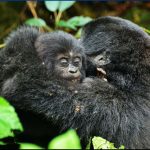
Gorilla trekking is one of the most rewarding wildlife experiences in Africa. Walking through the forests of Uganda or Rwanda and meeting a mountain gorilla family at close range gives you an opportunity to observe these endangered primates in their natural habitat. You may see a silverback resting, mothers caring for infants, or young gorillas playing among the vegetation.
However, visiting mountain gorillas comes with strict rules. These guidelines protect the animals from human diseases, reduce disturbance and help keep visitors safe. They also ensure that gorilla tourism remains sustainable for future generations.
Before entering Bwindi Impenetrable National Park, Mgahinga Gorilla National Park or Volcanoes National Park, you receive a briefing from park staff. The rangers explain what you can and cannot do during the trek, how to behave when you meet the gorillas and what to do if an animal approaches you.
Understanding these rules before your trip makes the experience easier and helps you avoid mistakes that could put the gorillas or your trekking group at risk.
Why are gorilla trekking rules so strict?
Mountain gorillas are endangered primates that live in a limited area of East and Central Africa. Their survival depends on protecting their forest habitat, managing human contact and controlling diseases.
Gorillas are closely related to humans and can catch respiratory infections from visitors. Diseases such as influenza and other respiratory illnesses can cause serious problems for them. Even a visitor with mild cold symptoms may pose a health risk.
Tourism also creates disturbance. Large groups, loud voices, sudden movements and people getting too close can affect the animals’ natural behaviour.
Park authorities therefore control the number of visitors, the time spent with each family and the distance people must maintain. These measures allow tourism to support conservation while limiting its impact on wildlife.
Rules before you start gorilla trekking
Your responsibility begins before you enter the forest. The decisions you make before the trek can affect the health of the gorillas and the safety of your group.
Do not trek if you are sick
This is one of the most important rules. If you have a cold, flu, persistent cough, fever or another contagious illness, inform the park authorities before the trek.
Mountain gorillas can catch infections from humans. A visitor who feels well enough to walk may still carry a virus that could harm the animals.
Do not hide symptoms because you have already paid for your permit or travelled a long distance. Park staff may refuse access to protect the gorillas. Ask about the applicable rescheduling or refund policy if illness prevents you from trekking.
Wash your hands before entering the forest
Follow the handwashing instructions provided during the briefing. Clean hands reduce the risk of transferring germs to surfaces and objects that may come into contact with wildlife or other visitors.
Avoid unnecessary contact with animals, plants and forest materials.
Respect the minimum age requirement
The minimum age for standard mountain gorilla trekking in Uganda and Rwanda is generally 15 years. Children below this age are not permitted to participate in ordinary gorilla tracking.
If you are travelling with a family, confirm the age requirements before booking permits and arranging accommodation.
Attend the full briefing
Do not skip the briefing or arrive late at the park headquarters. Rangers explain the current rules, allocate visitors to trekking groups and provide instructions for the forest walk.
Listen carefully, even if you have trekked before. Conditions and operational instructions can vary between parks and trekking days.
Follow your assigned group
You are assigned to a particular gorilla family and must remain with your guide and trekking group. Do not attempt to change groups or follow another family without permission.
The allocation helps park staff manage visitor numbers and avoid unnecessary disturbance.
Rules while walking through the forest
The trek itself requires good behaviour. You may spend several hours walking before reaching the gorillas, so you should respect the forest and the wildlife living there.
Keep your voice low
Speak quietly while walking through the forest. Loud conversations, shouting and unnecessary noise can disturb wildlife and make it harder to observe birds and other animals.
You can ask your ranger questions, but use a calm voice and listen when the guide gives instructions.
Stay with your guide
Never walk ahead of the group or leave the assigned route without permission. Your ranger knows the forest, understands the terrain and receives information from trackers monitoring the gorilla family.
Following the guide also reduces the risk of getting lost or encountering wildlife without assistance.
Do not litter
Everything you carry into the forest should come back out with you. This includes plastic bottles, food wrappers, tissues, batteries and other waste.
Do not throw fruit peels or other organic waste into the forest. Even biodegradable items can affect wildlife behaviour or introduce unwanted contaminants.
Do not damage vegetation
Avoid breaking branches, cutting plants or removing flowers. The forest provides food and shelter for gorillas and many other species.
If vegetation blocks your view during the encounter, ask your guide for assistance. Do not clear plants yourself.
Do not collect forest materials
Leave plants, stones, feathers, flowers and other natural materials where you find them. Take photographs instead of removing items from the habitat.
Rules when you meet the gorillas
The encounter is the most important part of your trek. Your behaviour during this period directly affects the animals and the quality of the experience for everyone in your group.
Maintain the required distance
Visitors are generally instructed to maintain a distance of at least seven metres from mountain gorillas in Uganda and Rwanda. However, park authorities may issue specific instructions, and you should follow the distance given by your ranger on the day.
The distance reduces the risk of disease transmission and helps prevent unnecessary disturbance.
Sometimes a gorilla may move closer to the group. Do not approach it or attempt to touch it. Remain calm and follow the ranger’s instructions.
Do not touch the gorillas
Even if a young gorilla approaches you, never reach out to touch it. Do not attempt to shake hands, stroke its fur or hold an infant.
Physical contact creates a risk of disease transmission and may provoke an unpredictable response from a wild animal.
Keep your voice low
Avoid shouting, laughing loudly or making sudden noises. You can communicate quietly with your guide, but do not disturb the gorillas.
A calm environment allows the family to continue feeding, resting and interacting naturally.
Stay together as a group
Do not spread out around the gorilla family or attempt to surround the animals for better photographs.
Your guide will position the group at a suitable viewing point. Stay together and leave enough space for the gorillas to move freely.
Do not eat, drink or smoke near the gorillas
Eating and drinking are prohibited during the encounter. Food particles, droplets and contaminated hands can increase the risk of disease transmission.
Smoking is also prohibited. It creates health risks and introduces unnecessary disturbance into the forest.
You should finish your snacks and drinks before reaching the gorillas or wait until the ranger confirms that you have left the viewing area.
Never use flash photography
Flash photography is prohibited because sudden flashes can disturb the animals.
Turn off your camera flash before the encounter begins. If you use a smartphone, check that its flash is disabled rather than relying on automatic settings.
Move slowly when taking photographs. Avoid sudden changes in position or repeatedly moving closer to get a better picture.
Do not stare directly at a gorilla displaying threatening behaviour
Direct staring can be interpreted as a challenge in certain situations. If a gorilla displays signs of agitation, avoid prolonged direct eye contact and follow your ranger’s instructions.
Do not attempt to communicate aggressively or imitate the animal’s behaviour.
What you should do if a gorilla approaches you
A gorilla may sometimes walk close to visitors. This can happen when it moves through the forest, changes feeding locations or passes near the trekking group.
Although such encounters can be exciting, you must remain calm.
Do not reach out, touch the animal, scream or run away. Avoid sudden movements and follow the ranger’s instructions.
If the guide asks you to crouch or lower your head, do so slowly. Give the gorilla space to pass. Do not attempt to take photographs if the ranger is managing a safety situation.
Remember that gorillas are powerful wild animals. Habituation allows them to tolerate human presence, but it does not make them domestic or predictable.
What to do if a gorilla charges
A charging display can be frightening, especially for first-time visitors. However, a charge does not always mean the gorilla intends to attack.
A silverback may charge or display strength to communicate authority, respond to a perceived threat or protect the family.
If this happens, remain calm and follow your guide’s instructions immediately. Rangers are trained to interpret gorilla behaviour and manage these situations.
You should:
- Stay where you are unless instructed otherwise.
- Avoid screaming or shouting.
- Do not run away.
- Lower your head or crouch slowly if instructed.
- Avoid direct staring.
- Keep your hands and movements controlled.
- Allow the ranger to manage the situation.
Never try to challenge the gorilla, throw objects or move towards it. The safest response is to remain calm and follow the experienced guide.
Rules for coughing and sneezing near gorillas
Respiratory diseases are a major concern during gorilla trekking. If you feel the need to cough or sneeze while near the family, turn away from the gorillas and cover your mouth and nose.
Use a tissue if available and dispose of it properly after leaving the viewing area. Follow any additional hygiene instructions issued by the ranger.
If you feel unwell before the trek, inform park staff rather than waiting until you reach the animals.
These precautions may seem simple, but they are important for protecting mountain gorillas from human infections.
What happens if you need a toilet during the trek?
Forest treks can last several hours, and visitors may occasionally need to use the toilet before reaching the gorillas.
If this happens, inform your ranger. Do not walk away from the group or choose a spot near the gorillas.
Park staff can help identify a suitable location. Under the applicable park procedures, human waste should be buried in a hole approximately 30 centimetres deep and covered properly.
Never leave toilet paper, sanitary products or other waste in the forest.
It is better to use the facilities at the park headquarters before starting your trek.
How long can you stay with the gorillas?
Standard gorilla trekking allows a maximum of one hour with a habituated mountain gorilla family.
The hour begins when your group reaches the gorillas and the viewing session starts. It does not include the walk from the park headquarters or the return journey.
Rangers may end the encounter earlier if the gorillas become nervous, move away or conditions require visitors to leave.
Uganda also offers a separate gorilla habituation experience in the Rushaga sector of Bwindi Impenetrable National Park. This activity allows visitors to spend up to four hours with a gorilla family undergoing habituation, under the supervision of researchers and trackers. It requires a different permit and follows its own conditions.
You cannot extend a standard one-hour visit simply by paying an additional amount at the park headquarters.
Photography etiquette during gorilla trekking
Photographs help you remember the encounter, but taking pictures should never interfere with the gorillas or other visitors.
Prepare your camera before reaching the family. Check your battery, memory card and flash settings during the walk.
Use a camera that performs well in low light because thick forest vegetation can make photography difficult. A versatile zoom lens can help you capture different members of the family without moving closer.
Avoid standing in front of other visitors or changing positions repeatedly. If vegetation blocks your view, ask the ranger whether you can move safely.
Do not use a flash, shout to attract a gorilla’s attention or make noises to encourage it to look towards your camera.
The best photographs usually come from observing patiently and allowing the animals to behave naturally.
Rules for children and elderly visitors
The minimum age for standard gorilla trekking in Uganda and Rwanda is generally 15 years. Families travelling with younger children should plan alternative activities rather than expecting them to join the trek.
Older visitors can participate if they are physically able to complete the walk. However, the forest terrain can be challenging, with steep slopes, slippery roots and thick vegetation.
If you have concerns about your fitness, discuss them with your tour operator before booking. You may be able to request a gorilla family whose location is more suitable for your walking ability, although the final allocation depends on park operations and animal movements.
Hiring a porter can also make the trek easier. Porters can carry your backpack and provide physical assistance on difficult sections of the trail.
Differences between Uganda and Rwanda gorilla trekking rules
Uganda and Rwanda follow similar conservation principles. Both countries restrict visitor numbers, limit viewing time, prohibit flash photography and require visitors to avoid contact with gorillas.
However, you should not assume that every operational detail is identical.
In Uganda, gorilla trekking takes place in Bwindi Impenetrable National Park and Mgahinga Gorilla National Park. The Uganda Wildlife Authority manages permits and trekking operations.
In Rwanda, trekking takes place in Volcanoes National Park under the management of the Rwanda Development Board.
Both destinations generally allow a maximum of eight visitors per habituated gorilla family, with standard viewing limited to one hour. The minimum age is generally 15 years.
Distance guidance is commonly set at seven metres in Rwanda. Uganda’s official published guidance has included different distance figures in different documents and periods. For this reason, follow the current instructions given by your ranger rather than relying on an old travel article or brochure.
Common mistakes visitors should avoid
Some mistakes happen because travellers become excited when they finally see the gorillas. Others occur because visitors underestimate how sensitive these animals are to human behaviour.
One common mistake is moving closer to take better photographs. The required viewing distance applies even when the gorilla appears relaxed.
Another mistake is making loud noises to attract the attention of a silverback or infant. Gorillas do not need to perform for visitors, and attempts to attract their attention can disturb them.
Some visitors also forget to switch off their camera flash. Check your settings before entering the forest.
Leaving rubbish behind is another serious mistake. Even a small food wrapper or tissue can introduce contaminants into the habitat.
Finally, never assume that a habituated gorilla is safe to touch. These animals remain wild and must be treated with respect.
Frequently asked questions about gorilla trekking rules
Can I touch a mountain gorilla during trekking?
No. You must never touch a gorilla, even if it approaches you. Physical contact creates health risks and may cause an unpredictable reaction.
Can I take selfies with gorillas?
You can take photographs, but you must maintain the required distance and follow your ranger’s instructions. Do not approach the animals or use a selfie stick to move closer.
Can I eat or drink during the trek?
You may carry water and snacks for the walk, subject to the park’s instructions, but you must not eat or drink near the gorillas. Your guide will tell you when it is appropriate to take a break.
Can I use a camera flash?
No. Flash photography is prohibited. Disable the flash before reaching the gorilla family.
Can I talk to my guide when I am with the gorillas?
Yes. You can ask questions quietly, but keep your voice low and avoid unnecessary conversation.
What happens if I become sick before my trekking date?
Inform your tour operator and the park authority as soon as possible. They will explain the applicable health restrictions and any available rescheduling or refund arrangements.
Can I leave the group to take better photographs?
No. You must remain with your assigned group and follow the ranger. Do not move around the gorillas independently.
What happens if a gorilla comes closer than the required distance?
Do not approach or touch it. Stay calm and follow your ranger’s instructions. The animal’s movement is not under your control.
Can I spend more than one hour with gorillas?
Standard trekking allows a maximum of one hour. Uganda’s separate gorilla habituation experience allows up to four hours under a different permit.
A responsible visitor makes a better gorilla trekking experience
Gorilla trekking is a privilege that depends on careful wildlife management and responsible visitor behaviour. The rules may seem strict, but each one helps protect mountain gorillas and the forests where they live.
Before your trek, make sure you are healthy, arrive on time and listen carefully to the park briefing. During the walk, remain with your group, keep your voice low and avoid damaging vegetation.
When you meet the gorillas, maintain the required distance, never touch them, switch off your camera flash and respect the one-hour viewing limit. If a gorilla approaches or displays threatening behaviour, remain calm and follow your ranger’s instructions.
Whether you visit Bwindi or Mgahinga in Uganda, or Volcanoes National Park in Rwanda, responsible behaviour helps protect these endangered animals. Your permit gives you an opportunity to observe a gorilla family, but it does not give you permission to interfere with its natural behaviour.