Ol Pejeta Conservancy: Northern White Rhinos and the Chimpanzee Sanctuary
Ol Pejeta Conservancy is one of Kenya’s leading wildlife conservation destinations, recognised for protecting endangered rhinoceroses and caring for rescued chimpanzees. Located in Laikipia County, near Nanyuki, the conservancy combines traditional game drives with opportunities to learn about wildlife protection, scientific research and conservation.
Visitors to Ol Pejeta Conservancy can observe elephants, lions, giraffes, buffaloes and rhinoceroses while exploring grasslands with views towards Mount Kenya. Its most remarkable attractions include the world’s last two surviving northern white rhinoceroses and Sweetwaters Chimpanzee Sanctuary.
This guide explains the conservancy’s wildlife experiences, conservation programmes, accommodation, activities and practical arrangements for planning a visit.
Where Is Ol Pejeta Conservancy Located?
Ol Pejeta Conservancy lies in Kenya’s Laikipia region, between the Aberdare Range and Mount Kenya.
The conservancy is approximately 220 kilometres from Nairobi, with road journeys commonly taking around four hours under favourable conditions.
Nanyuki is the nearest major town and provides accommodation, transport and other visitor services.
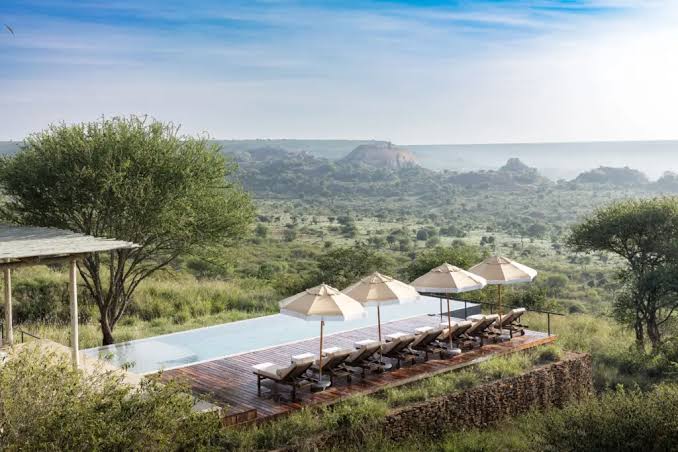
The landscape includes open grasslands, wooded areas, rivers and habitats supporting numerous wildlife species.
Getting to Ol Pejeta Conservancy
Most visitors travel from Nairobi by road through Nanyuki.
Private safari transfers provide convenient access, particularly for families and travellers carrying luggage.
Visitors can also arrange flights to Nanyuki Airstrip, followed by a road transfer.
Confirm transport arrangements with your accommodation provider before departure.
Northern White Rhinos at Ol Pejeta Conservancy
The northern white rhinoceros is among the world’s most critically threatened large mammals.
Only two surviving individuals remain: Najin and Fatu.
Both are females living under protection at Ol Pejeta Conservancy.
Their situation represents an extraordinary conservation challenge because natural breeding cannot restore the population.
Meet Najin and Fatu
Najin and Fatu are the last surviving northern white rhinoceroses.
They receive specialised veterinary attention, monitoring and security.
Their protection involves cooperation between conservation organisations, researchers and wildlife authorities.
Visitors may arrange authorised experiences to learn about their history and the efforts being made to preserve the subspecies.
However, access is controlled to protect the animals.
Can Northern White Rhinos Be Saved?
Conservation scientists are investigating assisted reproductive technologies.
Research includes collecting reproductive material, developing embryos and exploring suitable surrogate arrangements.
These methods offer possible approaches to preserving northern white rhino genetics.
However, successful restoration of a breeding population remains scientifically challenging.
Visitors should understand that research progress does not guarantee the subspecies’ recovery.
Black and White Rhinos at Ol Pejeta
Besides northern white rhinos, Ol Pejeta protects important populations of eastern black rhinoceroses and southern white rhinoceroses.
These animals occupy suitable habitats within the conservancy.
Ranger patrols, monitoring programmes and veterinary services contribute to their protection.
Differences Between Black and White Rhinos
| Feature | Black rhinoceros | White rhinoceros |
|---|---|---|
| Feeding behaviour | Browses shrubs and trees | Grazes mainly on grass |
| Mouth shape | Pointed upper lip | Broad, square-shaped mouth |
| Typical habitat | Bushland and woodland | Open grassland |
| Conservation concern | Critically endangered species | Conservation status varies by subspecies |
Visitors may observe rhinos during ordinary game drives, although sightings depend on their movements.
Always maintain an appropriate distance.
Sweetwaters Chimpanzee Sanctuary
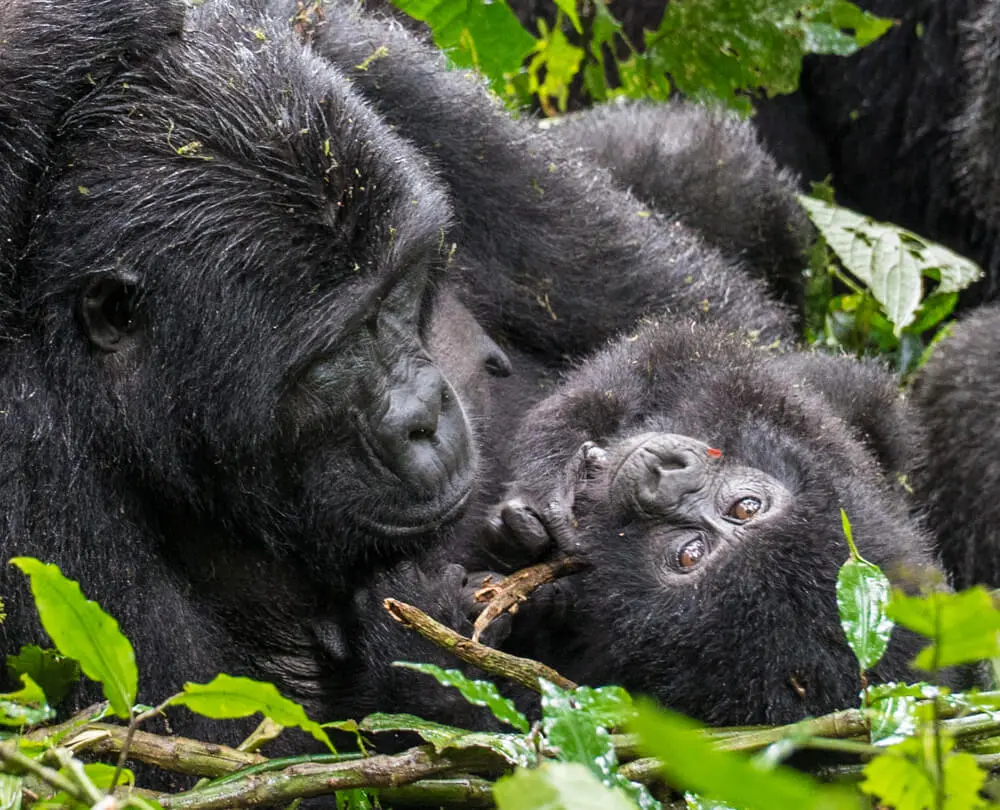
Sweetwaters Chimpanzee Sanctuary is another major attraction within Ol Pejeta Conservancy.
The sanctuary provides care for chimpanzees rescued from unsuitable conditions, including illegal wildlife trade and captivity.
Chimpanzees are not naturally found in Kenya’s wild habitats.
The sanctuary therefore operates as a managed refuge rather than a place for releasing chimpanzees into Kenya’s wilderness.
History of the Sanctuary
Sweetwaters Chimpanzee Sanctuary was established in 1993 through cooperation involving the Jane Goodall Institute, Kenya Wildlife Service and Ol Pejeta.
Its purpose is to provide long-term care for rescued chimpanzees.
The animals receive food, veterinary attention and opportunities for social interaction within managed environments.
Visiting the Chimpanzee Sanctuary
Visitors can observe chimpanzees from designated viewing areas.
The experience offers opportunities to learn about their behaviour, social relationships and conservation challenges.
A guide may explain how chimpanzees communicate, interact and establish social groups.
Follow all visitor instructions.
Do not feed, touch or attempt to attract the animals.
Why Chimpanzees Need Protection
Chimpanzees face serious threats in their natural African habitats.
These include habitat destruction, illegal wildlife trade and hunting.
Rescue centres provide care for individuals that cannot safely return to the wild.
Education programmes also help visitors understand the importance of protecting chimpanzees in countries where they naturally occur.
Wildlife Safaris in Ol Pejeta Conservancy
Ol Pejeta offers wildlife experiences beyond its rhino and chimpanzee conservation programmes.
The conservancy supports several large mammals commonly associated with Kenyan safaris.
Visitors may encounter:
- African elephants.
- Lions.
- Leopards.
- African buffaloes.
- Rhinoceroses.
- Giraffes.
- Zebras.
- Various antelope species.
Wildlife sightings depend on weather, vegetation and animal movements.
Morning Game Drives
Early morning game drives provide opportunities to observe wildlife during cooler hours.
Lions may be resting after nighttime activity, while herbivores begin feeding.
Your guide may explore water sources, grasslands and wooded areas.
Afternoon Game Drives
Afternoon drives offer opportunities to observe animals as temperatures begin to fall.
These excursions are particularly suitable for photography when natural light becomes softer.
Follow designated routes and avoid disturbing wildlife.
Conservation Experiences at Ol Pejeta
Ol Pejeta offers educational activities connected to wildlife protection.
Some experiences allow visitors to learn about rhino conservation, monitoring methods and the work carried out by conservation teams.
Specialised activities may require advance booking and additional charges.
Conservation Talks
Educational sessions can explain the threats facing endangered species.
Visitors may learn about wildlife monitoring, habitat management and conservation research.
Guided Nature Walks
Selected walking experiences are available under appropriate arrangements.
Guides introduce visitors to vegetation, animal tracks and smaller wildlife.
Walking activities must follow safety regulations because dangerous animals inhabit the conservancy.
Night Game Drives
Certain organised night drives allow visitors to observe wildlife after dark.
These activities operate under specific conservancy rules.
Ask about schedules and availability before booking.
Best Time to Visit Ol Pejeta Conservancy
Ol Pejeta is a year-round destination.
However, weather conditions influence vegetation, animal movements and road accessibility.
| Period | General conditions | Safari considerations |
|---|---|---|
| January to March | Often relatively dry | Suitable wildlife viewing |
| April to May | Commonly wetter | Green landscapes and possible muddy roads |
| June to September | Often relatively dry | Popular period for safaris |
| October to December | Variable rainfall | Flexible planning recommended |
Dry conditions can make animals easier to observe in some habitats.
Rainy periods provide greener landscapes and attractive photographic scenery.
Neither season guarantees particular wildlife sightings.
Accommodation at Ol Pejeta Conservancy
Accommodation options include luxury lodges, safari camps and properties near Nanyuki.
Your choice depends on your budget and preferred activities.
Luxury Safari Lodges
Luxury accommodation may include comfortable rooms, full-board meals and organised game drives.
Some properties arrange specialised conservation experiences.
Tented Safari Camps
Tented camps provide accommodation within natural surroundings.
Facilities vary, so confirm whether your booking includes meals, game drives and conservancy fees.
Staying Near Nanyuki
Accommodation outside the conservancy may offer additional budget options.
However, travelling between your hotel and the conservancy can increase journey times.
Confirm the relevant gate and transport arrangements.
Ol Pejeta Conservancy Entrance and Activity Planning
Ol Pejeta generally opens to day visitors from 7:00 am to 7:00 pm.
Entrance charges depend on visitor category and applicable rates.
Some activities require separate payments.
Before travelling, confirm:
- Conservancy entrance charges.
- Vehicle arrangements.
- Game-drive availability.
- Chimpanzee sanctuary visiting arrangements.
- Northern white rhino experience reservations.
- Additional conservation activity fees.
Advance booking is particularly useful for specialised experiences with limited availability.
Suggested 2-Day Ol Pejeta Safari
A two-day visit allows time for wildlife viewing and conservation activities.
Day 1: Arrival and Wildlife Safari
Travel from Nairobi towards Nanyuki.
Continue to Ol Pejeta Conservancy and check into your accommodation.
After lunch, enjoy an afternoon game drive.
Look for elephants, buffaloes, giraffes and rhinos.
Return to your accommodation for dinner.
Day 2: Chimpanzees and Rhino Conservation
Begin with an early wildlife drive.
Continue to Sweetwaters Chimpanzee Sanctuary during an available visiting period.
If booked in advance, participate in an authorised northern white rhino conservation experience.
Have lunch before beginning your return journey.
Allow flexibility for activity schedules.
Practical Planning Advice
Pack comfortable clothing, closed shoes, binoculars and sun protection.
Carry drinking water and personal medication.
A camera with a zoom lens is useful for photographing wildlife without approaching too closely.
Keep your identification documents available for entry procedures.
Follow your guide’s instructions throughout the conservancy.
Never leave your safari vehicle in wildlife areas unless your guide specifically permits it.
Frequently Asked Questions
Where can visitors see northern white rhinos?
The world’s last two surviving northern white rhinos live at Ol Pejeta Conservancy in Kenya.
Can tourists visit Sweetwaters Chimpanzee Sanctuary?
Yes. Visitors can observe rescued chimpanzees through authorised sanctuary experiences.
Are chimpanzees native to Kenya?
No. Chimpanzees at Sweetwaters were rescued and receive care within a managed sanctuary.
Can visitors see the Big Five?
Ol Pejeta supports all Big Five species, although sightings of every animal are never guaranteed.
How many days should visitors spend?
Two days provide a useful introduction. Three days allow more time for conservation activities and relaxed game drives.
Travel Advice
Ol Pejeta Conservancy offers an opportunity to experience Kenyan wildlife while learning about the protection of endangered species.
Its northern white rhinoceroses, black rhino populations and rescued chimpanzees make it particularly important for conservation education.
Book specialised activities in advance, choose suitable accommodation and allow enough time for ordinary game drives.
A visit provides meaningful opportunities to understand the challenges involved in protecting wildlife for future generations.