Travelling to Volcanoes National Park Rwanda
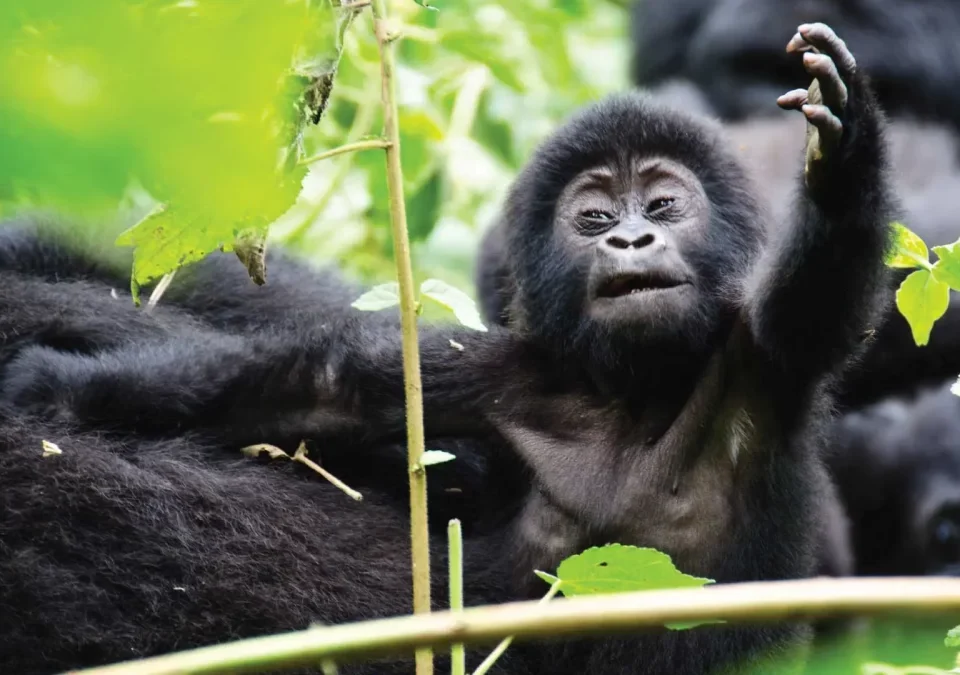
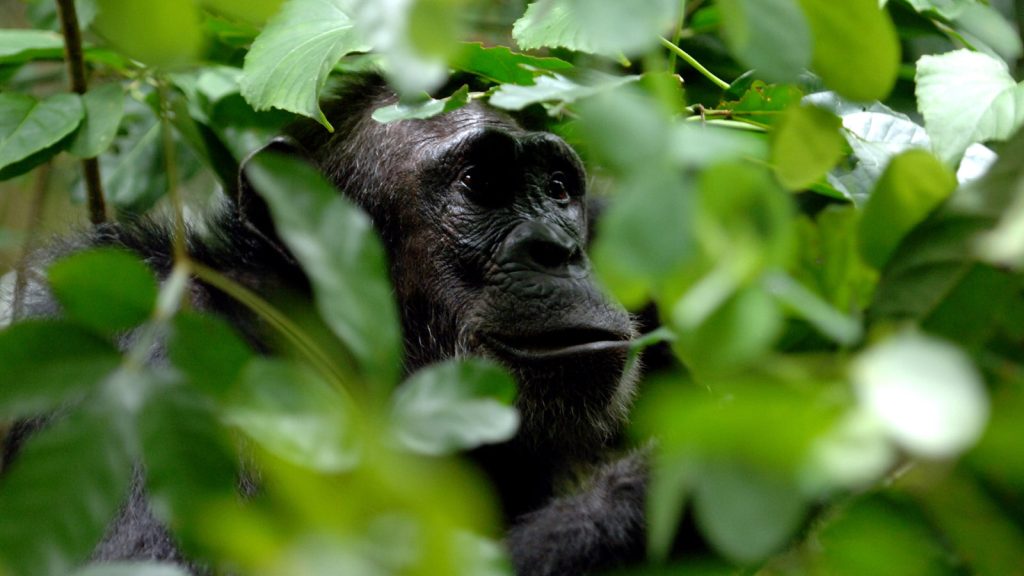
Volcanoes National Park is Rwanda’s most iconic and celebrated conservation area, famed worldwide for its mountain gorilla trekking experiences and its dramatic chain of ancient volcanoes. Located in the far northwest of the country, the park lies along the Virunga Massif and shares borders with Uganda and the Democratic Republic of Congo. Travelling to Volcanoes National Park is relatively easy and well-organized, yet the journey itself is part of the experience, revealing Rwanda’s rolling hills, vibrant rural life, and remarkable scenery that has earned the country the name “Land of a Thousand Hills.”
For many travelers, visiting Volcanoes National Park is the highlight of a Rwanda safari. Whether your goal is gorilla trekking, golden monkey tracking, hiking volcanic peaks, or immersing yourself in Rwanda’s conservation story, understanding how to travel to the park helps you plan a smooth and enjoyable journey.
Where Volcanoes National Park Is Located
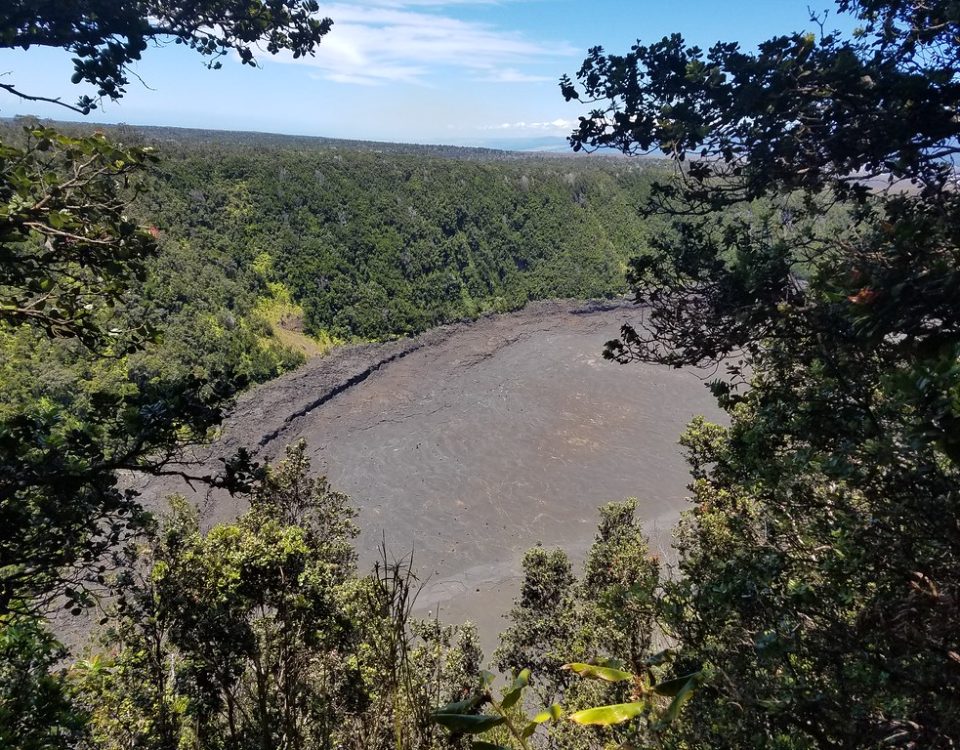
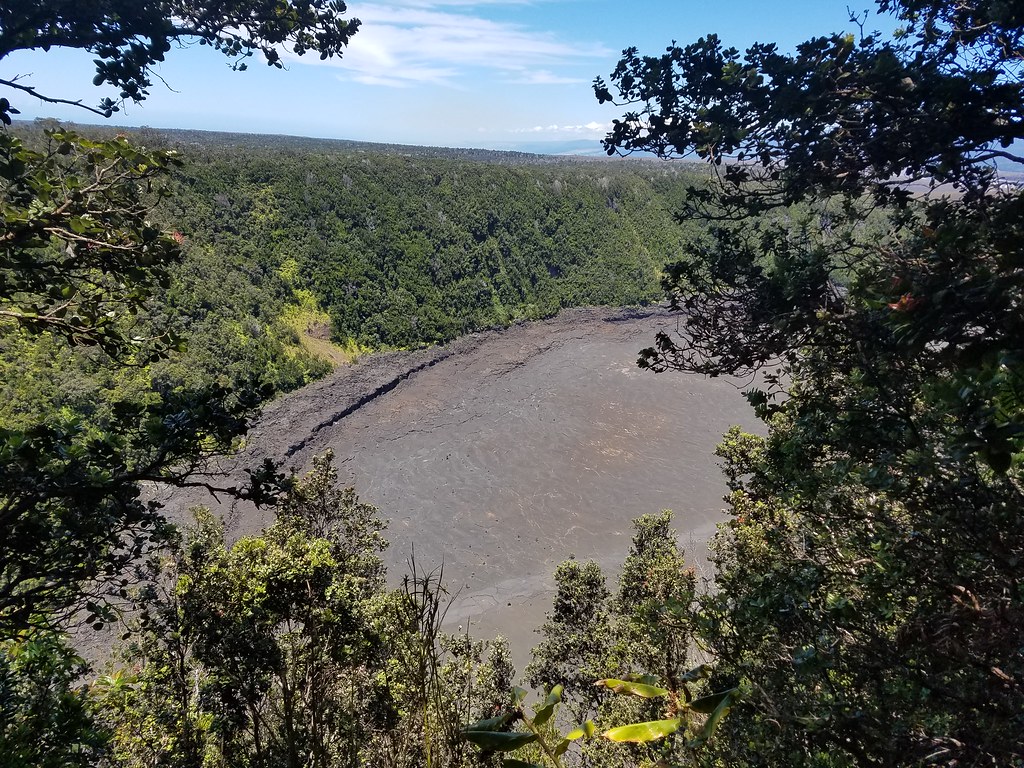
Volcanoes National Park is situated in Rwanda’s Northern Province, near the town of Musanze, formerly known as Ruhengeri. The park covers an area of approximately 160 square kilometers and is dominated by five of the eight Virunga volcanoes: Mount Karisimbi, Mount Bisoke, Mount Muhabura, Mount Gahinga, and Mount Sabyinyo. These towering peaks form a dramatic backdrop of misty forests and rugged slopes that define the region.
The park’s location near Rwanda’s borders makes it easily accessible from Kigali as well as from neighboring Uganda and the Democratic Republic of Congo. This accessibility is one of the reasons Rwanda has become one of Africa’s most popular gorilla trekking destinations.
Traveling from Kigali to Volcanoes National Park
Most visitors begin their journey to Volcanoes National Park in Kigali, Rwanda’s capital and main international gateway. The drive from Kigali to the park takes approximately two to three hours, depending on traffic and road conditions. The route is well-paved and considered one of the most scenic drives in the country.
Leaving Kigali, the road winds through green hills, terraced farms, and lively villages where daily life unfolds along the roadside. This drive offers travelers a first-hand look at Rwanda’s countryside, with frequent views of banana plantations, tea fields, and traditional homesteads. The gradual ascent toward the Virunga Mountains also brings cooler temperatures and increasingly dramatic landscapes as you approach Musanze.
Travelers can reach the park by private vehicle, guided safari transfer, or hired car with a driver. Self-driving is possible, but many visitors prefer a local driver-guide who is familiar with the route, park procedures, and regional attractions. Guided transfers also allow travelers to relax and enjoy the scenery without worrying about navigation.
Traveling from Uganda or the Democratic Republic of Congo
Volcanoes National Park can also be accessed overland from neighboring countries, making it a convenient addition to regional itineraries. From Uganda, travelers often cross at the Cyanika border, which lies close to both Mgahinga Gorilla National Park and Volcanoes National Park. The drive from southwestern Uganda to the park is relatively short, and the border crossing is commonly used by tourists combining gorilla trekking experiences in both countries.
From the Democratic Republic of Congo, access is typically via the Goma border. While this route is used by travelers moving between Virunga National Park and Volcanoes National Park, it requires careful planning and up-to-date information due to changing border and security conditions. When properly arranged, cross-border travel allows visitors to explore the broader Virunga region and gain a deeper understanding of its shared ecosystems.
Entry Points and Park Headquarters
The main entry point to Volcanoes National Park is at the park headquarters located in Kinigi, just outside Musanze town. This is where visitors gather early in the morning for briefings before gorilla trekking, golden monkey tracking, and other guided activities. The headquarters area is well-organized and serves as the central hub for all park operations.
Travelers are advised to stay in or near Musanze or Kinigi to ensure easy access to the headquarters, especially since most park activities begin early in the morning. Staying nearby minimizes travel time on activity days and allows for a more relaxed start.
Best Time to Travel to Volcanoes National Park
Travel to Volcanoes National Park is possible year-round, but the experience can vary depending on the season. Rwanda has two main dry seasons, typically from June to September and from December to February. These periods are generally considered the best times to visit, as trekking trails are less muddy and weather conditions are more comfortable.
During the rainy seasons, which usually occur from March to May and from October to November, travel is still possible, but roads can be slippery and forest trails more challenging. However, these months also bring lush scenery, fewer visitors, and a quieter atmosphere. For travelers who value solitude and do not mind occasional rain, the wet seasons can be especially rewarding.
Accommodation and Travel Logistics
A wide range of accommodation options is available around Volcanoes National Park, catering to different travel styles and budgets. Luxury lodges are often set on forested slopes or hillsides, offering stunning views of the volcanoes and high levels of privacy. Mid-range and budget lodges are mostly located closer to Musanze town and provide comfortable bases for park activities.
When traveling to the park, it is common to arrange accommodation that includes transfers, meals, and assistance with permit logistics. This integrated approach simplifies travel and ensures that all necessary arrangements are handled efficiently. For independent travelers, it is important to confirm travel times, park schedules, and early-morning departure requirements in advance.

Preparing for the Journey
Traveling to Volcanoes National Park requires some practical preparation. Early mornings are the norm, especially for gorilla trekking, so arriving at least one day before scheduled activities is strongly recommended. This allows travelers to rest after the journey, adjust to the cooler mountain climate, and attend briefings without rushing.
Packing appropriately for travel and activities is also essential. Even the drive itself can involve changes in weather, and conditions near the park are often cooler and wetter than in Kigali. Comfortable clothing, sturdy footwear, and protection from rain are all part of a well-planned journey.
The Travel Experience Beyond the Destination
Traveling to Volcanoes National Park is not just about reaching a place; it is about experiencing a region that reflects Rwanda’s natural beauty and resilience. Along the way, travelers witness the country’s strong sense of order, cleanliness, and community pride. The road journey becomes an introduction to Rwanda’s conservation ethic and its commitment to sustainable tourism.
For many visitors, the journey to Volcanoes National Park sets the tone for the entire experience. The transition from city to countryside, from rolling hills to towering volcanoes, creates a sense of anticipation that builds with every kilometer. By the time you arrive in Kinigi and see the mist rising over the forest, it becomes clear that the journey itself is an integral part of the adventure.
Travelling to Volcanoes National Park Rwanda is straightforward, scenic, and deeply rewarding. Whether arriving from Kigali, Uganda, or the Democratic Republic of Congo, the journey offers insight into Rwanda’s landscapes, culture, and conservation values. With proper planning and an understanding of the logistics involved, reaching this remarkable park becomes a seamless part of an unforgettable wildlife and cultural experience in the heart of the Virunga Mountains.
Recommended Tours: 8 Days Congo Gorillas & Nyiragongo Safari | 5 Days Lowland Gorilla Safari Congo