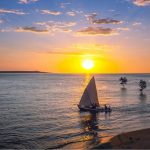
Lake Elementaita: Birdlife, Rift Valley Views, and Nearby Stays
Lake Elementaita is one of Kenya’s beautiful Great Rift Valley destinations, known for its birdlife, peaceful surroundings and impressive landscapes. Located between Naivasha and Nakuru, this shallow alkaline lake attracts visitors interested in birdwatching, nature photography and relaxing countryside holidays. This Lake Elementaita travel guide explains the best activities, wildlife attractions, accommodation options and practical information you need when planning your visit. Whether you are travelling independently or including the lake in a longer Kenya safari, Elementaita offers an enjoyable opportunity to experience the Rift Valley away from busy tourism centres.
Where Is Lake Elementaita Located?
Lake Elementaita is situated in Nakuru County, near Gilgil town, approximately 120 kilometres northwest of Nairobi. It lies within Kenya’s Great Rift Valley, surrounded by rolling hills, open grasslands and attractive countryside.
The lake forms part of the Kenya Lake System in the Great Rift Valley, a UNESCO World Heritage Site that also includes Lake Nakuru and Lake Bogoria. These protected lakes provide important habitats for flamingos, pelicans and other waterbirds.
Its location makes Elementaita an excellent stop for visitors travelling between Nairobi, Naivasha and Nakuru.
Distance and Travel Time to Lake Elementaita
| Starting Point | Approximate Distance | Driving Time |
|---|---|---|
| Nairobi | 120–140 km | 2–3 hours |
| Naivasha | 35–50 km | 35–60 minutes |
| Nakuru | 35–45 km | 35–50 minutes |
| Gilgil | 10–20 km | 15–30 minutes |
| Lake Nakuru National Park | 40–55 km | 45–75 minutes |
Travel times depend on traffic, road conditions and your accommodation’s exact location.
Birdwatching at Lake Elementaita
Birdwatching is one of the most rewarding activities at Lake Elementaita. Its shallow alkaline waters support bird populations that change throughout the year.
The lake is internationally recognised for its importance to waterbirds, particularly great white pelicans and flamingos.
Visitors can observe different species along permitted viewing areas and within surrounding conservation landscapes.
Flamingos at Lake Elementaita
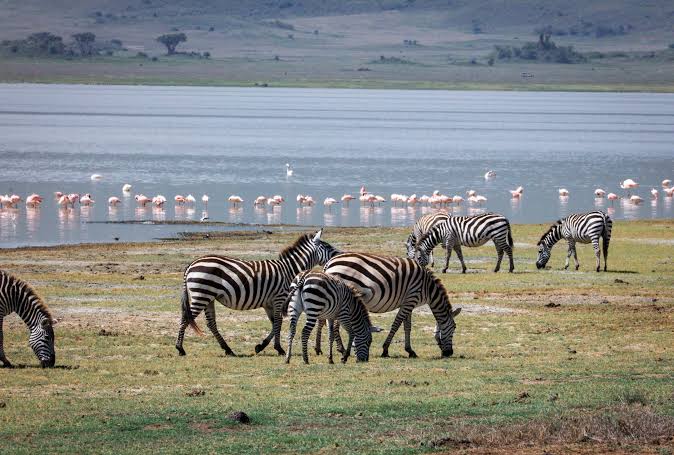
Flamingos are among the most recognisable birds associated with Kenya’s Rift Valley lakes.
Lake Elementaita can attract both greater and lesser flamingos. However, their numbers vary depending on water levels, salinity and available food.
During favourable conditions, visitors may observe large groups feeding along suitable sections of the lake.
At other times, flamingo numbers may be considerably lower.
For this reason, you should not expect guaranteed flamingo sightings during every visit.
If bird photography is your main interest, ask your safari guide or accommodation provider about recent sightings.
Great White Pelicans
Lake Elementaita plays an important role in the breeding of great white pelicans.
These large waterbirds use rocky islands within the lake as nesting grounds.
Great white pelicans are easily recognised by their large bills, pale plumage and broad wings.
Watching them fly over the water can be particularly enjoyable during early morning and late afternoon.
However, nesting areas are sensitive, and visitors should observe birds from authorised locations without disturbing them.
Other Birds Found Around Lake Elementaita
The lake and surrounding habitats support several interesting bird species.
Commonly recorded species include:
-
Greater flamingos
-
Lesser flamingos
-
Great white pelicans
-
African spoonbills
-
Pied avocets
-
Various herons
-
Egrets
-
Cormorants
-
Ducks and other waterbirds
-
Several birds of prey
The species you encounter depend on the season, habitat conditions and your chosen viewing location.
Best Time for Birdwatching
Early morning is generally the best period for birdwatching.
Temperatures are usually comfortable, and the softer light makes photography easier.
Late afternoon is another suitable time, particularly when birds are active near accessible sections of the shoreline.
Carry binoculars and consider hiring a knowledgeable local guide if you want help identifying different species.
Great Rift Valley Views at Lake Elementaita
Lake Elementaita is particularly attractive because of its surrounding landscape.
Rolling hills, grasslands and the broad lake basin create excellent opportunities for nature photography.
The scenery changes with seasonal rainfall. During wetter periods, surrounding vegetation can become greener, while drier months bring different colours to the landscape.
Visitors staying at suitable lakeside properties can enjoy impressive views without travelling far.
The Sleeping Warrior Hill
One of the most recognisable landscape features near Lake Elementaita is the Sleeping Warrior hill formation.
Viewed from certain directions, the outline resembles a person lying on their back.
The formation contributes to the area’s distinctive scenery and provides an interesting subject for photographs.
Some nearby properties offer views towards the hills, although the exact perspective depends on their location.
Sunrise and Sunset Photography
Lake Elementaita provides attractive opportunities for sunrise and sunset photography.
During sunrise, gentle light can illuminate the water and surrounding hills.
In the evening, warmer colours may appear across the landscape as the sun approaches the horizon.
For better photographs, choose an established viewpoint with an unobstructed view.
Avoid entering restricted areas or walking along unfamiliar shorelines after dark.
Wildlife Around Lake Elementaita
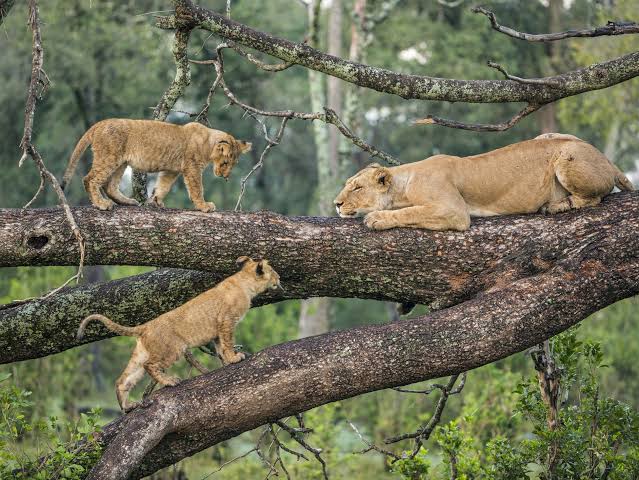
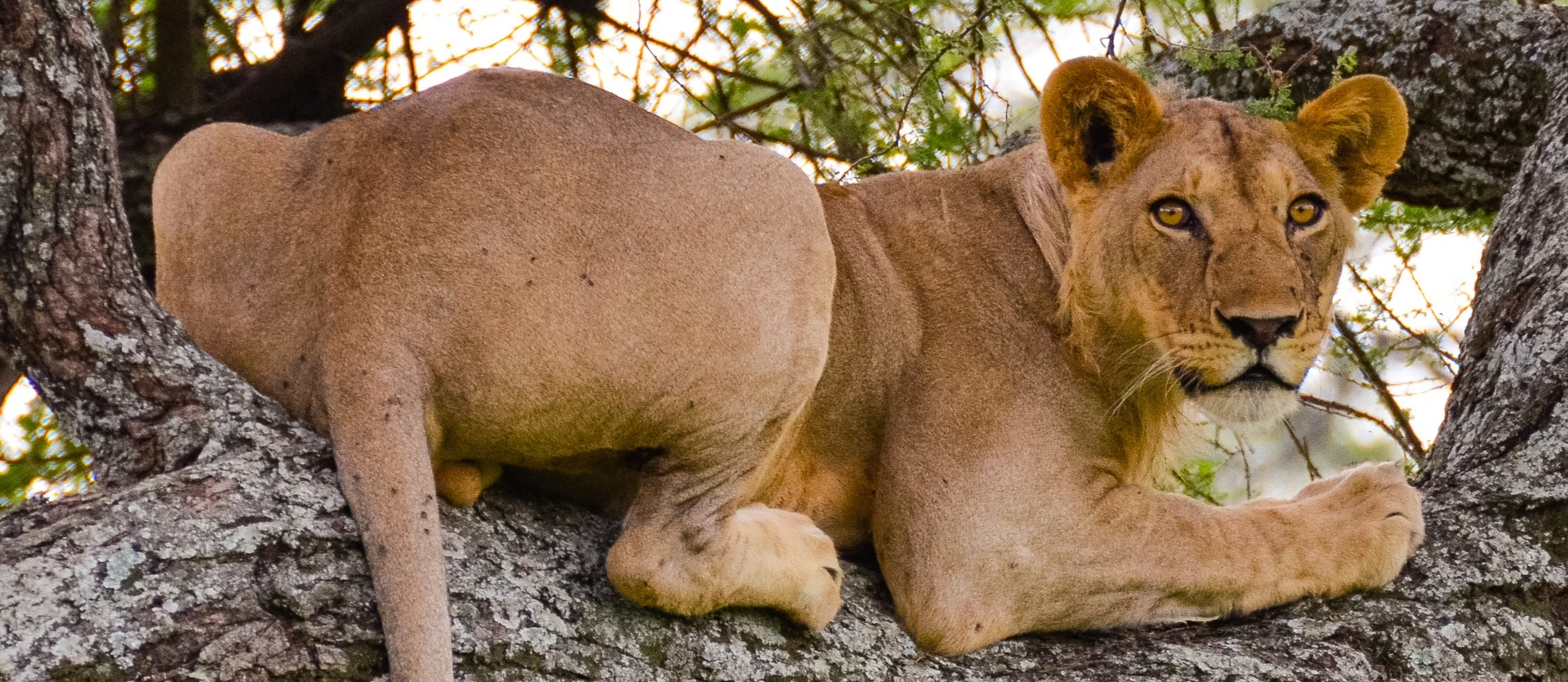
Although Lake Elementaita is best known for birds, wildlife also inhabits the surrounding conservation areas.
Soysambu Conservancy protects a substantial landscape of grasslands, woodlands and lake-edge habitats.
Depending on the location and prevailing conditions, visitors may encounter:
-
Zebras
-
Giraffes
-
Various antelope species
-
Other plains wildlife
-
Birds of prey
-
Smaller mammals
Wildlife sightings are never guaranteed.
Elementaita should primarily be considered a destination for birdwatching, scenery and nature-based relaxation.
Travellers interested in a traditional wildlife safari can combine the lake with Lake Nakuru National Park.
Best Things to Do at Lake Elementaita
1. Guided Birdwatching
A guided birdwatching excursion allows you to explore suitable viewing areas while learning about the lake’s wildlife.
Local guides can explain bird behaviour, identify species and help visitors understand the importance of the surrounding wetlands.
Morning excursions are particularly suitable for photographers.
2. Nature Walks
Some nearby lodges and conservation operators arrange guided nature walks.
These activities provide opportunities to appreciate plants, birdlife and the surrounding landscape.
Walking routes depend on land ownership, conservation regulations and wildlife conditions.
Always arrange walks through an authorised operator rather than exploring restricted areas independently.
3. Explore Soysambu Conservancy
Soysambu Conservancy is one of the important conservation landscapes around Lake Elementaita.
Visitors may have opportunities to enjoy guided wildlife viewing and other approved nature activities.
Access arrangements vary, so confirm availability before travelling.
Conservancy fees and activity charges may be separate from accommodation costs.
4. Landscape Photography
Lake Elementaita offers attractive subjects for photographers interested in natural scenery.
Popular subjects include waterbirds, surrounding hills, open grasslands and changing light across the lake.
A smartphone is suitable for general landscape photography.
However, photographing distant birds usually requires a camera with a telephoto lens.
5. Relax at a Lakeside Lodge
Many visitors choose Elementaita because of its quiet atmosphere.
Staying at a comfortable lodge allows you to enjoy the views, read, relax and spend time outdoors.
This makes the destination especially appealing after several days of early morning safari activities.
Where to Stay Near Lake Elementaita
Accommodation around Lake Elementaita includes lakeside resorts, safari lodges, guesthouses and properties in nearby towns.
The best place to stay depends on your budget, preferred activities and overall travel arrangements.
Lake Elementaita Accommodation Options
| Accommodation Location | Suitable For | Main Advantage |
|---|---|---|
| Lake Elementaita shoreline | Couples and leisure travellers | Scenic lake views |
| Soysambu Conservancy area | Nature enthusiasts | Conservation activities |
| Gilgil town | Budget travellers | Convenient road access |
| Naivasha | Families and active travellers | More excursion options |
| Nakuru | Wildlife safari visitors | Access to Lake Nakuru National Park |
Lakeside Resorts and Lodges
Lakeside accommodation is particularly suitable for visitors who want to enjoy the scenery throughout their stay.
Some properties provide gardens, restaurants, swimming pools and organised activities.
Before booking, confirm whether your selected room offers a direct lake view.
You should also ask whether guided birdwatching or conservancy activities are available.
Conservancy Accommodation
Staying within or near a conservation area can provide a more nature-focused experience.
Some properties organise guided walks, wildlife viewing and birdwatching excursions.
Check whether conservation fees are included in the accommodation price.
Budget Accommodation in Gilgil
Gilgil is a practical option for travellers who want affordable accommodation near Lake Elementaita.
The town has smaller hotels and guesthouses that may cost less than established lakeside resorts.
However, visitors staying in Gilgil should arrange transport to appropriate lake viewing areas.
Staying in Naivasha or Nakuru
You do not necessarily need to spend the night at Lake Elementaita.
Visitors staying in Naivasha or Nakuru can include the lake in a day trip.
Naivasha is particularly suitable for travellers interested in boat excursions and outdoor activities.
Nakuru works well for visitors planning a wildlife safari in Lake Nakuru National Park.
Best Time to Visit Lake Elementaita
Lake Elementaita can be visited throughout the year.
However, seasonal rainfall affects the surrounding landscape, accessibility and outdoor activities.
Seasonal Guide
| Months | General Weather | Visitor Experience |
|---|---|---|
| January–February | Often relatively dry | Suitable for sightseeing |
| March–May | Usually wetter | Greener landscapes |
| June–September | Often cooler and drier | Comfortable outdoor activities |
| October–December | Variable rainfall | Mixed conditions |
These periods describe typical seasonal patterns rather than guaranteed weather conditions.
Bird numbers can also change independently of rainfall seasons.
Visitors specifically interested in flamingos should request recent information before travelling.
How Many Days Should You Spend at Lake Elementaita?
Most travellers can enjoy Lake Elementaita within one or two days.
A half-day visit is suitable for those travelling between Naivasha and Nakuru.
However, staying overnight provides more time for birdwatching, photography and relaxation.
Suggested 2-Day Lake Elementaita Visit
Day 1: Arrival and Lakeside Exploration
Travel from Nairobi or Naivasha towards Lake Elementaita.
Arrive at your chosen accommodation and enjoy lunch.
Spend the afternoon relaxing or participating in an authorised guided nature activity.
Later, enjoy the surrounding landscape during sunset.
Return to your accommodation for dinner and overnight.
Day 2: Birdwatching and Departure
Wake up early for a guided birdwatching excursion.
Observe waterbirds from suitable viewing locations and enjoy the morning scenery.
Return to your lodge for breakfast.
After checking out, continue towards Lake Nakuru National Park, Naivasha or another destination.
Practical Planning Tips for Lake Elementaita
What to Pack
You do not need specialised equipment for an ordinary visit.
Recommended items include:
-
Comfortable walking shoes
-
Lightweight daytime clothing
-
A warm jacket
-
Sun hat
-
Sunglasses
-
Sunscreen
-
Binoculars
-
Camera
-
Drinking water
-
Light rain jacket
Binoculars are especially useful because many birds may be visible only from a distance.
Is Swimming Allowed at Lake Elementaita?
Swimming in Lake Elementaita is not recommended.
The lake contains alkaline water and supports sensitive bird habitats.
It is not managed as a conventional swimming destination.
If you want to swim during your holiday, select accommodation with a maintained swimming pool.
Entrance Fees and Conservation Charges
Lake Elementaita Wildlife Sanctuary is managed by the Kenya Wildlife Service.
Surrounding conservation areas and privately managed properties may apply separate access arrangements.
Entry fees can vary according to residency, age and activity.
Confirm current charges before travelling.
Responsible Tourism
Visitors should respect conservation regulations and wildlife habitats.
Avoid approaching nesting birds, disturbing wildlife or leaving rubbish near the shoreline.
Stay on authorised paths and use approved viewing locations.
These simple precautions help protect the lake’s natural environment.
Combining Lake Elementaita With Nearby Attractions
Lake Elementaita is conveniently located near several established tourism destinations.
Lake Nakuru National Park
Lake Nakuru National Park is suitable for visitors interested in wildlife game drives.
The park offers opportunities to see rhinos, giraffes, buffaloes and other animals.
Combining Elementaita with Lake Nakuru provides a mixture of birdwatching, landscapes and wildlife viewing.
Lake Naivasha
Lake Naivasha is another popular Great Rift Valley destination.
Visitors can arrange boat excursions and enjoy views across the freshwater lake.
Naivasha also provides access to several nearby outdoor attractions.
Hell’s Gate National Park
Hell’s Gate National Park is known for its dramatic landscapes and opportunities for approved outdoor activities.
It can be included in a longer Rift Valley itinerary.
Lake Bogoria
Lake Bogoria is another important alkaline lake within Kenya’s Great Rift Valley.
It is associated with flamingos and geothermal activity.
Travellers with additional time can consider including it in a wider Rift Valley journey.
Frequently Asked Questions About Lake Elementaita
Is Lake Elementaita Worth Visiting?
Yes. Lake Elementaita is worth visiting if you enjoy birdwatching, beautiful landscapes and quiet surroundings. It is particularly suitable for travellers combining several Rift Valley destinations.
Are There Flamingos at Lake Elementaita?
Flamingos can be found at Lake Elementaita, but their numbers vary. Water conditions and food availability influence where the birds gather.
Can You Visit Lake Elementaita in One Day?
Yes. You can visit Lake Elementaita during a day trip from nearby destinations such as Naivasha or Nakuru.
Is Lake Elementaita Suitable for Families?
Yes. Families can enjoy the lake’s scenery and organised nature activities. Children should remain supervised near water, wildlife and uneven ground.
Can You See Wildlife Around Lake Elementaita?
Yes. The surrounding conservation areas support wildlife such as zebras, giraffes and antelopes. Sightings depend on your route and local conditions.
How Far Is Lake Elementaita From Nairobi?
Lake Elementaita is approximately 120–140 kilometres from Nairobi, depending on your destination around the lake. Driving generally takes about two to three hours.
Lake Elementaita is an attractive destination for travellers who want to experience Kenya’s Great Rift Valley beyond the country’s busiest national parks. Its important bird habitats, surrounding hills and peaceful accommodation make it suitable for short visits and relaxing overnight stays.
Whether you are interested in photographing pelicans, observing flamingos or enjoying the countryside, the lake offers several rewarding experiences.
For a more complete holiday, combine Lake Elementaita with Lake Naivasha and Lake Nakuru National Park. This allows you to enjoy different landscapes, wildlife encounters and outdoor activities within a practical travel route.