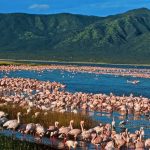
Chyulu Hills National Park: Green Hills, Lava Caves, and Walking Safaris
Chyulu Hills National Park is one of Kenya’s distinctive destinations for travellers interested in volcanic landscapes, walking safaris, wildlife and outdoor activities. Located between the Amboseli and Tsavo regions, the park features rolling green hills, forests, grasslands and ancient lava formations.
Unlike Kenya’s busier wildlife reserves, Chyulu Hills attracts visitors who want to explore landscapes on foot, appreciate natural scenery and learn about the area’s volcanic history.
The park is especially interesting because of its extensive lava cave systems, including the famous Kisula Cave, also known as Leviathan Cave.
Visitors can enjoy guided hiking, birdwatching, photography, camping and selected wildlife viewing experiences.
This guide explains the main attractions, available activities, accommodation options and practical considerations for planning a Chyulu Hills safari.
Where Is Chyulu Hills National Park?
Chyulu Hills National Park lies in southeastern Kenya, between Amboseli National Park and Tsavo West National Park.
The hills form part of an extensive volcanic landscape surrounded by grasslands, forests and wildlife conservation areas.
The park is accessible from Nairobi through routes connecting with the Nairobi–Mombasa highway.
However, access depends on your intended entrance, weather conditions and chosen activities.
Getting to Chyulu Hills
| Starting point | Approximate travel consideration |
|---|---|
| Nairobi | Allow most of a day for road travel and park access |
| Amboseli | Possible combination with suitable route planning |
| Tsavo West | Convenient for a combined regional safari |
| Mombasa | Requires a substantial road journey |
Road conditions vary, especially when travelling away from major highways.
A suitable four-wheel-drive vehicle is recommended for exploring remote sections.
What Makes Chyulu Hills Special?
Chyulu Hills is known for its relatively young volcanic formations.
The landscape includes rounded hills, volcanic cones, lava flows and underground caves formed through past volcanic activity.
Some slopes support thick vegetation, while other areas contain open grasslands and rocky terrain.
The contrast between green hills and dark volcanic rock makes the park attractive for photography.
Rainfall also plays an important role in the surrounding landscape.
Water enters porous volcanic formations and contributes to groundwater systems connected with important springs.
Green Hills and Scenic Landscapes
The park’s rolling hills are among its main attractions.
During wetter periods, vegetation can become particularly green, creating attractive scenery across the slopes.
Visitors may enjoy views towards the surrounding plains and distant mountains when conditions are clear.
Landscape Photography
Early morning and late afternoon often provide suitable lighting for photographing the hills.
Cloud cover can create interesting changes in visibility throughout the day.
Bring a camera with a wide-angle lens if you want to capture the surrounding landscapes.
However, avoid walking away from authorised routes simply to reach a photographic viewpoint.
Follow your guide’s instructions and respect wildlife habitats.
Lava Caves in Chyulu Hills National Park
The volcanic cave systems are among the park’s most distinctive geological features.
These caves developed when molten lava moved beneath cooling surface layers, leaving underground passages after the lava drained away.
Some cave sections contain uneven floors, narrow passages and dark chambers.
Kisula Cave and Leviathan Cave
Kisula Cave, commonly associated with the Leviathan Cave system, is one of the most notable lava tubes in the region.
Kenya Wildlife Service identifies the cave system as approximately 11.5 kilometres long.
However, this does not mean that visitors can explore the entire passage.
Accessible sections depend on safety conditions, park arrangements and the availability of authorised guides.
Cave Exploration Safety
Exploring lava caves requires careful preparation.
Underground passages may contain sharp rocks, loose surfaces and sudden changes in elevation.
Never enter an unfamiliar cave without official permission and appropriate guidance.
Carry a suitable helmet, reliable lighting and sturdy footwear when instructed.
Avoid exploring during periods when weather or access conditions create additional risks.
Walking Safaris in Chyulu Hills
Walking is one of the most appealing ways to experience Chyulu Hills.
The park offers opportunities to explore grasslands, volcanic landscapes and forested areas.
Unlike vehicle-based game drives, walking activities allow visitors to observe plants, insects, tracks and geological features at a slower pace.
What to Expect During a Guided Walk
A walking activity may involve uneven ground, slopes and sections with limited shade.
The distance and difficulty depend on the selected route.
Some walks focus on scenic viewpoints, while others concentrate on vegetation, geology or wildlife signs.
Your guide should explain the route, expected duration and safety arrangements before departure.
Walking Safari Safety
Wild animals may be present in the surrounding landscape.
Always follow park regulations and use authorised guides or rangers where required.
Do not approach wildlife or attempt to follow animals independently.
Carry sufficient drinking water and avoid separating from your group.
Walking activities should be arranged in advance rather than assumed to be available upon arrival.
Wildlife in Chyulu Hills
Chyulu Hills supports different wildlife species within its grasslands, forests and surrounding conservation areas.
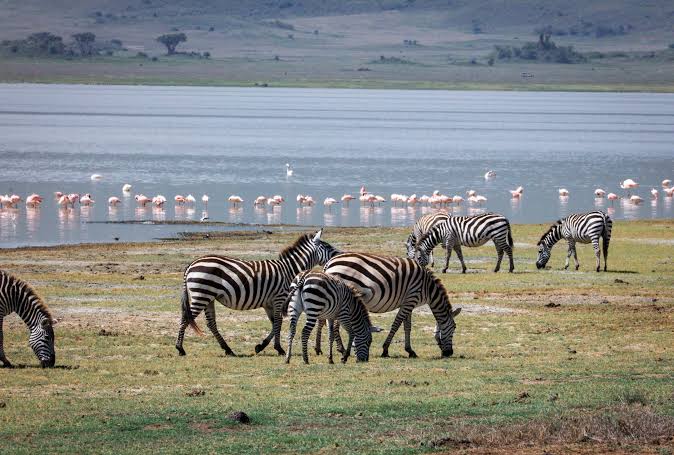
Animals associated with the wider landscape include elephants, buffaloes, giraffes, zebras and several antelope species.
Leopards and other elusive mammals may also occur in suitable habitats.
However, wildlife viewing can be unpredictable.
Is Chyulu Hills a Big Five Safari Destination?
The wider landscape supports important wildlife populations, but Chyulu Hills is generally better suited to travellers interested in scenery, walking and nature.
Visitors seeking frequent sightings of large predators may prefer combining the park with established game-viewing destinations.
Animal movements depend on habitat conditions, water availability and seasonal changes.
A visit should focus on the park’s broader natural attractions rather than a guaranteed wildlife checklist.
Birdwatching in Chyulu Hills
Birdwatching is another rewarding activity.
The combination of grasslands, woodland and montane forest creates habitats for different bird species.
Visitors may observe birds of prey, woodland birds and species associated with forest environments.
The western forested sections are particularly interesting for birdwatching.
Best Birdwatching Conditions
Early mornings are often productive because birds may be more active before temperatures rise.
Bring binoculars and a field guide.
An experienced local guide can help identify birds by appearance, calls and behaviour.
Avoid disturbing nests or entering restricted forest areas.
Forests and Plant Life
Chyulu Hills contains vegetation ranging from open grasslands to denser forest.
Changes in altitude, rainfall and soil conditions influence the plants found in different areas.
Some forest sections support a cooler environment than the surrounding plains.
Visitors interested in botany can learn about indigenous trees, shrubs and smaller plants.
The park also supports butterfly diversity.
However, collecting plants, insects or other natural materials without authorisation is prohibited.
The Connection With Mzima Springs
Chyulu Hills plays an important role in regional water systems.
Rainwater enters the porous volcanic ground and contributes to underground water movement.
These groundwater systems help support important springs, including Mzima Springs in Tsavo West National Park.
This connection makes Chyulu Hills relevant to conservation beyond its boundaries.
Visitors combining the two parks can experience both volcanic uplands and spring-fed habitats.
Best Time to Visit Chyulu Hills
The park can be visited during different months, but weather conditions influence access and outdoor activities.
Kenya generally experiences wetter periods around March to May and October to December.
During these months, the hills may appear particularly green.
However, rain can make walking routes slippery and some roads difficult.
Seasonal Planning
| Period | General conditions |
|---|---|
| January–February | Often relatively dry |
| March–May | Increased likelihood of rain |
| June–September | Generally drier conditions |
| October–December | Variable rainfall and greener scenery |
Seasonal patterns vary between years.
Check current weather and road conditions shortly before travelling.
Where to Stay Near Chyulu Hills
Accommodation options include selected private lodges, tented camps and designated camping facilities.
Kenya Wildlife Service identifies public campsites such as Kithasyo, Kisula and Satellite.
Facilities and booking requirements should be confirmed before arrival.
Some private accommodation lies within surrounding conservation areas rather than directly inside the national park.
Check the exact location when comparing properties.
Camping Considerations
Camping may suit travellers who enjoy simple outdoor accommodation.
However, remote camping requires appropriate preparation.
Confirm access to drinking water, sanitation facilities and designated camping areas.
Follow all regulations concerning fires, waste disposal and wildlife safety.
Combining Chyulu Hills With Other Parks
Chyulu Hills can be included in a longer southern Kenya safari.
Chyulu Hills and Amboseli
Amboseli is well known for elephant viewing and views of Mount Kilimanjaro.
Combining it with Chyulu Hills provides a mixture of traditional game drives and volcanic scenery.
Allow adequate travel time between destinations.
Chyulu Hills and Tsavo West
Tsavo West offers volcanic landscapes, wildlife viewing and attractions such as Mzima Springs.
The two parks complement each other geographically.
A carefully planned itinerary can include both without unnecessary travel between distant regions.
Suggested Two-Day Chyulu Hills Visit
| Day | Suggested activities |
|---|---|
| Day 1 morning | Travel to the park and complete entry arrangements |
| Day 1 afternoon | Scenic drive and guided landscape exploration |
| Day 1 evening | Relax at accommodation or designated campsite |
| Day 2 morning | Pre-arranged guided walk or approved cave activity |
| Day 2 afternoon | Continue towards Amboseli or Tsavo West |
This is a planning example rather than a guaranteed activity schedule.
Confirm guides, routes and cave access before departure.
Practical Planning Notes
Pack comfortable walking shoes, lightweight clothing, a warm layer and sun protection.
Carry adequate drinking water and a small first-aid kit.
A torch may be useful, but specialised cave equipment should follow guide requirements.
Mobile network coverage may be inconsistent in remote sections.
Arrange transport, accommodation and activities before travelling.
Frequently Asked Questions
Can tourists explore the lava caves?
Cave visits may be possible through approved arrangements. Access depends on safety conditions and park authorisation.
Is Chyulu Hills suitable for beginners?
Some activities may suit beginners, but route difficulty varies. Discuss your fitness and experience with the organiser.
Can you see elephants?
Elephants occur within the wider landscape, although sightings are never guaranteed.
Is a four-wheel-drive vehicle necessary?
A suitable four-wheel-drive is advisable for remote roads and changing ground conditions.
How long should you stay?
Two days can provide time for selected activities, while a longer stay allows more flexibility.
Chyulu Hills National Park offers a distinctive combination of green landscapes, volcanic caves, forests and guided walking experiences.
It suits travellers who appreciate scenery and outdoor activities alongside wildlife.
Plan your routes carefully, confirm cave access and use authorised guides.
Combining Chyulu Hills with Amboseli or Tsavo West can create a varied southern Kenya safari.