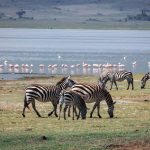
What Wildlife Will You See in Lake Manyara National Park?
Lake Manyara National Park is one of Tanzania’s most interesting wildlife destinations, famous for its tree-climbing lions, elephants, flamingos and large troops of baboons. Located beneath the Great Rift Valley escarpment, the park contains groundwater forests, open grasslands, wetlands and an alkaline lake. These different habitats support many animal and bird species throughout the year. This Lake Manyara National Park wildlife guide explains which animals you can see, where they are commonly found, how seasons affect sightings and what to expect during your game drives. Whether you are visiting for one day or including Manyara in a longer Tanzania safari, understanding its wildlife will help you plan a rewarding experience.
Wildlife in Lake Manyara National Park
Lake Manyara National Park covers approximately 648.7 square kilometres, including its lake and surrounding protected habitats.
Although smaller than Serengeti and Tarangire, the park supports a varied collection of mammals, birds and smaller animals.
Its groundwater forest provides shelter for primates and elephants. Open woodland and grasslands support giraffes, buffaloes and antelopes, while the lake attracts waterbirds.
Wildlife sightings depend on weather, vegetation, available water and animal movements.
Common Wildlife at Lake Manyara
| Animal | Sighting Expectations | Main Habitat |
|---|---|---|
| Olive baboons | Common | Groundwater forest and roadsides |
| Blue monkeys | Regularly encountered | Forest |
| African elephants | Frequently encountered | Forest and woodland |
| Giraffes | Possible in open areas | Woodland and grassland |
| African buffaloes | Regularly encountered | Grassland and wetlands |
| Hippos | Possible at suitable pools | Wetlands |
| Impalas | Common in suitable areas | Woodland edges |
| Bushbucks | Possible | Forest and dense vegetation |
| Lions | Unpredictable | Woodland and open habitats |
| Leopards | Rarely seen | Forest and woodland |
| Flamingos | Variable numbers | Lake shoreline |
These expectations are general and cannot guarantee particular sightings.
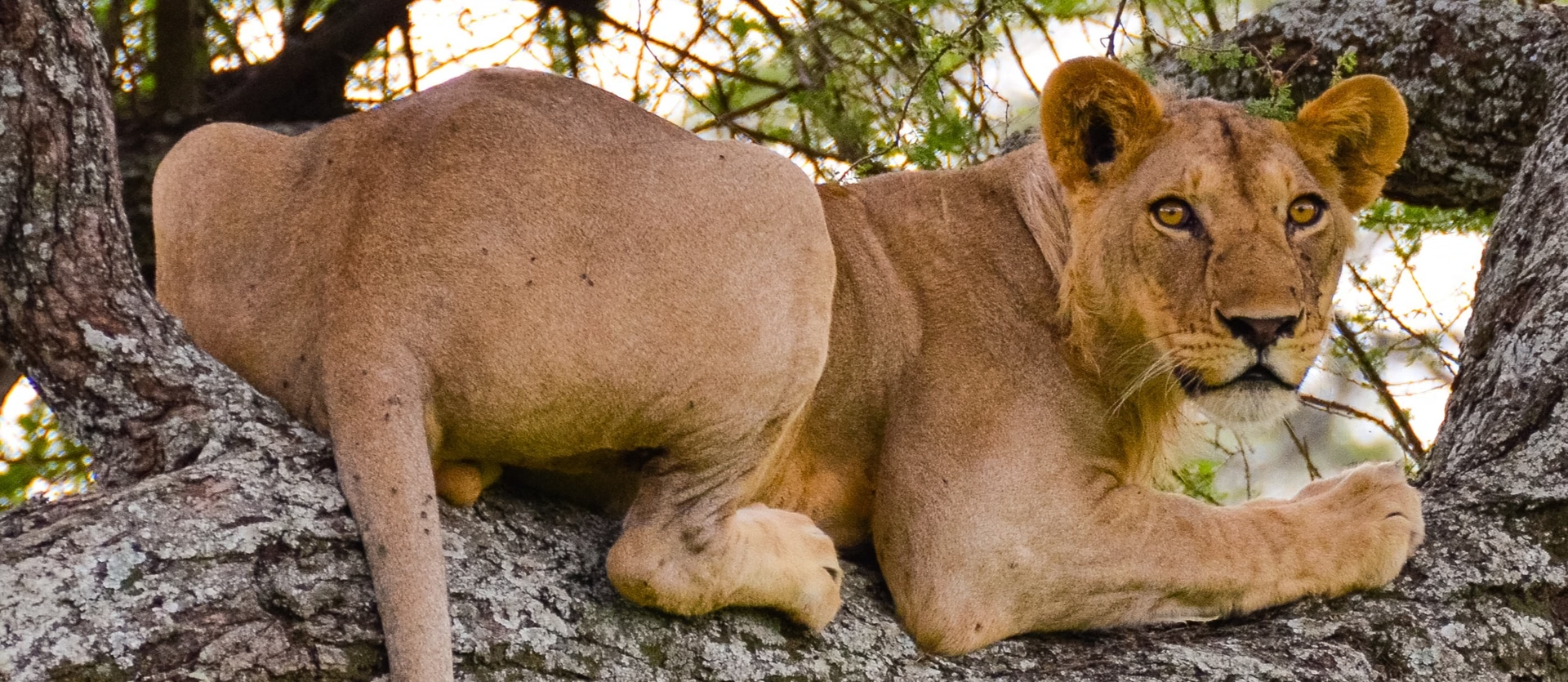
1. Tree-Climbing Lions
Lake Manyara is widely known for its tree-climbing lions.
These lions have been observed resting on branches above the ground, a behaviour associated with a limited number of African wildlife destinations.
Visitors sometimes find lions resting in large trees or moving through the surrounding woodland.
Why Do Lions Climb Trees?
There is no single confirmed explanation for every instance of tree climbing.
Possible reasons include avoiding insects, finding comfortable resting positions and taking advantage of cooler conditions.
Individual lions may also become accustomed to climbing.
However, not every lion in the park displays this behaviour.
Can You Easily See Tree-Climbing Lions?
Tree-climbing lions are difficult to predict.
You might encounter one during a game drive, but many visitors leave without seeing them.
Dense vegetation can make sightings challenging.
An experienced guide may examine suitable trees and surrounding habitats, although success depends on the animals’ movements.
Avoid booking a safari based on guaranteed tree-climbing lion sightings.
2. African Elephants
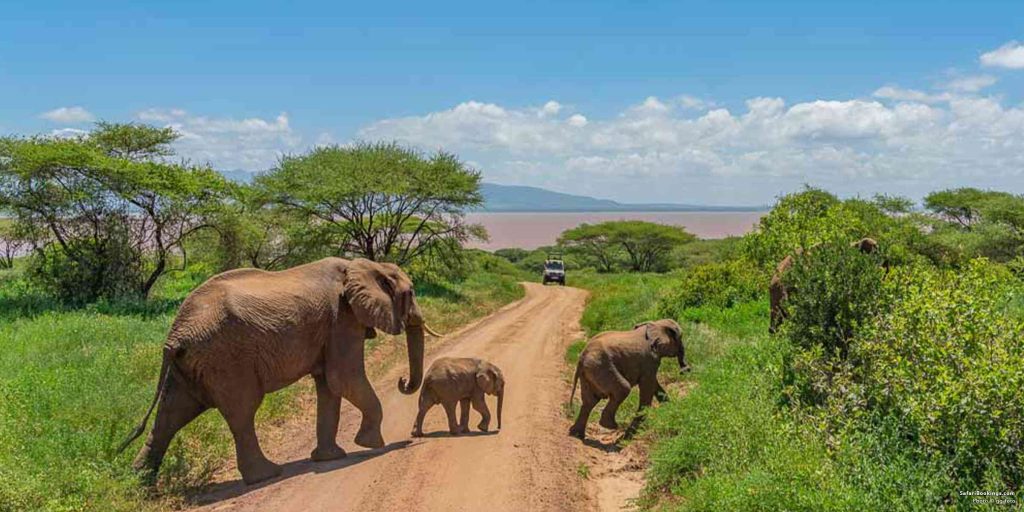
Elephants are among the main wildlife attractions in Lake Manyara National Park.
The park’s groundwater forest and woodland habitats provide feeding areas and shelter.
Visitors may encounter individuals, small groups or elephant families.
What Can You Observe?
Elephants spend considerable time feeding on vegetation.
You may see them removing branches, walking between habitats or interacting with young calves.
Family groups often travel together, with adults maintaining contact with younger animals.
Watching this behaviour provides an interesting experience, particularly when your guide explains elephant communication.
Where to Find Elephants
Elephants can occur throughout suitable forest and woodland habitats.
Some encounters happen near established game-drive roads.
Always maintain a safe distance and avoid blocking animal movements.
3. Olive Baboons
Olive baboons are among the easiest mammals to observe at Lake Manyara.
Large troops inhabit forested areas and frequently move near park roads.
Their social behaviour makes them interesting to watch.
You may observe grooming, feeding, playing and interactions between adults and younger animals.
What Should Visitors Know?
Baboons are intelligent animals that can become interested in food.
Keep vehicle windows appropriately secured when necessary and never offer them anything to eat.
Feeding wildlife encourages dangerous behaviour and can affect animal health.
Photograph baboons without attempting to attract their attention.
4. Blue Monkeys
Blue monkeys are another important primate species in Lake Manyara.
Despite their name, their coats are not bright blue. They generally have greyish colouring and distinctive facial features.
They inhabit the groundwater forest, where trees provide food and protection.
Visitors may see them moving through branches or feeding among leaves.
Because they spend considerable time above ground, binoculars can help you observe them.
5. Giraffes in Lake Manyara
Giraffes can be encountered in suitable woodland and open habitats.
They feed on leaves and other vegetation, using their long necks to reach higher branches.
Their movements are generally calm, making them attractive subjects for photography.
Best Places to Look
Your guide may search woodland edges and open grassland areas.
However, giraffes move according to available food and local conditions.
If you encounter a giraffe feeding, allow enough time to observe its behaviour.
Avoid requesting that your driver approach too closely.
6. African Buffaloes
African buffaloes inhabit Lake Manyara’s grasslands, woodland and wetland environments.
They may appear individually or in groups.
Visitors sometimes observe buffaloes grazing, resting or moving towards suitable water sources.
Are Buffaloes Dangerous?
Buffaloes are powerful wild animals.
They can become dangerous when disturbed, particularly if they feel threatened.
Never approach them on foot during ordinary game drives.
Follow your guide’s instructions and remain inside the vehicle unless stopping is specifically permitted.
7. Hippos at Lake Manyara
Hippos occur in suitable wetland habitats within Lake Manyara National Park.
They spend much of the day in water, helping protect their skin from the sun.
Visitors may see their heads above the surface or observe several animals resting together.
Where Can You See Hippos?
Hippos may be visible in recognised pools and wetland areas.
Your guide can select authorised viewing locations.
Hippos can move quickly and are dangerous when approached.
Never walk towards them or stand between a hippo and the water.
8. Impalas, Bushbucks and Other Antelopes
Several antelope species occur in Lake Manyara.
They occupy different habitats according to their feeding requirements.
Impalas
Impalas are commonly associated with woodland edges and suitable open vegetation.
You may encounter groups feeding or resting together.
Males are recognisable by their curved horns.
Bushbucks
Bushbucks prefer dense vegetation and forest habitats.
Their colouring helps them remain concealed among trees and shrubs.
They can be difficult to photograph because they often stay near cover.
Waterbucks
Waterbucks may occur around suitable wetland and riverine habitats.
They are relatively large antelopes and are often associated with areas close to water.
9. Leopards and Other Predators
Leopards occur in Lake Manyara but are rarely encountered during ordinary daytime game drives.
They are solitary animals that use vegetation and trees for cover.
Their spotted coats make them difficult to locate.
Can You See Hyenas?
Spotted hyenas may also occur in suitable habitats.
However, encounters are unpredictable.
If seeing multiple predator species is your main safari objective, consider combining Lake Manyara with Ngorongoro or Serengeti.
Birdlife at Lake Manyara National Park
Birdwatching is one of Lake Manyara’s strongest attractions.
The park supports waterbirds, forest birds, grassland species and birds of prey.
You can enjoy birdwatching during normal game drives or arrange a more specialised excursion.
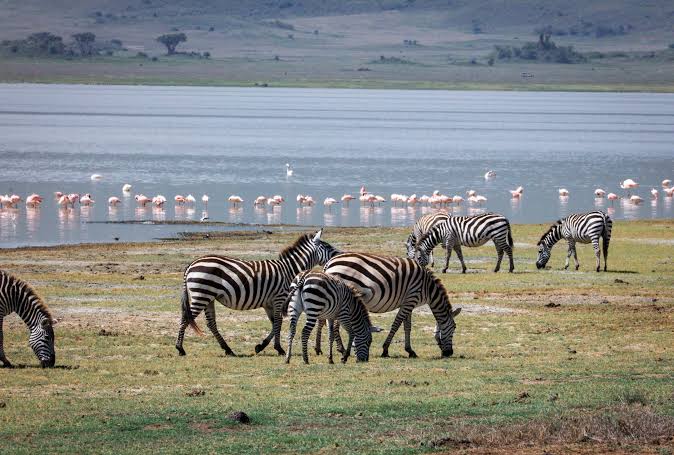
Flamingos
Greater and lesser flamingos can occur around Lake Manyara.
Their numbers vary depending on water levels, salinity and available food.
Large concentrations may appear under suitable conditions, but sightings are not guaranteed.
Visitors should request recent information if flamingos are a priority.
Other Birds to Look For
Notable groups include:
- Pelicans
- Herons
- Egrets
- Storks
- Kingfishers
- Hornbills
- Cormorants
- Eagles
- Vultures
- Various ducks and waterbirds
Early morning often provides comfortable birdwatching conditions.
Carry binoculars and a camera with a longer lens if you want detailed photographs.
Where to See Wildlife in Lake Manyara
Different parts of the park provide opportunities to observe different animals.
Groundwater Forest
This habitat is particularly suitable for observing baboons, blue monkeys, elephants and forest birds.
Tall trees and dense vegetation create shaded conditions.
However, animals may be partly hidden among leaves.
Open Grasslands
Open areas provide opportunities to observe giraffes, buffaloes, impalas and other grazing animals.
Visibility can be better than inside dense forest.
Lake Shoreline and Wetlands
Wetland habitats attract waterbirds and support hippos in suitable locations.
Access depends on seasonal water levels and park regulations.
Woodland Areas
Woodlands support elephants, antelopes, birds and occasionally predators.
Your guide may spend time examining trees for wildlife.
Best Time to See Wildlife at Lake Manyara
Lake Manyara offers wildlife viewing throughout the year.
However, seasonal changes influence visibility and animal distribution.
| Season | Months | General Wildlife Conditions |
|---|---|---|
| Main dry season | June–October | Often comfortable game-drive conditions |
| Short rains | November–December | Greener vegetation and variable wildlife distribution |
| Relatively dry period | January–February | Suitable wildlife viewing |
| Main rainy season | March–May | Dense greenery and possible road difficulties |
Dry-Season Wildlife Viewing
The main dry season is popular for Tanzania safaris.
Some vegetation becomes less dense, although Lake Manyara’s groundwater forest remains relatively green.
Wildlife can still be difficult to locate in wooded habitats.
Green-Season Wildlife Viewing
During wetter months, the park becomes greener.
Birdwatching can be rewarding, particularly when seasonal species are present.
However, heavy rainfall may affect road conditions and access to certain areas.
How Long Do You Need for Wildlife Viewing?
A full-day safari is sufficient to enjoy several of Lake Manyara’s main habitats.
However, visitors interested in photography or birdwatching may prefer two days.
A longer visit provides more opportunities to observe wildlife without rushing.
Suggested Wildlife Viewing Plan
Morning: Begin in the groundwater forest, looking for baboons, blue monkeys and elephants.
Late morning: Continue towards woodland and grassland habitats, searching for giraffes, buffaloes and antelopes.
Afternoon: Explore authorised wetland viewpoints and look for waterbirds and hippos.
Wildlife movements and road conditions may require your guide to adjust this plan.
Practical Tips for Better Wildlife Sightings
Start your game drive early when temperatures are generally cooler.
Carry binoculars to identify distant animals and birds.
Wear comfortable clothing and bring drinking water.
Allow time to observe animal behaviour rather than constantly moving between locations.
Keep conversations quiet when watching sensitive wildlife.
Never feed animals or leave your vehicle in unauthorised areas.
A knowledgeable guide can help identify species and explain their behaviour.
Frequently Asked Questions
What Animals Are Most Common in Lake Manyara?
Baboons, blue monkeys, elephants, impalas and several other mammals are regularly encountered in suitable habitats.
Can You See Lions in Lake Manyara?
Yes. Lions inhabit the park, but sightings are unpredictable. Tree-climbing behaviour is particularly difficult to guarantee.
Are There Elephants in Lake Manyara?
Yes. Elephants are among the park’s main wildlife attractions and may be encountered in forest and woodland areas.
Can You See the Big Five?
Lake Manyara is not a reliable destination for seeing all five species. If completing the Big Five is important, plan a wider safari itinerary.
Is Lake Manyara Good for Birdwatching?
Yes. Its varied habitats support numerous birds, including flamingos, pelicans, storks and forest species.
Lake Manyara National Park offers an interesting wildlife experience because of its combination of forest, grassland, wetland and lake habitats.
Visitors have opportunities to observe elephants, baboons, blue monkeys, giraffes, buffaloes, hippos and many bird species.
Although tree-climbing lions remain a famous attraction, sightings cannot be guaranteed.
For a rewarding safari, spend enough time exploring different habitats and consider combining Lake Manyara with Tarangire or Ngorongoro for additional wildlife experiences.