Exploring Tarangire National Park: A Complete Visitor’s Guide
Tarangire National Park is one of Tanzania’s most rewarding safari destinations, famous for its large elephant herds, ancient baobab trees and beautiful wildlife landscapes. Located within Tanzania’s northern safari circuit, the park provides excellent opportunities to observe elephants, lions, giraffes, zebras and numerous bird species. Its diverse habitats include open grasslands, seasonal swamps and the Tarangire River, which attracts wildlife during the dry season. This Tarangire National Park guide explains the best time to visit, animals you can see, safari activities, accommodation options and practical information to help you plan an enjoyable Tanzania wildlife holiday.
Where Is Tarangire National Park Located?
Tarangire National Park is located in northern Tanzania, approximately 120 kilometres southwest of Arusha.
The park covers around 2,850 square kilometres and forms an important part of Tanzania’s northern safari circuit.
Its name comes from the Tarangire River, which flows through the protected area and provides an important water source for wildlife.
The park is accessible by road from Arusha, making it suitable for both day trips and longer safari itineraries.
Distance and Travel Time to Tarangire
| Starting Point | Approximate Driving Time |
|---|---|
| Arusha | 2.5–3 hours |
| Lake Manyara area | 1–2 hours |
| Karatu | 2–3 hours |
| Ngorongoro Conservation Area | 2.5–4 hours, depending on starting point |
| Serengeti National Park | Usually requires a long travel day |
Driving times depend on your exact departure point, road conditions and stops along the way.
If you are travelling from Serengeti, consider arranging an overnight stop rather than attempting a rushed journey.
Wildlife in Tarangire National Park
Wildlife viewing is the main attraction in Tarangire.
The park supports a remarkable variety of animals, particularly during the dry season when many species gather around available water.
Elephants in Tarangire National Park
Elephants are among the park’s most famous attractions.
Tarangire supports large elephant populations, and visitors can sometimes observe substantial family groups moving through the grasslands.
During the dry season, elephants frequently gather around the Tarangire River.
You may see adults feeding, young elephants playing or family groups travelling between water and vegetation.
Watching elephants near the park’s large baobab trees provides excellent opportunities for wildlife photography.
However, visitors must maintain a safe distance and avoid blocking elephant movements.
Lions and Other Predators
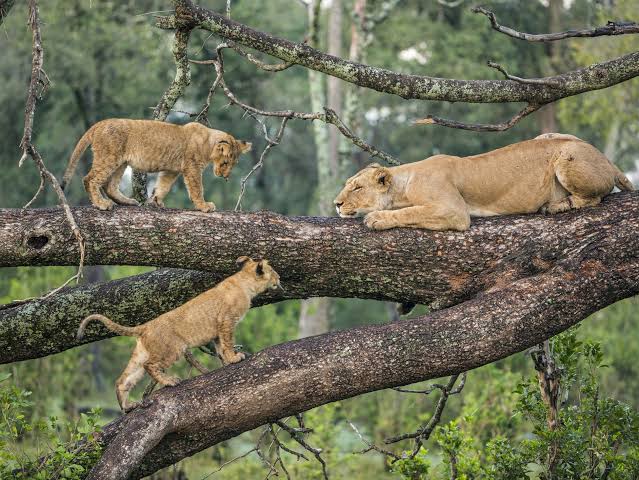
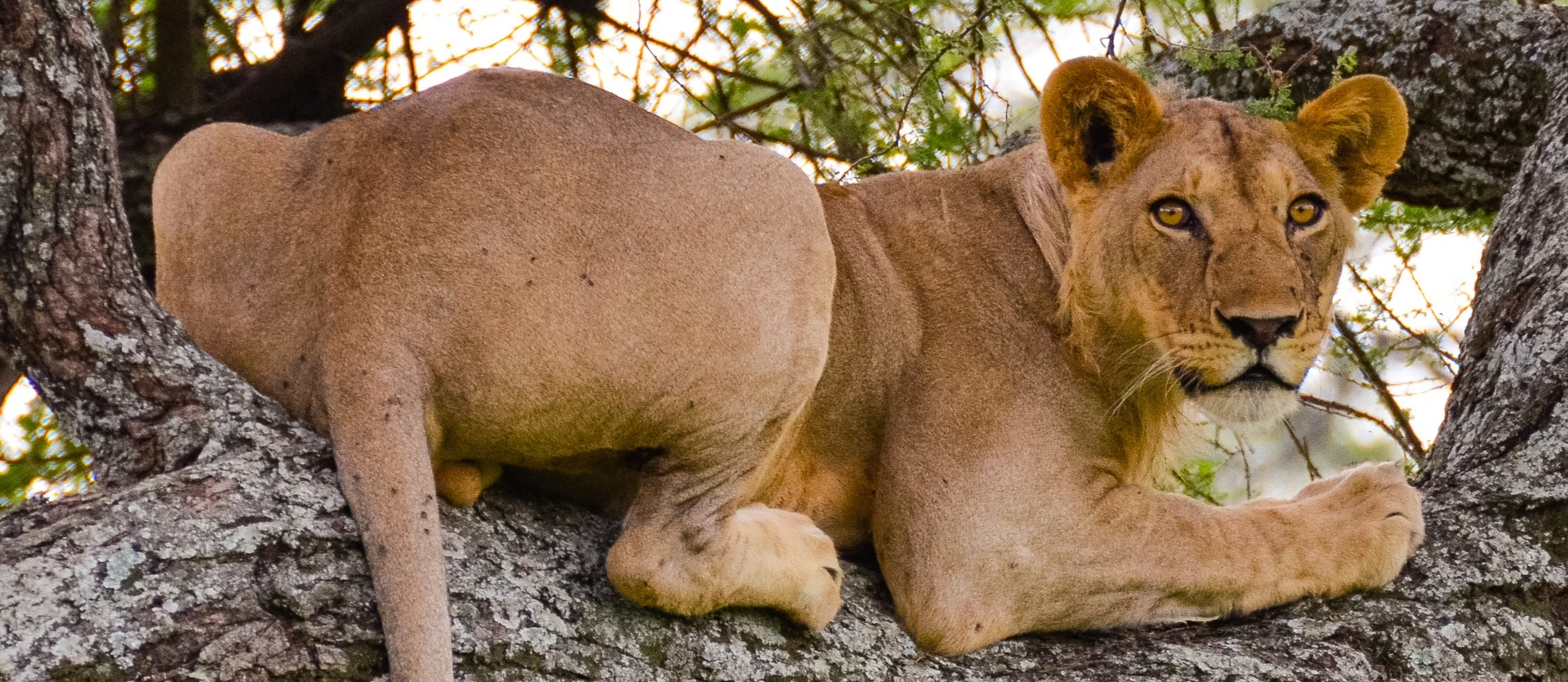
Tarangire is home to lions, which may be seen resting beneath trees, moving through grasslands or watching grazing animals.
Other predators recorded in the wider park include leopards, cheetahs and spotted hyenas.
Predator sightings are less predictable than encounters with common grazing animals.
Your guide’s knowledge of animal behaviour and suitable viewing areas can improve your chances of observing wildlife.
Giraffes, Zebras and Buffaloes
Several large herbivores inhabit Tarangire.
Visitors commonly look for:
- Maasai giraffes
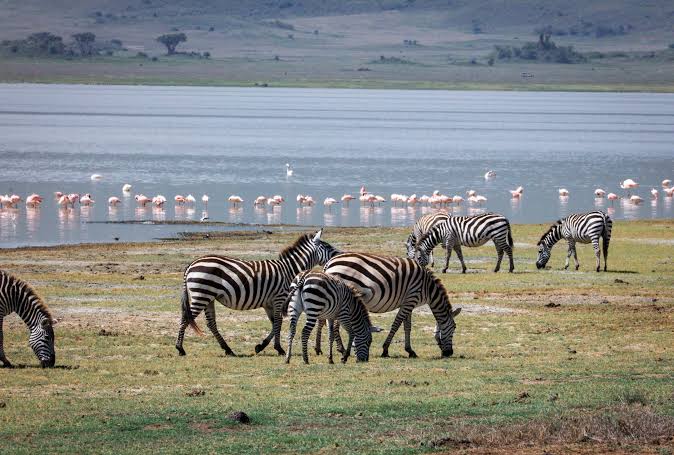
- Plains zebras
- African buffaloes
- Wildebeest
- Impalas
- Waterbucks
- Elands
- Various antelope species
Wildlife distribution changes with rainfall and available vegetation.
Some animals move between Tarangire and surrounding landscapes during different seasons.
Rare and Interesting Wildlife
Tarangire is also associated with species such as greater kudus and fringe-eared oryx, although sightings are uncommon.
These animals are particularly interesting for visitors who have already explored other northern Tanzania parks.
You should allow enough time for game drives rather than expecting to see every species during a short visit.
Birdwatching in Tarangire National Park
Tarangire is an excellent destination for birdwatching.
Its grasslands, river habitats, woodlands and seasonal wetlands support a wide variety of birds.
Visitors may encounter ostriches, hornbills, eagles, storks and many smaller species.
Birds to Look For
Some notable birds include:
- Masai ostriches
- Yellow-collared lovebirds
- Various hornbill species
- Secretarybirds
- Kori bustards
- African fish eagles
- Lilac-breasted rollers
- Vultures
- Storks and herons
- Weaverbirds
Bird sightings depend on habitat, season and weather conditions.
The wetter months can be particularly rewarding for birdwatchers because seasonal visitors may be present and breeding activity increases.
Bring binoculars if you want to appreciate smaller birds or identify species at a distance.
The Famous Baobab Trees of Tarangire
One of Tarangire’s most recognisable features is its impressive population of baobab trees.
These large trees have thick trunks and distinctive branches.
Some are believed to be several centuries old.
Baobabs provide food and shelter for different animals and contribute to the park’s unusual scenery.
Elephants may feed on parts of baobab trees, particularly during periods when other food sources become less available.
For photographers, the combination of elephants, grasslands and mature baobabs creates particularly attractive wildlife scenes.
The best photographs often come during early morning or late afternoon when sunlight is softer.
The Tarangire River and Seasonal Swamps
The Tarangire River plays an important role in the park’s wildlife movements.
During the dry season, water becomes increasingly scarce across the surrounding landscape.
Many animals move towards the river and other remaining water sources.
This concentration can make wildlife easier to locate.
Why the Dry Season Attracts Wildlife
As seasonal water sources disappear, elephants, zebras, wildebeest and buffaloes travel towards reliable water.
Predators may also follow areas where grazing animals gather.
However, wildlife movements vary between years.
The river’s condition, rainfall patterns and surrounding vegetation all influence animal distribution.
Seasonal Swamps
Tarangire also contains extensive seasonal swamp habitats.
These areas support birds and other wildlife.
During wetter months, some sections become difficult to access, while surrounding vegetation grows thicker.
Ask your safari operator which routes are suitable during your travel dates.
Best Time to Visit Tarangire National Park
Tarangire can be visited throughout the year, but wildlife viewing changes significantly between seasons.
Tarangire Safari Seasons
| Period | General Conditions | Safari Experience |
|---|---|---|
| January–February | Often relatively dry | Good wildlife viewing in suitable areas |
| March–May | Main rainy period | Green landscapes and quieter conditions |
| June–October | Main dry season | Strong opportunities for wildlife concentrations |
| November–December | Short rains are common | Greener scenery and changing animal distribution |
These are broad seasonal patterns rather than guarantees.
June to October: Main Dry Season
The main dry season is particularly popular for safaris in Tarangire.
As water becomes scarce outside the park, large numbers of animals may gather around the river.
This is often the best period for observing elephant herds and other large mammals.
However, accommodation can become more expensive during busy travel months.
Book early if you are planning a safari between July and September.
November to May: Greener Season
Rainfall transforms parts of Tarangire into greener landscapes.
Birdwatching can be rewarding, and some accommodation providers offer different seasonal rates.
Wildlife may become more widely dispersed because water is available in additional locations.
Heavy rainfall can also affect road conditions and accessibility.
Safari Activities in Tarangire National Park
1. Wildlife Game Drives
Game drives are the most common safari activity in Tarangire.
Visitors explore designated park roads using suitable safari vehicles.
Morning and afternoon drives often provide good opportunities for wildlife observation.
An experienced guide can help identify animals and explain their behaviour.
2. Full-Day Safari Excursions
A full-day game drive allows you to explore more of the park.
You can visit different habitats and spend additional time observing wildlife.
Your guide may arrange a packed lunch so you can remain inside the park during the middle of the day.
This option works particularly well if you have limited time but want a thorough wildlife experience.
3. Guided Walking Safaris
Authorised guided walking experiences may be available through approved arrangements.
These activities focus on smaller details that visitors often overlook during vehicle safaris.
You may learn about animal tracks, vegetation and the surrounding environment.
Walking safaris must follow park regulations and appropriate safety procedures.
4. Birdwatching Excursions
Birdwatching can be included during ordinary game drives or arranged with a specialist guide.
Visitors interested in photography should explain their preferences before departure.
This helps the guide plan appropriate stops and viewing opportunities.
5. Hot-Air Balloon Safaris
Balloon safaris may be available through authorised operators.
These activities provide aerial views of the landscape and wildlife habitats.
Availability, departure points and operating conditions should be confirmed before booking.
How Many Days Do You Need in Tarangire?
The ideal duration depends on your wildlife interests and overall Tanzania safari itinerary.
| Duration | Suitable For | Recommended Experience |
|---|---|---|
| 1 day | Visitors with limited time | Main game drive routes |
| 2 days | First-time safari travellers | More relaxed wildlife viewing |
| 3 days | Wildlife photographers | Extended time in different habitats |
| 4 days or more | Dedicated nature enthusiasts | Slower exploration and specialist activities |
A one-day safari is possible from Arusha.
However, two days generally provide a more comfortable experience because you can spend longer observing wildlife without rushing.
Suggested 2-Day Tarangire Safari
Day 1: Arusha to Tarangire National Park
Leave Arusha in the morning and travel towards Tarangire.
The journey normally takes approximately two and a half to three hours.
Enter the park and begin your wildlife game drive.
Look for elephants, giraffes, zebras and other animals along accessible routes.
Enjoy a packed lunch at a designated picnic area.
Continue with afternoon wildlife viewing before travelling to your lodge or tented camp.
Dinner and overnight accommodation follow.
Day 2: Morning Game Drive and Departure
Begin your morning with breakfast before returning to the park or continuing your game drive, depending on your accommodation arrangements.
Explore another suitable wildlife area.
Your guide may focus on the river, woodland or open grassland habitats.
After the morning activities, continue towards Arusha, Lake Manyara or your next safari destination.
Allow sufficient travel time if you have an onward flight.
Where to Stay Near Tarangire National Park
Tarangire offers accommodation options for different budgets and travel preferences.
Some properties are located inside the national park, while others sit outside its boundaries.
Accommodation Categories
| Accommodation Type | Main Features | Suitable For |
|---|---|---|
| Luxury safari lodges | Comfortable rooms and extensive facilities | Luxury travellers |
| Tented safari camps | Canvas accommodation close to nature | Safari enthusiasts |
| Mid-range lodges | Comfortable rooms and standard services | Families and couples |
| Budget campsites | Basic facilities | Budget-conscious visitors |
| Lodges outside the park | Different price and location options | Flexible itineraries |
Staying Inside Tarangire
Accommodation inside the park can reduce travel time between your room and wildlife-viewing areas.
Some properties offer attractive views of the surrounding landscapes.
However, park fees and accommodation charges may be higher.
Staying Outside the Park
Lodges outside the park may provide a wider range of prices.
They can also work well for travellers combining Tarangire with Lake Manyara or other nearby destinations.
Before booking, confirm how far the property is from the park entrance.
Tarangire National Park Entrance Fees
Entrance charges depend on nationality or residency category, age and the applicable Tanzania National Parks regulations.
Additional charges may apply for vehicles, accommodation, camping or specialised activities.
Fees can change, so travellers should confirm the current official tariffs before travelling.
If you are booking through a safari operator, request a clear explanation of what the package includes.
Common Safari Expenses
- National park entry fees
- Safari vehicle and fuel
- Professional driver-guide
- Accommodation
- Meals and drinking water
- Optional activities
- Tips and personal expenses
A complete quotation will help you avoid unexpected charges.
What to Pack for Tarangire National Park
Packing suitable clothing and equipment will make your safari more comfortable.
Recommended items include:
- Lightweight shirts and trousers
- Comfortable closed shoes
- Warm jacket for early mornings
- Sun hat
- Sunglasses
- Sunscreen
- Binoculars
- Camera
- Refillable water bottle
- Personal medication
- Insect repellent
Neutral-coloured clothing is practical for safari travel.
You should also carry a small day bag for items needed during game drives.
Practical Tarangire Safari Tips
Start Game Drives Early
Morning wildlife activities can be particularly rewarding because temperatures are generally cooler.
Some animals become less active during the hottest part of the day.
Respect Wildlife
Always remain inside your safari vehicle unless your guide confirms that stopping or exiting is permitted.
Do not feed animals or approach them for photographs.
Keep a safe distance from elephants, particularly family groups with young calves.
Choose Suitable Accommodation
Consider how much time you want to spend inside the park.
Staying far from the entrance can increase daily driving time.
Travel With an Experienced Guide
A knowledgeable guide can identify wildlife, explain animal behaviour and select suitable routes.
Professional guiding also improves safety during wildlife encounters.
Combining Tarangire With Other Tanzania Destinations
Tarangire fits naturally into Tanzania’s northern safari circuit.
Lake Manyara National Park
Lake Manyara is known for its varied habitats, birdlife and attractive Rift Valley scenery.
It can be combined with Tarangire during a multi-day safari.
Ngorongoro Conservation Area
Ngorongoro offers opportunities for wildlife viewing within the famous crater.
Travellers commonly combine Tarangire, Lake Manyara and Ngorongoro in a four- to six-day itinerary.
Serengeti National Park
Serengeti is suitable for visitors interested in extensive savannah landscapes and large wildlife populations.
Combining it with Tarangire allows travellers to experience different habitats within one safari.
However, you should allow enough days for the substantial travel distances.
Frequently Asked Questions About Tarangire National Park
Is Tarangire National Park Worth Visiting?
Yes. Tarangire is particularly rewarding for elephant viewing, baobab landscapes and varied wildlife habitats.
What Animals Can You See in Tarangire?
Visitors may see elephants, lions, giraffes, zebras, buffaloes, wildebeest and many antelope species. Predator sightings are unpredictable.
What Is Tarangire Famous For?
Tarangire is famous for its large elephant herds, ancient baobab trees and dry-season wildlife concentrations around the Tarangire River.
Can You Visit Tarangire in One Day?
Yes. A day trip from Arusha is possible, although an overnight safari provides more time for wildlife viewing.
Is Tarangire Better Than Serengeti?
Both parks offer rewarding but different experiences. Tarangire is particularly associated with elephants and baobabs, while Serengeti is known for its extensive plains and large wildlife populations.
Is Tarangire Suitable for Families?
Yes. Families can enjoy guided game drives and comfortable safari accommodation. Choose travel arrangements suited to the children’s ages and attention spans.
Tarangire National Park is an excellent addition to a Tanzania safari, particularly for visitors interested in elephants, wildlife photography and varied natural landscapes.
Its combination of the Tarangire River, ancient baobab trees and extensive wildlife habitats creates memorable game-viewing opportunities.
Although the main dry season often provides strong wildlife viewing, the park remains attractive throughout the year.
For a rewarding first visit, consider spending at least two days in Tarangire before continuing towards Lake Manyara, Ngorongoro or Serengeti National Park.