Kilimanjaro Porter Tipping Guide: How Much and How to Pay
Tipping is an important part of climbing Mount Kilimanjaro in Tanzania. Every successful mountain expedition depends on a team of guides, porters, cooks and other support staff who transport equipment, prepare meals, organise camps and assist climbers throughout the journey. Understanding how tipping works helps you budget properly and ensure that your contribution reaches the people who supported your climb.
This Kilimanjaro porter tipping guide explains how much to tip, how to calculate the total amount and how to distribute money fairly among crew members.
Tipping is customary on Kilimanjaro, although the amount depends on your climbing operator, group size, route duration and number of support staff.
A transparent tipping arrangement is particularly important because porters perform physically demanding work at high altitude.
Before booking, ask your operator about crew wages, working conditions and tipping procedures.
Why Are Tips Important on Kilimanjaro?
Kilimanjaro climbing requires considerable logistical support.
Porters transport food, camping equipment, cooking supplies and personal luggage between mountain camps.
Guides manage trekking schedules, monitor climbers and make important safety decisions.
Cooks prepare meals under challenging mountain conditions.
Although responsible operators should pay their staff appropriate wages, tipping remains a customary addition to crew earnings.
The Kilimanjaro Porters Assistance Project, commonly known as KPAP, promotes fair treatment, transparent tipping and responsible employment practices.
Tips should supplement wages rather than replace an operator’s responsibility to pay staff properly.
Travellers should therefore consider both the tipping system and the operator’s employment standards.
How Much Should You Tip Kilimanjaro Porters?
Tipping recommendations vary between climbing companies.
The following figures represent commonly suggested planning ranges rather than compulsory official rates.
Suggested Daily Tipping Amounts
| Crew member | Suggested daily tip | Payment basis |
|---|---|---|
| Lead mountain guide | $20–$30 | Per guide, from the whole group |
| Assistant guide | $15–$25 | Per assistant, from the whole group |
| Mountain cook | $12–$20 | Per cook, from the whole group |
| General porter | $8–$12 | Per porter, from the whole group |
| Specialised porter | $10–$15 | Per worker, from the whole group |
Important: These amounts are generally calculated for each crew member per day and contributed collectively by the climbing group.
For example, if two travellers are sharing one guide, they do not each need to pay the guide’s full daily amount.
Instead, they divide the total contribution between themselves.
Your operator should provide a crew list and recommended budget before departure.
Kilimanjaro Porter Tipping Guide: Example Calculation
Consider two climbers completing a seven-day Machame Route expedition.
Their climbing team includes:
- One lead guide.
- One assistant guide.
- One cook.
- Eight porters.
Suppose the group chooses the following daily amounts:
| Crew position | Number | Daily tip per person | Seven-day total |
|---|---|---|---|
| Lead guide | 1 | $25 | $175 |
| Assistant guide | 1 | $20 | $140 |
| Cook | 1 | $15 | $105 |
| Porters | 8 | $10 | $560 |
| Total | 11 | $980 |
The group’s total tipping budget would be $980.
Divided equally between two climbers, this becomes $490 per person.
This calculation is an example, not a fixed price.
The actual amount will change if your expedition has more guides, additional porters or a different number of climbing days.
How Many Porters Will You Have?
The number of porters depends on several factors.
These include the number of climbers, route duration, equipment requirements and accommodation arrangements.
Camping routes often require more equipment than the Marangu Route, where climbers normally use permanent huts.
A private climb may also require a larger support team per traveller than a group expedition.
Some expeditions include specialised staff responsible for additional duties.
Ask your operator for a confirmed list of crew members before beginning the climb.
This will help you calculate tips accurately and avoid confusion during distribution.
Do You Tip Every Day or After the Climb?
Most Kilimanjaro climbers provide tips at the end of the expedition.
The total amount is normally calculated according to the number of days each crew member worked.
For example, a porter working throughout a seven-day trek would usually be included for seven days.
Acclimatisation days count because the crew continues providing services.
Hotel nights before and after the climb are generally excluded from mountain tipping calculations.
Your operator should explain the exact procedure during the pre-climb briefing.
Prepare the money before starting your trek so you are not searching for cash after descending.
How to Pay Kilimanjaro Porters Fairly
Transparent distribution is one of the most important parts of the tipping process.
A traveller may hand over a large amount of money without knowing whether each worker receives the intended share.
Responsible operators should use a clear procedure that allows the crew to understand the amounts being distributed.
Pay Crew Members Directly
One approach is to prepare individual envelopes.
Write each worker’s name, position and tip amount on the envelope.
At the end of the climb, give the envelope directly to the intended recipient.
This approach helps ensure that each worker receives the correct amount.
It also provides an opportunity to thank individual crew members.
Use a Transparent Group Distribution
Some companies organise a tipping ceremony.
During this process, the climbers announce the total contribution and explain how it will be divided.
The information should be communicated clearly in English and Swahili so the crew understands the arrangement.
A written record can help prevent disagreements.
If the lead guide distributes the money, ask for a transparent breakdown before handing it over.
What Currency Should You Use?
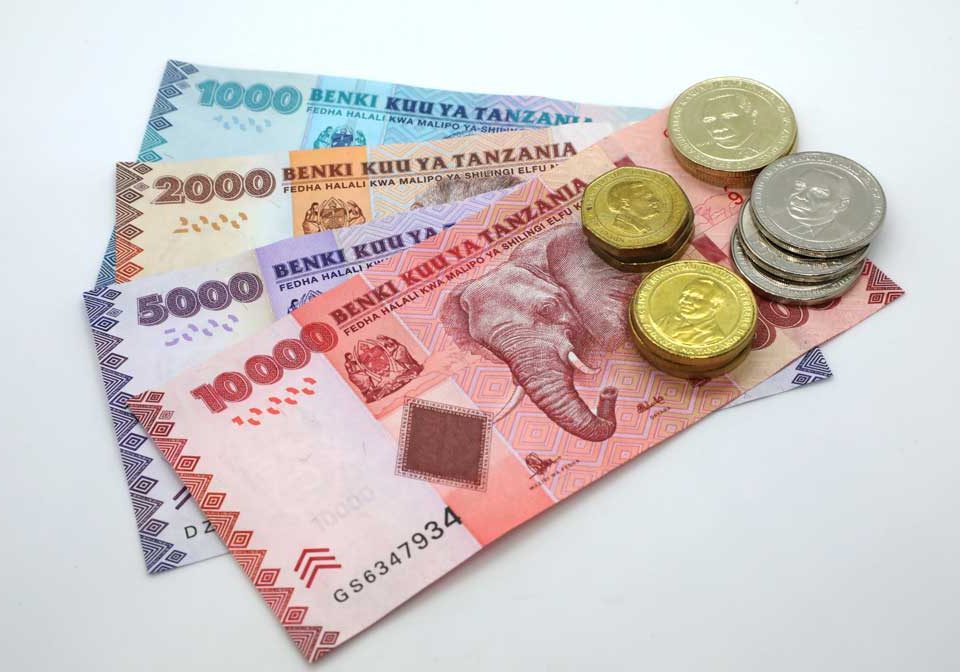
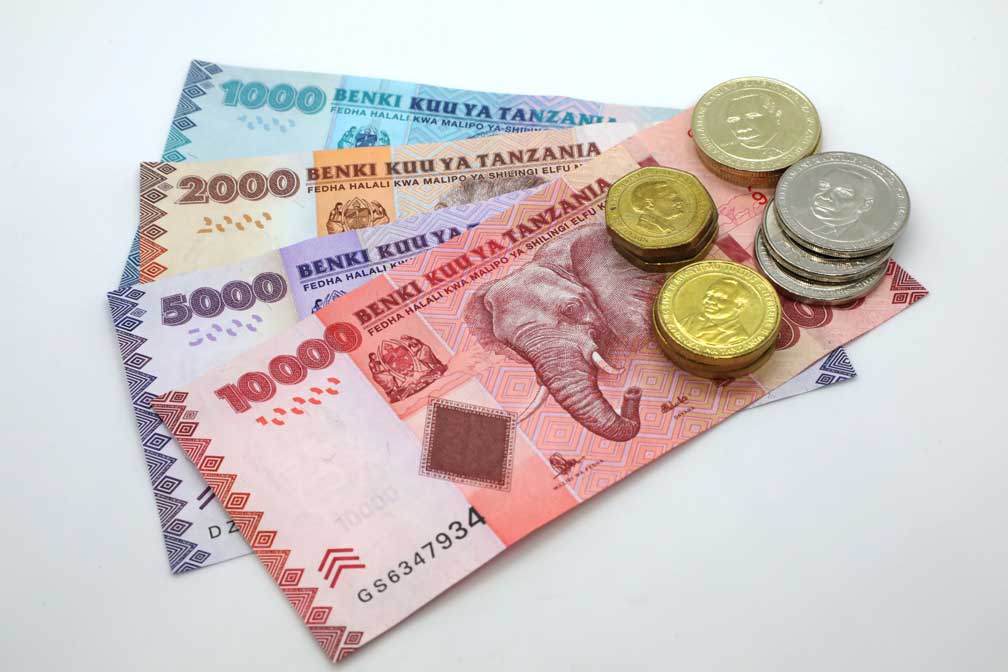
US dollars and Tanzanian shillings are commonly used for tipping on Kilimanjaro.
Before travelling, ask your operator which currency is preferred.
If using US dollars, carry clean notes in good condition.
Damaged or heavily marked foreign banknotes may be difficult to exchange locally.
Tanzanian shillings can also be convenient because crew members use the local currency for everyday expenses.
Avoid assuming that international bank transfers or mobile payments will be suitable for every worker.
Cash distribution is often the simplest option, provided it is organised securely.
Should Guides Receive More Than Porters?
Tipping recommendations commonly assign different amounts according to crew responsibilities.
A lead guide oversees the expedition, manages the climbing team and makes important safety decisions.
Assistant guides support trekkers and help monitor their condition.
Cooks manage meal preparation throughout the journey.
Porters carry essential supplies and perform physically demanding work.
Although guide recommendations are often higher, porters should receive a fair contribution.
Do not concentrate the entire tipping budget on the lead guide while overlooking the remaining staff.
What About Specialised Porters?
Some climbing teams include workers with additional responsibilities.
Examples include:
- Summit porters.
- Toilet porters.
- Camp assistants.
- Dining tent attendants.
- Equipment specialists.
These workers may perform duties beyond those of general luggage porters.
Some operators recommend a slightly higher contribution for specialised positions.
Ask for the actual responsibilities and crew structure before deciding the distribution.
Avoid paying the same worker twice under different job titles.
When Should You Prepare Your Tipping Money?
Prepare your tipping budget before leaving Moshi or Arusha.
Your climbing operator should explain:
- The expected number of crew members.
- The recommended daily amounts.
- The number of payable trekking days.
- The preferred currency.
- The method of distribution.
Keep the money in a secure, waterproof location.
Do not leave large amounts of cash loose inside your luggage.
If several climbers are sharing the cost, appoint one person to organise the group’s contributions.
Record the amount collected from each participant.
How Much Should Solo Climbers Budget?
Solo climbers generally face a higher tipping cost per person because they cannot divide shared crew expenses among several travellers.
A private expedition still requires guides, cooking arrangements and equipment transport.
Therefore, tipping costs do not decrease in direct proportion to the number of climbers.
Ask for an individual crew estimate before booking.
Do not rely on a generic per-person tipping figure if you are travelling alone.
Can You Give Equipment Instead of Money?
Some climbers wish to donate clothing or trekking equipment to crew members.
Useful items may include suitable jackets, gloves, backpacks and other mountain equipment.
However, equipment should not automatically replace a monetary tip.
Crew members need income for everyday household expenses.
If you want to donate an item, ask whether it is wanted and suitable.
Make the donation separately from the agreed tipping arrangement.
Choosing an Operator That Treats Porters Fairly
Tipping alone does not guarantee responsible employment conditions.
A company may recommend generous tips while paying inadequate wages.
Before booking, ask whether the operator follows recognised porter welfare standards.
Important questions include:
- Are porters paid appropriate wages?
- Do workers receive meals during the climb?
- Is suitable mountain clothing provided?
- Are luggage weight limits respected?
- Do porters have adequate shelter?
- Is the tipping process transparent?
- Are crew members paid promptly?
Operators participating in recognised responsible trekking programmes may undergo monitoring of working conditions.
Avoid choosing a company solely because it offers the lowest climbing price.
Common Tipping Mistakes to Avoid
One frequent mistake is failing to confirm the crew size.
Travellers may arrive at the end of a trek with insufficient money because they underestimated the number of workers.
Another mistake is assuming that a quoted tip represents the amount each climber must pay separately.
Always confirm whether figures apply to the whole group.
You should also avoid handing over unrecorded money without understanding the distribution process.
Finally, do not exclude workers who provided essential services simply because you interacted with them less frequently.
Frequently Asked Questions
Is tipping compulsory on Kilimanjaro?
Tipping is customary but is generally not a compulsory park fee. Discuss expectations with your operator before booking.
How much should two climbers tip?
The total depends on crew size and trek duration. A seven-day expedition may require several hundred dollars per climber.
Should you tip if you do not reach the summit?
Yes. Crew members still perform their duties even when a summit attempt is unsuccessful.
Can you tip in Tanzanian shillings?
Yes, where accepted by the crew and operator. Confirm the preferred currency beforehand.
When is the best time to distribute tips?
Most groups distribute tips near the end of the expedition, following the company’s agreed procedure.
Practical Planning Advice
Include the tipping budget when comparing Kilimanjaro climbing packages.
Ask for a written crew estimate before paying your booking deposit.
Remember that private climbs and longer itineraries may require higher total contributions.
Prepare small banknotes to make individual distribution easier.
If possible, thank the crew personally during the final ceremony.
Most importantly, choose an operator that pays staff fairly and uses a transparent tipping system.
Tipping is an established part of Kilimanjaro climbing and provides additional income for the people supporting your expedition.
The amount depends on the climbing route, expedition duration, group size and number of crew members.
A clear calculation helps you prepare the correct budget before travelling.
Direct payments or transparent distribution procedures can help ensure that porters, guides and cooks receive their intended contributions.
By planning carefully and choosing a responsible operator, you can support fairer working conditions while enjoying your Kilimanjaro experience.