Materuni Waterfalls and Coffee Tour: A Day Trip from Moshi
Materuni Waterfalls and Coffee Tour is one of the most enjoyable day trips from Moshi, Tanzania. Located in the green foothills of Mount Kilimanjaro, Materuni Village offers beautiful countryside, a forest waterfall, traditional coffee farming and opportunities to learn about Chagga culture. The excursion combines a guided nature walk with a practical introduction to coffee production.
This Materuni Waterfalls coffee tour is particularly suitable for travellers staying in Moshi before or after climbing Kilimanjaro. It also appeals to visitors who want to explore northern Tanzania beyond wildlife safaris.
During the excursion, you can walk through banana and coffee farms, visit a waterfall, participate in coffee preparation and enjoy a traditional meal when included in your programme.
Most tours take approximately five to seven hours, including transport, although the duration depends on your starting point, weather and activities.
Where Is Materuni Waterfalls Located?
Materuni Waterfalls is located near Materuni Village on the southern slopes of Mount Kilimanjaro.
The village lies approximately 15 kilometres from Moshi, although the actual driving distance depends on your departure point.
Travelling from Moshi usually takes around 30 to 45 minutes.
The road climbs through agricultural communities where residents cultivate coffee, bananas and other crops.
As you approach Materuni, the scenery becomes greener and more mountainous.
On clear days, parts of Mount Kilimanjaro may be visible.
Materuni is within convenient reach of Moshi, making it suitable for a morning departure and afternoon return.
What Makes Materuni Special?
Materuni combines natural scenery with agricultural and cultural experiences.
The waterfall attracts visitors interested in walking and photography, while the coffee tour explains an important part of the local economy.
The surrounding community is associated with the Chagga people, who have a long history of farming on Kilimanjaro’s slopes.
A typical visit may include:
- A guided walk to Materuni Waterfalls.
- Views of coffee and banana plantations.
- A traditional coffee-making demonstration.
- Opportunities to learn about local agriculture.
- A village lunch, depending on the package.
- Photography and time to enjoy the countryside.
The experience can be adjusted according to your available time and physical ability.
Materuni Waterfalls and Coffee Tour Itinerary
The following programme provides a realistic example of a full-day excursion from Moshi.
| Time | Activity | What to expect |
|---|---|---|
| 8:30 am | Depart Moshi | Drive towards Materuni Village |
| 9:15 am | Arrive in Materuni | Meet your local guide |
| 9:30 am | Waterfall walk | Explore the countryside trail |
| 10:15 am | Visit the waterfall | Photography and relaxation |
| 11:00 am | Return walk | Walk back towards the village |
| 12:00 pm | Coffee experience | Learn traditional processing methods |
| 1:30 pm | Lunch | Local meal if included |
| 2:30 pm | Return to Moshi | Transfer to your accommodation |
Times are illustrative and may change according to weather, walking pace and the programme arranged by your operator.
Walking to Materuni Waterfalls
The waterfall walk is one of the main activities of the excursion.
Your local guide leads you through the countryside towards the waterfall.
The trail passes farmland, vegetation and sections of uneven ground.
You may observe irrigation channels used by farmers to support agricultural production.
Depending on the season, the surrounding hills can be particularly green.
How Difficult Is the Walk?
The walk is generally manageable for visitors with reasonable mobility.
However, some sections include slopes, stones and muddy ground.
The journey commonly takes approximately 30 to 60 minutes each way, depending on your starting point and walking speed.
Rain can make the trail slippery.
Wear closed shoes with good grip.
If you have difficulty walking on uneven terrain, discuss your needs with the operator before booking.
What Will You See Along the Trail?
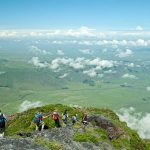
The route provides views of the surrounding highlands.
You may pass coffee trees, banana plantations and small cultivated fields.
Your guide can explain how farming supports local households.
The landscape also provides opportunities for photography.
Avoid entering private farms without permission.
Visiting Materuni Waterfalls
Materuni Waterfalls is surrounded by green vegetation and steep terrain.
Water flows over a rocky cliff into the area below.
The waterfall’s appearance changes depending on rainfall.
After heavy rain, the water volume may increase considerably.
During drier periods, the flow may be less powerful.
You can spend time enjoying the surroundings and taking photographs from suitable viewing points.
Can You Swim at Materuni Waterfalls?
Some excursions include the possibility of swimming in the pool near the waterfall.
However, swimming should never be assumed safe.
Water depth, currents, falling water and slippery rocks can create hazards.
Conditions may become particularly dangerous after heavy rainfall.
Only enter the water when a knowledgeable local guide confirms that conditions are suitable.
Avoid swimming directly beneath strong falling water.
If swimming is permitted, bring suitable clothing and a towel.
Exploring Materuni’s Coffee Farms
Coffee farming is an important part of life in the Kilimanjaro foothills.
The region’s fertile soils and relatively cool highland conditions support coffee cultivation.
A coffee farm visit introduces you to the different stages involved in producing coffee.
The experience is usually organised with a local guide or community host.
Understanding Coffee Cultivation
Your host may explain how coffee trees grow and how farmers care for them.
Coffee cherries develop on the trees before being harvested.
The timing of harvesting depends on the growing season and local conditions.
Visitors travelling outside the harvest period can still learn about coffee cultivation.
Your guide may also explain the importance of agriculture to the local economy.
Traditional Coffee-Making Experience
The coffee-making demonstration is often an interactive part of the tour.
Instead of simply watching, visitors may participate in selected preparation stages.
Removing the Coffee Husks
Your host explains how harvested coffee is processed.
Depending on the demonstration, you may help remove dried outer layers from previously prepared beans.
The method used varies between households and community programmes.
Roasting the Beans
The beans are roasted to develop their familiar flavour and aroma.
Traditional demonstrations may involve roasting in a pan over heat.
Your host explains how the beans change during this stage.
Grinding and Preparing Coffee
After roasting, the beans are ground.
Some demonstrations use traditional wooden equipment.
The ground coffee is then prepared for drinking.
You may finish the experience by tasting freshly made coffee.
Ask questions about the process and the differences between traditional preparation and commercial production.
Learning About Chagga Culture
Materuni Village is associated with the Chagga community.
The Chagga have long practised agriculture on the slopes of Mount Kilimanjaro.
Coffee and banana cultivation remain important in many households.
A guided cultural visit may introduce you to local farming methods, food preparation and community traditions.
Some programmes include explanations of traditional irrigation systems.
Choose activities organised with community participation.
Respect private property and ask permission before photographing residents.
Cultural visits should allow local people to explain their experiences in their own words.
Traditional Lunch in Materuni
Some Materuni tours include a locally prepared lunch.
Meals vary according to the host and available ingredients.
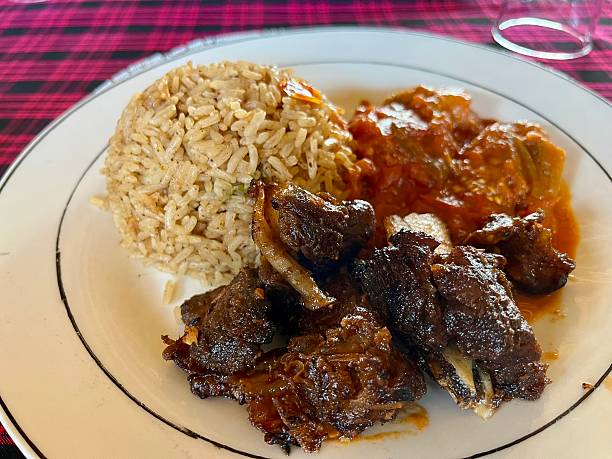
You may be offered rice, beans, vegetables, bananas or other familiar Tanzanian foods.
Before booking, confirm whether lunch is included.
If you have food allergies or dietary restrictions, notify your operator in advance.
Carry drinking water throughout the excursion.
Best Time to Visit Materuni Waterfalls
Materuni can be visited throughout the year.
However, rainfall affects trail conditions and the waterfall’s appearance.
| Period | General conditions | Visiting experience |
|---|---|---|
| January to February | Often relatively dry | Comfortable walking conditions |
| March to May | Main rainy season | Fuller waterfall and muddy trails |
| June to October | Generally drier | Popular for countryside walks |
| November to December | Possible short rains | Green scenery and variable conditions |
The drier months are usually more comfortable for walking.
However, the waterfall may be particularly powerful after rainfall.
If heavy rain is forecast, confirm whether the trail is safe before departure.
What to Pack for Materuni
You do not need specialist mountaineering equipment for a standard Materuni excursion.
However, suitable clothing will make the experience more comfortable.
Bring:
- Comfortable walking shoes with good grip.
- Lightweight clothing.
- A rain jacket.
- Drinking water.
- Sunscreen.
- Insect repellent.
- A camera or mobile phone.
- A small amount of Tanzanian cash.
- Swimwear and a towel if swimming is planned.
A small backpack is useful for carrying your belongings.
Avoid wearing slippery sandals on the waterfall trail.
How Much Does the Tour Cost?
Materuni tour prices vary according to group size, transport arrangements and included services.
A private excursion generally costs more per person than a shared tour.
Before booking, request a clear quotation.
Ask whether the price includes:
- Return transport from Moshi.
- A local guide.
- Waterfall access charges.
- Coffee demonstration.
- Lunch.
- Drinking water.
Do not assume every advertised tour includes the same services.
Confirm the final price before making payment.
Is Materuni Suitable Before Kilimanjaro?
Materuni can be a good activity before climbing Mount Kilimanjaro.
However, avoid exhausting yourself immediately before a demanding trek.
A shorter coffee experience may be more suitable if you are tired after international travel.
If you want to visit the waterfall, allow enough time to rest before your climb begins.
Materuni is not a substitute for a proper high-altitude acclimatisation programme.
Visiting Materuni After Kilimanjaro
Materuni is also popular after completing a Kilimanjaro expedition.
The coffee tour offers a relatively relaxed cultural experience.
However, the waterfall walk may feel demanding if your legs are sore after several days of trekking.
Consider resting in Moshi before arranging another walking activity.
If you are physically exhausted, choose a shorter programme.
Frequently Asked Questions
How far is Materuni from Moshi?
Materuni Village is approximately 15 kilometres from Moshi. The drive commonly takes around 30 to 45 minutes.
How long does the tour take?
Allow approximately five to seven hours for a combined waterfall and coffee experience, including transport.
Is the waterfall hike difficult?
The walk is moderate for many visitors, but slopes and slippery sections can make it challenging.
Can children visit Materuni?
Yes, although parents should consider walking ability and supervise children near water.
Is the coffee tour available throughout the year?
Coffee demonstrations are generally possible throughout the year, although harvesting activities depend on the season.
Combining Materuni With Other Attractions
Materuni can be combined with a longer stay in Moshi.
Travellers may also consider Chemka Hot Springs on a separate day.
If you want to combine both attractions in one day, check driving times and avoid rushing the waterfall walk.
Visitors preparing for Kilimanjaro should prioritise rest and equipment checks.
Materuni Waterfalls and Coffee Tour offers an enjoyable way to explore the countryside surrounding Moshi.
The excursion combines a scenic waterfall walk with practical information about coffee farming and Chagga community life.
You can learn how coffee is produced, observe local agriculture and enjoy the green landscapes of Kilimanjaro’s foothills.
With suitable footwear, reliable transport and a knowledgeable local guide, Materuni makes a worthwhile addition to your northern Tanzania holiday.