Paje Beach and Kitesurfing in Zanzibar: Lessons, Winds, and Seasons
Paje Beach is one of Zanzibar’s most popular destinations for kitesurfing, beach holidays and water sports. Located on the southeastern coast of Unguja Island, Paje attracts travellers with its white sandy beaches, turquoise waters and reliable seasonal winds.
This explains when to visit, how lessons work, what beginners should expect and how wind conditions change throughout the year.
Paje is particularly suitable for learning kitesurfing because parts of its lagoon provide relatively shallow water and open space. Experienced riders also visit for freestyle practice and longer sessions when conditions are suitable.
Beyond kitesurfing, the village offers beachfront restaurants, accommodation, local cultural experiences and opportunities to explore Zanzibar’s coastline.
Whether you are planning your first lesson or returning to improve your skills, understanding the wind seasons and tides will help you organise your holiday.
Where Is Paje Beach?
Paje Beach lies on the southeastern coast of Zanzibar’s main island, Unguja.
It is approximately 50 kilometres from Stone Town, depending on your starting point and chosen road.
The drive from Abeid Amani Karume International Airport generally takes around one hour, although traffic can increase the journey time.
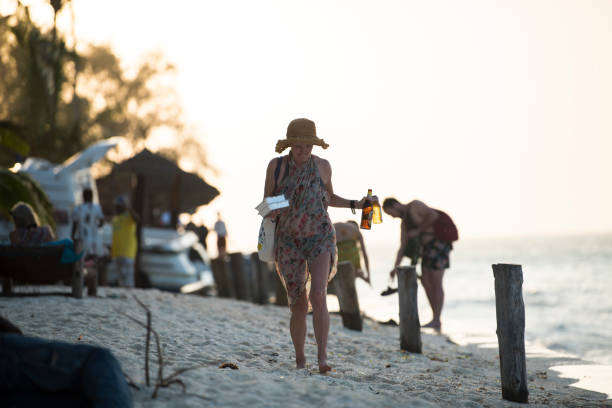
Paje is known for its long sandy shoreline, beachfront accommodation and established kitesurfing schools.
The village combines local residential areas with restaurants, guesthouses, hotels and water-sports businesses.
Nearby destinations include Jambiani, Bwejuu and Michamvi.
Visitors can easily combine a stay in Paje with other Zanzibar attractions.
Why Is Paje Popular for Kitesurfing?
Paje has several natural characteristics that make it attractive to kitesurfers.
Its broad beach provides space for preparing equipment, while the offshore reef helps shelter parts of the lagoon from larger ocean waves.
During suitable tidal conditions, sections of the lagoon become relatively shallow.
This creates useful learning conditions because beginners can sometimes stand in the water while practising kite control.
The beach also experiences two principal trade-wind seasons.
These winds attract both beginners and experienced riders.
However, conditions change daily, and lessons must be planned according to wind strength, direction and water depth.
Best Time for Kitesurfing in Paje
Zanzibar has two main kitesurfing seasons associated with seasonal trade winds.
These are known as the Kusi and Kaskazi seasons.
Kusi Wind Season: June to September
The Kusi season generally runs from June into September or early October.
Winds usually arrive from the southeast and can become relatively strong.
This period is popular with experienced riders who want regular kitesurfing opportunities.
Beginners can also take lessons, although instructors may adjust schedules when the wind becomes too strong.
July and August are often popular months because they fall within the main windy season.
Accommodation and lesson demand can increase during these months.
Kaskazi Wind Season: December to March
The Kaskazi season usually begins around December and continues into March.
The prevailing wind generally comes from the northeast.
Conditions are often lighter than during the Kusi season, making some days particularly suitable for beginners.
However, wind strength varies, and calm periods can occur.
January and February are popular months for visitors combining kitesurfing with warm beach weather.
Kitesurfing Conditions by Month
| Month | General conditions |
|---|---|
| January | Kaskazi winds, often suitable for lessons |
| February | Generally favourable kitesurfing conditions |
| March | Winds become less reliable later in the month |
| April | Usually outside the main wind seasons |
| May | Limited reliable kitesurfing opportunities |
| June | Kusi winds begin strengthening |
| July | Popular windy period |
| August | Generally strong seasonal winds |
| September | Often good conditions |
| October | Winds become less consistent |
| November | Usually a quieter transition period |
| December | Kaskazi winds begin returning |
These are seasonal patterns rather than guarantees.
Check local forecasts and speak with a qualified instructor before scheduling activities.
Understanding Paje’s Tides
Tides strongly influence kitesurfing conditions at Paje Beach.
The lagoon becomes much shallower during low tide, and some areas may have insufficient water for riding.
During higher tides, deeper water can provide additional space, but conditions may become less suitable for certain beginners.
Kitesurfing schools plan lessons around the daily combination of wind and tide.
Therefore, your lesson might begin in the morning on one day and in the afternoon on another.
Avoid booking unrelated activities without confirming your lesson schedule first.
Kitesurfing Lessons for Beginners
Paje has several schools offering beginner, intermediate and advanced lessons.
If you have never tried kitesurfing, start with professional instruction rather than attempting to learn independently.
Kitesurfing involves controlling a powerful kite while balancing on a board.
Understanding safety procedures is essential before entering the water.
What Happens During Your First Lesson?
A beginner lesson commonly introduces:
- Equipment identification
- Wind direction and safety rules
- Kite setup
- Safe launching and landing procedures
- Kite control exercises
- Emergency release systems
- Body dragging through water
You will usually practise controlling the kite before attempting to ride a board.
Your instructor should explain how to release the kite safely if you lose control.
Progress depends on wind conditions, confidence, fitness and individual learning speed.
Learning to Ride the Board
After mastering basic kite control, you can begin practising water starts.
This involves positioning your board and using controlled kite movement to generate enough power to stand.
Beginners may fall repeatedly during this stage.
That is a normal part of learning.
Your instructor should help you practise safely and select suitable conditions.
Do not expect to become an independent rider after one short lesson.
How Long Does Learning Kitesurfing Take?
Many beginners book approximately six to twelve hours of instruction spread across several days.
Some learners begin riding short distances during this period.
Others require additional lessons before becoming comfortable with board control and independent safety procedures.
A three-day beginner course can provide a useful introduction, but actual progress depends on individual ability and weather.
If kitesurfing is your main holiday activity, allow extra days for lessons cancelled because of unsuitable winds.
How Much Do Kitesurfing Lessons Cost?
Prices vary according to the school, lesson duration and whether instruction is private or shared.
As an approximate planning guide, a multi-session beginner course may cost USD 300 to 500.
Short introductory lessons may cost less, while private instruction can cost more.
Before paying, ask whether the price includes:
- Instructor services
- Kite and board hire
- Harness and safety equipment
- Helmet and flotation aid
- Equipment insurance
- Rescue assistance
Check whether unused lessons can be rescheduled if conditions become unsuitable.
Kitesurfing for Experienced Riders
Experienced kitesurfers visit Paje for its seasonal winds, lagoon conditions and wide riding areas.
Depending on their ability and daily weather, riders may practise freestyle manoeuvres or explore suitable sections of the lagoon.
Some experienced riders also use areas closer to the reef, where wave conditions can differ.
However, reef areas require careful assessment of tides, currents, wind direction and hazards.
Visitors unfamiliar with Paje should obtain local advice before riding independently.
Choosing a Kitesurfing School
Selecting a suitable school is important for your safety and learning experience.
Look for instructors with recognised professional training and experience teaching beginners.
Ask about group sizes and the number of students assigned to each instructor.
Smaller groups can provide more individual attention.
You should also inspect the equipment and confirm that the school follows clear emergency procedures.
A responsible instructor will postpone lessons when conditions are unsuitable.
Safety Tips for Kitesurfing in Paje
Kitesurfing is enjoyable, but it involves risks from wind, equipment and water conditions.
Follow these precautions:
- Take lessons before riding independently.
- Wear suitable safety equipment.
- Check wind and tide conditions.
- Keep a safe distance from swimmers.
- Avoid riding close to boats.
- Watch for shallow areas and sea urchins.
- Follow your instructor’s directions.
- Never ride beyond your ability.
Do not practise alone in unfamiliar conditions.
Ensure your travel insurance covers kitesurfing activities.
Other Things to Do at Paje Beach
Paje offers several activities beyond kitesurfing.
Visitors can enjoy beach walks, organised village tours, cycling and relaxing at beachfront restaurants.
Nearby Jambiani provides another opportunity to explore Zanzibar’s southeastern coastline.
You can also arrange excursions to Stone Town, spice-growing areas or other recognised attractions.
If you want a quiet afternoon, enjoy the beach while watching kitesurfers practising offshore.
Where to Stay in Paje
Accommodation options include budget guesthouses, beachfront bungalows, boutique hotels and luxury resorts.
Choose accommodation according to your main activities.
If you plan daily kitesurfing lessons, staying within walking distance of your school can save transport time.
Travellers seeking quieter evenings may prefer accommodation away from the busiest beachfront sections.
Before booking, check the property’s location, meal arrangements and transfer services.
Frequently Asked Questions
Is Paje good for beginner kitesurfers?
Yes. Its shallow lagoon can provide suitable learning conditions when the wind and tide are appropriate.
Can you kitesurf throughout the year?
Kitesurfing is most reliable during the Kusi and Kaskazi seasons. Conditions outside these periods are less predictable.
Do you need swimming experience?
You should be comfortable in water and meet the swimming requirements of your chosen school.
Can children learn kitesurfing?
Some schools accept children, depending on age, weight, swimming ability and weather conditions. Confirm requirements directly.
Conclusion
Paje Beach is an excellent destination for travellers interested in kitesurfing and Zanzibar’s coastal scenery.
The Kusi season generally brings stronger winds, while Kaskazi often provides lighter conditions.
Beginners should book professional lessons and allow enough time for weather changes.
With suitable instruction, careful planning and an understanding of local tides, you can enjoy a rewarding kitesurfing holiday in Zanzibar.