Prison Island (Changuu): Giant Tortoises and Colonial History
Prison Island, also known as Changuu Island, is one of Zanzibar’s most interesting historical and wildlife attractions. Located a short boat ride from Stone Town, the island combines colonial-era buildings, giant tortoises, coastal scenery and opportunities to learn about Zanzibar’s past.
A visit to Prison Island Changuu Zanzibar allows you to explore a former quarantine station, observe Aldabra giant tortoises and enjoy views across the Indian Ocean.
Although its name suggests a functioning prison, the island’s history is more complicated. Buildings originally intended for prisoners were instead used for quarantine purposes during British colonial rule.
Today, Changuu attracts visitors interested in history, wildlife, photography and short boat excursions.
This guide explains the island’s historical background, its famous tortoise sanctuary, what to expect during your visit and how to plan your trip.
Where Is Prison Island Located?
Prison Island lies off the western coast of Unguja, Zanzibar’s main island.
It is approximately five to six kilometres from Stone Town, depending on the departure point.
The island is relatively small and can be explored comfortably during a half-day excursion.
Visitors generally travel by motorised boat from Stone Town’s waterfront.
The boat journey commonly takes around 20 to 30 minutes, depending on weather, sea conditions and the type of vessel.
Its proximity to Stone Town makes Prison Island a convenient destination for travellers with limited time in Zanzibar.
Why Is It Called Prison Island?
The name Prison Island comes from plans to establish a prison on Changuu during the late nineteenth century.
During British colonial administration, buildings were constructed with the intention of housing prisoners away from Zanzibar’s main settlement.
However, the planned prison did not operate as originally intended.
Instead, the buildings became associated with quarantine and public health services.
This history explains why visitors encounter structures resembling colonial institutional buildings rather than an ordinary modern prison.
The island’s earlier history also involved the confinement of enslaved people, which should be distinguished from the later colonial prison project.
The Early History of Changuu Island
Before becoming a tourist attraction, Changuu formed part of Zanzibar’s wider trading and maritime history.
During the nineteenth century, Zanzibar was an important commercial centre connected to East Africa, Arabia, India and other Indian Ocean trading regions.
These networks involved commodities such as cloves and ivory, alongside the trafficking and forced labour of enslaved people.
Historical accounts indicate that Changuu was used privately for holding enslaved people before the establishment of the colonial quarantine station.
This history reflects the exploitation associated with the regional slave trade.
Visitors interested in Zanzibar’s past should approach these events respectfully and recognise the experiences of those who suffered under slavery.
Colonial History and the Quarantine Station
During the 1890s, British colonial authorities developed plans to establish a prison on Changuu Island.
The island’s separation from Stone Town made it suitable for isolating people from the mainland settlement.
However, the buildings were not used as the central prison originally planned.
They became part of a quarantine system intended to manage infectious disease risks associated with regional travel and shipping.
Why Was Quarantine Important?
Zanzibar was a major Indian Ocean port.
Ships regularly arrived from different regions, carrying passengers, goods and sometimes infectious diseases.
Colonial authorities established quarantine facilities to isolate people suspected of carrying certain illnesses.
Changuu’s location made it practical for this purpose.
The island became associated with the management of diseases such as yellow fever.
Today, surviving buildings help visitors understand this period of Zanzibar’s public health history.
Exploring the Historical Buildings
Visitors can explore areas associated with the former quarantine station and colonial administration.
The architecture reflects the island’s institutional past.
Some structures have been preserved or adapted, while others show signs of age.
A guided visit provides useful explanations about their original purposes.
You can learn about the island’s development, the proposed prison and its later use as a quarantine facility.
Allow enough time to appreciate the historical surroundings rather than rushing directly to the tortoise sanctuary.
Giant Tortoises on Prison Island
The giant tortoises are among Changuu Island’s main attractions.
These remarkable animals belong to the Aldabra giant tortoise species, which originates from the Seychelles.
They are known for their large bodies, strong shells and long lifespans.
Some individuals can live for more than a century under suitable conditions.
Visitors can observe tortoises of different sizes and ages within the sanctuary.
How Did the Tortoises Arrive?
The tortoises were introduced to Changuu from the Seychelles.
Historical accounts commonly record that four Aldabra giant tortoises were presented to Zanzibar in 1919.
The animals later bred, establishing the population associated with the island today.
Over time, the tortoises became one of Prison Island’s best-known attractions.
Their presence also created opportunities for conservation education.
Visiting the Giant Tortoise Sanctuary
The sanctuary provides a designated environment where visitors can observe the animals.
You may see tortoises resting, walking slowly or feeding.
Some individuals are particularly large, making them interesting subjects for wildlife photography.
However, the animals should always be treated respectfully.
Follow instructions from sanctuary staff and avoid disturbing resting tortoises.
Responsible Tortoise Viewing
When visiting the sanctuary:
- Do not lift or sit on tortoises.
- Avoid pulling their heads or legs.
- Do not climb onto their shells.
- Keep children under supervision.
- Feed only approved food when staff permit it.
- Avoid making unnecessary noise.
- Respect restricted areas.
These precautions help protect the animals and support a responsible visitor experience.
Other Things to Do on Prison Island
Although the tortoise sanctuary is the main attraction, Changuu offers additional activities.
Enjoy Coastal Scenery
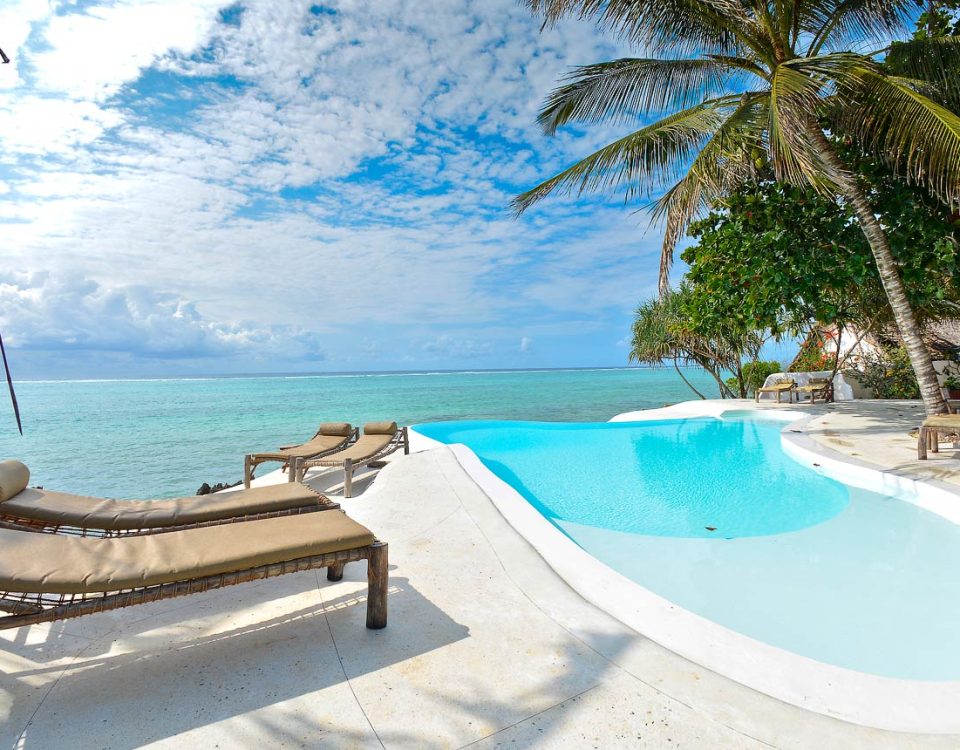
The island has attractive views across the Indian Ocean.
Its coastline features rocky areas, sandy sections and clear tropical water.
Visitors can take photographs or enjoy a short period of relaxation.
Snorkelling
Some excursions include snorkelling around suitable areas near the island.
Marine life may include small reef fish and coral habitats.
However, visibility and water conditions vary.
Only enter the water when conditions are safe and your guide confirms an appropriate location.
Photography
Prison Island offers opportunities to photograph historic buildings, tortoises and coastal scenery.
Morning light can be particularly pleasant.
Avoid using photography methods that disturb wildlife or interfere with other visitors.
How to Get to Prison Island
Most visitors reach Prison Island by boat from Stone Town.
Excursions can be arranged through established local tour operators, hotels or recognised boat providers.
You can choose a shared excursion or a private boat trip.
Shared trips are usually more affordable, while private tours offer greater flexibility.
Before booking, confirm whether your package includes boat transport, guiding and island entrance charges.
How Much Does a Prison Island Tour Cost?
Tour prices depend on group size, departure arrangements and included services.
Some operators advertise low boat fares but charge entrance fees separately.
Others offer complete packages that include transport, guiding and admission.
Before confirming your booking, ask for the total price.
Check whether the quotation includes:
- Return boat transport
- Island entrance fees
- Tortoise sanctuary access
- Guide services
- Snorkelling equipment
- Hotel transfers
- Any additional conservation charges
Prices and official fees can change, so request current information.
Best Time to Visit Prison Island
Prison Island can be visited during much of the year.
However, weather and sea conditions affect boat transfers.
The drier periods, particularly June to October and parts of December to February, are generally popular for Zanzibar excursions.
Morning visits may be more comfortable because temperatures are often lower.
However, boat safety depends on actual conditions rather than the time of day.
Your operator should assess the weather before departure.
What to Carry
You do not need extensive equipment for a half-day visit.
Useful items include:
| Item | Purpose |
|---|---|
| Comfortable walking shoes | Exploring historical areas |
| Sun hat | Protection from direct sunlight |
| Drinking water | Staying hydrated |
| Camera | Wildlife and coastal photography |
| Light clothing | Comfort in warm weather |
| Small bag | Carrying personal belongings |
| Swimwear | Optional swimming activities |
Carry any personal medication you may require.
Protect electronic devices from seawater during the boat journey.
Combining Prison Island With Stone Town
Prison Island works particularly well as part of a Stone Town sightseeing itinerary.
You can spend the morning exploring historical streets and visiting cultural attractions.
Later, take a boat excursion to Changuu.
Alternatively, some operators combine Prison Island with other nearby coastal excursions.
Ensure your programme allows sufficient time for each destination.
Frequently Asked Questions
Was Prison Island used as a prison?
The colonial prison buildings were not used for their originally intended purpose. They became part of a quarantine station. Earlier historical accounts describe separate confinement of enslaved people on the island.
Can you touch the giant tortoises?
Follow sanctuary rules. Avoid unnecessary handling and never sit on, lift or disturb the animals.
How long should you spend on Prison Island?
Approximately two to three hours can be sufficient for many visitors, excluding longer transfers or additional activities.
Is Prison Island suitable for families?
Yes. Families can enjoy the tortoise sanctuary and historical attractions, provided children are supervised and boat conditions are suitable.
Prison Island is an interesting destination for travellers exploring Zanzibar.
Its colonial buildings explain an important period of public health history, while the giant tortoise sanctuary provides opportunities to observe remarkable animals.
The island’s earlier connections to slavery also deserve respectful attention.
With its location close to Stone Town, Changuu is a practical half-day excursion combining history, wildlife and coastal scenery.