Travel Insurance for East Africa Safaris: Medical Cover and Evacuation Basics
Planning an East African safari involves booking accommodation, arranging transport and choosing wildlife activities. However, travel insurance is another important consideration, particularly when your itinerary includes remote national parks, mountain trekking or adventure activities.
Travel insurance for East Africa safaris can help protect you against unexpected medical expenses, emergency evacuation, trip cancellation and certain travel disruptions.
Although many safari destinations provide access to medical services, advanced treatment may be limited in remote locations.
For example, a traveller who becomes seriously ill while visiting a national park may need transport to a hospital in a larger town or city.
Understanding medical cover, evacuation benefits and policy exclusions helps you select suitable protection before departure.
Why Travel Insurance Is Important for East African Safaris
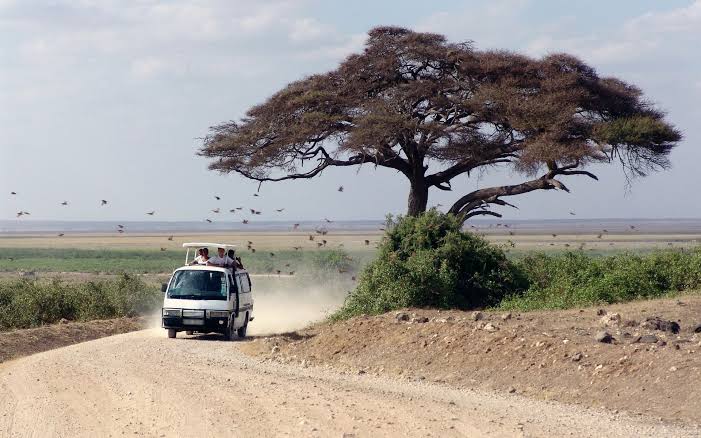
East African safaris often involve travelling considerable distances between cities and protected areas.
Some national parks are several hours away from major hospitals.
Road conditions, weather and limited local medical facilities may complicate emergency treatment.
Travel insurance can reduce the financial burden of unexpected medical situations.
Common Safari Travel Risks
Potential problems include:
-
Sudden illness requiring hospital treatment.
-
Injuries during trekking or walking activities.
-
Road accidents.
-
Lost or delayed luggage.
-
Cancelled flights.
-
Unexpected trip interruption.
-
Emergency medical transport.
The protection available depends on your insurance policy.
Understanding Travel Insurance for East Africa Safaris
Travel insurance policies contain different types of protection.
Some focus mainly on cancellations and lost belongings.
Others provide medical cover, emergency assistance and evacuation benefits.
For safari travellers, medical protection deserves particular attention.
Main Insurance Benefits
|
Insurance benefit |
What it may cover |
|---|---|
|
Emergency medical treatment |
Eligible hospital and doctor expenses |
|
Medical evacuation |
Transport to suitable medical facilities |
|
Medical repatriation |
Return to your home country when medically necessary |
|
Trip cancellation |
Covered cancellation circumstances |
|
Trip interruption |
Eligible costs when travel ends unexpectedly |
|
Baggage protection |
Lost, stolen or damaged belongings |
|
Emergency assistance |
Support through an insurer’s assistance service |
Not every policy includes all these benefits.
Always examine the full policy wording.
1. Emergency Medical Cover
Medical cover helps pay for eligible treatment when you become ill or injured during your trip.
This may include hospital admission, medical examinations, prescribed medicines and emergency procedures.
Why Medical Cover Matters
Healthcare costs vary between countries and facilities.
Some hospitals require payment guarantees before providing certain services.
Your insurer may arrange direct payment when the hospital belongs to its approved network.
Alternatively, you may need to pay eligible expenses and request reimbursement.
Choosing an Appropriate Medical Limit
Insurance policies offer different maximum medical benefits.
A policy with a low limit may be insufficient for serious illness involving hospitalisation or specialist treatment.
Consider your destination, medical history and activities when comparing coverage levels.
Ask whether the limit applies per person, per incident or across the entire trip.
2. Emergency Medical Evacuation
Medical evacuation is particularly important for travellers visiting remote safari destinations.
It involves transporting a patient from one location to another when suitable medical treatment is unavailable locally.
When Might Evacuation Be Necessary?
Consider a traveller who suffers a serious injury while visiting a remote national park.
A nearby clinic may provide initial treatment but lack specialist surgical facilities.
Medical professionals may recommend transferring the patient to a larger hospital.
Depending on the circumstances, evacuation may involve a road ambulance, aircraft or other suitable transport.
What Does Evacuation Insurance Cover?
A suitable policy may cover medically necessary transportation to an appropriate hospital.
However, insurers usually determine when evacuation is justified.
Some policies require approval before arranging transport.
Medical evacuation should therefore not be confused with an unrestricted private flight service.
3. Medical Repatriation
Medical repatriation involves returning a traveller to their home country when medically necessary.
This differs from evacuation to a nearby suitable hospital.
Evacuation Versus Repatriation
Medical evacuation usually focuses on reaching appropriate treatment.
Medical repatriation concerns returning home under suitable medical arrangements.
For example, a traveller might receive emergency treatment in Nairobi before being transported home for continued care.
Whether this journey is covered depends on medical necessity and policy conditions.
4. Insurance for Gorilla Trekking
Gorilla trekking is among East Africa’s most popular wildlife experiences.
Visitors walk through forests in Uganda or Rwanda to observe habituated mountain gorillas.
The activity involves uneven ground, vegetation and sometimes steep terrain.
Check Trekking Coverage
Some insurance policies classify trekking as an adventure activity.
Others apply restrictions based on altitude, terrain or the nature of the excursion.
Before purchasing insurance, confirm that guided gorilla trekking is specifically covered.
Do not assume that ordinary walking or hiking coverage automatically includes every trekking activity.
Gorilla Permit Cancellations
Gorilla trekking permits can represent a significant part of your safari budget.
Ask whether your insurance covers non-refundable permits when cancellation occurs for an insured reason.
Ordinary changes of mind are generally not covered.
5. Insurance for Mountain Climbing
Travellers planning Mount Kilimanjaro, Mount Kenya or the Rwenzori Mountains require additional attention to policy conditions.
High-altitude trekking may fall outside standard travel insurance.
Important Questions
Ask your insurer:
-
What is the maximum covered altitude?
-
Is guided mountain climbing included?
-
Does the policy cover mountain rescue?
-
Are helicopter evacuations included when medically necessary?
-
Does the policy cover altitude-related illness?
Some insurers require specialist adventure insurance.
The correct policy depends on your planned route and activities.
6. Safari Activities That May Need Additional Cover
East Africa offers numerous adventure experiences beyond traditional game drives.
Some activities carry additional risks and may require specific insurance arrangements.
White-Water Rafting
Rafting on the River Nile in Uganda may be classified as an adventure sport.
Check whether the policy covers your intended rafting grade and guided activity.
Walking Safaris
Guided walking safaris involve observing wildlife outside vehicles.
Confirm whether your policy includes authorised wildlife walks.
Hot-Air Balloon Safaris
Balloon experiences in destinations such as the Serengeti and Maasai Mara may require specific activity coverage.
Check before booking.
7. Common Travel Insurance Exclusions
Insurance policies contain exclusions that determine when claims may be refused.
Understanding these conditions before travelling is essential.
Pre-Existing Medical Conditions
Some policies exclude medical conditions that existed before purchasing insurance unless they are declared and accepted.
Provide accurate medical information during your application.
Unapproved Activities
Participation in excluded adventure activities may invalidate related claims.
Obtain written confirmation when necessary.
Travel Against Official Advice
Some policies restrict or exclude cover when travellers visit destinations against government travel advice.
Check current advice for every country and region on your itinerary.
Alcohol and Reckless Behaviour
Claims involving intoxication or deliberate risk-taking may be excluded.
Follow safety instructions throughout your safari.
8. Travel Insurance for Multi-Country Safaris
Many visitors combine Uganda, Rwanda, Kenya and Tanzania in one journey.
A multi-country itinerary requires insurance that covers every destination.
Check Geographic Coverage
Some policies cover selected African countries but exclude particular regions.
Others apply different conditions to cross-border travel.
List every country included in your safari before purchasing insurance.
Check Your Travel Dates
Your cover should begin when necessary and continue until your return.
Allow for international travel days and any planned stopovers.
9. What to Do During a Medical Emergency
Knowing how to contact your insurer can reduce confusion during an emergency.
Step 1: Obtain Medical Help
Seek immediate treatment when necessary.
Do not delay urgent care while waiting for insurance approval.
Step 2: Contact Your Insurer
Contact the emergency assistance service as soon as reasonably possible.
Explain your location, condition and available medical information.
Step 3: Follow Medical Instructions
Doctors and assistance teams may coordinate further treatment or evacuation.
Step 4: Keep Documentation
Retain medical reports, prescriptions, receipts and relevant correspondence.
These documents may be required when submitting a claim.
10. Choosing Suitable Safari Travel Insurance
Compare policies based on actual protection rather than price alone.
Consider the following:
-
Emergency medical benefit limits.
-
Medical evacuation arrangements.
-
Repatriation benefits.
-
Covered safari activities.
-
Adventure sport exclusions.
-
Pre-existing condition rules.
-
Deductibles or excess payments.
-
Emergency assistance availability.
-
Trip cancellation conditions.
-
Geographic restrictions.
Choose coverage that reflects your itinerary and personal circumstances.
Frequently Asked Questions
Is travel insurance compulsory for East African safaris?
Requirements vary. Some operators or activities may require insurance, even when a country does not generally require it for entry.
Does ordinary travel insurance cover gorilla trekking?
Some policies do, but others apply adventure activity exclusions. Confirm your coverage before travelling.
Is helicopter evacuation automatically included?
No. Coverage depends on medical necessity, policy terms, availability and insurer approval.
Can insurance cover malaria treatment?
Many travel medical policies cover eligible unexpected illness, but exclusions and conditions apply.
Should children have travel insurance?
Yes. Children travelling on safari should have appropriate medical and emergency protection.
Travel insurance for East Africa safaris provides valuable protection against unexpected medical expenses and travel disruptions.
Emergency medical treatment, evacuation and repatriation are particularly important when visiting remote wildlife destinations.
Before departure, compare insurance policies carefully and confirm that your planned activities are covered.
Keep your policy information accessible throughout your journey so that assistance can be arranged quickly when needed.